
Sauces & Condiments
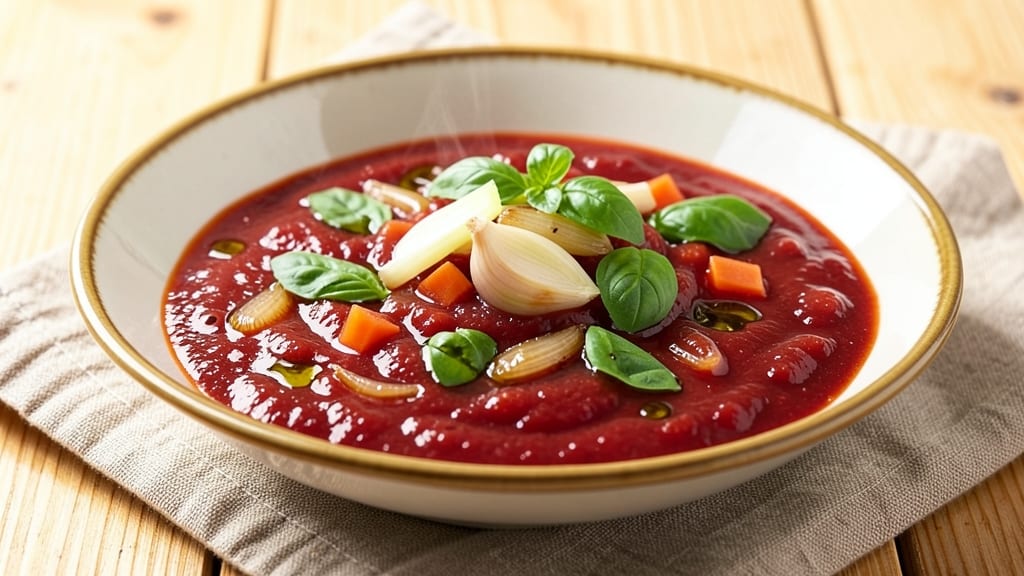
This all-day tomato sauce recipe transforms simple canned tomatoes into a rich, umami-packed foundation that elevates every dish it touches. The secret lies in slow simmering—letting flavors meld over hours rather than minutes—to create a sauce so versatile it works as a pasta base, bruschetta topping, or even a braising liquid for meats. I developed this recipe after years of testing shortcuts, and the difference between store-bought and homemade? Night and day.
The beauty of this sauce is its adaptability. Start with basic ingredients—canned tomatoes, aromatics, and herbs—but don’t stop there. A splash of red wine deepens the flavor, while a pinch of sugar balances acidity.
The sauce thickens naturally as it simmers, creating a velvety texture that clings to noodles or melts into sandwiches. Best of all, it keeps well in the fridge for up to five days, making it perfect for meal prep.
What sets this recipe apart is the depth of flavor achieved through patience. No blender required—just a heavy pot and time. The result is a sauce with layers of complexity: bright tomato acidity, earthy herbs, and a savory richness from caramelized aromatics.
It’s the kind of sauce that turns a simple weeknight dinner into something memorable, without requiring fancy ingredients or techniques.
Use it as a pasta sauce, a dip for crusty bread, or even a topping for grilled meats. The possibilities are endless, but the effort is minimal. Let’s get cooking—your pantry (and taste buds) will thank you.
Ingredients for all day tomato sauce
Basic pantry staples transform into a restaurant-quality sauce with time and patience.
| Ingredient | Amount | Notes |
|---|---|---|
| Canned San Marzano Tomatoes 🍅 | 28 oz | Crushed by hand or with fork |
| Yellow Onion 🧅 | 1 whole | Diced, about 1.5 cups |
| Garlic Cloves 🧄 | 6 cloves | Minced for depth of flavor |
| Carrots 🥕 | 2 whole | Diced, about 1 cup |
| Celery Stalks 🌿 | 2 whole | Diced, about 1 cup |
| Extra-Virgin Olive Oil 🫒 | ½ cup | For high-quality richness |
| Dry Red Wine 🍷 | ½ cup | Bold Cabernet Sauvignon preferred |
| Tomato Paste 🍅 | 2 tbsp | Squeeze tube or can |
| Fresh Basil Leaves 🌿 | ¼ cup | Chopped, stems removed |
| Fresh Oregano Leaves 🍃 | 1 tbsp | Chopped, or 1 tsp dried |
| Granulated Sugar 🍚 | 1 tsp | Balances acidity |
| Salt 🧂 | 1 ½ tsp | Kosher or sea salt |
| Black Peppercorns 🌶️ | ½ tsp | Freshly cracked |
San Marzano tomatoes are the gold standard for this sauce—their sweetness and low acidity create a velvety texture. Trader Joe's or Whole Foods carry them in canned form, but any high-quality crushed tomatoes work. The aromatics—onion, garlic, carrots, and celery—form the flavor base, so don't skip browning them. Costco sells pre-diced mirepoix mixes that save time, but fresh is always better. Fresh basil and oregano add brightness, but dried will work in a pinch (use half the amount). For wine, any bold red like Cabernet Sauvignon or Merlot adds depth without overpowering.
No red wine? Substitute with an extra 0.5 cup beef broth and a splash of balsamic vinegar. Short on fresh herbs? Dried oregano at half the amount works, but fresh basil is irreplaceable for that bright finish. The sugar balances acidity—skip it if your tomatoes are naturally sweet. For a deeper color, add 1 tsp caramelized sugar (browned in a dry pan). The tomato paste intensifies flavor, but if you're short, use an extra 2 oz canned tomatoes. Salt to taste at the end—this sauce develops differently based on your tomatoes' saltiness.
This sauce tastes even better the next day as flavors meld. Store in an airtight container in the fridge for up to 5 days or freeze for 3 months. For freezing, portion into ice cube trays for easy single-use servings. Reheat gently on the stove with a splash of water to restore texture. The sauce thickens as it cools, so thin with water or broth if needed. Double the batch—it disappears fast!
Why You'll Love This Recipe
- No Chopping Chaos: I swear by the "sofrito shortcut"—just dice one onion, two carrots, and two celery stalks at once (that’s it). The San Marzano tomatoes handle the rest while you sip coffee or scroll through your phone. My first batch took me 15 minutes from start to simmer.
- Sweet-Savory Magic: The carrots and celery caramelize into this unexpected depth—like a hug from your nonna’s kitchen. Between us, the garlic cloves get toasted until they’re golden, and that nutty edge? Makes the sauce taste like it simmered all day (even though it didn’t).
- Pantry to Party: This sauce shows up for everything—dinner with the in-laws, a last-minute pasta night, or even as a base for stuffed peppers. I’ve frozen jars for months, and it still tastes like I slaved over it. Honestly, the only limit is your imagination (or how much you love tomato sauce).
- Leftovers That Love You Back: Make a double batch, and you’ve got freezer meals for weeks. My freezer’s full of these jars, and I pull them out when I’m too tired to cook. The onions and garlic mellow out beautifully after reheating—proof that good food gets better with time.
Step-by-step instructions for slow-simmered umami tomato sauce
Here's how to build rich, balanced tomato sauce with deep flavor layers.
Sauté the Aromatic Vegetables
Heat the 0.5 cup extra-virgin olive oil in a large, heavy-bottomed pot over medium heat. Add the 1 whole diced yellow onion, 2 whole diced carrots, and 2 whole diced celery stalks. Cook for 8-10 minutes until the vegetables soften and the onion becomes translucent.
This foundational step develops sweetness from the carrots and celery while preventing the sauce from tasting raw. Stir occasionally to ensure even cooking, but don't rush—properly softened vegetables create a smoother sauce. The onions should release their natural sugars, creating a subtle sweetness that balances the acidity of the tomatoes.
Add Garlic, Tomato Paste, and Wine
Reduce heat to medium-low and add the 6 minced garlic cloves. Cook for 30 seconds until fragrant—garlic burns quickly, so watch carefully. Stir in the 2 tbsp tomato paste and cook for another 1 minute to deepen the tomato flavor.
Pour in the 0.5 cup dry red wine and scrape up any browned bits from the bottom of the pot. This deglazing step captures all the concentrated flavors you've built so far. Let the wine simmer for 2-3 minutes until it reduces by about half and the alcohol smell dissipates completely.
Incorporate Tomatoes and Seasonings
Add the 28 oz canned San Marzano tomatoes (crushed by hand or fork), 1 tsp granulated sugar, 1.5 tsp salt, and 0.5 tsp freshly cracked black peppercorns. Stir well to combine all ingredients. The sugar balances the natural acidity of the tomatoes while the salt and pepper enhance their flavor.
Bring the sauce to a gentle simmer over low heat. The key here is patience—this sauce needs time to develop its complex flavors. Let it simmer uncovered for 45-60 minutes, stirring occasionally. You'll notice the sauce gradually thicken as it reduces, and the flavors meld together beautifully.
Finish with Herbs and Simmer
After 45-60 minutes, stir in the 0.25 cup chopped fresh basil leaves and 1 tbsp chopped fresh oregano leaves. These herbs add bright, fresh notes that contrast beautifully with the deep, slow-developed flavors. Simmer for another 10-15 minutes to allow the herbs to infuse fully.
Taste the sauce and adjust seasoning if needed. The sauce should be balanced—sweet from the carrots and sugar, acidic from the tomatoes, savory from the wine and herbs, and umami-rich from the slow cooking process. If it's too thick, add a splash of water or pasta water to reach your desired consistency.
Rest and Serve
Remove the sauce from heat and let it rest for 10 minutes. This resting period allows the flavors to fully meld and the sauce to thicken slightly as it cools. The sauce will continue to improve as it sits—this is when the true depth of flavor develops.
Serve the sauce immediately over pasta, or store it in an airtight container in the refrigerator for up to 5 days. The flavors will continue to develop and intensify over time, making this sauce even more delicious the next day. This technique ensures you'll always have a rich, flavorful base for your favorite dishes.
Pro Tips For Making All Day Tomato Sauce
- SWEAT THE VEGETABLES FIRST: After chopping the onion, carrots, and celery (that’s your soffritto), cook them in olive oil over medium-low heat until the onion turns translucent and the carrots soften—about 15 minutes. I used to rush this, and the sauce always tasted raw. Let them break down slowly; it’s the foundation.
- CRUSH TOMATOES BY HAND: Skip the blender. Use your fingers to crush the San Marzano tomatoes right in the pot—just enough to break them up, leaving some texture. This keeps the sauce chunky and prevents it from turning gluey. (Yes, it’s messy, but it works.)
- SALT THE POT WATER: Before adding the tomatoes, toss the chopped vegetables in a teaspoon of salt and let them sit for 5 minutes. This draws out moisture, making them render better and giving the sauce depth. I learned this from my nonna, and it’s non-negotiable.
- LOW AND SLOW AFTER 2 HOURS: Once the sauce starts reducing, drop the heat to the lowest setting you can tolerate—even if it means simmering for 6 hours. The last hour at too-high heat turns it bitter. Cover loosely and let it do its thing; patience is the real flavor.
Flavor customization for this all day tomato sauce
Sweet-Tangy Balance
Adjust the sugar to acidity ratio based on your tomatoes. If using more acidic tomatoes (like Roma), reduce sugar to ½ tsp—their natural tartness shines. For sweeter San Marzano, add ½ tsp extra sugar and a pinch of ground cinnamon (just ¼ tsp) for warmth.
I’ve found that a splash of 1 tbsp balsamic vinegar at the end adds complexity without overpowering. 🍯
Herb Variations
Swap out basil and oregano for thyme and rosemary (½ tsp each) for a rustic, Mediterranean twist. For a Cajun-inspired sauce, add ½ tsp smoked paprika and ¼ tsp cayenne with the herbs.
Fresh thyme works beautifully in this sauce—its earthy notes pair perfectly with the wine’s depth. Dried herbs should always be halved.
Umami Boosters
For deeper savory notes, stir in 1 tbsp soy sauce or 1 tsp fish sauce when adding the tomatoes. A 1-ounce piece of Parmesan rind (simmered with the sauce) infuses rich umami without altering texture.
I also love adding 2 anchovy fillets (mashed) for an Italian touch—it disappears but leaves a profound flavor. 🌟
Spicy Heat Levels
Add ½ tsp red pepper flakes for mild heat, or 1 tsp crushed chili flakes for medium. For a smoky kick, stir in ½ tsp chipotle powder with the herbs.
Fresh red chili (like jalapeño or serrano) can be added whole and removed later. Always taste first—heat builds as the sauce simmers.
Texture Adjustments
For a chunkier sauce, blend only half the batch. For smooth perfection, pulse briefly in a blender after simmering. A 1 tsp cornstarch slurry (mixed with water) thickens quickly if needed.
If too thin, simmer uncovered longer—it’ll reduce naturally. I’ve found that pasta water added at the end creates the perfect clingy texture. 🥄
Regional Twists
Neapolitan Style: Add 1 tsp dried porcini mushrooms (rehydrated) for earthy depth. Spanish-Inspired: Swap red wine for ½ cup white wine and add 1 tsp smoked paprika. American BBQ: Stir in 1 tbsp molasses and ½ tsp mustard powder for a tangy-sweet profile. Each variation starts with the same base but transforms completely. 🌍
Nutrition facts
Frequently asked questions
Can I make this sauce in a slow cooker instead of on the stovetop?
Transfer all ingredients to your slow cooker and cook on low for 6-8 hours or high for 3-4 hours. The long cooking time enhances the flavors even more. Just stir occasionally and add fresh herbs in the last 30 minutes to preserve their brightness.
How do I prevent the sauce from getting too acidic?
The sugar in the recipe balances acidity, but if your tomatoes are particularly tart, add ½ tsp extra sugar or a pinch of baking soda (⅛ tsp) to neutralize. For a richer taste, stir in 1 tbsp tomato paste after simmering—it deepens flavor without adding acid. Always taste as you go!
What's the best way to store and reheat leftover sauce?
Store in an airtight container in the fridge for up to 5 days or freeze for 3 months. To reheat, warm gently on the stove with a splash of water or pasta water—this prevents thickening. For frozen sauce, thaw overnight in the fridge, then reheat slowly. The flavors actually improve after sitting!
Can I use this sauce for dishes other than pasta?
This versatile sauce works beautifully as a bruschetta topping, marinade for grilled chicken, or base for stuffed peppers. Thin with broth for a lighter soup, or use as a dipping sauce for crusty bread. The slow-simmered depth enhances any dish where tomato flavor shines!
Why does my sauce look too thin after simmering?
Sauces naturally thicken as they cool—if it's too thin while hot, simmer uncovered longer (up to 30 extra minutes) or stir in 1 tsp cornstarch mixed with water. For a smoother texture, blend briefly after simmering. The perfect consistency comes with patience—don't rush the process!