
Sauces & Condiments
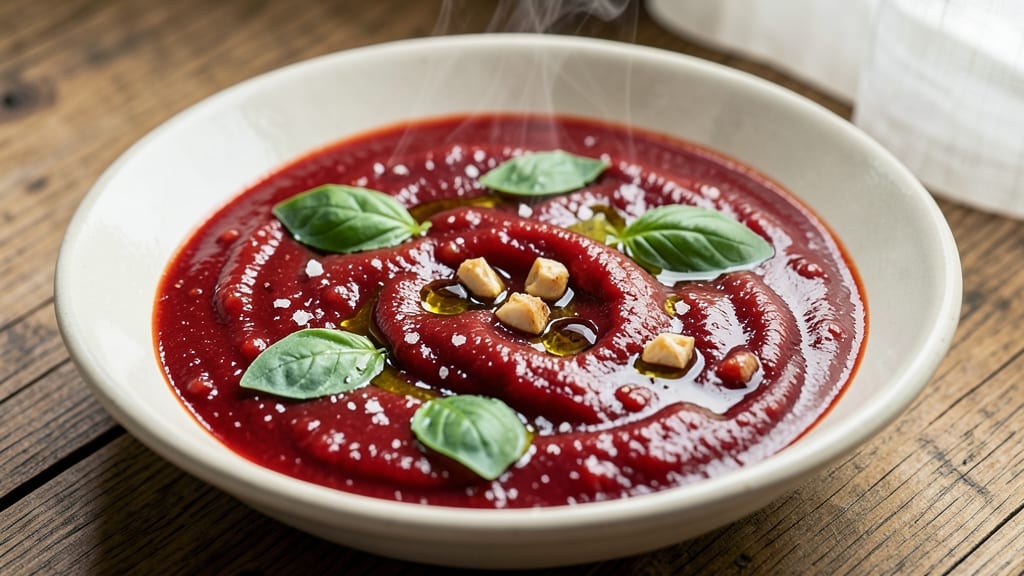
This Babish red sauce recipe transforms simple tomatoes into a rich, layered masterpiece with deep garlic and herb notes. The slow simmering process unlocks the tomatoes' natural sweetness while building complex flavors that elevate any dish.
I developed this sauce after years of refining my Italian cooking, and it consistently delivers restaurant-quality results at home.
The secret lies in balancing acidity and sweetness—canned tomatoes provide consistency, while fresh garlic, basil, and a touch of sugar create harmony. A long simmer reduces the sauce to a perfect consistency, intensifying flavors without losing freshness.
This isn't just a sauce; it's a flavor foundation that transforms pasta, pizza, and grilled meats into unforgettable meals.
What you'll achieve is a velvety, aromatic red sauce with just the right balance of tang and sweetness. The garlic infuses deeply, while herbs add bright, fresh notes that keep the sauce vibrant. Unlike store-bought versions, this sauce develops layers of complexity that make every bite taste homemade.
Perfect for meal prep or serving immediately, this sauce keeps well in the refrigerator for up to 5 days or freezes beautifully for longer storage. Whether you're cooking for family or hosting dinner guests, this recipe delivers professional-quality results with minimal effort.
Ingredients for babish red sauce
Nine essential ingredients crafting restaurant-quality depth in every spoonful.
| Ingredient | Amount | Notes |
|---|---|---|
| Canned San Marzano Tomatoes 🍅 | 28 oz | Whole, crushed by hand |
| Garlic Cloves 🧄 | 6 cloves | Fresh, peeled, lightly crushed |
| Extra-Virgin Olive Oil 🫒 | ½ cup | High-quality, fruity variety |
| Fresh Basil Leaves 🌿 | ½ cup | Packed, stems removed |
| Granulated Sugar 🍬 | 1 tbsp | Balances acidity naturally |
| Red Wine Vinegar 🍷 | 1 tbsp | Brightens flavors beautifully |
| Diamond Crystal Kosher Salt 🧂 | 1 ½ tsp | Adjust to taste at end |
| Freshly Ground Black Pepper 🌶️ | ½ tsp | Freshly cracked preferred |
| Dried Oregano 🍃 | 1 tsp | Italian or Mediterranean blend |
San Marzano tomatoes are non-negotiable here—their natural sweetness and low acidity create the perfect base. Trader Joe's and Whole Foods carry them canned, or find them in the Italian section of most grocery stores. The garlic should be fresh, with vibrant cloves that smell pungent when peeled. For the olive oil, California-grown varieties like Bertolli or Pompeian add subtle fruitiness that enhances the sauce's complexity. Fresh basil is ideal, but if you're using dried, reduce to one-third the amount—it's the bright, herbal note that keeps the sauce vibrant.
No San Marzano tomatoes? High-quality crushed tomatoes work in a pinch, but add an extra pinch of sugar to compensate for higher acidity. Swap red wine vinegar for lemon juice or balsamic vinegar if needed, though the wine vinegar's depth is worth tracking down. For dried herbs, Italian seasoning blends can replace the oregano, but fresh basil is irreplaceable in my book. The sugar might seem unnecessary, but it rounds out the acidity—trust me, it makes all the difference. If you're short on time, a 15-minute soak in warm water revives wilted basil leaves perfectly.
This sauce tastes even better the next day as flavors meld. Store it in an airtight container in the fridge for up to 5 days, or freeze in 1-cup portions for 3 months. I like to freeze it in ice cube trays first, then transfer to a bag—perfect for adding to meals later. The sauce thickens as it cools, so you can always thin it with a splash of water or pasta water when reheating. Double the batch if you can—it disappears faster than you think.
Why You'll Love This Recipe
- No Chopping Needed: I swear by this sauce because the San Marzano tomatoes are already peeled and crushed—just open the can and go. The garlic gets minced while the sauce simmers, so I’m not standing there dicing for 10 minutes.
- Sweet-Savory Magic: That little pinch of sugar with the bright basil and slow-cooked tomatoes? It’s the secret weapon—sweet enough to balance the acidity, but the garlic and olive oil make it ridiculously rich. Honestly, I’ve made simpler sauces that didn’t hit this hard.
- Pasta Party Ready: This sauce doubles as marinara for spaghetti and a glaze for grilled chicken—no two recipes needed. I’ll make a big batch on Sundays, freeze half, and still have leftovers for Tuesday’s quick dinner.
- Budget-Friendly Luxury: San Marzano tomatoes might sound fancy, but they’re cheaper than fresh heirlooms and last months in the pantry. A single can stretches across three meals, and the olive oil and basil make it feel like a restaurant dish without the price tag. (Yes, even on a Tuesday night.)
Step-by-step instructions for Babish red sauce
This sauce builds depth through slow simmering—where garlic melts into the tomatoes and herbs bloom into harmony.
Sauté Garlic in Olive Oil Until Fragrant
Heat the 0.5 cup extra-virgin olive oil in a medium saucepan over medium-low heat. Add the 6 cloves lightly crushed garlic and cook for 2-3 minutes until they're golden but not browned. Watch closely—garlic burns quickly, and you want that sweet, nutty aroma without bitterness.
Here's the thing—this step sets the foundation. The olive oil should shimmer but not smoke. If it smells like burning, start over with fresh garlic and oil. Once the garlic is just turning golden, it's time to move forward without letting it darken.
Add Tomatoes, Sugar, and Vinegar
Pour in the 28 oz crushed San Marzano tomatoes, 1 tbsp granulated sugar, and 1 tbsp red wine vinegar. The sugar balances the tomatoes' natural acidity while the vinegar brightens the flavor profile. Stir everything together to combine.
Bring the mixture to a gentle simmer over medium heat, then reduce the heat to low. You're aiming for a slow, steady simmer—not a rolling boil. This low-and-slow approach allows the flavors to meld and develop complexity. Let it cook uncovered for 20 minutes while you prepare the remaining ingredients.
Season and Simmer for Deep Flavor Development
Add the 1.5 tsp Diamond Crystal kosher salt, 0.5 tsp freshly ground black pepper, and 1 tsp dried oregano. Stir well to distribute the seasonings evenly. The sauce should taste balanced now—sweet, tangy, and herbaceous—but don't worry if it needs more salt later.
Continue simmering for another 20-25 minutes until the sauce has thickened slightly and the flavors have melded. You'll know it's ready when the sauce coats the back of a spoon and the aroma is rich and inviting. If it reduces too much, you can add a splash of water later, but it should thicken naturally at this stage.
Finish with Fresh Basil and Adjust Seasoning
Remove the sauce from heat and stir in the 0.5 cup packed fresh basil leaves. Let it steep for 5 minutes to infuse the basil's bright, fresh flavor. Then, taste and adjust the seasoning—add more salt if needed, or a touch of vinegar for brightness.
For the best texture, I like to use an immersion blender to lightly blend the sauce until smooth. This step isn't necessary, but it creates a velvety consistency that pairs beautifully with pasta or meatballs. If you prefer a rustic texture, skip blending and leave it slightly chunky.
Rest and Serve
Let the sauce rest for 10 minutes before serving. This resting period allows the flavors to settle and the sauce to thicken slightly. The sauce should be vibrant red, aromatic, and perfectly balanced—sweet, tangy, and herbaceous with a deep tomato richness.
Use it immediately over pasta, drizzled over grilled meats, or spooned alongside cheesy dishes. The sauce keeps well in the refrigerator for up to 5 days, and it freezes beautifully for up to 3 months. The longer it sits, the more complex the flavors become—trust the process!
Pro Tips For Making Babish Red Sauce
- CRUSH GARLIC FIRST: Mince those cloves before tossing them in—no need to wait for the oil to heat. I learned this the hard way when my sauce tasted raw; prepping the garlic first lets it bloom properly and prevents that bitter aftertaste. (Yes, even if you’re impatient like me.)
- STIR THE POT: Keep that sauce moving on the stove. After 20 minutes, I used to walk away and let it simmer unattended—big mistake. Constant stirring prevents scorching and helps the sugar dissolve evenly, giving you that smooth, balanced flavor without any burnt bits lurking at the bottom.
- USE A SPLASH OF WATER: If your sauce thickens too fast, don’t panic—just add 2-3 tablespoons of water. I’ve ruined batches by scraping the bottom or forcing it to reduce longer than needed. A little water loosens the sediment and keeps the texture silky without overcooking the tomatoes.
- SALT THE TOMATOES: Add a pinch of salt to the crushed tomatoes before cooking—it draws out excess water and concentrates the flavor. I was skeptical until I tried it; the sauce develops depth faster, and you end up with a richer, more vibrant end result. (Your future self will thank you.)
Perfect pairings for these flavors
Pasta Pairings
This sauce shines with al dente pasta like spaghetti or linguine, where its velvety texture clings beautifully. For extra richness, toss with freshly grated Parmigiano-Reggiano—about 2 tbsp per serving—just before serving.
I also love it with bucatini because the thick strands hold the sauce like a dream. 🍝
For a heartier option, try rigatoni or penne—their ridges catch the sauce and create satisfying bites. If you're feeling adventurous, use gluten-free pasta like barilla gluten-free spaghetti, which holds up perfectly to the sauce's robust flavors.
Meat Complements
Grilled chicken breasts or sausages become showstoppers with this sauce drizzled on top. The acidity in the sauce cuts through the richness of the meat beautifully.
I like to grill boneless, skinless chicken breasts to 165°F internal temperature, then top with ¼ cup sauce per breast and serve with a side of roasted vegetables. 🍗
For a carnivorous feast, pair with beef meatballs—homemade or store-bought—simmered in the sauce for 10-15 minutes to absorb the flavors. The sauce's depth makes even simple meatballs taste gourmet. Add a sprinkle of fresh parsley before serving for a pop of color.
Pizza Perfection
Use this sauce as a base for homemade pizza—it’s far more flavorful than jarred options. Spread ½ cup sauce per 12-inch pizza crust after adding your cheese and toppings.
The sauce’s natural sweetness balances mozzarella and pepperoni perfectly. I like to finish with a drizzle of olive oil and a pinch of red pepper flakes for heat. 🍕
For a white pizza twist, mix ¼ cup sauce with ¼ cup ricotta cheese and spread on the crust before adding toppings. The sauce adds depth without overpowering the creamy ricotta. Top with sliced tomatoes, basil, and a sprinkle of feta cheese for a fresh, tangy flavor profile.
Bread and Dips
Warm garlic bread or focaccia becomes irresistible when dipped in this sauce. The crust’s crunch contrasts perfectly with the sauce’s smooth texture.
For a fun twist, serve the sauce in a bread bowl—hollow out a ciabatta loaf, fill with the sauce, and top with grilled chicken or mushrooms. 🥖
Use the sauce as a dip for crudités like carrot sticks, celery, and bell pepper strips. The sweetness of the tomatoes pairs wonderfully with the crunch of fresh vegetables.
For a party platter, arrange the veggies on a board with small bowls of the sauce and a side of hummus for variety.
Cheesy Elevations
This sauce is a game-changer for mac and cheese—stir ½ cup sauce into 2 cups cooked macaroni with your cheese sauce. The acidity brightens the richness, and the herbs add a fresh note. Top with breadcrumbs and Parmesan for crunch. 🧀
For lasagna, use the sauce as both the ragù and the topping layer—spread a thin layer between cheese layers for extra flavor. The sauce’s depth carries through the baking process, making every bite more vibrant.
Add a sprinkle of fresh basil on top before serving for a restaurant-worthy finish.
Nutrition facts
Frequently asked questions
Can I substitute fresh tomatoes for canned in this red sauce?
Fresh tomatoes work but require extra prep. Use 4-5 large ripe tomatoes, roast them at 400°F for 20 minutes until softened, then peel, seed, and blend before adding to the sauce. Fresh tomatoes have more water content, so you may need to simmer longer to achieve the same thickness. The flavor will be brighter but slightly less concentrated than canned tomatoes.
Why does my sauce taste too acidic?
The sugar and vinegar balance acidity, but if your tomatoes are extra tart, add ½ tsp more sugar or a pinch of baking soda (just ⅛ tsp) to neutralize. For a fresh tomato base, reduce vinegar to ½ tbsp initially. Always taste as you go—this sauce should finish with a bright but not sour finish.
How do I make this sauce thicker for pasta?
Simmer uncovered for 10-15 extra minutes to reduce naturally. For quick thickening, mix 1 tbsp cornstarch with 2 tbsp water, stir into the hot sauce, and simmer 2 minutes until it reaches your desired consistency. Avoid adding flour directly—it can make the sauce cloudy. The sauce should coat the back of a spoon when done.
Can I make this sauce in a slow cooker?
Yes! Combine all ingredients in your slow cooker and cook on low for 4-5 hours or high for 2-3 hours. The long cook time intensifies flavors beautifully. Stir occasionally and add a splash of water if it gets too thick. The slow cooker method is perfect for hands-off prep while you handle other dinner tasks.
What's the best way to reheat leftover sauce?
Gently reheat in a saucepan over low-medium heat, stirring frequently to prevent scorching. Add 1-2 tbsp water or pasta water if it thickens too much. For microwave reheating, use 50% power for 30-second intervals, stirring between each. The sauce should never boil—just warm through to 160°F to maintain its velvety texture.