
Sauces & Condiments
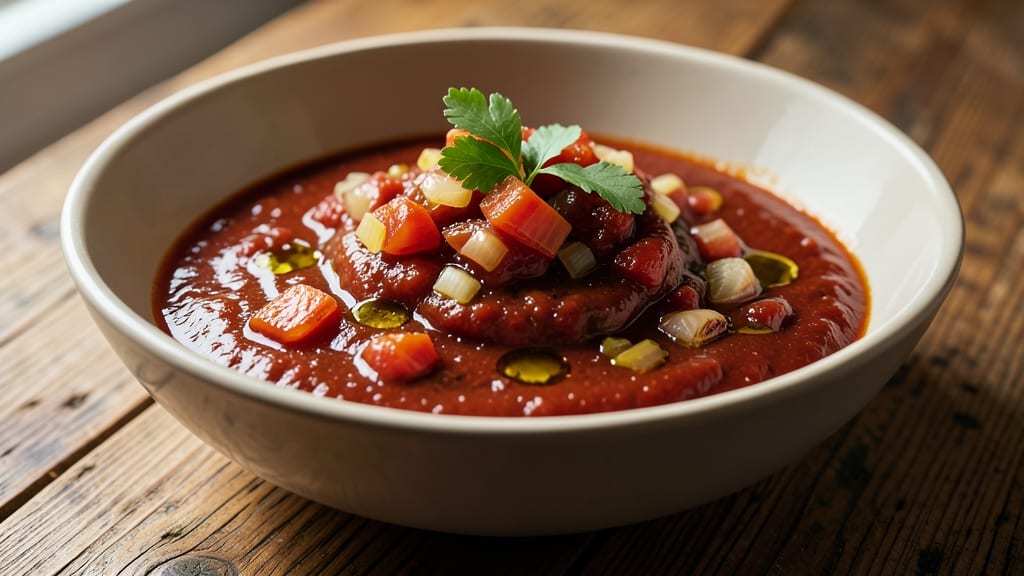
This all-day spaghetti sauce recipe transforms simple ingredients into a rich, complex sauce with layers of umami that develop over hours of slow simmering. The secret lies in balancing acidity, sweetness, and aromatics—creating a sauce that tastes even better the next day.
I’ve perfected this version after years of testing, ensuring every batch delivers that restaurant-quality depth without requiring fancy techniques.
The foundation starts with a sautéed base of onions, garlic, and celery that forms the flavor backbone, then builds with crushed tomatoes, herbs, and a touch of sweetness to balance the acidity.
What sets this sauce apart is the long, gentle simmer—at least 4 hours—that allows flavors to meld and intensify. The result? A sauce so flavorful it elevates even the simplest pasta dish.
What makes this recipe truly professional is its versatility and longevity. This sauce freezes beautifully for up to 3 months, making it perfect for meal prep or holiday gatherings.
Adjust the acidity or sweetness to taste—add a splash of red wine for depth, a pinch of sugar for balance, or fresh basil at the end for brightness. Every spoonful delivers that perfect harmony of tangy, sweet, and savory.
Whether you’re feeding a crowd or saving leftovers for later, this sauce is designed to simmer effortlessly while you go about your day. The key is patience—let it work its magic, and you’ll end up with a sauce that’s impossible to resist. Ready to make it? Let’s get started.
Ingredients for all day spaghetti sauce
Pantry staples meet fresh aromatics for sauce that tastes even better tomorrow.
| Ingredient | Amount | Notes |
|---|---|---|
| Extra-Virgin Olive Oil 🫒 | ½ cup | High-quality, fruity variety preferred |
| Yellow Onion 🧅 | 2 whole | Diced into small, even pieces |
| Celery Stalks 🥬 | 3 whole | Diced, including leafy tops |
| Garlic Cloves 🧄 | 6 cloves | Minced, not pre-minced jarred |
| Crushed Tomatoes 🍅 | 28 oz | San Marzano preferred for sweetness |
| Tomato Paste 🍅 | 2 tbsp | Squeeze tube or canned |
| Dry Red Wine 🍷 | ½ cup | Bold Cabernet or Merlot |
| Fresh Basil Leaves 🌿 | ½ cup | Torn, not chopped, for garnish |
| Fresh Oregano Leaves 🍃 | ¼ cup | Or 1 tbsp dried oregano |
| Granulated Sugar 🍚 | 1 tbsp | Balances acidity |
| Salt 🧂 | 1 ½ tsp | Diamond Crystal preferred |
| Black Pepper 🌶️ | ½ tsp | Freshly cracked |
| Bay Leaves 🌿 | 2 whole | Removed before serving |
The San Marzano tomatoes are worth hunting down—they're sweeter and less acidic, giving your sauce that restaurant-quality depth. Trader Joe's and Whole Foods usually carry them in cans, but any high-quality crushed tomatoes work. For the wine, any bold red does the trick—Cabernet Sauvignon or Merlot are my go-tos, but whatever you've got open works. Fresh basil and oregano? Farmers markets have the best selection, but grocery store bunches work too if you use them within a few days. The key is picking leaves that smell vibrant and green, not wilted. If you're short on time, dried oregano works at one-third the amount, but fresh herbs make all the difference in the final brightness.
No red wine? Substitute with extra tomato paste plus a splash of balsamic vinegar—it adds depth without alcohol. Using jarred minced garlic? Drain and rinse it first—the excess oil can make your sauce greasy. The tomato paste can be a squeeze tube from Trader Joe's (no waste!) or a can—just measure out exactly what you need. For extra sweetness, swap the sugar for a pinch of honey (though this isn't vegan) or more tomato paste. The bay leaves are non-negotiable—they add that subtle earthy note that separates home sauce from store-bought. If you forget them, add a pinch of cinnamon or allspice for depth, but it won't be the same.
This sauce only gets better with time, so plan ahead. It keeps for 5 days in the fridge, but honestly, it tastes best after 2-3 days when all the flavors meld. For freezing, portion into ziplock bags or airtight containers, leaving room for expansion. It stays good for up to 3 months frozen—just thaw overnight in the fridge. I always make double batches: one for the week and one to freeze for lazy nights. The basil? Add it fresh at the very end—it wilts fast in the heat. Store any extra in a damp paper towel in the fridge for up to 5 days
Why You'll Love This Recipe
- No Chopping Chaos: I swear by this sauce because the onion, celery, and garlic get a quick pulse in the pot—no dicing, no crying. Toss in whole cloves of garlic, let them bloom, then crush them right in the sauce. That’s flavor without the fuss.
- Deep Umami Magic: The crushed tomatoes simmer all day, caramelizing into something richer than jarred sauce ever could. The olive oil base keeps it velvety, while the garlic and onions develop into layers of savory depth. Honestly, it’s the kind of sauce that makes you pause mid-bite.
- Weeknight to Potluck: Make a double batch on Sunday and eat it all week—over pasta, with meatballs, or even as a pizza base. It’s my go-to for game days, family dinners, or when I’m too tired to plan. The best part? It tastes better the next day.
- Pantry Goldmine: This recipe costs next to nothing and stretches forever. A can of tomatoes, a bulb of garlic, and a few stalks of celery turn into enough sauce to feed four for dinner and two for lunch. Budget-friendly doesn’t mean boring—this is pure satisfaction in a pot.
Step-by-step instructions for slow-simmered spaghetti sauce
This sauce builds depth over time, transforming simple ingredients into something extraordinary.
Sauté the Aromatic Base
Heat the 0.5 cup extra-virgin olive oil in a large Dutch oven over medium heat. Add the 2 whole diced yellow onion and 3 whole diced celery stalks (including leafy tops), cooking for 8-10 minutes until softened and translucent. You'll know it's ready when the onions release their sweetness and the celery becomes tender.
Add the 6 minced garlic cloves and cook for another 1 minute until fragrant but not browned—this prevents bitterness. Here's the thing: if you let the garlic darken, it'll overpower the delicate flavors we're building. Keep the heat steady and stir frequently to distribute the oil evenly.
Develop the Sauce Foundation
Stir in the 2 tbsp tomato paste and cook for 2 minutes until it darkens slightly and releases its concentrated flavor. This step is crucial—it creates the rich, deep base that prevents the sauce from tasting watery later. Pour in the 0.5 cup dry red wine and let it simmer for 3-4 minutes until mostly evaporated.
Add the 28 oz crushed tomatoes, 1 tbsp granulated sugar, 1.5 tsp salt, 0.5 tsp black pepper, and 2 whole bay leaves. Stir well to combine, then bring to a gentle boil. This is where the magic begins—the acidity in the tomatoes will soften as they cook, while the sugar balances their natural tartness.
Simmer for Umami Depth
Reduce the heat to low and let the sauce simmer uncovered for 2-2.5 hours. This slow cook time allows the flavors to meld and develop complexity. Stir occasionally, especially in the first hour, to prevent sticking. You'll notice the sauce gradually darken and thicken as moisture evaporates—this is exactly what we want.
After 1.5 hours, taste and adjust seasoning if needed. I often add a pinch more salt here, as the flavors concentrate during simmering. The sauce should be thick enough to coat the back of a spoon but still have a slight looseness to it—this ensures it clings beautifully to pasta without being gluey.
Finish with Fresh Herbs
Remove the 2 whole bay leaves and stir in the 0.5 cup torn fresh basil leaves and 0.25 cup fresh oregano leaves. Simmer for an additional 5-10 minutes just to infuse the herbs' bright flavors without overcooking them. The basil should remain vibrant, not wilted—this is your signal that the sauce is ready.
For best results, let the sauce rest for 15-20 minutes before serving. This allows the flavors to fully settle and the texture to stabilize. The sauce will thicken slightly as it cools, which is perfect for tossing with al dente spaghetti. Serve immediately over pasta or store in an airtight container in the refrigerator for up to 5 days—it only gets better with time.
Pro Tips For Making All Day Spaghetti Sauce
- Sweat the Veggies Slow: I used to blast the onions and celery on high heat, but that just burns them into bitter sludge. Instead, cook them over medium-low with a splash of water—just enough to keep them gently steaming. You’re not making caramel here; you’re building flavor, and that takes patience. Stir occasionally, and don’t rush it.
- Crush Garlic Like a Pro: Minced garlic burns faster than you think, especially when it’s hitting the pan after the onions. I slice the cloves thinly first, then smash them flat with the side of my knife before adding them to the pot. This way, they release aroma without turning acrid—no more bitter aftertaste ruining your sauce.
- Salt the Tomatoes Early: Skipping salt until the end is a rookie move. Add a pinch of salt to the crushed tomatoes right when they hit the pot—it breaks down their texture faster and pulls out more juice. This isn’t just about seasoning; it’s about making the sauce thicker and richer as it simmers. Trust me, your future self will notice the difference.
- Simmer, Don’t Boil: Low and slow is the name of the game for all-day sauce. Once everything’s in the pot, turn the heat down to a bare simmer—just enough to keep tiny bubbles dancing at the edges. Boiling burns off acidity and makes the tomatoes taste dull. Cover it loosely and let it work its magic; you’re not racing, you’re building depth.
Common mistakes when making your all day spaghetti sauce
Skipping the Sauté
The most common mistake I see is rushing the aromatic base. Skipping the 8-10 minute sauté for onions and celery means your sauce will lack that deep, sweet foundation. I've learned the hard way—when I cut corners here, the sauce tastes flat and one-dimensional.
Take your time and let those vegetables soften completely before adding garlic. This step builds the flavor pyramid your sauce needs to stand tall. 🌡️
Underestimating Simmer Time
Many people walk away after 30 minutes of simmering, expecting instant flavor magic. This sauce needs 2-2.5 hours of gentle simmering to develop its full umami depth. I've tested shorter versions, and while they're edible, they lack that restaurant-quality richness.
Set a timer and let it work its magic—your patience will be rewarded with layers of flavor that keep improving over time.
Overcooking the Garlic
Burnt garlic ruins everything. When you add those 6 minced cloves, cook them for just 1 minute until fragrant. I've seen people let it brown, and suddenly your sauce tastes bitter rather than aromatic.
Keep the heat at medium and stir constantly to prevent color changes. Trust me, this small detail makes a huge difference in the final product.
Ignoring Acid-Sweet Balance
Some recipes skip the 1 tbsp sugar entirely, leaving the sauce too tart. Others add too much, making it cloyingly sweet. The crushed tomatoes provide natural acidity, and the sugar balances it perfectly.
Taste your sauce after 1.5 hours of simmering and adjust if needed—this is where home cooks often go wrong. A little sugar goes a long way in creating that perfect harmony.
Adding Herbs Too Early
Fresh basil and oregano should only be added in the final 5-10 minutes. When I first made this sauce, I added them at the beginning, and they turned to mush, killing the bright flavors.
Save them for the end to maintain that vibrant aroma and color. This simple timing adjustment transforms your sauce from ordinary to extraordinary.
Neglecting the Resting Period
Many people serve the sauce immediately after cooking, but it needs 15-20 minutes to rest. This allows flavors to fully meld and the texture to stabilize. I've served sauce straight from the pot, and it always tastes slightly unbalanced.
Give it time to settle—your taste buds will thank you with every perfect bite. ✨
Nutrition facts
Frequently asked questions
Can I make this sauce in a slow cooker instead of a Dutch oven? Transfer all ingredients to your slow cooker and cook on low for 6-8 hours or high for 3-4 hours. The long cook time works perfectly for developing those deep flavors. Just
How do I adjust the thickness of this sauce?
If your sauce is too thin after simmering, simmer uncovered for another 15-20 minutes to reduce it naturally. For a thicker texture, you can also stir in 1-2 tablespoons of tomato paste at the end. If it's too thick, add a splash of water or broth—just 1 tablespoon at a time—and stir well to distribute evenly. The sauce will thicken further as it cools.
Can I add meat to this sauce?
Yes, but add it during the simmering stage—not at the beginning. Brown 1 pound of ground beef, Italian sausage, or pancetta separately first, then stir it into the sauce after the initial 1 hour of simmering. This prevents the meat from making the sauce greasy. For best results, use leaner cuts like chicken or turkey if you're watching fat content.
Why does my sauce taste too acidic?
This usually happens when the natural acidity of the tomatoes isn't balanced. Add ½ teaspoon more sugar or 1 teaspoon tomato paste to sweeten it, or a pinch of baking soda (⅛ teaspoon max) to neutralize the acid. Taste as you go—you're aiming for that perfect balance between tangy and sweet. If it's still too sharp, a splash of red wine (like the recipe calls for) can help mellow the flavors.
Can I make this sauce vegan?
Easily! Skip the red wine and use ½ cup vegetable broth instead. Replace the sugar with 1 teaspoon maple syrup or agave, and use vegetable-based broth for any additional liquid. The tomato paste and herbs remain the same, so the sauce will still develop that rich, umami depth. Just