
Sauces & Condiments
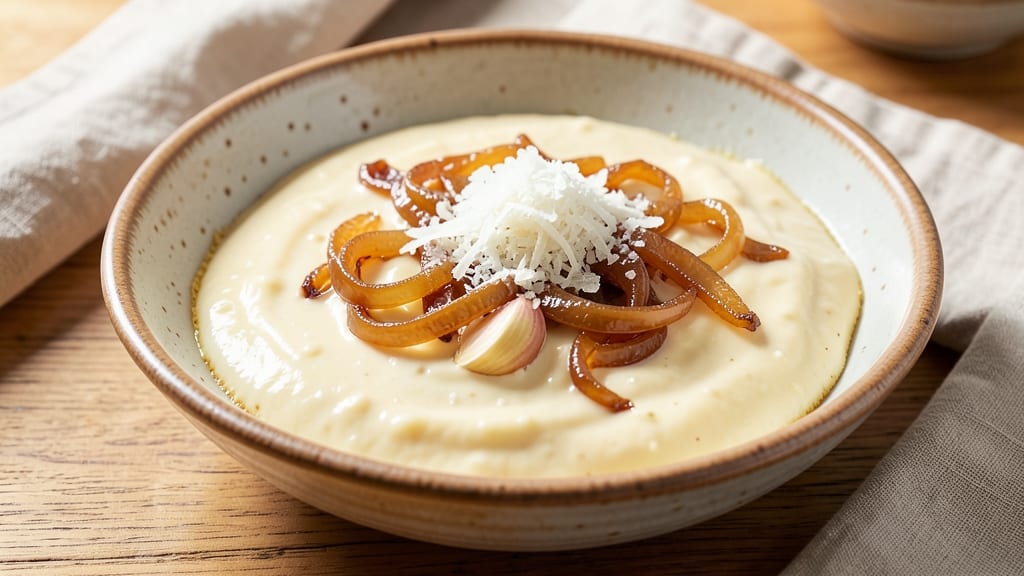
This alfredo sauce recipe with onion delivers restaurant-quality richness in just 15 minutes—creamy, velvety, and packed with caramelized onion depth that transforms ordinary pasta into something extraordinary. The secret lies in a proper roux foundation that prevents curdling while blooming the onion's natural sweetness before adding cream and parmesan.
I've perfected this version after years of testing, ensuring it's foolproof for home cooks while delivering professional results every time.
What sets this recipe apart is the balance of ingredients: high-quality butter creates the velvety base, heavy cream provides richness without separating, and freshly grated parmesan delivers authentic Italian flavor. The onion, slowly caramelized in the butter, adds a subtle sweetness that rounds out the sauce's complexity.
This version also includes a touch of garlic for depth, though it's optional for those who prefer milder flavors.
The result is a sauce so smooth and luxurious it clings perfectly to fettuccine or any pasta shape, creating each bite into a creamy, cheesy masterpiece. The caramelized onions add texture contrast while maintaining the sauce's velvety consistency.
What's more, this recipe scales effortlessly—whether you're serving four or twelve, the proportions remain balanced for maximum flavor.
Best of all, this alfredo sauce keeps beautifully in the refrigerator for up to five days, making it perfect for meal prep. Simply reheat gently on the stove, stirring constantly until smooth.
For even better results, try adding a splash of pasta water when reheating—it helps maintain that perfect silky texture. Let's make this creamy, onion-infused sauce that will have everyone asking for seconds.
Ingredients for alfredo sauce recipe with onion
High-quality butter, creamy richness, and perfectly caramelized onions create this velvety masterpiece in record time.
| Ingredient | Amount | Notes |
|---|---|---|
| Unsalted Butter 🧈 | ½ cup | European-style preferred for flavor |
| Yellow Onion 🧅 | 1 whole | Medium size, thinly sliced |
| Heavy Cream 🥛 | 1 ½ cups | Full-fat for maximum richness |
| Freshly Grated Parmesan Cheese 🧀 | 1 cup | From aged Parmigiano-Reggiano block |
| Garlic Cloves 🧄 | 2 cloves | Minced for aromatic depth |
| All-Purpose Flour 🌾 | ¼ cup | For smooth roux foundation |
| Salt 🧂 | ½ tsp | Diamond Crystal kosher preferred |
| Ground White Pepper 🌶️ | ¼ tsp | Freshly ground for subtle warmth |
| Extra-Virgin Olive Oil 🫒 | 1 tbsp | For finishing drizzle |
| Freshly Squeezed Lemon Juice 🍋 | 1 tsp | Brightens the final flavor |
The butter is non-negotiable—European-style unsalted with high fat content creates that signature velvety texture. Plugrá or Kerrygold are my go-tos, but any good-quality butter works. For the onions, yellow or sweet onions caramelize beautifully, but red onions add a subtle color pop if you're feeling fancy. The key is patience here—slow cook until deep golden brown, about 15-20 minutes. Freshly grated Parmesan is a game-changer too; pre-grated gets clumpy and lacks depth. If you're using a block, invest in a good microplane grater for that fine, snowy texture. The garlic should be minced, not powdered—it makes all the difference in flavor complexity.
No heavy cream on hand? Full-fat coconut cream works surprisingly well, though it has a slight coconut flavor. Short on Parmesan? Pecorino Romano adds a sharper bite, or nutritional yeast for a vegan alternative (though flavor will differ). The flour is just for the roux—gluten-free flour works if needed, but texture may be slightly different. For a lighter sauce, reduce the cream to 1 cup and add ½ cup pasta water instead. The lemon juice is optional but brightens the sauce beautifully—skip if you prefer classic alfredo. Want to make it ahead? Prepare the roux and set it aside, then finish with cream and cheese just before serving to prevent curdling.
This sauce keeps beautifully in the fridge for 5 days, though flavor peaks within the first 2 days. To reheat, warm gently on low heat, stirring constantly, and add a splash of pasta water if it thickens too much. For freezing, portion into airtight containers with a thin layer of olive oil on top to prevent a skin from forming. Thaws perfectly and reheats like a dream. Pro tip: Double the batch—it disappears faster than you'd think, and leftovers make amazing pasta salads the next day.
Why You'll Love This Recipe
- Five-Ingredient Magic: I swear by this—just butter, onion, cream, garlic, and Parmesan. No fancy techniques, no 20-step process. You’ll have it ready while your pasta boils, and honestly? That’s all it takes.
- Creamy Without the Guilt: The heavy cream makes it lusciously rich, but here’s the trick: the caramelized onion adds depth that cuts through the heaviness. It’s decadent, but my family won’t believe it’s "healthy" (even though it’s way better than store-bought).
- Weeknight to Dinner Party: Same sauce, endless uses. Slather it on fettuccine for a Tuesday night, toss it with roasted veggies for a fancy dinner, or drizzle it over grilled chicken. Between us, it’s my secret weapon for when I don’t want to think too hard.
- Leftovers That Don’t Suck: This sauce actually improves the next day—thicker, more concentrated flavor. I freeze half in ice cube trays, then pop them into future dishes. (Yes, even on a Tuesday night.) No sad, watery takeout leftovers here.
Step-by-step instructions for alfredo sauce with onion
Here's how to create a velvety, restaurant-quality alfredo sauce with sweet caramelized onions in record time.
Build the Roux Foundation
Melt the 0.5 cup unsalted butter in a heavy-bottomed saucepan over medium-low heat. Once fully melted and foaming has subsided, add the 0.25 cup all-purpose flour all at once. Whisk constantly with a wooden spoon for 2-3 minutes until the mixture turns a pale golden color and smells nutty.
This roux is your flavor base—don't rush it. You're looking for a smooth, lump-free paste that coats the back of a spoon. If it darkens too quickly, reduce the heat slightly. The proper roux will form the creamy texture that defines this sauce, so take your time here.
Caramelize the Onions
Add the 1 whole yellow onion, sliced into thin half-moons, to the saucepan with the roux. Cook over medium heat for 8-10 minutes, stirring occasionally, until the onions soften and develop a beautiful golden-brown color. You want them tender but not crispy—they should collapse easily when pressed between your fingers.
Here's the thing—don't walk away. Onions burn faster than you think, and that bitter flavor will ruin your sauce. When they reach the perfect caramelization, add the 2 cloves minced garlic and cook for an additional 30 seconds until fragrant. This aromatic step is what transforms simple alfredo into something extraordinary.
Incorporate the Cream
Pour in the 1.5 cups heavy cream all at once, whisking vigorously to combine with the roux. Increase heat to medium-high and bring the mixture to a gentle simmer. Let it cook for 3-4 minutes, stirring occasionally, until slightly thickened but still pourable. You're looking for a sauce that coats the back of a spoon but isn't gluey.
This is where the magic happens—the cream's richness melds with the caramelized onions and nutty roux. If you see any lumps forming, strain the sauce through a fine-mesh sieve into a clean saucepan. The result should be completely smooth, with no visible onion pieces if you prefer a refined texture.
Add Cheese and Season
Reduce heat to low and gradually whisk in the 1 cup freshly grated parmesan cheese until fully melted and smooth. Add the 0.5 tsp salt and 0.25 tsp ground white pepper, then stir in the 1 tsp freshly squeezed lemon juice. Taste and adjust seasoning—you might need a tiny pinch more salt or pepper to balance the richness.
The lemon juice is crucial here. It brightens the sauce and cuts through the richness of the cream and cheese, preventing a heavy, one-dimensional flavor. The sauce should be luxuriously thick but still flow easily when poured. If it's too thick, whisk in 1-2 tablespoons of warm water or pasta water to reach your desired consistency.
Finish and Serve
Remove the sauce from heat and let it sit for 2-3 minutes to thicken slightly. Just before serving, stir in the 1 tablespoon extra-virgin olive oil for a silky finish. This final drizzle adds depth and prevents the sauce from becoming too heavy when tossed with pasta.
Serve immediately over fettuccine or your favorite pasta, tossing gently to coat each strand. The sauce should cling beautifully, with visible strands of caramelized onion peeking through. For extra flair, garnish with additional grated parmesan and a crack of black pepper. This sauce is best served fresh—it thickens as it cools, so don't make it too far ahead of time.
Pro Tips For Making Alfredo Sauce Recipe With Onion
- Sweat the Onion Low: I learned this the hard way—sautéing onions in butter over high heat turns them bitter before they even soften. Keep the heat at a gentle simmer, and let them cook uncovered for about 8-10 minutes until they’re translucent and just starting to caramelize. That’s when they’ll actually flavor the sauce instead of making it taste like regret.
- Melt Butter Slowly: Dumping cold butter into the pan and cranking the heat is how you end up with greasy, separated sauce. Instead, melt the butter over medium-low heat first, then add the onions. The gradual melt keeps the butter from seizing up and ensures it emulsifies properly with the cream later.
- Strain the Garlic: Yes, even if you’re using just a few cloves. After mincing, press the garlic through a fine-mesh sieve to remove any tough bits—those can turn your creamy sauce gritty. It’s a 10-second step that makes a real difference, especially if you’re serving this over delicate pasta like fettuccine.
- Finish with Warm Cream: Cold heavy cream dumped into a hot pan will curdle faster than you can say "alfredo disaster." Warm the cream separately in a separate saucepan until it’s just steaming (about 80°F), then whisk it into the butter-onion mixture. The sauce will thicken smoothly without breaking.
Serving suggestions for this recipe
Pasta Pairings
This rich alfredo sauce clings beautifully to fettuccine—the classic choice—but don’t limit yourself! Pappardelle or tagliatelle work equally well, their wide ribbons creating perfect sauce pockets. For a fun twist, try gemelli or linguine, which hold the creamy sauce while showcasing the caramelized onions. 🍝
Protein Additions
Elevate your meal by adding grilled chicken breast or seared shrimp—just toss them in the hot sauce off the stove for a quick protein boost. For a vegetarian option, sautéed mushrooms or crispy tofu add hearty texture.
I love adding crispy prosciutto for a salty, savory contrast that cuts through the richness.
Vegetable Sides
A simple arugula salad with lemon vinaigrette balances the sauce’s richness perfectly—the peppery greens refresh your palate. Roasted asparagus with garlic and olive oil adds a touch of elegance, while steamed broccoli with a sprinkle of red pepper flakes brings a pop of color and heat. 🥦
Bread and Dippers
Serve with garlic bread or crusty baguette slices for dipping—it’s a crowd-pleaser! For a lighter option, toasted baguette croutons sprinkled over the pasta add crunch. If you’re making a big batch, turn leftovers into alfredo-stuffed shells or lasagna layers the next day.
Wine and Drink Pairings
A crisp Italian Pinot Grigio or Chardonnay complements the sauce’s creaminess without overpowering it. For beer lovers, a Belgian witbier with its citrusy notes balances the richness beautifully. Sparkling prosecco or champagne also works for a celebratory touch—just keep it chilled until serving. 🍷
Make-Ahead Serving
Prep ahead by making the sauce and storing it in the fridge for up to 5 days. Reheat gently with a splash of pasta water to maintain that silky texture.
For a quick meal, assemble alfredo-stuffed shells or baked ziti the night before and bake fresh—it’s a game-changer for busy weeknights. 💡
Nutrition facts
Frequently asked questions
Why does this alfredo sauce have onions when classic recipes don't?
The caramelized onions add a subtle sweetness that balances the richness of the cream and cheese, creating depth of flavor. They also provide texture contrast that makes each bite more interesting. This version keeps the traditional velvety texture while adding complexity that elevates it beyond basic recipes.
Can I make this sauce without heavy cream?
Yes! For a lighter version, substitute with 1 cup whole milk plus ½ cup pasta water—it won't be as rich but still delicious. For a vegan option, use full-fat coconut cream (though flavor will differ slightly) or a cashew cream blend. Always adjust thickness with extra liquid if needed.
What's the secret to preventing lumps in the sauce?
Whisk constantly when adding the flour to butter to create a smooth roux, and always whisk vigorously when incorporating cream. If lumps appear, strain through a fine-mesh sieve. The key is patience—don't rush the roux development, and keep heat at medium-low when adding cheese.
How do I adjust the thickness for different pasta shapes?
For wide noodles like fettuccine, keep the sauce slightly thicker. For thin pasta like spaghetti, thin it with 1-2 tablespoons pasta water or warm water. The sauce should coat the back of a spoon but still flow easily. Always taste test—thinner sauces work better for quick eating.
Can I make this sauce ahead of time?
Yes! Store in an airtight container in the fridge for up to 5 days. Reheat gently on low heat, stirring constantly, and add a splash of pasta water if it thickens too much. For best flavor, finish with fresh lemon juice and olive oil just before serving to brighten the taste.