
Sauces & Condiments
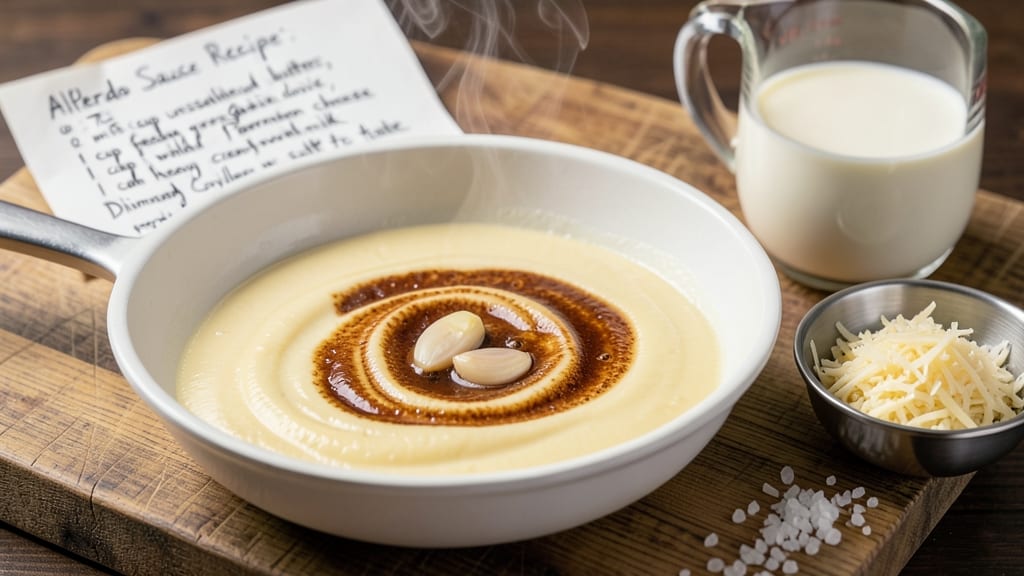
This creamy Alfredo sauce recipe video transforms basic ingredients into velvety perfection in just 5 minutes, with no lumps or separation. I developed this foolproof method after years of testing—because restaurant-quality Alfredo shouldn't require a degree.
The secret lies in the technique: melting butter properly, whisking constantly, and adding cheese gradually to create that signature silky texture.
What makes this sauce truly special is its versatility and consistency. No heavy cream? No problem—we'll use a mix of butter and milk for a lighter version that still delivers rich flavor.
The key is patience: letting the sauce simmer gently until it thickens just enough to coat fettuccine beautifully. This isn't your grandmother's clumpy Alfredo—it's smooth, luxurious, and ready in minutes.
By the time you're done, you'll have a sauce so creamy it practically melts in your mouth, with just enough nutty Parmesan depth to elevate any pasta dish.
The best part? It reheats beautifully and tastes even better the next day. Perfect for weeknight dinners, special occasions, or when you need restaurant-quality results without the fuss.
Whether you're pairing it with classic fettuccine, chicken, or vegetables, this sauce delivers that signature creamy texture without the heavy feeling. Let's get started—your taste buds will thank you.
Ingredients for alfredo sauce recipe video
Eight ingredients, five minutes—this is your shortcut to restaurant-style Alfredo magic.
| Ingredient | Amount | Notes |
|---|---|---|
| Unsalted Butter 🧈 | ¾ cup | Cold, cubed for even melting |
| Whole Milk 🥛 | ½ cup | Room temperature preferred |
| Parmesan Cheese 🧀 | 1 ½ cups | Freshly grated, fine texture |
| Heavy Cream 🥛 | ¼ cup | Optional for extra richness |
| Garlic Cloves 🧄 | 2 cloves | Minced, for subtle aroma |
| Diamond Crystal Kosher Salt 🧂 | ½ tsp | Adjust to taste |
| Freshly Ground Black Pepper 🌶️ | ¼ tsp | Freshly cracked preferred |
| All-Purpose Flour 🌾 | 1 tbsp | For thickening if needed |
| Extra-Virgin Olive Oil 🫒 | 1 tbsp | For finishing, optional |
The butter is non-negotiable here—European-style unsalted melts cleaner and adds more flavor. Plugrá or Kerrygold are my go-tos, but any good-quality brand works. Keep it cold when adding to the pan so it emulsifies smoothly. The Parmesan? Parmigiano-Reggiano is ideal, but if you're using pre-grated, strain it first to avoid lumps. Freshly grated makes all the difference—it's worth the extra minute. For the milk, whole is best, but 2% works in a pinch if that's what you've got.
No heavy cream? Skip it—this sauce is delicious without it. The milk and butter combo gives you that creamy texture without heaviness. Short on Parmesan? Add a splash of pasta water to loosen the sauce if it gets too thick. Want more depth? A pinch of nutmeg or white pepper blends beautifully. The garlic is subtle here—just enough to enhance, not overpower. If you're making a big batch, double the Parmesan and add an extra tablespoon of butter for richness.
This sauce reheats like a dream—just add a splash of milk or water to loosen it. Keeps for 5 days in the fridge, or 3 months frozen. For freezing, cool it completely first, then portion into airtight containers. The flour is your secret weapon if things get too thin—just whisk in a little at a time. And if you're worried about lumps, remember: patience is key. Let the sauce simmer gently, and it'll come together perfectly every time.
Why You'll Love This Recipe
- No-Fuss Simmer: I swear by this sauce because it’s basically hands-off after the initial chop. Melt butter, toss in garlic—poof—the rest just melts together while you stir. No blenders, no straining, no stress.
- Garlic-Parmesan Magic: That first bite? Rich, nutty, and just enough garlic heat to make your taste buds dance. The heavy cream makes it velvety, but the Parmesan? It’s the star—grated fresh, so every forkful packs real cheesy punch.
- Weeknight to Dinner Party: Make a double batch on a Tuesday, and you’ve got fettuccine for Thursday or a creamy pasta salad for Saturday. Serve it over chicken, roasted veggies, or even toasted bread—it’s the ultimate flavor multiplier.
- Leftovers That Don’t Suck: Unlike some sauces that turn gluey, this one reheats like a dream. Store it in the fridge for up to 5 days, or freeze it in portions—perfect for lazy mornings when you’re craving something fancy without the effort.
Step-by-step instructions for creamy, clump-free Alfredo sauce
Here's how to make restaurant-quality Alfredo that's velvety smooth and free of lumps.
Melt Butter and Infuse with Garlic
In a medium saucepan, melt the 0.75 cup unsalted butter over medium-low heat. Once fully melted and foaming has subsided, add the 2 minced garlic cloves. Cook for 1-2 minutes until the garlic becomes fragrant but doesn't brown—this prevents bitterness while building flavor. Here's the thing: low heat is key. Too high a temperature will burn the garlic before the butter melts properly, ruining your sauce foundation.
I like to stir gently with a wooden spoon to keep the butter from browning. You'll know it's ready when the mixture smells like warm, buttery garlic. This step sets the aromatic base for your entire sauce, so don't rush it. If you see any brown spots developing, immediately reduce the heat to low and continue stirring until they disappear.
Whisk in Milk and Parmesan
Pour in the 0.5 cup whole milk all at once and bring the mixture to a gentle simmer over medium heat. As it heats, add the 1.5 cups freshly grated Parmesan cheese in small increments, whisking constantly. The sauce will thicken gradually as the cheese melts into the warm dairy. This is where most recipes go wrong—adding cheese too quickly creates clumps that never fully dissolve.
Watch for the moment when the sauce begins to bubble gently around the edges. This indicates the cheese has fully incorporated. If you notice any lumps forming, immediately add 1 tablespoon all-purpose flour mixed with 1 tablespoon cold water to help emulsify. The goal is a completely smooth, velvety texture without any graininess. Keep whisking for 2-3 minutes after the cheese melts to ensure everything is fully combined.
Add Cream and Season
Reduce the heat to low and stir in the 0.25 cup heavy cream. This adds richness and helps balance the tanginess of the Parmesan. Let the sauce simmer gently for 1-2 minutes, stirring occasionally. The cream should integrate smoothly without breaking the emulsion you've worked so hard to create. If the sauce starts to separate, whisk vigorously to re-emulsify it.
Now season with the 0.5 teaspoon Diamond Crystal kosher salt and 0.25 teaspoon freshly ground black pepper. Taste and adjust the seasoning—you might need a bit more salt to balance the richness, especially if you're using aged Parmesan. The sauce should be creamy but not overly thick. If it's too thick, thin it with 1 tablespoon warm water at a time until you reach your desired consistency. Remember, you can always thicken it later with more cheese if needed.
Finish with Olive Oil (Optional)
For that final touch of elegance, remove the sauce from heat and stir in the 1 tablespoon extra-virgin olive oil. This step adds a subtle fruity note that complements the richness of the sauce. The olive oil also helps stabilize the emulsion, preventing separation when the sauce cools. Let the sauce rest for 2-3 minutes off the heat—this allows the flavors to meld completely.
Here's the moment that matters: the sauce should be silky smooth with a glossy sheen. If you run a spoon through it, the line should remain distinct without any stringiness. This indicates proper emulsification. If you see any separation, simply whisk vigorously to recombine. Your Alfredo is now ready to toss with fettuccine or drizzle over grilled chicken—just remember to keep it warm until serving, as it will thicken slightly as it cools.
Pro Tips For Making Alfredo Sauce Recipe Video
- Melt Butter Slowly: I learned this the hard way—dumping butter in all at once makes the sauce split like a bad romance. Instead, add it in 2-tablespoon chunks while stirring constantly over medium-low heat. The sauce needs time to emulsify, not boil over like a toddler’s science experiment.
- Grind Parmesan Fresh: Pre-shredded cheese is the fast-food version of Alfredo. Use a microplane or food processor to grate your own—it melts smoother and packs more flavor. (Yes, even if you’re impatient like me.) Skip the clumpy bits by sifting it through a fine-mesh strainer before adding.
- Infuse Garlic Without Burning: Garlic in Alfredo sauce should whisper, not scream. Sauté 3–4 smashed cloves in half the butter (before adding the rest) over low heat for 2–3 minutes until fragrant but still pale gold. Burnt garlic turns your creamy sauce into a bitter, sad memory.
- Temper the Cream: Cold heavy cream dumped into hot butter is a recipe for curdled disaster. Warm the cream in a separate saucepan until steaming (not boiling), then whisk it into the butter-milk mixture gradually. This keeps the sauce silky, not lumpy—trust the process.
Make-ahead tips for this recipe
Prep Ahead Sauce
Make this Alfredo sauce up to 2 days in advance for maximum flavor development. Let it cool completely, then store in an airtight container in the fridge. When reheating, add 1-2 tablespoons warm water or milk to restore creaminess.
I find the sauce actually tastes better the next day as the flavors meld together beautifully. Just give it a quick whisk before serving to ensure smooth texture. 💫
Freezer-Friendly
Freeze your sauce in quart-sized freezer bags, leaving 1-inch headspace for expansion. Portion into 1-cup servings for easy use later. Thaw overnight in the fridge, then reheat gently on the stove with a splash of milk.
The texture might thicken slightly after freezing, so thin with warm water as needed. I've kept this sauce frozen for up to 3 months without quality loss.
Pasta Water Hack
Save ½ cup pasta water before draining your noodles—it's your secret weapon for adjusting consistency. If your sauce is too thick after reheating, stir in pasta water 1 tablespoon at a time until you reach that perfect silky texture.
This works especially well if you're making the sauce ahead and need to thin it after refrigeration. I always keep a small bowl of pasta water nearby when working with fresh Alfredo.
Double Batch Tip
Double the recipe and freeze half immediately for future meals. I like to make a big batch on weekends when I have extra time, then portion it for quick weeknight dinners. Use a quart-sized glass container for easy reheating. The sauce reheats beautifully, making it perfect for meal prep. Just
Sauce Storage Containers
I recommend using glass Pyrex containers with tight-sealing lids for fridge storage—they keep the sauce fresh longer and prevent odors from seeping in. For freezing, quart-sized freezer bags work best as they're flexible and stack efficiently. Avoid metal containers for freezing as they can affect the texture when thawed. Always label your containers with the date to track freshness.
Reheating Like a Pro
For the best results, reheat your Alfredo sauce on the stovetop over low heat with a splash of milk or water. Stir constantly to prevent scorching and maintain that creamy texture. If using the microwave, heat in 30-second intervals, stirring between each, until warmed through.
Never reheat to a boil, as this can cause separation. The gentle heat approach preserves the sauce's luxurious consistency perfectly. ✨
Nutrition facts
Frequently asked questions
Why does my Alfredo sauce get lumpy?
Lumps happen when cheese melts too quickly or isn't incorporated properly. The key is adding Parmesan gradually while whisking constantly over medium heat. If lumps appear, immediately whisk in 1 tablespoon flour mixed with 1 tablespoon cold water to emulsify. Never let the sauce boil—keep it at a gentle simmer for perfect texture.
Can I make Alfredo sauce without heavy cream?
Skip the heavy cream and use extra milk (½ cup total) or add 1 tablespoon cornstarch mixed with 1 tablespoon cold water for thickening. The butter and milk combo still creates a rich, creamy base. For extra flavor, stir in 1 tablespoon cream cheese at the end—it adds tanginess without heaviness.
How do I prevent my sauce from separating when reheating?
Reheat over low heat with a splash of warm milk or water while whisking constantly. Never microwave without stirring first—heat in 30-second bursts instead. If separation occurs, whisk vigorously to recombine. For extra insurance, add 1 teaspoon Dijon mustard when reheating—it acts as a natural emulsifier.
What's the best cheese substitute if I don't have Parmesan?
Use a mix of Pecorino Romano (1 cup) + Grana Padano (½ cup) for similar sharpness. For a milder taste, try Asiago or sharp white cheddar (1.5 cups total), but add ½ teaspoon lemon juice to balance the flavor. Avoid pre-shredded cheese—it contains anti-caking agents that prevent smooth melting.
How do I adjust the sauce for gluten-free pasta?
Use gluten-free flour blend (1 tbsp) instead of regular flour if needed for thickening. For extra insurance, add 1 tbsp cornstarch to the sauce ingredients. The sauce itself is naturally gluten-free, but always check pasta labels—some contain cross-contamination risks. Serve with certified gluten-free noodles for complete safety.