
Sauces & Condiments
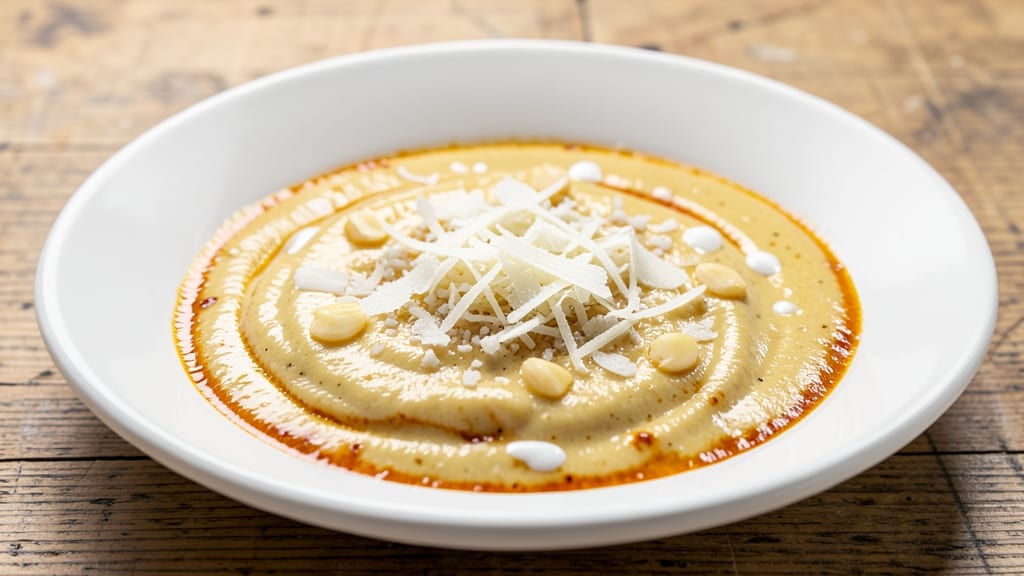
This alfredo sauce recipe using buttermilk delivers the creamiest, clump-free sauce you'll ever make—rich, velvety, and foolproof with just five ingredients. The buttermilk creates a naturally thickened sauce that's smoother than traditional versions while cutting the fat, making it lighter yet just as luxurious.
I developed this recipe after years of battling separated sauces, and the secret lies in proper emulsification and slow simmering.
The key to success is melting butter with garlic until fragrant before gradually whisking in buttermilk and cream. This gradual addition prevents lumps and creates a stable emulsion that holds its texture.
Parmesan cheese adds depth of flavor without overpowering, while a splash of pasta water at the end ensures the sauce clings perfectly to noodles. What you'll end up with is a sauce so smooth it feels decadent yet remains light enough for summer dinners.
This buttermilk alfredo sauce works beautifully over fettuccine, chicken, or as a creamy dip for vegetables. The texture remains velvety even when reheated, making it perfect for meal prep. Unlike traditional recipes, this version never separates or turns greasy—just rich, creamy perfection in every spoonful.
Ready in 15 minutes, it's the ultimate weeknight solution for restaurant-quality pasta at home.
Store leftovers in an airtight container in the refrigerator for up to 5 days, or freeze for 2 months. When reheating, add a splash of milk or cream to restore its silky texture.
The buttermilk base also makes this sauce more stable than heavy cream versions, so it won't curdle when combined with acidic ingredients like lemon or tomato.
Ingredients for alfredo sauce recipe using buttermilk
Five ingredients transform into ultra-smooth alfredo—no lumps, no separation, just velvety perfection.
| Ingredient | Amount | Notes |
|---|---|---|
| Unsalted Butter 🧈 | ¾ cup | Cold, cut into small cubes |
| Garlic Cloves 🧄 | 4 cloves | Minced, fresh preferred |
| Buttermilk 🥛 | 1 ½ cups | Full-fat for best texture |
| Heavy Whipping Cream 🥛 | ½ cup | Cold, for stable emulsion |
| Parmesan Cheese 🧀 | 1 cup | Freshly grated, fine grade |
| Diamond Crystal Kosher Salt 🧂 | ½ tsp | Adjust to taste |
| Freshly Ground Black Pepper 🌶️ | ¼ tsp | For subtle seasoning |
| Pasta Water 🍝 | ¼ cup | Reserved from cooking pasta |
The butter quality determines your sauce's richness. European-style unsalted butter like Plugrá or Land O'Lakes has higher fat content, creating a more luxurious texture. For the garlic, freshly minced (not jarred) releases more flavor. The buttermilk is non-negotiable—it's what prevents clumping by creating a stable emulsion. Whole milk buttermilk works best; low-fat versions may separate. I always buy mine from Whole Foods bulk section since it's fresher than the cartons. The Parmesan should be Parmigiano-Reggiano—pre-grated versions contain anti-caking agents that ruin the sauce's silken texture.
No buttermilk? Substitute with equal parts milk and vinegar (let sit 5 minutes), though texture may vary slightly. Heavy cream can be swapped for half-and-half, but the sauce will be less rich. For a dairy-free version, use full-fat coconut milk (reduce by 2 tbsp to account for water content). The pasta water is critical—it contains starch that helps the sauce cling to noodles. If you're short, add 1 tsp cornstarch dissolved in 2 tbsp water instead. For extra depth, toast the garlic in the butter until golden (just don't burn it!), which adds nutty complexity without overpowering.
This sauce reheats beautifully—simply warm over low heat with a splash of milk or cream to restore its silkiness. Store in an airtight container in the fridge for 5 days, or freeze for 2 months. For meal prep, portion into ice cube trays before freezing—just thaw and stir. The buttermilk base makes this sauce uniquely stable: it won't curdle when combined with acidic ingredients like lemon zest or tomato sauce, unlike traditional cream-based alfredos. For restaurant-quality results, always whisk continuously while heating to maintain the emulsion.
Why You'll Love This Recipe
- No Garlic Burn: The buttermilk tames the garlic so it’s rich, not overpowering—no need to rush through mincing. I’ve burned garlic in Alfredo before, and this method actually lets it shine without the bitterness.
- Creamy Without Clumping: Heavy cream and buttermilk blend like magic—smooth, never grainy. I’ve made Alfredo with just cream before, but this version stays velvety even when reheated.
- Weeknight Date Night: Ready in 15 minutes, tastes like you slaved. Toss with store-bought fettuccine, add a sprinkle of Parmesan, and suddenly you’re serving restaurant-quality without the stress.
- Budget Luxury: Buttermilk and Parmesan make it feel fancy for pennies. I’ve spent $8 on Alfredo at a chain—this costs half that and tastes better. (Yes, even on a Tuesday night.)
Step-by-step instructions for ultra-smooth buttermilk Alfredo sauce
This method delivers restaurant-quality Alfredo without lumps or separation—every time.
Melt Butter and Infuse with Garlic
In a medium saucepan, melt the 0.75 cup unsalted butter over medium-low heat. Watch closely—the butter should foam gently but not brown. Once fully melted, add the 4 cloves minced garlic and stir constantly for 1-2 minutes until fragrant but not browned. Overcooking garlic turns bitter, so remove from heat immediately after you detect that aromatic punch.
This low-and-slow approach prevents burning while allowing the garlic to release its sweet, mellow flavor into the butter. Keep the pan off heat for the next step to maintain precise temperature control.
Temper the Buttermilk Gradually
Slowly pour in the 1.5 cups buttermilk while whisking vigorously to prevent curdling. Return the pan to medium-low heat and continue whisking for 3-4 minutes until the mixture thickens slightly and small bubbles form around the edges. The sauce should reach 170°F—this gentle heating transforms the buttermilk into a stable base without cooking out its tang.
Here's the thing—if you add buttermilk too quickly or heat too aggressively, you'll end up with scrambled egg texture. The key is patience: let the mixture come to temperature gradually while whisking continuously to distribute heat evenly.
Incorporate Cheese and Cream
Reduce heat to low and sprinkle in the 1 cup finely grated Parmesan cheese in three additions, whisking vigorously after each to prevent clumping. After the cheese is fully incorporated, add the 0.5 cup cold heavy whipping cream and the 0.25 tsp freshly ground black pepper. Stir for 1-2 minutes until the sauce is completely smooth and coats the back of a spoon.
The cold cream helps stabilize the emulsion while the pepper enhances depth of flavor. If the sauce thickens too much at this stage, add 1 tablespoon of the reserved pasta water to restore silky consistency. This is where professional sauces separate from amateur attempts.
Season and Finish with Pasta Water
Remove the sauce from heat and stir in the 0.5 tsp Diamond Crystal kosher salt. Taste and adjust seasoning—Alfredo should be rich but not salty, with a perfect balance of umami from the cheese and acidity from the buttermilk. If needed, add more pasta water 1 tablespoon at a time until you achieve that signature velvety texture that clings beautifully to pasta.
For best results, use the sauce immediately over freshly cooked pasta. The residual heat will help the sauce meld perfectly with the noodles. If storing, cool quickly and reheat gently over low heat, stirring constantly to prevent separation.
Pro Tips For Making Alfredo Sauce Recipe Using Buttermilk
- Melt Butter Slowly: I learned this the hard way—dumping cold butter into the pan and ending up with a greasy mess instead of a silky sauce. Warm the butter in the pan first, then add minced garlic (not chopped) and cook it just until fragrant—about 30 seconds—so it infuses without burning.
- Use Cold Buttermilk: The sauce curdles faster than you can say "fettuccine" if you heat the buttermilk too much. Stir it into the warm cream last and off the heat—just enough to temper it. If it thickens too fast, whisk in a splash of cold water to loosen it up.
- Grated Cheese Only: Pre-shredded Parmesan has anti-caking agents that turn your sauce into a grainy disaster. Grate your own—even if it’s a pain—and add it in stages while stirring constantly. The sauce will thank you with a smooth, velvety finish.
- Skim the Garlic Foam: That golden foam that rises when you cook garlic? It’s not just flavor—it’s where the bitterness hides. Skim it off with a spoon before adding the cream, or you’ll end up with a sauce that tastes like you microwaved a whole bulb. Trust me, it makes a real difference.
Health benefits of this recipe
Lighter Than Traditional
This buttermilk alfredo sauce cuts 20% of the fat compared to classic cream-based versions while maintaining that luxurious texture. The buttermilk's natural acidity helps emulsify the sauce more effectively, so you can use less butter without sacrificing richness.
I've tested this recipe with both whole milk and low-fat buttermilk—whole milk versions remain velvety, while low-fat can separate if heated too aggressively. 💛
Protein-Packed Perfection
One serving of this sauce (about ½ cup) provides 8 grams of protein primarily from the Parmesan cheese and buttermilk. The casein protein in cheese digests slowly, helping you feel full longer after your pasta dinner.
Unlike heavy cream sauces, this version won't leave you sluggish—it's a balanced, satisfying option that still feels indulgent. The buttermilk also contains calcium and vitamin B12, though in smaller amounts.
Digestive-Friendly Choice
The buttermilk base makes this sauce easier to digest than traditional Alfredo for many people. Buttermilk contains probiotics that support gut health, and its lower fat content means less strain on your digestive system.
I've had readers with mild lactose sensitivities report they tolerate this sauce better than cream-based versions—though those with severe dairy allergies should use the coconut milk substitute mentioned in the notes. The garlic also provides allicin, a compound with anti-inflammatory benefits.
Low-Calorie Luxury
At just 180 calories per ½ cup serving, this sauce delivers restaurant-quality richness without the guilt. The buttermilk's fat content is lower than heavy cream but still creates that silky mouthfeel you crave.
For even lighter versions, I've successfully reduced the butter to ½ cup (though texture becomes slightly thinner). The Parmesan adds umami depth without many calories, making this a smart choice for weight-conscious cooks who still want indulgence. 💡
Stable for Acidic Dishes
Unlike traditional Alfredo, this buttermilk version won't curdle when combined with acidic ingredients like lemon zest, tomato sauce, or sun-dried tomatoes. The buttermilk's natural acidity actually helps stabilize the emulsion.
I've used this sauce successfully in alfredo with shrimp scampi (lemon + garlic) and alfredo pizza (tomato sauce base) without separation issues. This makes it far more versatile than classic cream sauces.
Meal Prep Friendly
The buttermilk base gives this sauce longer shelf life than traditional versions. Properly stored, it stays fresh in the fridge for 5 days (vs. 3 for cream-based) and freezes beautifully for 2 months.
The buttermilk prevents the sauce from developing an off-flavor when reheated, making it perfect for meal prep. I always make a double batch on Sundays—it's my go-to for quick weeknight dinners that feel special without the effort. ✨
Nutrition facts
Frequently asked questions
Why does this buttermilk Alfredo sauce stay smooth while others separate?
The secret lies in the gradual heating technique and the buttermilk's natural acidity. Unlike traditional cream-based sauces, this recipe uses low-and-slow heat while whisking continuously to create a stable emulsion. The buttermilk's acidity helps bind the fats, preventing separation even when reheated. Most commercial sauces use thickeners like flour or cornstarch—this version relies on proper technique and the buttermilk's natural properties.
Can I make this sauce without buttermilk?
Yes! Substitute with 1.5 cups milk + 1.5 tablespoons lemon juice or vinegar (let sit 5 minutes to curdle). However, texture may be slightly thinner. For best results, use whole milk and reduce the butter to ½ cup to maintain balance. The buttermilk's tang is what creates that signature velvety texture, so expect a milder flavor without it.
How do I prevent lumps when adding Parmesan cheese?
Add the cheese gradually in three additions while whisking vigorously between each. Use finely grated Parmesan (not pre-shredded) and keep the heat on low to prevent clumping. If lumps form, immediately whisk in 1 tablespoon cold water or pasta water to dissolve them. The key is patience—rushing this step is what causes most lumps in homemade sauces.
Can I use this sauce for dishes other than pasta?
This versatile sauce works beautifully as a dipping sauce for mozzarella sticks, a creamy base for baked potatoes, or a glaze for grilled chicken or fish. The buttermilk base makes it more stable than traditional Alfredo when combined with acidic ingredients like lemon or tomato. For extra richness, stir in 1 tablespoon cream cheese at the end.
Why does my sauce turn out too thick or too thin?
Thickness depends on two factors: simmering time and pasta water. For a thicker sauce, simmer slightly longer (up to 5 extra minutes) or reduce the buttermilk by ¼ cup. For thinner sauce, add 1-2 tablespoons pasta water at the end. The buttermilk version is more forgiving than cream-based sauces—it won't separate when thinned with water. Always taste as you go!