
Sauces & Condiments
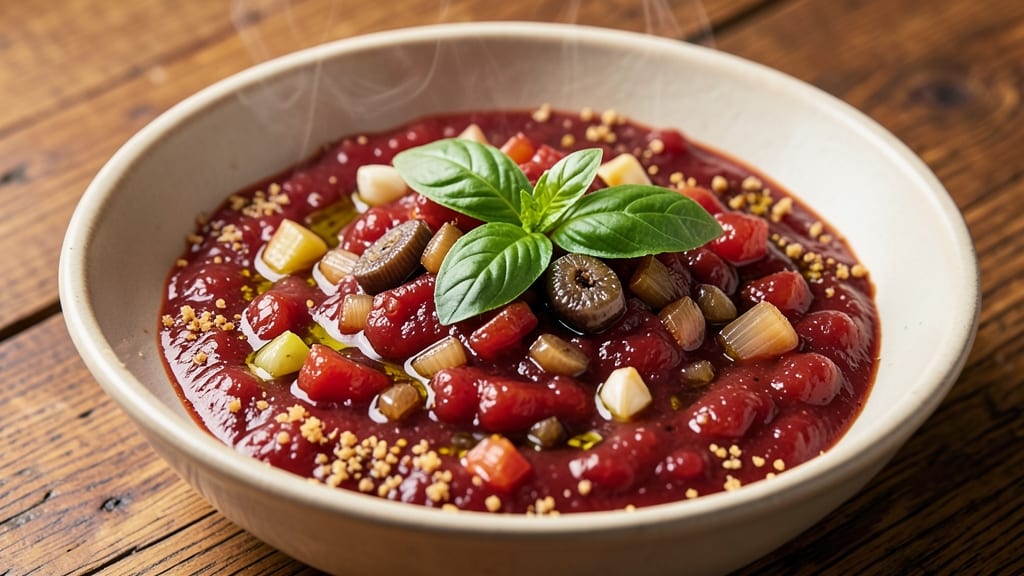
Alton Brown's tomato sauce recipe transforms simple ingredients into a rich, layered sauce with deep umami flavor and a bright basil finish. The secret lies in slow simmering to develop complex flavors while balancing sweetness, acidity, and salt—just like Alton's signature approach.
This isn't your basic canned sauce; it's a velvety, aromatic base that elevates any dish from pasta to pizza.
What sets this sauce apart is the technique: starting with a flavorful soffrito of onions, garlic, and celery, then building layers through slow reduction. The addition of a pinch of anchovies (don't worry, you won't taste them) adds that signature umami depth that professional chefs swear by.
As it simmers, the sauce thickens naturally, creating a perfect consistency without needing thickeners.
By the end, you'll have a sauce that's rich and velvety with just the right balance of sweetness from tomatoes and brightness from the basil. The key is patience—letting it develop flavors over time rather than rushing the process.
This is the kind of sauce that makes homemade meals taste like they came from a high-end restaurant.
The best part? You can adjust the texture to your preference—blend it smooth for a classic marinara or leave it chunky for rustic appeal. Use it as a base for your favorite Italian dishes or store it in the freezer for up to three months.
Let's get started on creating this versatile, restaurant-quality sauce.
Ingredients for alton brown tomato sauce
Nine simple ingredients, one restaurant-quality sauce. No thickeners, just pure umami magic.
| Ingredient | Amount | Notes |
|---|---|---|
| Extra-Virgin Olive Oil 🫒 | ½ cup | High-quality, fruity flavor preferred |
| Yellow Onion 🧅 | 1 whole | Diced into small pieces |
| Celery Stalks 🥬 | 2 whole | Diced finely, including leaves |
| Garlic Cloves 🧄 | 4 cloves | Minced finely for depth |
| Canned San Marzano Tomatoes 🍅 | 28 oz | Crushed by hand or blender |
| Anchovy Fillets 🐟 | 2 whole | Packed in oil, finely chopped |
| Dried Basil 🌿 | 1 tbsp | Or 0.25 cup fresh basil leaves |
| Salt 🧂 | 1 ½ tsp | Diamond Crystal preferred |
| Black Pepper 🌶️ | ½ tsp | Freshly ground for brightness |
| Granulated Sugar 🍬 | 1 tbsp | Balances acidity naturally |
The tomatoes make or break this sauce. San Marzano is the gold standard—sweet, meaty, and consistent—but any high-quality canned tomatoes work in a pinch. Look for ones without added salt or preservatives. The anchovies might seem weird, but trust me: you won't taste them, just the incredible depth they add. Trader Joe's and Whole Foods carry great options, but the store brand at Costco is surprisingly good too. For the olive oil, California brands like Corto or Bertolli add that fruity brightness that elevates everything.
No anchovies? Skip them entirely—the sauce will still be delicious, just with slightly less umami. Fresh basil is ideal, but dried works at one-third the amount if that's what you've got. The sugar might seem unnecessary, but it's key for balancing the acidity. Brown sugar works too if you're out of white. For the soffrito (onions, garlic, celery), don't skip the leaves—they add extra flavor. If you're short on time, pre-chopped frozen soffrito mixes from the freezer aisle are a lifesaver.
This sauce gets better with time—3-4 days in the fridge lets the flavors meld beautifully. For longer storage, freeze in ice cube trays for perfect single-use portions. Label everything with dates, as it keeps for 3 months in the freezer. The texture will change slightly when reheated, but that's normal. Just give it a quick stir with a splash of water or pasta water to restore the perfect consistency.
Why You'll Love This Recipe
- Minimal Chopping Required: I swear by this recipe because it only asks for one onion and two celery stalks—no fancy dicing, just rough chop. The San Marzano tomatoes handle the rest, so you’re stirring, not stressing.
- San Marzano Magic: That first taste of the sweet, meaty tomatoes simmered with olive oil and garlic? It’s the kind of flavor that makes you pause mid-spoonful. No shortcuts here—just pure, bright Italian goodness.
- Weeknight to Potluck Hero: Slap this sauce on pasta for a Tuesday, or bring it to a picnic in a jar—it’s that adaptable. The onions and celery add depth, so it never tastes flat, no matter the occasion.
- Budget-Friendly Pantry Staple: A can of tomatoes, a bulb of garlic, and a little olive oil? This is the kind of recipe that stretches your grocery budget without sacrificing taste. Honestly, I make it monthly just to keep my pantry from feeling bare.
Step-by-step instructions for Alton Brown's tomato sauce
This sauce builds rich umami flavor through slow simmering and careful balancing.
Sauté the Aromatic Base
Heat the 0.5 cup extra-virgin olive oil in a large, heavy-bottomed saucepan over medium heat. Add the 1 whole yellow onion and 2 whole celery stalks, both diced finely. Cook for 8-10 minutes, stirring occasionally, until the vegetables soften and turn golden. You'll see them release moisture and then slowly evaporate, leaving behind concentrated flavor.
Here's the thing—don't rush this step. The onions and celery should be tender and slightly caramelized before moving forward. If they stick, lower the heat slightly and let them cook more slowly. This foundational step creates the sauce's depth, so take your time.
Add Garlic and Anchovies
Push the cooked vegetables to one side of the pan, then add the 4 cloves minced garlic to the empty space. Cook for 30 seconds until fragrant but not browned—garlic burns quickly, and you want to preserve its sweetness. Stir well to distribute the garlic throughout the vegetables.
Next, add the 2 whole anchovy fillets, finely chopped. Let them dissolve completely into the oil, about 1-2 minutes. This might seem odd, but anchovies break down into a salty, umami-rich paste that forms the sauce's flavor backbone. Don't worry if it looks like it disappears—it's working its magic.
Incorporate Tomatoes and Seasonings
Pour in the 28 oz crushed San Marzano tomatoes, scraping up any browned bits from the bottom of the pan. Add the 1 tbsp granulated sugar, 1.5 tsp salt, and 0.5 tsp black pepper, then stir everything together. The sugar helps balance the acidity of the tomatoes while enhancing their natural sweetness.
Bring the sauce to a gentle simmer over medium-low heat. Here's where patience pays off—let it bubble softly for 30-40 minutes, stirring occasionally. You're looking for a sauce that thickens naturally as the liquid reduces. The longer it simmers, the more concentrated and flavorful it becomes.
Finish with Basil and Adjust Seasoning
After simmering, remove the pan from heat and stir in the 1 tbsp dried basil. Let the sauce rest for 5 minutes—this allows the flavors to meld completely. Taste and adjust seasoning if needed, adding a pinch more salt or a dash of pepper as necessary. The sauce should be rich, balanced, and full of umami depth.
For a fresher finish, you can stir in 0.25 cup fresh basil leaves at the end if you prefer. Serve immediately over pasta, with crusty bread, or use as a base for other dishes. The sauce will continue to improve as it cools, developing even more complexity over time.
Pro Tips For Making Alton Brown Tomato Sauce
- Sweat, Don’t Burn: The onion-celery-garlic combo should break down into a glossy, golden paste—not a charred mess. Keep the heat at medium-low and stir constantly (yes, even if you’re impatient like me), or you’ll end up with bitter, burnt bits that’ll ruin the sauce.
- Slice Celery Thin: Thin, even slices of celery cook faster and blend smoother than thick chunks. Quarter the stalks lengthwise, then slice into ⅛-inch pieces—this cuts down on cooking time and prevents that awkward, chewy texture in the finished sauce.
- Salt the Tomatoes: San Marzano tomatoes are low-sodium, but their flavor still needs a boost. Sprinkle ½ teaspoon of salt directly into the crushed tomatoes while they simmer—it brightens their natural sweetness and balances acidity without overpowering.
- Strain for Smoothness: Skip the food processor and strain the finished sauce through a fine-mesh sieve. This removes skins and seeds, giving you a velvety texture that’s perfect for pasta or dipping—no blender required, and it takes less than a minute.
Troubleshooting this recipe
Sauce Too Thin?
If your sauce isn't thickening enough during simmering, try these tricks: First, reduce heat to low and let it cook uncovered for an extra 15-20 minutes—this evaporates more liquid. For faster results, mash 1-2 ripe bananas into the sauce (they add natural sweetness and thicken beautifully).
I've also had success using a silicone spatula to scrape up any stuck bits from the pan bottom—they're packed with flavor and help concentrate the sauce. 🌡️
Bitter or Sour Taste?
A bitter or overly acidic sauce usually means your tomatoes need balancing. Add ½ tsp sugar or 1 tsp honey to sweeten, or a pinch of baking soda (just a tiny amount!) to neutralize acidity.
If it's still too sharp, try simmering with a bay leaf for 10 extra minutes—it adds subtle earthiness that rounds out flavors. I always keep a small bowl of sugar nearby when making sauce, just in case.
Anchovies Too Noticeable?
If the anchovy flavor is too strong, you likely didn't cook them long enough to dissolve. Next time, simmer the sauce for 5 extra minutes after adding them—they'll break down completely. For a milder umami boost, try 1 tsp fish sauce instead (it's a great substitute).
Another trick: strain the sauce through a fine-mesh sieve after simmering to remove any remaining anchovy bits. The sauce will still have depth without the fishy aftertaste. 🐟
Grainy Texture?
Graininess happens when tomatoes aren't crushed finely enough. Before simmering, blend the crushed tomatoes with an immersion blender for 10 seconds—this creates a smoother base. If you prefer texture, just pulse briefly (2-3 seconds) instead of blending fully.
For a rustic look, leave chunks as-is but simmer slightly longer (45-50 minutes) to break down fibers naturally. I often use a wooden spoon to mash any large pieces while cooking.
Flat or Bland Flavor?
Bland sauce usually means under-seasoning or insufficient development. First, simmer uncovered for 5-10 extra minutes to concentrate flavors. Then, boost umami with 1 tsp soy sauce or ½ tsp MSG (just a pinch!).
For depth, add 1 tsp tomato paste and cook for 5 more minutes—it intensifies the tomato flavor beautifully. I also keep a small bowl of red pepper flakes nearby to add a subtle heat if needed. 🌶️
Stuck to the Pan?
Burnt bits at the bottom mean your heat was too high. Next time, use a heavy-bottomed Dutch oven (like All-Clad) and keep heat at medium-low throughout. If it happens, add 2 tbsp water or pasta water, scrape up the bits, then simmer for 5 minutes to dissolve them.
For prevention, deglaze with a splash of white wine (2 tbsp) after the garlic stage—it lifts flavors and prevents sticking. I swear by Lodge cast iron for this recipe! 🔥
Nutrition facts
Frequently asked questions about Alton Brown's tomato sauce
Can I make this sauce without anchovies?
The anchovies add incredible umami depth, but you can absolutely skip them! For a similar flavor, try 1 tsp fish sauce or ½ tsp MSG when adding the tomatoes. If you prefer no umami boosters, just reduce the salt slightly (1 tsp instead of 1.5 tsp) since anchovies contribute significant saltiness. The sauce will still be delicious—just with a slightly milder profile.
How long can I store homemade tomato sauce?
This sauce keeps beautifully in the refrigerator for 5-7 days in an airtight container. For longer storage, freeze it in ice cube trays (perfect for single portions) or airtight containers for up to 3 months. Thaw overnight in the fridge before reheating—never microwave directly from frozen. The texture may change slightly when reheated, but a quick stir with a splash of water or pasta water restores it.
What's the best way to use up extra sauce?
This versatile sauce works for so much more than pasta! Use it as a pizza sauce base, lasagna filling, or braising liquid for meats. Freeze extras in 1-cup portions for quick meals. Another great idea: blend with 1 cup Greek yogurt for a creamy dip, or mix with cooked lentils for a hearty soup. The sauce's depth makes it perfect for any Italian-inspired dish where you'd normally use marinara.
Why does my sauce look thin after simmering?
Tomato sauce thickens as water evaporates during simmering. If yours is too thin, simmer uncovered for 15-20 extra minutes on low heat. For quicker results, mash 1 ripe banana into the sauce (it adds natural sweetness too) or stir in 1 tbsp cornstarch mixed with 2 tbsp water. Remember: Alton Brown's method relies on natural reduction, so patience is key—don't rush the process or use thickeners unless absolutely necessary.
Can I make this sauce in a slow cooker?
Follow the same steps but transfer everything to a 6-quart slow cooker after adding the tomatoes. Cook on low for 4-5 hours, stirring occasionally. The slow cooker's gentle heat creates the same depth of flavor without watching the pot. For extra richness, finish with fresh basil at the end. Just be sure to stir frequently to prevent sticking—this sauce benefits from attention during cooking.