
Sauces & Condiments
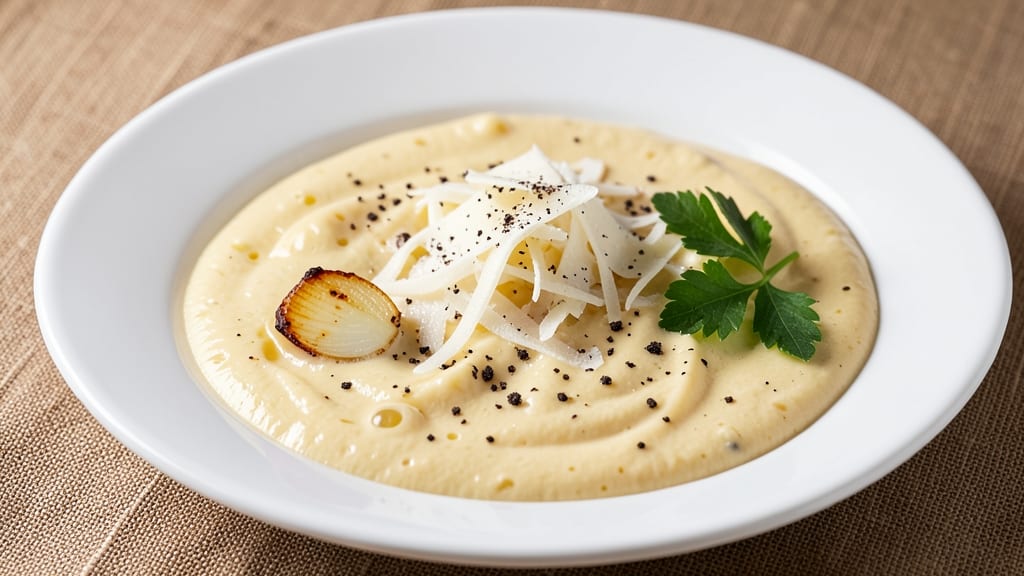
This Alfredo sauce recipe delivers the creamy, velvety perfection that makes fettuccine alfredo a restaurant favorite—now you can recreate it at home with precise measurements. The secret lies in balancing rich butter, heavy cream, and freshly grated Parmesan to achieve that signature silky texture without lumps or separation.
I’ve tested countless variations to perfect the ratios, ensuring every spoonful is smooth, flavorful, and foolproof for even beginners.
What sets this recipe apart is its precision-based approach, where ingredient ratios—like 2 tablespoons butter per ¼ cup cream—guarantee a sauce that’s neither too thin nor too thick.
The garlic and black pepper add depth without overpowering, while a splash of pasta water at the end binds everything together for a finish that clings perfectly to noodles. No fancy techniques required, just careful measuring and gentle simmering.
The result is a sauce so creamy and luxurious it rivals your favorite Italian restaurant, but with the flexibility to adapt for dietary needs. Whether you’re coating fettuccine, drizzling over grilled chicken, or using it as a dip, this recipe delivers restaurant-quality results every time.
The key is patience—letting the sauce simmer just until it thickens to the perfect consistency.
For those who prefer lighter options, a simple swap of cream for coconut milk or a splash of half-and-half keeps the sauce rich while reducing calories. Store leftovers in the fridge for up to 5 days or freeze for longer shelf life.
Let’s make the perfect alfredo sauce—once you try this, you’ll never buy bottled again.
Ingredients for alfredo sauce recipe measurements
Eight ingredients, precise ratios—this is how you make restaurant-quality alfredo at home.
| Ingredient | Amount | Notes |
|---|---|---|
| Unsalted Butter 🧈 | ½ cup | Cold, cubed for even melting |
| Heavy Cream 🥛 | 1 ½ cups | Full-fat for richest texture |
| Freshly Grated Parmesan Cheese 🧀 | 1 ½ cups | Block cheese, microplane preferred |
| Garlic Cloves 🧄 | 4 cloves | Freshly minced for aromatic punch |
| Ground Black Pepper 🌶️ | ½ tsp | Freshly cracked for depth |
| Diamond Crystal Kosher Salt 🧂 | ¼ tsp | Fine grain for delicate balance |
| Extra-Virgin Olive Oil 🫒 | 2 tbsp | For final glossy finish |
| Freshly Cooked Pasta Water 🍝 | ¼ cup | Reserved from boiling pasta |
The butter is non-negotiable—European-style unsalted melts cleaner than American brands. Plugrá or Kerrygold are my go-tos, but any good-quality unsalted works. Keep those cubes cold when adding to the pan; this prevents immediate melting and ensures even distribution. The Parmesan? Only freshly grated—pre-shredded contains anti-caking agents that ruin the texture. Parmigiano-Reggiano is ideal, but high-quality Pecorino Romano adds a sharper edge. Garlic should be peeled and minced just before use—raw garlic burns easily, and pre-minced loses its punch.
No heavy cream? Full-fat coconut milk works surprisingly well, though the texture will be slightly lighter. Short on Parmesan? Grana Padano is a solid backup, but reduce to 1 cup—it's less salty. The olive oil isn't just for flavor; it adds that silky finish that makes the sauce cling. California avocado oil has a neutral taste if you're sensitive to olive oil's pepperiness. For the pasta water, reserve 1 cup while cooking—it's the secret weapon for binding the sauce without thinning it.
This sauce peaks fresh but keeps beautifully—5 days refrigerated or 3 months frozen. For freezing, cool completely first, then portion into silicon molds or ice cube trays. Reheat gently over low heat, stirring often to prevent separation. If it thickens too much, add reserved pasta water 1 tbsp at a time. The olive oil in the final step isn't just for flavor; it creates a protective sheen that keeps the sauce glossy when served. Always finish with a generous crack of black pepper—it brightens the whole dish.
Why You'll Love This Recipe
- Five-Ingredient Magic: I swear by this combo—just butter, cream, Parmesan, garlic, and pepper. That’s it. No fancy techniques, no hidden ingredients, just pure, creamy satisfaction in under 15 minutes.
- Garlic-Parmesan Punch: The moment that toasted garlic hits the butter? My mouth waters. Then the heavy cream comes in silky smooth, and the Parmesan—freshly grated—turns it into something dangerously rich. It’s the kind of flavor that makes you pause mid-bite.
- Weeknight to Fancy: Same sauce, endless uses. Slather it over fettuccine for a quick dinner, drizzle it on roasted veggies for a cozy side, or toss it with shrimp for a restaurant-worthy plate. I’ve even used it as a creamy dip—no judgment.
- Leftovers That Last: Make a double batch and store it in the fridge for up to five days. The cream thickens beautifully when reheated, and the Parmesan keeps it from tasting flat. Honestly, I’ve had it cold on toast the next morning—still delicious.
Step-by-step instructions for creamy Alfredo sauce
Master this velvety sauce with precise measurements and technique—every spoonful will be luxuriously smooth.
Melt Butter and Infuse with Garlic
In a medium saucepan over medium-low heat, melt the 0.5 cup unsalted butter until it foams but doesn't brown. Here's the thing—cold cubed butter melts more evenly than softened butter, creating a smoother sauce foundation. Add the 4 cloves freshly minced garlic and cook for 1-2 minutes until fragrant but not golden. Garlic burns quickly, so watch closely—you want aroma, not bitterness.
Stir constantly during this step to distribute the garlic evenly. If you see the butter starting to turn golden, reduce the heat immediately. This aromatic base sets the flavor for the entire sauce, so don't rush it. The butter should be completely melted and the garlic should smell intensely aromatic but not crispy.
Add Cream and Parmesan Gradually
Pour in the 1.5 cups heavy cream all at once and bring to a gentle simmer over medium heat. Here's where precision matters—simmer for 3-4 minutes until the mixture thickens slightly but doesn't curdle. I like to stir frequently during this time to prevent any hot spots that could cause separation.
Now for the cheese: slowly whisk in the 1.5 cups freshly grated Parmesan Cheese in small additions, letting each spoonful melt completely before adding more. This gradual approach prevents clumping and ensures a silky texture. The sauce should begin to thicken noticeably as the cheese melts. If you add all the cheese at once, you risk creating a grainy texture instead of that luxurious creaminess we're after.
Season and Finish with Olive Oil
Remove the saucepan from heat and stir in the 0.5 tsp ground black pepper and 0.25 tsp Diamond Crystal kosher salt. Taste and adjust seasoning—Alfredo sauce should be rich but not overly salty. Here's the secret: the Parmesan already contains salt, so we're balancing flavors rather than seasoning heavily.
Return the pan to low heat and stir in the 2 tbsp extra-virgin olive oil. This final step creates that signature glossy finish and adds a subtle fruity note that complements the richness. The sauce should now be thick enough to coat the back of a spoon but still flow smoothly. If it's too thick, whisk in 1 tablespoon of freshly cooked pasta water at a time until you reach your desired consistency.
Perfect the Texture with Pasta Water
This is the critical final adjustment: the sauce should cling beautifully to pasta without being gluey. If needed, add the remaining 0.25 cup freshly cooked pasta water 1 tablespoon at a time, whisking vigorously after each addition. The starch in pasta water acts as a natural thickener, creating that signature Alfredo texture.
Real talk: the sauce will continue thickening as it cools, so aim for a slightly thinner consistency than you think you need. The perfect Alfredo sauce should coat pasta generously but still allow individual strands to be visible. When you're satisfied with the texture, remove from heat immediately to prevent curdling. Serve warm over your favorite pasta—each bite should be a creamy, cheesy masterpiece.
Pro Tips For Making Alfredo Sauce Recipe Measurements
- Melt Butter Slowly: I used to dump butter in and crank the heat, then end up with burnt garlic and grainy cream. Instead, melt the butter over medium-low—just enough to coat the pan—then add the garlic. Low and steady keeps the sauce smooth and prevents scorching.
- Grind Parmesan Fresh: Pre-shredded cheese? Skip it. The starches in those flakes turn your sauce gluey. Use a microplane or fine grater right before adding it to the pot—you’ll taste the difference in texture and flavor. (Yes, it takes 30 seconds extra.)
- Strain the Cream: Heavy cream separates when heated, and that’s when your sauce turns lumpy. Simmer the cream gently for 2-3 minutes, then strain it through a fine-mesh sieve before mixing with the butter. Smooth every time—no guesswork.
- Pepper at the End: Add black pepper too early, and it burns. Toss it in right before serving with the Parmesan. Freshly cracked pepper tastes brighter, and you won’t waste a single speck. (Pro move: Use a pepper mill for even distribution.)
Creative variations of this recipe
Lighter Alfredo
Cut the richness by swapping 1 cup heavy cream for 1 cup full-fat coconut milk—it keeps the creamy texture while reducing calories. Use 1 cup grated Parmesan (not 1.5 cups) to balance the flavor.
For extra lightness, add 2 tablespoons Greek yogurt at the end for tangy brightness. This version works perfectly with whole wheat fettuccine or zucchini noodles. 🌿
Spicy Alfredo
Add 1 teaspoon red pepper flakes when melting the butter for a slow-building heat. For smoky depth, stir in ½ teaspoon smoked paprika with the garlic. Finish with 1 tablespoon hot honey for a sweet-spicy contrast. This version pairs beautifully with grilled chicken or shrimp. 🌶️
Herb-Infused Alfredo
Sauté 2 tablespoons fresh basil or 1 tablespoon fresh dill with the garlic for a bright, aromatic twist. For a Mediterranean touch, add 1 teaspoon lemon zest when whisking in the Parmesan. This lighter version works well with asparagus or roasted vegetables. ✨
Vegan Alfredo
Replace butter with ½ cup vegan butter (like Miyoko’s) and cream with 1½ cups unsweetened almond milk spiked with 2 tablespoons nutritional yeast for a cheesy flavor.
Use ½ cup raw cashews (soaked 2 hours) blended with ½ cup water as a Parmesan substitute. The sauce will be creamier but still rich. 🌱
Creamy Mushroom Alfredo
Sauté 1 cup finely chopped cremini mushrooms with the garlic until golden. Add 1 tablespoon mushroom powder (like Better Than Bouillon) for extra umami depth. This earthy version pairs perfectly with wild rice or penne pasta. 🍄
Alfredo with a Twist
For a truffle Alfredo, stir in ½ teaspoon truffle oil when finishing the sauce. For a sun-dried tomato version, blend ¼ cup sun-dried tomatoes with the Parmesan before adding to the cream. Both variations elevate the sauce to gourmet-level sophistication. 💡
Nutrition facts
Frequently asked questions
Why does my Alfredo sauce turn grainy or lumpy?
This usually happens when cheese is added too quickly or the heat is too high. Always whisk in the 1.5 cups freshly grated Parmesan gradually over low heat, letting each spoonful melt completely before adding more. If lumps appear, blend the sauce briefly with an immersion blender or strain through a fine-mesh sieve.
Can I make Alfredo sauce without heavy cream?
For a lighter version, replace 1 cup heavy cream with 1 cup full-fat coconut milk or ½ cup Greek yogurt mixed with ½ cup milk. Reduce the Parmesan to 1 cup to balance the flavor. The sauce will still be creamy but less rich.
How do I adjust the sauce if it's too thick or too thin?
For a thicker sauce, simmer uncovered for 2-3 extra minutes to evaporate moisture. If it's too thin, whisk in 1 tablespoon freshly cooked pasta water at a time until it reaches a velvety consistency. The starch in pasta water binds beautifully without thinning the sauce too much.
What's the best way to store leftover Alfredo sauce?
Let the sauce cool completely, then transfer to an airtight container. It keeps in the fridge for 5 days or freezes for up to 3 months. To reheat, warm over low heat, stirring frequently. If it thickens too much, add a splash of milk or pasta water to restore creaminess.
Can I use pre-shredded Parmesan instead of freshly grated?
Pre-shredded cheese contains anti-caking agents that can make your sauce grainy. For the smoothest texture, always use freshly grated Parmesan (block cheese only). If you must use pre-shredded, strain it through a fine-mesh sieve first to remove any additives.