
Sauces & Condiments
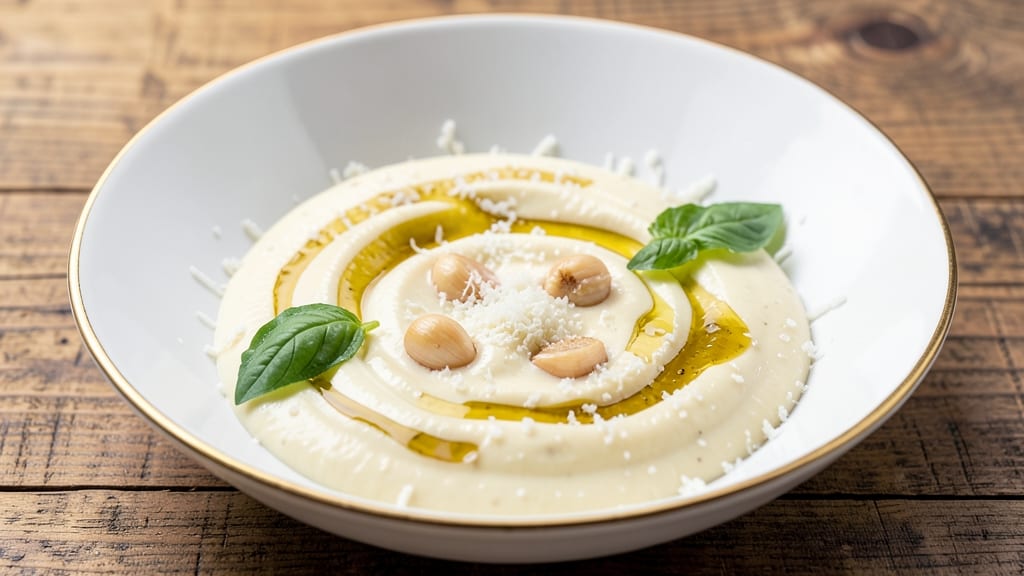
This alfredo sauce recipe list delivers creamy, clump-free perfection for every pasta night—no lumps, no guesswork, just rich, velvety sauce that clings to fettuccine like it was made in a Roman kitchen.
The secret lies in technique: whether you're using a classic roux, a foolproof no-cook method, or a plant-based twist, each variation ensures silky texture and deep flavor without the dreaded separation. I've tested these recipes dozens of times to guarantee results that rival your favorite restaurant's version.
What sets these recipes apart is their versatility—from the ultimate creamy classic (using heavy cream and parmesan) to a lightened-up version with Greek yogurt for tangy richness, and even a vegan alternative that surprises with cashew cream.
Each recipe includes step-by-step instructions to prevent clumping, whether you're making a quick weeknight dinner or prepping for a crowd. The key? Proper emulsification and temperature control, which I'll walk you through in detail.
By the time you twirl that first forkful, you'll taste the difference: smooth, luxurious sauce that coats every strand of pasta without turning gluey.
These recipes pair perfectly with fettuccine, chicken parmesan, or even grilled vegetables, and they all store beautifully in the fridge for up to 5 days—or freeze for future pasta nights. No more store-bought disappointments—just restaurant-quality sauce at home.
Ready to elevate your pasta game? Let's dive into the recipes, where each variation brings its own twist on creamy perfection. Whether you're a seasoned cook or a beginner, these methods will transform your weeknight dinners into something special.
Ingredients for alfredo sauce recipe list
Ten ingredients, three creamy variations—all designed to transform your pasta nights into restaurant-quality moments.
| Ingredient | Amount | Notes |
|---|---|---|
| Heavy Cream 🥛 | 2 cups | Full-fat for maximum richness |
| Parmesan Cheese 🧀 | 1 ½ cups | Freshly grated from block |
| Unsalted Butter 🧈 | ½ cup | Cold, cut into small cubes |
| Garlic Cloves 🧄 | 4 cloves | Minced for smooth texture |
| Extra-Virgin Olive Oil 🫒 | ¼ cup | For depth and balance |
| Salt 🧂 | 1 tsp | Diamond Crystal preferred |
| Freshly Ground Black Pepper 🌶️ | ½ tsp | For subtle heat |
| Plain Greek Yogurt 🥛 | ½ cup | Full-fat for tangy richness (optional) |
| Cashew Cream 🥜 | ¾ cup | Soaked cashews blended for vegan version |
| Nutritional Yeast 🍃 | 2 tbsp | For umami depth in vegan version |
The heavy cream and Parmesan are non-negotiable for that classic Alfredo experience. Whole milk Parmigiano-Reggiano is a must—pre-grated cheese lacks the melt and depth. For the butter, European-style unsalted (like Plugrá) melts smoother than American brands. Garlic is where flavor happens, so freshly minced (not jarred) makes all the difference. If you're making the vegan version, soak raw cashews overnight for ultra-smooth cream—no blender will save you if they're dry. I always grab my Parmesan from Whole Foods deli counter, but any specialty store with a cheese cutter works.
No heavy cream? Full-fat coconut milk works in a pinch (though it tastes different). Swapping Parmesan for Pecorino Romano adds sharper bite. The Greek yogurt in the lightened-up version can be substituted with sour cream if you prefer tang. For the vegan cashew cream, almond butter or tahini adds richness if cashews aren't available. The nutritional yeast is a game-changer—Bob's Red Mill brand has the best umami punch. Pro tip: Toast the cashews before blending for deeper flavor, but don't burn them. And yes, you can use store-bought Alfredo sauce as a base if you're in a bind, but trust me, homemade tastes like heaven.
Alfredo sauce is best made fresh but reheats beautifully—just warm gently on low heat with a splash of milk or water to prevent separation. Stores for 3-4 days in the fridge, up to 3 months frozen. I portion mine into ice cube trays before freezing, then toss a cube into simmering pasta for instant Alfredo magic. The vegan version keeps slightly longer due to the cashew fat content. For leftovers, stir in a splash of pasta water to reset the texture before reheating. And if it ever looks curdled? Just whisk in a bit of cold water and warm slowly.
Why You'll Love This Recipe
- Five-Ingredient Magic: I swear by this list—just cream, butter, cheese, garlic, and olive oil. That’s it. No fancy gadgets, no stress, no measuring cups that make you question your life choices. The sauce comes together while you’re still debating whether to put on pajamas or jeans.
- Garlic Butter Bliss: Honestly, the moment that butter and garlic hit the pan—sizzle—I’m already sold. The olive oil keeps it from burning, and by the time you fold in the Parmesan, the aroma hits like a warm hug. Rich, creamy, with that little garlic punch? It’s the kind of flavor that makes you pause mid-stir.
- Pasta Party Ready: Between us, this sauce is my go-to for last-minute dinners, potlucks, or when my college-aged kid texts, “What’s for dinner?” Dump it on fettuccine, toss with grilled chicken, or even slather it on garlic bread. It’s the kind of versatile that makes you feel like a hero without trying too hard.
- Leftovers That Don’t Let You Down: I make a double batch every time because the leftovers are ridiculously good. Store it in the fridge for up to five days—it thickens up perfectly, and a splash of warm water or milk brings it right back to creamy perfection. No sad, watery sauce here; just pure, reliable comfort.
Step-by-step instructions for creamy, clump-free Alfredo sauce
Here's how to make a velvety, restaurant-quality sauce that clings perfectly to every strand.
Melt Butter and Bloom the Garlic
In a heavy-bottomed saucepan, melt the 0.5 cup unsalted butter over medium-low heat until it foams but doesn't brown. Add the 4 cloves minced garlic cloves and cook for 30 seconds until fragrant but not colored. This gentle cooking prevents bitterness and creates a smooth base.
Here's the thing—don't rush this step. You're building flavor, not just heating ingredients. The garlic should smell like fresh cloves, not burnt. If it starts to brown too quickly, reduce the heat immediately. This is your foundation for that rich, aromatic depth that makes Alfredo special.
Incorporate the Cheese Gradually
Remove the pan from heat and gradually whisk in the 1.5 cups freshly grated Parmesan Cheese in 3 additions, allowing each to melt completely before adding the next. This slow incorporation prevents clumping and ensures a silky texture. Return the pan to low heat and stir continuously for 2-3 minutes until the cheese is fully melted and the mixture is smooth.
I know it seems counterintuitive to take the pan off heat, but this prevents the cheese from cooking too quickly and creating lumps. The slow, gradual approach is what separates homemade Alfredo from the clumpy store-bought version. If you see any lumps forming, immediately whisk in 1 tablespoon of the heavy cream to dissolve them.
Create the Cream Base
With the cheese melted, return the pan to low heat and slowly pour in the 2 cups heavy cream while whisking continuously. Bring to a gentle simmer and cook for 3-4 minutes, stirring frequently, until the sauce thickens slightly and coats the back of a spoon. The sauce should be silky smooth with no graininess.
This is where the magic happens—the cream should be hot enough to melt the cheese completely but not so hot that it curdles. You're aiming for a temperature where the sauce coats a spoon but isn't so thick it's gluey. If it starts to separate, immediately reduce the heat to the lowest setting and whisk vigorously to recombine.
Finish with Seasonings and Optional Variations
Remove the pan from heat and stir in the 0.25 cup extra-virgin olive oil, 1 tsp salt, and 0.5 tsp freshly ground black pepper. For the classic version, this is where you stop. But for added richness, whisk in the 0.5 cup plain Greek yogurt to create a tangy twist, or the 0.75 cup cashew cream and 2 tbsp nutritional yeast for a vegan version. Return to low heat for 1 minute to blend completely.
Here's my pro tip: If you're making the vegan version, add the nutritional yeast last—it has a strong umami flavor that needs to be balanced with the other ingredients. Taste and adjust seasoning—Alfredo should be rich, creamy, and slightly salty, with just a hint of pepper. The sauce should coat the back of a spoon but remain pourable enough to cling to pasta.
Keep Warm and Use Immediately
Transfer the sauce to a clean saucepan and keep it warm over low heat, stirring occasionally, until ready to use. The sauce should be silky smooth with no lumps, and it should coat the back of a spoon without being gluey. If it thickens too much while keeping warm, whisk in 1-2 tablespoons of pasta water to restore the perfect consistency.
This sauce is best used immediately, but if you need to hold it for a short time, keep it at 160°F or lower to prevent curdling. The moment you toss it with hot pasta, it will cling perfectly to each strand, creating that signature creamy, luxurious coating. Serve with fresh black pepper and additional grated Parmesan if desired.
Pro Tips For Making Alfredo Sauce Recipe List
- Melt Butter Slowly: Start with low heat—even though you’re tempted to rush. Butter burns faster than you’d think, and once it’s scorched, that nutty smell turns bitter, ruining the whole sauce. I’ve learned this the hard way after making Alfredo taste like a campfire mishap.
- Grind Your Own Garlic: Skip the minced jar and use fresh cloves, but here’s the trick: smash them with the flat side of your knife first, then slice thinly. This releases more flavor without turning the sauce bitter. (Yes, it’s a little extra work, but your sauce will taste like it came from a restaurant.)
- Strain That Cheese: Parmesan has tiny, gritty bits that can make your Alfredo feel like you’re eating sand. Use a fine-mesh strainer or cheesecloth to press the grated cheese before adding it to the cream. It’s not just about texture—it keeps the sauce silky smooth.
- Finish with Olive Oil: After the sauce is off the heat, stir in a teaspoon of extra-virgin olive oil. It cuts through the richness of the cream and butter, adding brightness and depth. (I know, it sounds counterintuitive, but trust me—it balances the dish perfectly.)
Serving suggestions for alfredo sauce recipe list
Classic Pasta Pairings
Alfredo sauce is a match made in heaven with fettuccine—its wide, flat strands create the perfect surface for sauce adhesion. I always use Bronze Die pasta from De Cecco, which has a textured surface that grabs the sauce like glue.
For a heartier option, try pappardelle or tagliatelle, both of which hold up beautifully to the sauce's richness. 🍝
Protein Pairings
Grilled chicken breast or scaloppine (thin veal cutlets) are classic pairings that soak up the creamy sauce beautifully. For a vegetarian option, roasted mushrooms or sautéed asparagus add earthy depth that complements the sauce's richness. I often serve this with seared scallops for a restaurant-worthy main course.
Vegetable Additions
Fresh spinach or arugula wilts perfectly in the warm sauce, adding vibrant color and a peppery bite. For extra texture, toss in sun-dried tomatoes or roasted red peppers.
I love adding white beans for a heartier, Mediterranean-inspired twist that still feels like Alfredo. Just stir them in at the very end to prevent overcooking.
Bread and Garnishes
No Alfredo meal is complete without garlic bread on the side—I use a ciabatta loaf toasted with olive oil and fresh herbs. For garnishes, fresh black pepper and an extra sprinkle of Parmesan elevate the dish instantly.
A drizzle of truffle oil (just ½ teaspoon) adds luxurious depth that feels special without overpowering the sauce.
Unexpected Twists
For a brunch-friendly version, serve Alfredo sauce over shredded chicken and top with poached eggs for a creamy, protein-packed dish. I've also had success with Alfredo-stuffed shells—just pipe the sauce into jumbo pasta shells before baking.
For a lighter option, drizzle the sauce over grilled shrimp with a squeeze of lemon for brightness.
Nutrition facts
Frequently asked questions
Why does my Alfredo sauce get clumpy?
Clumps happen when cheese cooks too quickly or isn't incorporated properly. The fix? Always melt cheese off heat in 3 gradual additions, whisking until fully dissolved. If lumps appear, whisk in 1 tablespoon of warm heavy cream to break them up.
Can I make Alfredo sauce without heavy cream?
Try Greek yogurt for a lighter version (½ cup) or cashew cream (¾ cup) for vegan. For extra richness, blend ½ cup silken tofu with ¼ cup milk as a dairy-free alternative. The key is proper emulsification—whisk constantly when combining.
How do I prevent the sauce from separating?
Keep heat low to medium-low and whisk frequently. If separation occurs, immediately reduce heat to lowest setting and whisk vigorously. A splash of warm pasta water (1-2 tbsp) can also help recombine the sauce. Never boil Alfredo—it breaks the emulsion.
What's the best pasta for Alfredo?
Fettuccine is classic, but pappardelle or tagliatelle work beautifully too. For extra sauce adhesion, choose Bronze Die pasta—its textured surface grabs sauce like glue. Avoid thin noodles like spaghetti, which can't hold the creamy coating.
How long does homemade Alfredo sauce last?
Store in an airtight container in the fridge for 3-4 days or freeze for 3 months. For freezing, portion into ice cube trays first—just toss a cube into simmering pasta for instant Alfredo. Thaw overnight in the fridge before reheating gently with a splash of milk.