
Sauces & Condiments
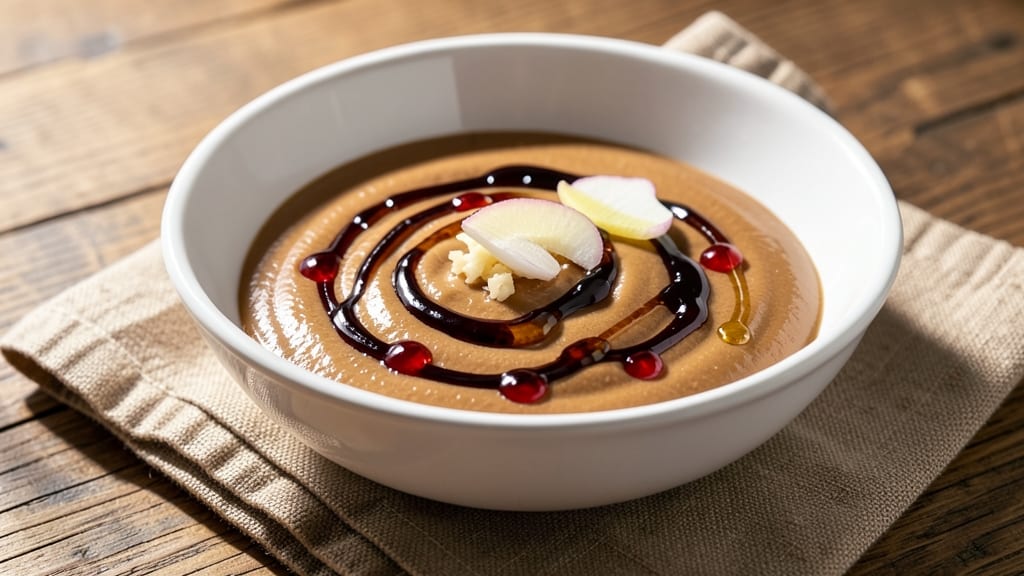
Annie Chun's peanut sauce recipe delivers that signature creamy, nutty flavor without the clumps or artificial ingredients. The secret lies in blending smooth peanut butter with warm spices and a touch of sweetness, creating a sauce that's perfect for stir-fries, dipping, or drizzling.
This version stays smooth and lump-free, just like the takeout favorite you love.
The magic happens when you whisk together peanut butter, soy sauce, and a splash of vinegar to balance the richness. A hint of garlic and ginger adds depth, while honey or brown sugar rounds out the flavor.
The sauce thickens as it cools, making it ideal for tossing with noodles or marinating proteins.
What you'll end up with is a velvety, aromatic sauce that's rich yet balanced—creamy enough to coat every bite but not so heavy it overpowers your dish.
It keeps well in the fridge for up to two weeks, so you can make a big batch and enjoy it all week long.
Use it as a stir-fry sauce, dipping sauce for spring rolls, or even a marinade for grilled chicken. The possibilities are endless, and the flavor is always on point. Let's get started on recreating this restaurant-quality sauce at home.
Ingredients for annie chun's peanut sauce
Eight simple ingredients blend into velvety peanut sauce that tastes just like takeout.
| Ingredient | Amount | Notes |
|---|---|---|
| Smooth Peanut Butter 🥜 | ½ cup | Natural, no added sugar |
| Low-Sodium Soy Sauce 🍶 | ¼ cup | Or tamari for gluten-free |
| Rice Vinegar 🍶 | 2 tbsp | White or seasoned |
| Honey 🍯 | 2 tbsp | Or brown sugar dissolved |
| Garlic Cloves 🧄 | 2 cloves | Minced or finely chopped |
| Fresh Ginger 🌿 | 1 tbsp | Grated, peeled |
| Sesame Oil 🫒 | 1 tbsp | Toasted sesame preferred |
| Water 💧 | ¼ cup | Adjust for desired thickness |
| Red Pepper Flakes 🌶️ | ½ tsp | Adjust for heat preference |
| Salt 🧂 | ½ tsp | Kosher or sea salt |
Peanut butter is the star, so grab the natural, no-sugar-added kind from the bulk section at Whole Foods or Trader Joe's—it stays smoother and richer. The soy sauce? Low-sodium keeps it balanced, but don't stress if you only have regular. For ginger, freshly grated makes all the difference (the powdered stuff just doesn't cut it), but if you're in a pinch, a tiny pinch of ground ginger works. Sesame oil adds that signature aroma—toasted has more depth, but regular will do in a bind.
No rice vinegar? Apple cider vinegar or lime juice works in a pinch, though the flavor will be slightly different. Skip the honey? Brown sugar dissolved in warm water gives the same caramel notes. For heat, sriracha or chili garlic sauce can replace red pepper flakes if you're out. The sauce thickens as it cools, so if it's too thin, let it sit 10 minutes before adjusting with a splash more peanut butter. Pro tip: Toast the peanut butter in a dry pan for 2 minutes before mixing—it deepens the nutty flavor instantly.
This sauce keeps beautifully for two weeks in the fridge, sealed tight. For extra smoothness, whisk before using. Freezes for three months if you want to make a big batch. I always double the recipe—one jar for stir-fry, one for dipping. If it separates, just whisk it back to perfection. The flavor only gets better after sitting overnight, so make it ahead whenever possible.
Why You'll Love This Recipe
- Pantry Magic: I swear by this sauce because it’s all pantry staples—no specialty trips, no last-minute shopping. Just crack open the peanut butter, grab the soy sauce, and you’re halfway there. That honey and garlic combo? It’s the secret weapon I didn’t know I needed.
- Umami Bomb: The low-sodium soy sauce and peanut butter team up for a flavor that’s rich but not heavy—like a hug from your favorite takeout spot, but better. The rice vinegar cuts through the sweetness just enough to make it dangerously addictive.
- Dinner Party Hero: This sauce works on everything—drizzled over grilled chicken, tossed with noodles, or even slathered on sandwiches. I’ve used it for weeknight dinners and potlucks, and no one ever asks what’s in it. (Between us, that’s the real win.)
- Budget Win: A single jar of peanut butter and a bottle of soy sauce stretch for weeks of meals. I make a big batch, store it in the fridge, and it’s always there when I need a quick, satisfying flavor boost—no wasted ingredients, just pure savings.
Step-by-step instructions for annie Chun's peanut sauce
This sauce comes together faster than you'd think—smooth, rich, and perfect for dipping or tossing.
Warm the Peanut Butter and Soy Sauce
In a medium saucepan, combine the 0.5 cup smooth peanut butter and 0.25 cup low-sodium soy sauce. Place the saucepan over medium-low heat and stir constantly with a silicone spatula. You'll want to warm it just enough to melt the peanut butter—about 3-5 minutes. The mixture should look silky and fully incorporated, with no lumps remaining. If it starts to stick, add a splash of water to help it release from the pan.
Here's the thing—peanut butter can separate if heated too quickly. Keep the heat gentle and stir often. You're aiming for a smooth base that will later blend seamlessly with the other ingredients. If you see any oil separating, that's normal and will resolve when you add the liquids next.
Add Aromatics and Sweeteners
Once the peanut butter mixture is fully melted, reduce the heat to low and add the 2 cloves minced garlic, 1 tbsp grated fresh ginger, 2 tbsp honey, and 1 tbsp sesame oil. Stir everything together and let it simmer gently for 2-3 minutes. You'll notice the garlic and ginger will infuse their flavors into the sauce, making it smell rich and aromatic.
This is where the sauce starts to come together. The honey will help balance the saltiness of the soy sauce while adding a touch of sweetness. The sesame oil adds depth and a nutty aroma. Keep stirring occasionally to prevent the garlic from burning—it only takes a few seconds for it to go from fragrant to bitter. If the mixture starts to thicken too much, you can add 1 tablespoon of water to loosen it slightly.
Thin and Season to Perfection
Pour in the 2 tbsp rice vinegar and 0.25 cup water, then add the 0.5 tsp red pepper flakes and 0.5 tsp salt. Stir well to combine everything. Let the sauce simmer for another 2-3 minutes on low heat, stirring occasionally. This step ensures all the flavors meld together and the sauce reaches the right consistency—creamy but not gluey.
Taste the sauce as it simmers. You want a balance of sweet, salty, tangy, and a hint of heat. If it needs more sweetness, add a touch more honey. If it's too thick, add a little more water—1 tablespoon at a time—until it reaches a pourable but still rich consistency. The sauce should coat the back of a spoon smoothly without being watery.
Cool and Adjust
Remove the saucepan from heat and let the sauce cool for 5 minutes. This cooling step is crucial—it allows the flavors to settle and the texture to thicken slightly as it cools. Once cooled, give it one final taste and adjust the seasoning if needed. You might find it needs a bit more salt, a splash of vinegar for tang, or a pinch more red pepper flakes for heat.
For the creamiest results, I like to transfer the sauce to a blender or food processor and blend it for 10-15 seconds. This step ensures there are no lumps and the texture is ultra-smooth. If you prefer a slightly thicker sauce, you can simmer it for an additional 1-2 minutes on low heat after blending. Once you're happy with the texture and flavor, your sauce is ready to use or store in an airtight container in the fridge for up to 2 weeks.
Pro Tips For Making Annie Chun'S Peanut Sauce
- Whisk the Peanut Butter First: I learned this the hard way—dumping peanut butter into hot liquid makes it seize up like glue. Instead, mix the peanut butter with the honey and a splash of warm water first, then whisk into the sauce. This keeps it silky smooth, not clumpy.
- Toast the Garlic Lightly: Annie Chun’s recipe calls for raw garlic, but I’ve found toasting it first adds depth without overpowering. Sauté 2 minuted in oil until fragrant—just until golden, not brown. The flavor’s richer, and it blends better into the sauce.
- Balance the Vinegar Last: Rice vinegar’s acidity can cut the peanut butter’s richness if added too early. Stir it in at the very end, then taste and adjust. You’re aiming for tangy, not sour—think bright, not harsh.
- Thin with Warm Water: If the sauce turns too thick, resist the urge to add cold water. Use warm (not boiling) water, 1 tablespoon at a time, while whisking constantly. Cold water shocks the peanut butter into clumps, and you’ll regret it.
Creative variations of this recipe
Spicy Thai Twist
Add 1 tbsp fish sauce and 1 tsp palm sugar (or regular sugar) to the base recipe for a Thai-inspired kick. Boost the heat with 1 tsp sambal oelek or ½ tsp chili garlic sauce instead of red pepper flakes.
Finish with 1 tsp lime juice and ½ tsp toasted cumin for that signature Thai peanut sauce vibe. This version pairs perfectly with grilled shrimp skewers or pad Thai. 🌶️
Sweet and Tangy Glaze
Reduce the honey to 1 tbsp and add 1 tbsp hoisin sauce and 1 tsp rice vinegar for a glaze-like consistency. Thin with 1-2 tbsp water for drizzling over roasted chicken or pork.
The tangy-sweet balance makes this ideal for marinades or as a finishing sauce. I love using this on teriyaki-glazed salmon or grilled tofu. 🍯
Creamy Sesame Dressing
Skip the honey and soy sauce, but add ¼ cup tahini and 2 tbsp lime juice for a Middle Eastern-inspired twist. Thin with ¼ cup water and finish with 1 tsp ground cumin and ½ tsp smoked paprika.
This creamy dressing works wonders on falafel, grilled veggies, or as a dip for pita chips. The tahini adds a silky texture that’s addictive. 🥜
Smoky Chipotle Version
Replace the red pepper flakes with 1 tsp adobo sauce (from canned chipotles) and add ½ tsp smoked paprika. Use 1 tbsp molasses instead of honey for depth.
This smoky, slightly spicy sauce is perfect for tacos, grilled meats, or even as a marinade for ribs. The chipotle adds a slow-building heat that’s irresistible. 🔥
Lighter Coconut Peanut
Swap out half the peanut butter (¼ cup) for ¼ cup coconut milk (full-fat for creaminess) and add ½ tsp coconut aminos for a lighter, tropical twist. Reduce the honey to 1 tbsp and add ½ tsp grated lime zest.
This version is perfect for summer dishes like zucchini noodles or grilled chicken salads. The coconut milk keeps it rich without overpowering. 🥥
Extra-Thick Dipping Sauce
For a thicker, clump-free dipping sauce, add 2 tbsp cornstarch to the peanut butter before heating. Simmer the sauce longer (5-7 minutes) until it reaches a thick, spreadable consistency.
Add 1 tsp sriracha and 1 tsp toasted sesame seeds for texture. This version is ideal for spring rolls, dumplings, or even as a marinade for grilled chicken wings. 🍜
Nutrition facts
Frequently asked questions
Why does Annie Chun's peanut sauce taste so smooth and clump-free?
The secret lies in warming the peanut butter gently over medium-low heat while stirring constantly. This melts the fats evenly without breaking the emulsion that creates clumps. Adding a splash of water during cooking also helps maintain that silky texture. The sauce thickens as it cools, so patience is key—don't rush the process!
Can I make this peanut sauce without a blender?
While blending gives the smoothest texture, you can achieve great results by whisking vigorously after cooling. For extra creaminess, strain the sauce through a fine-mesh sieve after simmering. The key is to keep stirring while heating to prevent separation. Pro tip: Toast the peanut butter in a dry pan for 2 minutes first—this deepens the flavor and helps prevent clumping!
How do I adjust the thickness for different uses?
For stir-fries, aim for a medium-thick consistency—like heavy cream. For dipping, make it slightly thinner with 1-2 extra tablespoons of water. To thicken, simmer uncovered for 2-3 minutes on low heat. If it gets too thick, thin with water 1 tablespoon at a time. The sauce will naturally thicken more as it cools, so adjust before storing.
What's the best way to store leftover peanut sauce?
Transfer to an airtight container and refrigerate for up to 2 weeks. For longer storage, freeze in ice cube trays or small jars—thaw in the fridge overnight. Before using, whisk or blend briefly to restore smoothness. The flavor actually improves after sitting overnight! To prevent oil separation, press plastic wrap directly on the sauce surface before sealing.
Can I use this sauce as a marinade?
Yes! This sauce works beautifully as a marinade for chicken, tofu, or shrimp. For best results, marinate for 30-60 minutes (no longer, as the acidity in vinegar can start to "cook" the protein). Reserve 2-3 tablespoons for basting while grilling or stir-frying. The sauce's natural stickiness helps create a flavorful crust on meats. For extra tenderness, add 1 tsp cornstarch to the marinade.