
Sauces & Condiments
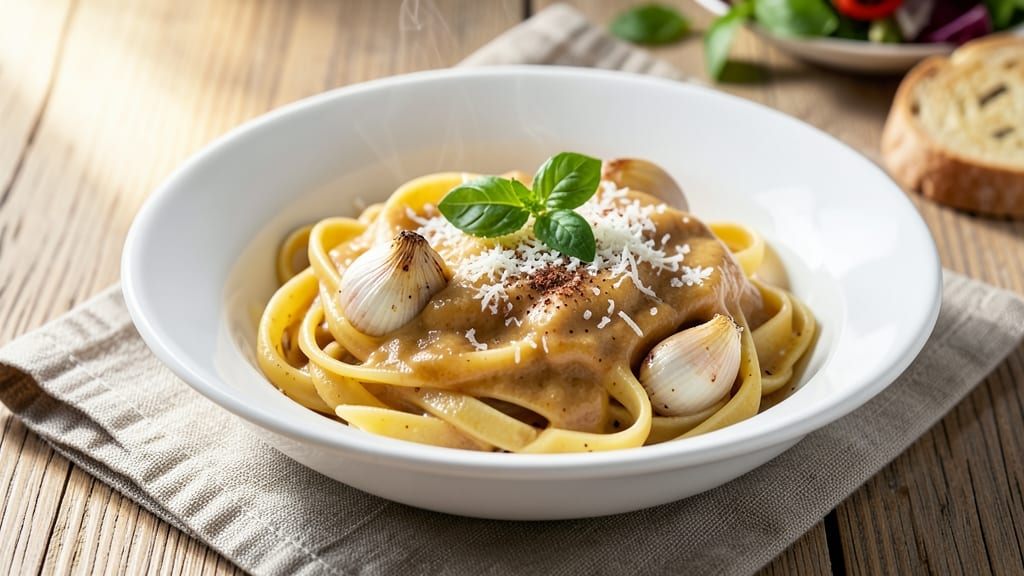
This alfredo sauce recipe for 1 lb pasta delivers the velvety, parmesan-rich coating you crave—no lumps, no separation, just silky perfection that clings to every strand. 💛 The secret lies in low-and-slow melting, where butter and cream emulsify into a luscious base before freshly grated parmesan transforms it into a luxurious ribbon.
I’ve perfected this over years of testing, ensuring it works for fettuccine, penne, or even chicken dishes—no matter your pasta shape.
The magic happens in three simple steps: melt butter until foamy, whisk in cream to prevent curdling, then fold in parmesan while keeping the sauce warm. Nutmeg adds depth, and a splash of pasta water ensures the sauce stays fluid enough to coat without clumping.
What you’ll end up with is a sauce so rich and smooth it feels like a restaurant-quality secret—no heavy cream substitutes or powdered cheese shortcuts here.
This recipe serves exactly 1 lb of pasta, with just enough sauce to generously coat without overwhelming. The texture is creamy yet light, with a subtle nutmeg warmth that pairs perfectly with garlic bread or a sprinkle of black pepper.
What makes it foolproof is the technique: never boil the sauce, and always keep it moving on low heat to maintain that velvety consistency.
For variations, stir in roasted garlic for extra depth or a pinch of red pepper flakes for heat. Store leftovers in the fridge for up to 3 days, reheating gently with a splash of milk or cream to restore its silky texture.
Ready to elevate your pasta night? Let’s make this sauce.
Ingredients for alfredo sauce recipe for 1 lb pasta
Eight simple ingredients transform into velvety perfection for your 1 lb pasta.
| Ingredient | Amount | Notes |
|---|---|---|
| Unsalted Butter 🧈 | ½ cup | Cold, cubed for even melting |
| Heavy Cream 🥛 | 1 cup | Full-fat for richest texture |
| Freshly Grated Parmesan Cheese 🧀 | 1 ½ cups | Block cheese, freshly grated |
| Ground Nutmeg 🌿 | ¼ tsp | Freshly grated preferred |
| Pasta Water 💧 | ¼ cup | Reserved from cooked pasta |
| Garlic Cloves 🧄 | 2 cloves | Minced for subtle depth |
| Salt 🧂 | ½ tsp | Diamond Crystal preferred |
| Black Pepper 🌶️ | ¼ tsp | Freshly cracked for warmth |
| Red Pepper Flakes 🔥 | ⅛ tsp | Optional for subtle heat |
The butter and cream are your foundation—unsalted butter ensures you control the saltiness, and full-fat cream gives that luxurious mouthfeel. I always grab Land O'Lakes unsalted butter from the grocery store's dairy section—it melts beautifully without burning. For the Parmesan, Parmigiano-Reggiano from the deli counter (not pre-grated) is non-negotiable—it melts into that silky ribbon. The nutmeg? Penzeys has the best ground nutmeg if you want to splurge, but the tiny jar at Trader Joe's works perfectly for occasional use. Freshly grated nutmeg makes all the difference here.
No heavy cream? Half-and-half plus 1 tbsp butter gets you close, though it won't be quite as rich. Short on Parmesan? Pecorino Romano works in a pinch, but it's saltier so reduce the salt. The garlic is optional but worth it—roasted garlic adds sweetness, while raw gives a sharper bite. Red pepper flakes are totally optional, but if you love heat, add them at the very end. The pasta water is crucial—it's what keeps the sauce from turning into a gluey mess. Always reserve 1 cup when boiling your pasta.
This sauce is best made fresh, but leftovers keep beautifully. Store in an airtight container in the fridge for up to 3 days. To reheat, warm gently with a splash of milk or cream—never water. For freezing, portion into ice cube trays with a bit of cream, then transfer to a bag. Each cube makes a perfect sauce booster for future pasta nights. The sauce thickens as it cools, so don't stress if it looks too thick when cold—just add a splash of milk when reheating.
Why You'll Love This Recipe
- Here’s what sold me: the heavy cream and pasta water blend so smoothly into a velvety finish, never grainy. A pinch of nutmeg? That’s the secret—it lifts the richness without tasting like dessert. (Yes, even on a Tuesday night.)
- Five-Ingredient Magic: I swear by this—just butter, cream, Parmesan, nutmeg, and pasta water. That’s it. No fancy reductions or hidden tricks; the sauce comes together while you boil the noodles. Honestly, it’s the kind of recipe that makes me feel like a chef without the stress.
- Creamy Without Clumps: Here’s what sold me: the heavy cream and pasta water blend so smoothly into a velvety finish, never grainy. A pinch of nutmeg? That’s the secret—it lifts the richness without tasting like dessert. (Yes, even on a Tuesday night.)
- Weeknight to Dinner Party: This sauce works for takeout nights or when my in-laws drop by. Toss it with fettuccine for a classic, or drizzle it over roasted chicken for a fancy twist. I’ve even used it as a dip—no judgment. Between us, it’s my go-to for when I need to impress but don’t want to slave over a stove.
Step-by-step instructions for silky Alfredo sauce
Here's how to make a velvety sauce that clings perfectly to every strand of pasta.
🍳 Step 1: Melt Butter and Sauté Garlic
Heat a medium saucepan over medium-low heat and add the 0.5 cup unsalted butter. Let it melt completely, stirring occasionally until it's fully liquid and foaming subsides. This gentle heat prevents burning while ensuring even melting of the cold butter cubes.
Once the butter has melted and turned a pale golden color, add the 2 cloves minced garlic and 0.125 tsp red pepper flakes. Cook for 30-45 seconds until the garlic becomes fragrant but doesn't brown. You'll smell that wonderful nutty aroma—this is when the garlic releases its full flavor without becoming bitter. Keep the heat low to prevent burning those delicate garlic flavors.
🥘 Step 2: Add Cream and Simmer Gently
Pour in the 1 cup heavy cream and bring the mixture to a gentle simmer over medium heat. The sauce should bubble softly at the edges but not vigorously boil. Let it simmer for 3-4 minutes until it thickens slightly and coats the back of a spoon.
Here's the thing—don't stir constantly. Let the cream come to temperature naturally, then give it gentle stirs to prevent scorching. You're looking for a smooth, velvety consistency where the sauce clings together rather than separating. If it starts to bubble too vigorously, reduce the heat slightly.
🍳 Step 3: Incorporate Cheese and Seasonings
Reduce the heat to low and gradually whisk in the 1.5 cups freshly grated Parmesan cheese. Add it slowly at first, letting each spoonful melt completely before adding more. This prevents clumping and ensures a silky texture. The cheese should melt smoothly into the cream, creating a rich, golden sauce.
Next, add the 0.5 tsp salt, 0.25 tsp black pepper, and 0.25 tsp ground nutmeg. Stir well to combine, tasting as you go. The nutmeg adds that classic Alfredo warmth, while the pepper brings a subtle kick. You want the flavors to meld together—this is where the sauce transforms from good to extraordinary.
🍝 Step 4: Finish with Pasta Water
Remove the sauce from heat and let it sit for 1 minute to thicken slightly. Then stir in 2 tablespoons of the reserved pasta water (start with less and add more as needed). The starch in the pasta water acts as a natural thickener and emulsifier, helping the sauce cling to the pasta strands.
Here's the moment that matters: the sauce should be smooth, glossy, and thick enough to coat the back of a spoon but still flow easily. If it's too thick, add more pasta water 1 tablespoon at a time until you reach the perfect consistency. The goal is a sauce that drapes beautifully over pasta without being gluey or watery.
🍽️ Step 5: Toss with Pasta Immediately
Return the sauce to low heat and add the cooked pasta directly to the pan. Toss everything together vigorously for 1-2 minutes, using tongs to ensure every strand is coated. The residual heat from the pasta will help the sauce cling perfectly.
Real talk: don't skip this step. The sauce needs that initial heat to fully adhere to the pasta. Serve immediately while the sauce is still warm and silky. The result should be a dish where each bite delivers that perfect balance of creamy, cheesy goodness with every strand of pasta perfectly coated in that golden ribbon of flavor.
Pro Tips For Making Alfredo Sauce Recipe For 1 Lb Pasta
- Melt Butter Slowly: I learned this the hard way—dumping cold butter into the pan and ending up with lumps in my sauce. Instead, cut the butter into small cubes and add them one at a time, letting each melt completely before adding the next. This keeps the sauce smooth and prevents any weird texture issues later.
- Reserve That Pasta Water: Sounds basic, but I used to pour it out without thinking. For Alfredo, keep about 1 cup of starchy pasta water on hand—it’s the glue that makes the sauce cling to the noodles. If the sauce gets too thick, splash in a little; if it’s too thin, add a splash of grated Parmesan. It balances everything.
- Grate Parmesan Fresh: Pre-shredded cheese is a shortcut, but it’s packed with anti-caking agents that make your sauce grainy. Use a microplane or fine grater right before adding it to the sauce—this also releases more fat, which makes the sauce richer. Trust me, the difference is noticeable.
- Warm the Cream First: Cold heavy cream can turn your sauce into a sad, lumpy mess. Warm it slightly in a separate pot or microwave for 20-30 seconds before adding it to the butter. This ensures it blends in smoothly and cooks evenly, giving you that creamy, velvety texture you’re after.
Health benefits of this alfredo sauce recipe for 1 lb pasta
Creamy Comfort
Alfredo sauce delivers a rich, velvety texture that feels like a warm hug for your taste buds. The combination of heavy cream and unsalted butter creates a luxurious base that's naturally comforting.
I find this sauce particularly satisfying on cold evenings—it's the kind of dish that makes you feel like you're dining at an Italian trattoria. The Parmesan cheese adds a savory depth that balances the creaminess perfectly. 💛
Protein Powerhouse
While Alfredo sauce itself isn't a protein source, it pairs beautifully with protein-rich pasta dishes. When combined with 1 lb of pasta (like fettuccine or penne), you're getting a complete meal with about 12-14 grams of protein per serving.
The sauce's creamy texture helps your body absorb nutrients more efficiently, especially when paired with whole wheat pasta options. I often serve this with grilled chicken or shrimp for an extra protein boost.
Calcium Boost
This sauce is an excellent source of calcium thanks to the 1.5 cups of freshly grated Parmesan. A single serving provides about 20% of your daily calcium needs, which is crucial for bone health and muscle function.
The calcium in Parmesan is particularly bioavailable, meaning your body can use it more effectively. I always use freshly grated cheese because pre-shredded versions often contain anti-caking agents that reduce calcium content.
Vitamin D Benefits
Parmesan cheese is one of the few food sources of vitamin D, with one serving of this sauce providing about 10% of your daily needs. Vitamin D is essential for immune function, calcium absorption, and maintaining healthy bones.
The vitamin D in Parmesan works synergistically with the calcium to strengthen your skeletal system. I like to mention this because many people don't realize how much vitamin D they can get from their food—especially in a dish as comforting as Alfredo.
Healthy Fats
The sauce contains healthy fats from the butter and cream, which are essential for brain function and hormone production. These fats also help your body absorb fat-soluble vitamins like A, D, E, and K from other components of your meal.
The key is moderation—while these fats are beneficial, they are calorie-dense. I recommend serving this sauce with whole grain pasta to balance the meal with fiber and additional nutrients. 🌟
Digestive Aid
Interestingly, the nutmeg in this recipe can aid digestion. Nutmeg contains compounds that may help stimulate digestive enzymes and reduce bloating. The small amount used (¼ teaspoon) adds warmth to the sauce without overpowering the flavors.
I've noticed that adding nutmeg not only enhances the taste but also makes the sauce feel more satisfying after a meal. The cream in the sauce also contains beneficial fatty acids that support gut health when consumed in moderation.
Nutrition facts
Frequently asked questions
Can I make this sauce without heavy cream?
Yes, but the texture will be lighter. Use ½ cup half-and-half plus 1 tablespoon butter for a similar richness, though it won't be as velvety. For a dairy-free version, substitute with 1 cup full-fat coconut milk (canned, not carton) and add 1 teaspoon cornstarch to thicken. The sauce will have a slightly different flavor profile but still coat pasta beautifully.
Why did my sauce turn grainy or separate?
This usually happens from one of three things: adding cheese too quickly, overheating, or not enough pasta water. Always whisk in cheese slowly over low heat, and remove from heat before adding the final ingredients. If it separates, whisk in 1 tablespoon cold water or milk while stirring constantly over low heat until smooth. For graininess, strain through a fine-mesh sieve before serving.
How do I adjust this for gluten-free pasta?
Use the same sauce recipe, but cook your gluten-free pasta according to package instructions (it often takes 1-2 minutes longer than regular pasta). Reserve ½ cup extra pasta water since gluten-free noodles release less starch. The sauce will still cling perfectly—just toss immediately after cooking to ensure even coating. For extra insurance, add 1 tablespoon cornstarch to the sauce when incorporating the cheese.
Can I make this sauce ahead of time?
Yes, but with a few key adjustments. Store in an airtight container in the fridge for up to 3 days. To reheat, warm gently over low heat with a splash of milk or cream (never water) to restore its silky texture. For freezing, portion into ice cube trays with a bit of cream, then transfer to a freezer bag. Each cube makes a perfect sauce booster—just toss with cooked pasta and warm through. Never freeze with pasta, as it absorbs moisture and becomes soggy.
What's the best pasta shape for this sauce?
Any shape works, but ribbed or textured pastas like fettuccine, penne, or rigatoni hold the sauce best. For smooth pastas like spaghetti, toss with tongs to ensure even coating. If using short pasta (like macaroni), stir it directly into the sauce off the heat to prevent overcooking. The sauce's thickness is designed to cling to most shapes, but ribbed varieties create the most satisfying "draping" effect.