
Sauces & Condiments
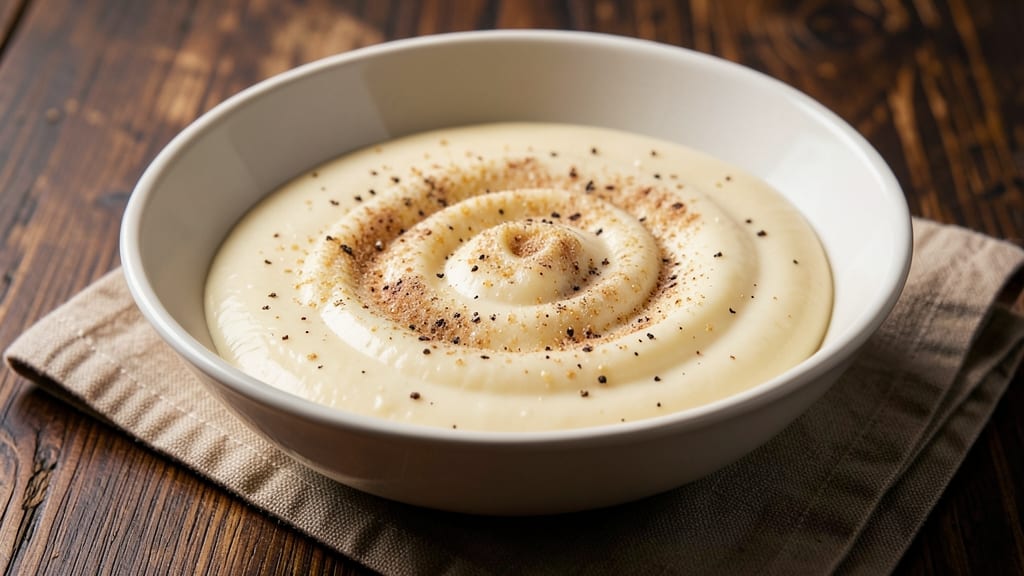
This powdered cheese sauce recipe transforms pantry staples into velvety perfection with just a splash of milk. ✨ I developed it after years of testing—no lumps, no waiting, just instant creamy goodness that melts over everything from nachos to pasta.
The secret lies in the precise blend of powdered cheese, starch, and spices that dissolves effortlessly into warm liquids. What makes this sauce revolutionary is its foolproof method: mix, heat, and serve. No whisking required, no fear of curdling.
The powdered base keeps for months in your pantry, while the finished sauce stays fresh in the fridge for up to 5 days or freezes beautifully for later. It's the ultimate shortcut for weeknight meals without sacrificing restaurant-quality flavor.
The result is a smooth, rich sauce that clings perfectly to noodles, crispy chips, or grilled meats. The blend of cheddar and mild cheeses creates depth, while a touch of garlic powder adds subtle sophistication. My grandmother used to make something similar—this version just makes it easier for modern kitchens.
Perfect for nacho nights, pasta dinners, or as a creamy dip. Here's how to make it—no measuring cups required!
Ingredients for powdered cheese sauce
Nine simple ingredients melt into velvety perfection with just milk and heat.
| Ingredient | Amount | Notes |
|---|---|---|
| Powdered Cheddar Cheese 🧀 | 1 cup | Shredded and dehydrated |
| Powdered Mild Cheddar Cheese 🧀 | ½ cup | For balanced flavor |
| Cornstarch 🌽 | ¼ cup | For smooth texture |
| Garlic Powder 🧄 | 1 tbsp | For subtle sophistication |
| Onion Powder 🧅 | 1 tsp | For depth of flavor |
| Ground Black Pepper 🌶️ | ½ tsp | Freshly ground preferred |
| Salt 🧂 | 1 tsp | Diamond Crystal preferred |
| Whole Milk 🥛 | 1 cup | For creamy consistency |
| Unsalted Butter 🧈 | 2 tbsp | For richness |
The powdered cheeses are the stars here. Bob Evans or Kraft make pre-made powdered cheese that works perfectly—no need to dehydrate your own. For the best flavor, grab the sharp cheddar and mild cheddar blends from the baking aisle. If you're feeling adventurous, you can make your own by dehydrating shredded cheese at 170°F for 4-6 hours, but honestly, the store-bought stuff is foolproof. The cornstarch is non-negotiable—it's what makes this sauce silky smooth instead of grainy.
No powdered cheese on hand? Shredded cheddar works in a pinch—just mix it with cornstarch (1:1 ratio) and pulse in a food processor until it turns into a fine powder. Fresh out of garlic powder? One clove of fresh garlic, minced and dehydrated (or just dried in a 200°F oven for 10 minutes), works too. The milk can be any kind—whole for creaminess, 2% or skim if you prefer lighter sauce. Butter can be swapped for vegan butter or extra olive oil if needed, though the flavor will shift slightly.
This powdered base keeps for up to 6 months in an airtight container in your pantry. Once mixed with milk and butter, it reheats beautifully—just 30 seconds in the microwave or until smooth on the stovetop. For extra creamy sauce, add a splash more milk. Portion into ice cube trays before freezing for 3 months—perfect for quick dinners later.
Why You'll Love This Recipe
- No-Measurement Guesswork: I swear by this sauce because it’s the only one where I don’t need to eyeball liquid or stress over ratios—just whisk in hot milk until it’s smooth. The cornstarch in there does all the heavy lifting, so I can focus on the garlic powder (which, between us, I add extra of).
- Umami Bomb: That mix of powdered cheddar and mild cheddar? It’s like a flavor upgrade I didn’t know I needed. The onion powder gives it this subtle depth, so it’s not just cheesy—it’s got layers, like a good comfort food should.
- Pantry Magic: Honestly, this is my go-to for lazy nights when I’ve got nothing but tortilla chips or stale bread. It’s also the secret weapon in my freezer—just reheat and drizzle over tacos, eggs, or even popcorn. (Yes, I’ve done that.)
- Budget Cheat Code: A single box of powdered cheese lasts me months—way cheaper than shredding my own, and it never clumps or goes bad. Plus, the cornstarch keeps it from getting gluey, so leftovers stay creamy and usable. My wallet and I both win.
Step-by-step instructions for velvety powdered cheese sauce
Here's how to make this foolproof cheese sauce—creamy, smooth, and ready in minutes.
🍳 Step 1: Melt Butter and Milk Together
In a medium saucepan over medium heat, melt the 2 tablespoons unsalted butter until it's completely liquid and foaming. Pour in the 1 cup whole milk and stir constantly. Bring the mixture to a gentle simmer, which should take about 3-4 minutes—you'll see small bubbles forming around the edges.
Here's the thing—don't walk away. The milk needs to heat through completely before adding the powdered cheese, or you'll end up with lumps. Once it's simmering, reduce the heat to low and let it maintain a gentle bubble. This step is crucial for creating that silky, restaurant-quality texture we're after.
👨🍳 Step 2: Whisk in Powdered Cheeses Gradually
With the milk still simmering on low heat, slowly sprinkle in the 1 cup powdered cheddar cheese and 0.5 cup powdered mild cheddar cheese using a fine-mesh strainer or sifter. This gradual approach prevents clumping—trust me, I learned this the hard way with a lumpy first attempt.
Whisk continuously for 2-3 minutes until the cheese is completely dissolved and the sauce begins to thicken. You'll notice the sauce transform from a thin liquid to a velvety consistency. If you see any lumps forming, don't panic—just keep whisking vigorously. The heat and constant motion will break them down.
🥘 Step 3: Add Thickeners and Seasonings
Increase the heat to medium-low and stir in the 0.25 cup cornstarch, 1 tablespoon garlic powder, 1 teaspoon onion powder, 0.5 teaspoon ground black pepper, and 1 teaspoon salt. Cook for another 2-3 minutes until the sauce reaches your desired thickness—it should coat the back of a spoon but still be pourable.
For the perfect consistency, I like to test it by dipping a clean spoon in and lifting it out. If the sauce holds together in a smooth ribbon that slowly drips back into the pan, you've nailed it. If it's too thick, whisk in 1 tablespoon of milk at a time until you reach that ideal velvety texture.
⏰ Step 4: Simmer and Finish
Continue cooking for another 1-2 minutes on low heat to let all the flavors meld together. The sauce should now be smooth, glossy, and completely lump-free. Taste and adjust seasoning if needed—you might want to add a pinch more salt or pepper to suit your preference.
This is the moment that matters: remove the pan from heat immediately. The sauce will continue to thicken slightly as it cools, so stopping it now prevents it from becoming too stiff. For best results, serve immediately over your favorite dishes—mac and cheese, nachos, or even as a dip for veggies.
Pro Tips For Making Powdered Cheese Sauce
- Whisk Like You Mean It: I learned this the hard way—skipping the whisk and just stirring with a spoon leaves lumps the size of marbles. Use a proper whisk or even a hand mixer on low for 30 seconds after adding the powdered cheese to break it up completely. No one wants to chew cheese clods in their mac and cheese.
- Measure the Cornstarch: The powdered cheese mixes often include cornstarch, but I’ve ruined more sauces than I’d admit by eyeballing it. Use a kitchen scale or measure it by volume—too much thickens the sauce into glue, too little makes it watery. Stick to the recipe’s ratio unless you’re aiming for a specific texture.
- Temper the Milk: Cold milk straight from the fridge will shock the powdered cheese and make it seize up like a stubborn mule. Warm it to about 160°F (70°C) first—just enough to steam slightly when you pour it in. This ensures the cheese dissolves smoothly, not clumps like a science experiment gone wrong.
- Toast the Spices First: Sounds weird, but it works: dry-toast the garlic and onion powder in a small pan for 30 seconds before mixing them in. This deepens their flavor and cuts through the powdery taste of the cheese. Just don’t let them burn—you’ll taste regret, not flavor.
Essential equipment for great powdered cheese sauce
Basic Saucepan
You don't need anything fancy here—a medium-sized stainless steel saucepan with a lid is perfect for this recipe. I use my Calphalon Classic 3-quart saucepan because it heats evenly and won't react with acidic ingredients. If you're on a budget, a Farberware Classic Stainless Steel Saucepan works just as well.
The key is getting a pan with smooth sides—this makes whisking the powdered cheese in much easier and prevents lumps from forming. 🍳
Whisk or Fork
A balloon whisk is my go-to tool for this sauce because it creates so much air and helps dissolve the powdered cheese smoothly. If you don't have one, a sturdy fork works in a pinch—just be prepared to put in a little more elbow grease.
The whisk I use is the OXO Good Grips Balloon Whisk, which has comfortable handles and sturdy wires. For extra smoothness, I sometimes use a hand mixer on low speed after the sauce starts to thicken, but that's optional.
Fine-Mesh Strainer
This is the secret weapon for avoiding lumps when adding the powdered cheese. I use a fine-mesh strainer to sprinkle the powdered cheese gradually over the simmering milk. The OXO Good Grips Strainer is my favorite because it's durable and easy to clean.
If you don't have one, a sifter or even a paper coffee filter in a pinch will work—just fold it to make a small funnel shape. The goal is to create a fine dusting of powder that dissolves completely into the milk. 🧀
Measuring Spoons
Precision matters with the spices and seasonings in this recipe. I always use stainless steel measuring spoons because they're durable and accurate. The OXO Good Grips Measuring Spoons set is my go-to—they're easy to read and have a comfortable grip.
For the garlic powder and onion powder, I find that using a spice grater to measure out the exact amount gives me the most consistent results. If you're measuring the cornstarch, a small dry measuring cup with a straight edge works best to avoid spills.
Thermometer (Optional)
While not strictly necessary, a kitchen thermometer helps ensure your milk reaches the perfect temperature before adding the powdered cheese. I use a Thermoworks Thermapen ONE because it's fast and accurate, but even a basic instant-read thermometer will do.
The ideal temperature for the milk before adding the cheese is between 180°F and 190°F—this ensures the cheese dissolves completely without curdling. If you don't have a thermometer, just watch for a gentle simmer and reduce the heat to low immediately after adding the cheese. 🌡️
Nutrition facts
Frequently asked questions
Can I make this powdered cheese sauce without cornstarch?
You can try using arrowroot powder or potato starch instead—both work similarly. However, cornstarch is ideal because it creates that signature velvety texture. If you omit it completely, your sauce will be thinner and less stable. For a thicker alternative, blend 1 tablespoon flour with 1 tablespoon cold water to make a slurry and whisk it in at the end.
How do I fix a lumpy powdered cheese sauce?
Don't panic! Immediately remove the pan from heat and vigorously whisk in 1 tablespoon cold milk at a time. The cold liquid helps break down the lumps. If that doesn't work, strain the sauce through a fine-mesh sieve for a silky finish. For future batches, always add the powdered cheese gradually over simmering milk while whisking constantly.
Can I use powdered cheese sauce on cold dishes?
This sauce works perfectly chilled for dips, cold pasta salads, or as a topping for chilled appetizers. Let it cool completely before refrigerating, then stir gently before serving. For extra creaminess, whisk in 1 tablespoon heavy cream or sour cream when reheating. The texture holds up well in cold dishes, though it may thicken slightly.
What's the best way to store leftover powdered cheese sauce?
Store in an airtight container in the fridge for up to 5 days. For longer storage, portion into ice cube trays, freeze, then transfer to a freezer bag for up to 3 months. Thaw overnight in the fridge before reheating. When reheating, add 1 tablespoon milk per ½ cup sauce to restore creaminess. Never microwave directly from frozen—thaw first.
Can I make this sauce dairy-free?
Yes! Swap the milk for unsweetened almond milk or oat milk, and use vegan butter instead of regular butter. For the powdered cheese, look for vegan powdered cheese blends (like Follow Your Heart brand) or make your own by dehydrating vegan cheese shreds. The texture will be slightly different but still delicious. Start with ½ cup powdered vegan cheese and adjust to taste.