
Sauces & Condiments
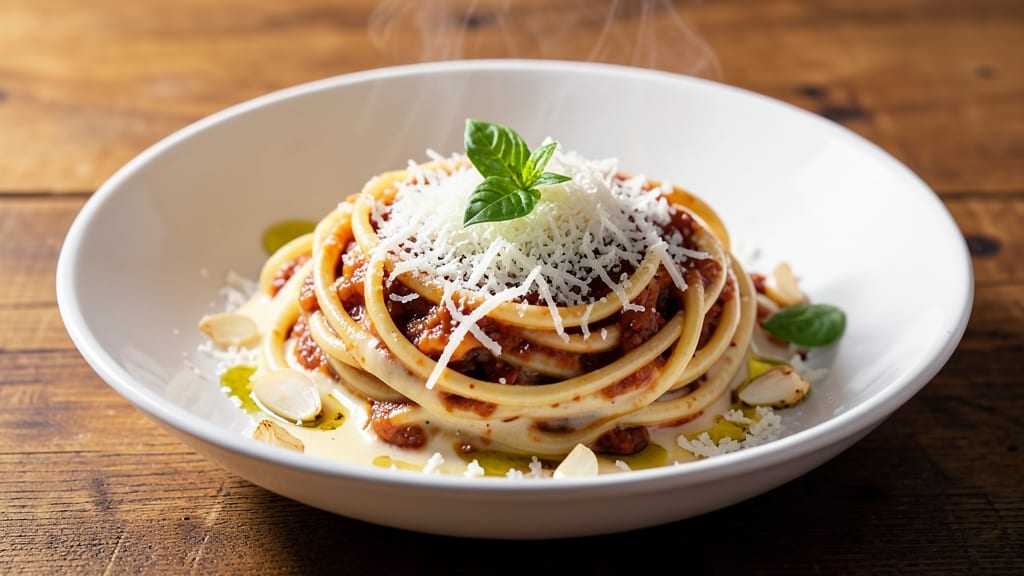
This Alfredo and spaghetti sauce mix recipe transforms your pantry into a flavor powerhouse with just a few simple ingredients and minimal effort. The secret lies in blending rich, velvety Alfredo with classic tomato-based spaghetti sauce—creating a versatile mix that elevates any pasta dish.
Whether you're craving creamy fettuccine or hearty marinara, this combination delivers restaurant-quality depth without the fuss.
The beauty of this sauce mix is its adaptability. You’ll start with a smooth Alfredo base—creamy, garlicky, and packed with parmesan—then layer in a robust spaghetti sauce infused with herbs and a touch of sweetness.
The blend of textures and flavors ensures every bite is balanced, with the Alfredo’s richness complementing the spaghetti sauce’s tangy brightness. Best of all, it takes just 15 minutes to prepare and keeps well in the fridge for up to a week.
What sets this mix apart is the ability to customize it for any dish. Use it as a one-pot pasta sauce, drizzle it over grilled chicken, or even toss it with roasted vegetables for a quick weeknight meal.
The creamy Alfredo adds indulgence, while the spaghetti sauce brings depth, making it a foolproof way to elevate simple ingredients into something extraordinary. No more settling for store-bought shortcuts—this is homemade flavor at its finest.
For those watching their dairy intake, a lightened version with Greek yogurt or coconut milk keeps the creaminess without sacrificing taste. The mix also freezes beautifully, so you can prep ahead and always have a gourmet sauce on hand.
Ready to revolutionize your pasta nights? Let’s get started with the ingredients you already have.
Ingredients for alfredo and spaghetti sauce mix
Ten pantry staples transform into restaurant-quality pasta sauce magic—creamy Alfredo meets bold spaghetti in perfect harmony.
| Ingredient | Amount | Notes |
|---|---|---|
| Heavy Cream 🥛 | 1 ½ cups | Full-fat for creaminess (trust me on this) |
| Unsalted Butter 🧈 | ½ cup | Cold, cubed for even melting |
| Parmesan Cheese 🧀 | 1 ½ cups | Freshly grated from block (pre-grated gets clumpy) |
| Garlic Cloves 🧄 | 4 cloves | Minced, not powdered (fresh flavor wins) |
| Extra-Virgin Olive Oil 🫒 | ¼ cup | High-quality, fruity variety (none of that cheap stuff) |
| Canned Tomato Sauce 🍅 | 1 cup | San Marzano if possible (sweeter, better texture) |
| Dried Basil 🌿 | 1 tbsp | Or 2 tbsp fresh (dried works at one-third amount) |
| Dried Oregano 🍃 | 1 tsp | Mexican oregano if available (more authentic) |
| Onion Powder 🧅 | 1 tsp | Freshly ground preferred (but powder works in a pinch) |
| Granulated Sugar 🍯 | 1 tsp | Balances acidity in sauce (don't skip it) |
The Parmesan and heavy cream are non-negotiable for that velvety Alfredo texture. Grab a wedge from the deli counter—pre-grated loses its edge. For the cream, full-fat is key; light versions won't cut it. The San Marzano tomato sauce (available at Whole Foods or Italian markets) gives you that sweet, rich base, but any quality canned sauce works. Skip the powdered garlic—fresh minced cloves add depth you can't get from the jar. Pro tip: Toast your onion powder in the saucepan for 30 seconds before adding liquid—it brings out the flavor.
No heavy cream? Full-fat coconut milk or Greek yogurt keeps it dairy-light without sacrificing creaminess. Running out of San Marzano? Any crushed tomato or tomato paste works—just add a pinch of sugar to balance. Fresh basil is ideal, but dried at one-third the amount is a solid swap. Want more heat? Add a pinch of red pepper flakes or a dash of hot sauce. The sugar might seem odd, but it rounds out the acidity in the tomato sauce—trust the recipe on this one. For a lighter version, reduce the Parmesan to 1 cup and add 0.5 cup nutritional yeast for that umami kick.
This mix keeps for 1 week in the fridge—sealed in an airtight container with a thin layer of olive oil on top to preserve freshness. Freezes beautifully for up to 3 months; portion into ice cube trays for single-use servings. The Alfredo base thickens as it cools, so reheat with a splash of milk or water if it gets too stiff. Double the batch—you'll want leftovers. Store the Parmesan wedge wrapped in parchment, and keep dried herbs in a cool, dark place for maximum potency.
Why You'll Love This Recipe
- 20-Minute Magic: I swear by this sauce—just melt butter, toss in garlic and olive oil, then stir in the cream and Parmesan until it’s velvety. No simmering, no waiting, just instant richness that’ll have you questioning why you ever bought jarred sauce.
- Garlic-Parmesan Bomb: That first bite of creamy sauce with nutty Parmesan and sharp garlic? It’s the kind of flavor that sticks with you. Honestly, I’ll take this over any restaurant Alfredo—it’s richer, fresher, and actually tastes homemade.
- Weeknight Workhorse: Use it for spaghetti, toss it with chicken, or drizzle it over roasted veggies. The mix is forgiving—I’ve even thrown it into a quick frittata when I forgot to plan dinner. It’s my go-to for when I need something solid but don’t want to slave over it.
- Leftovers That Don’t Suck: Unlike store-bought sauces that turn watery, this one reheats like a dream. I make a big batch on Sundays, and by Wednesday, I’m still scraping the last bits from the pot. Plus, the Parmesan keeps it from tasting sad after reheating.
Step-by-step instructions for layered Alfredo and spaghetti sauce mix
Here's how to combine two iconic sauces into one flavor-packed masterpiece.
Build the Spaghetti Sauce Foundation
Heat the 0.25 cup extra-virgin olive oil in a medium saucepan over medium heat. Add the 4 minced garlic cloves and sauté for 30 seconds until fragrant—don't let it brown, or it'll turn bitter. Stir in the 1 cup canned tomato sauce, 1 tbsp dried basil, 1 tsp dried oregano, 1 tsp onion powder, and 1 tsp granulated sugar. Bring to a gentle simmer and let it cook uncovered for 10 minutes, stirring occasionally, until thickened slightly. This step develops the sauce's depth while balancing acidity with the sugar.
Real talk: the sugar isn't just for sweetness—it cuts through the tomato's natural acidity, creating a smoother base for the creamy elements we'll add later. If you're using San Marzano tomatoes, you won't need as much sugar, but don't skip it entirely—it's the secret to restaurant-quality sauce.
Prepare the Alfredo Base Separately
In a separate heavy saucepan, melt the 0.5 cup unsalted butter over medium-low heat. Once fully melted, reduce heat to low and gradually whisk in the 1.5 cups heavy cream. Let it warm through for 3-4 minutes, stirring constantly, until it begins to thicken slightly. This gentle approach prevents curdling and ensures a velvety texture. The butter's fat content helps emulsify the cream beautifully.
Here's the thing—don't rush this step. If you heat the cream too quickly, it'll separate. You want it to reach 160°F (just below a simmer) before adding the cheese. This temperature ensures the Parmesan melts smoothly rather than clumping.
Combine and Emulsify the Sauces
With the cream mixture still warm, gradually whisk in the 1.5 cups freshly grated Parmesan cheese until fully dissolved and smooth. This is where the magic happens—adding the spaghetti sauce in ¼-cup increments while whisking vigorously. Start with ¼ cup of the tomato sauce and stir until fully incorporated before adding more. This gradual approach prevents curdling from the acidity in the tomato sauce.
Continue cooking the combined sauce over low heat for 5-7 minutes, stirring frequently, until it reaches 170°F and thickens to a luxurious coating consistency. You're aiming for a sauce that clings beautifully to pasta without being gluey. If it thickens too much, whisk in 1-2 tablespoons of pasta water to adjust the texture.
Finish and Season to Perfection
Remove the sauce from heat and let it rest for 5 minutes—this crucial step allows the flavors to meld completely. Taste and adjust seasoning with additional salt if needed (though the Parmesan should provide enough). For extra richness, stir in an additional 2 tablespoons of melted butter at the end. The sauce should be velvety, with bright tomato notes balanced by creamy depth.
This layered approach gives you the best of both worlds: the robust tomato flavor of spaghetti sauce with the luxurious creaminess of Alfredo. The key is patience—rushing any step risks separation or clumping. Serve immediately over al dente spaghetti, reserving some pasta water to thin if needed, and garnish with extra grated Parmesan and cracked black pepper.
Pro Tips For Making Alfredo And Spaghetti Sauce Mix
- Bloom the Garlic: Slice those cloves thin—paper-thin, like you’re peeling an onion—then let them sit in the olive oil for 30 seconds before adding butter. That head start keeps them from burning while the butter melts, so you get sweet, mellow garlic instead of bitter smoke. (Yes, I know it feels like waiting forever, but trust me.)
- Whisk the Cream: Heat the heavy cream just until it’s steaming—no boiling—and whisk it into the sauce in a thin, slow stream. Dumping it all at once? You’ll end up with curdled lumps. Stir constantly for 2 minutes after adding it, or the sauce will seize up like a stubborn child refusing to eat broccoli.
- Grate, Don’t Shred: Use a fine grater for the Parmesan, not the pre-shredded stuff from the green can. Those anti-caking agents turn your creamy sauce into a gritty mess. And for heaven’s sake, don’t pack the cheese—just sprinkle it in and let it melt into the sauce. (I learned this after throwing out three batches of sad, clumpy Alfredo.)
- Salt the Butter First: Toss in a pinch of salt with the unsalted butter right at the start—about ¼ teaspoon per 2 tablespoons. It sounds weird, but it balances the richness before the cream even hits the pan. You’ll taste the difference when you’re not playing flavor catch-up later. (And no, you can’t just add it at the end—this sauce needs harmony, not a last-minute rescue.)
Pro cooking tips for this recipe
Temperature Control Secrets
Your sauce’s success hinges on precise temperature control—especially when combining the creamy Alfredo with acidic tomato sauce. Heat the spaghetti sauce base to a gentle simmer (180°F) before merging it with the Alfredo.
The cream should never exceed 165°F before adding Parmesan, or you’ll risk clumping. I use an instant-read thermometer (Thermoworks Smoke) to monitor both pans simultaneously—it’s a game-changer for consistency. 🌡️
Emulsification Mastery
The real magic happens when you add the tomato sauce to the Alfredo in ¼-cup increments, whisking vigorously between each addition. This gradual approach prevents curdling by allowing the cream’s fat to slowly neutralize the tomato’s acidity.
For extra insurance, whisk in 1 tablespoon of cold butter at the end—it acts as an emulsifier, creating that silky texture. Think of it like making mayonnaise: patience is key.
Butter’s Dual Role
Butter isn’t just flavor—it’s the sauce’s structural backbone. Use unsalted butter (like Plugrá) for full control over seasoning, and melt it slowly over medium-low heat to avoid burning. The butter’s fat content helps emulsify the cream while adding richness.
Pro tip: Save 2 tablespoons to finish the sauce—this final touch adds a luxurious sheen and balances any residual acidity from the tomato base.
Parmesan Grating Hack
Freshly grated Parmesan makes all the difference—pre-grated cheese contains anti-caking agents that turn your sauce grainy. Use a microplane or fine grater on a 1.5-cup wedge, and add it to the warm cream in 3 additions, whisking until fully dissolved between each.
For extra depth, toast the cheese in a dry pan for 1 minute before adding—it intensifies the nutty, umami flavors. 🧀
Acidity Neutralization
The sugar in this recipe isn’t just for sweetness—it’s a science experiment. The 1 tsp granulated sugar balances the tomato sauce’s acidity, creating a smoother base for the creamy elements.
If your sauce tastes too sharp, add another ½ tsp sugar or a pinch of baking soda (just ⅛ tsp) to neutralize. For a tangier profile, reduce the sugar to ½ tsp and add 1 tsp lemon juice instead.
Resting for Flavor Fusion
Never skip the 5-minute rest after combining the sauces—this lets the flavors meld and the sauce thicken naturally. During this time, the starches in the cream and butter gel, creating that perfect clingy consistency.
For even better results, transfer the sauce to a heatproof bowl and place it in an ice bath for 10 minutes—this rapid cooling prevents further thickening while preserving texture. Trust me, your taste buds will thank you. ✨
Nutrition facts
Frequently asked questions
Can I make this sauce mix without heavy cream?
For a lighter version, replace the 1.5 cups heavy cream with 1.5 cups full-fat coconut milk (for dairy-free) or 1.5 cups Greek yogurt (for tangy creaminess). The texture will be slightly different but still delicious. Just reduce the Parmesan to 1 cup to balance the richness.
How do I prevent the sauce from separating?
Separation happens when acidity (from tomato sauce) and cream clash. To avoid it, add the tomato sauce to the Alfredo base gradually in ¼-cup increments, whisking vigorously between each addition. Also, never let the cream boil—keep it at low heat (160°F max) before adding cheese. A splash of cold water or milk can also help re-emulsify if it starts to split.
Can I use this sauce mix for dishes other than pasta?
This versatile sauce works beautifully beyond pasta! Drizzle it over grilled chicken, roasted vegetables, or baked potatoes. It also makes a rich dip for garlic bread or a flavorful topping for baked ziti. The creamy Alfredo base pairs well with almost any protein or veggie—just adjust seasoning to taste.
Why does my sauce taste too tangy?
The tang comes from the tomato sauce’s acidity. To balance it, add ½ tsp more sugar or a pinch of baking soda (⅛ tsp) to neutralize. For a brighter flavor, reduce sugar to ½ tsp and add 1 tsp lemon juice instead. Always taste as you go—adjust gradually to avoid overpowering the creamy notes.
How long can I store the sauce mix?
Store the sauce in an airtight container with a layer of olive oil on top to preserve freshness. It keeps for 1 week in the fridge or 3 months in the freezer. For freezing, portion into ice cube trays—thaw overnight in the fridge and reheat gently. Avoid freezing with added herbs, as they lose texture.