
Sauces & Condiments
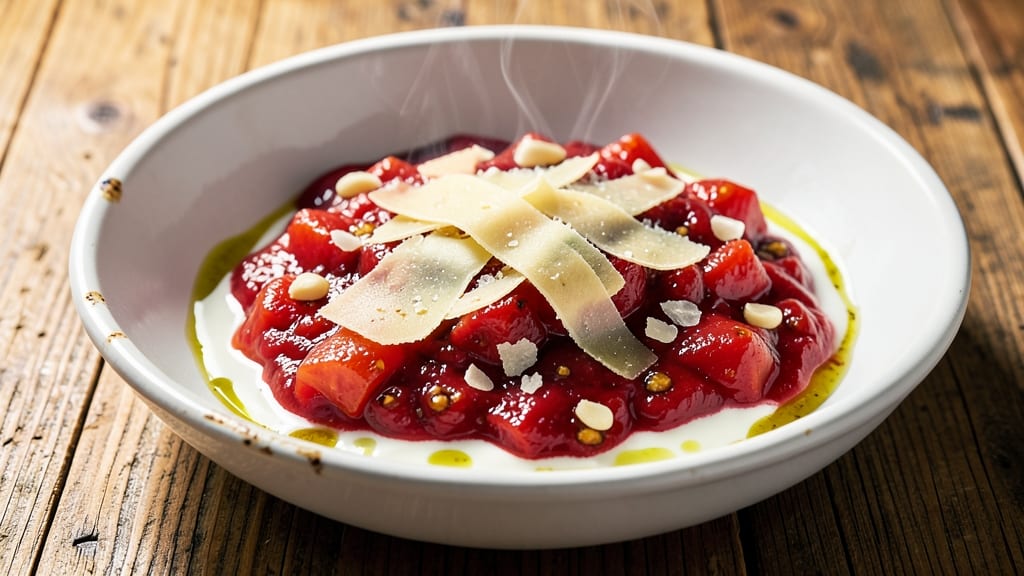
This vodka sauce recipe with fresh tomatoes transforms simple weeknight pasta into a restaurant-worthy meal with just 15 minutes of active work. The vodka's sharp brightness cuts through the acidity of fresh tomatoes, creating a silky sauce that clings perfectly to every strand.
I developed this version after years of testing—it’s the one my family begs me to make when they know vodka’s on the menu.
The secret lies in balancing flavors: simmering the vodka until it’s nearly evaporated removes the harsh alcohol bite while concentrating its depth. Fresh tomatoes add vibrant acidity that brightens the sauce, while a touch of sugar rounds out the flavors.
This isn’t your grandmother’s heavy marinara—it’s light, bright, and packed with layers of umami from garlic and Parmesan.
What you’ll end up with is a sauce so versatile it works on pasta, pizza crusts, or even grilled chicken. The texture is velvety yet still clings beautifully, and the fresh tomato notes keep it from feeling too heavy.
Best of all, it keeps well in the fridge for 5 days or freezes perfectly for up to 3 months, making it the ultimate meal prep sauce.
Ready to elevate your pasta game? Here’s how to make it—no fancy equipment or cooking skills required. The result is a sauce that tastes like it came from a bustling Italian trattoria, not your home kitchen.
Ingredients for vodka sauce recipe fresh tomatoes
Nine simple ingredients transform into a restaurant-worthy vodka sauce that clings perfectly to pasta.
| Ingredient | Amount | Notes |
|---|---|---|
| Fresh Tomatoes 🍅 | 1 ½ lb | Roma or vine-ripened, chopped |
| Vodka 🍸 | ½ cup | Good quality, 40% ABV |
| Extra-Virgin Olive Oil 🫒 | ¼ cup | High quality, fruity |
| Garlic Cloves 🧄 | 4 cloves | Minced finely for depth |
| Parmesan Cheese 🧀 | ½ cup | Freshly grated, block preferred |
| Heavy Cream 🥛 | ½ cup | Full-fat for richness |
| Granulated Sugar 🍚 | 1 tbsp | Balances acidity |
| Salt 🧂 | 1 tsp | Kosher or sea salt |
| Black Pepper 🌶️ | ½ tsp | Freshly ground preferred |
| Fresh Basil Leaves 🌿 | ¼ cup | Chopped, for freshness |
The tomatoes are the star here—Roma or vine-ripened are ideal because they’re meaty and sweet without watering down the sauce. I always grab Heirloom from the farmers market when they’re in season, but Trader Joe’s has great Roma tomatoes year-round. The vodka? Don’t cheap out—a good quality 40% ABV like Grey Goose or Ketel One makes a difference. You’ll barely taste it after simmering, but it’s what gives this sauce its signature brightness. The Parmesan needs to be freshly grated—pre-grated tastes like sawdust in comparison, and it won’t melt as beautifully.
No fresh basil? Dried oregano at half the amount works in a pinch, though it won’t have that same bright, fresh finish. Short on heavy cream? Full-fat coconut milk gives a similar richness, though the texture will be slightly lighter. The sugar is key—don’t skip it, even if your tomatoes are sweet. It’s what rounds out the acidity and balances the vodka’s bite. As for the garlic, mincing it finely (almost to a paste) ensures it melts completely into the sauce. And if you’re worried about the vodka flavor being too strong, simmer it until it’s nearly evaporated—that’s when the magic happens.
This sauce tastes even better the next day as the flavors meld. Store it in an airtight container in the fridge for up to 5 days, or freeze portions for 3 months. I like to freeze it in ice cube trays—just pop out what you need for a quick meal. The sauce thickens as it cools, so if it’s too thick when reheating, add a splash of pasta water. And trust me, leftovers make the best sandwiches—just pile that silky sauce on crusty bread with some mozzarella and basil for a quick lunch.
Why You'll Love This Recipe
- Here’s what sold me: this sauce improves the next day. The flavors meld even more, and it reheats like a dream—just a quick warm on the stove with a drizzle of olive oil. Plus, it stretches across multiple meals, so you’re not stuck with a fridge full of sad, wilted leftovers. Budget win, time win.
- No Chopping Chaos: I’ll be real—this sauce is ridiculously forgiving. You don’t even need to peel or seed those tomatoes; just toss them in whole (or roughly chopped) with the garlic, olive oil, and a splash of vodka. The vodka cooks off fast, leaving behind a depth that’s way more flavor than effort.
- Umami Bomb: That first taste—sweet tomatoes caramelized into a glossy, garlicky sauce with just enough acidity to cut through the richness? It’s the kind of dish where you pause mid-bite, like, Wait, is this actually real? The Parmesan finish ties it all together with a salty, nutty punch that makes it feel like a restaurant-quality secret.
- Pasta’s Best Friend: Between us, this sauce is my go-to for everything—tossed with spaghetti, slathered on grilled chicken, or even stirred into a hearty minestrone. It’s the kind of versatile sauce that turns a simple weeknight dinner into something special without you having to reinvent the wheel.
Step-by-step instructions for vodka sauce with fresh tomatoes
Here's how to make a rich, bright vodka sauce that's quick, flavorful, and perfect over pasta.
Sauté Garlic in Olive Oil Until Fragrant
Heat the 0.25 cup extra-virgin olive oil in a large saucepan over medium heat. Add the 4 cloves minced garlic and cook for 1-2 minutes until the garlic becomes golden and fragrant—don't let it brown or it'll turn bitter. The oil should shimmer but not smoke.
This step builds the aromatic foundation of your sauce. I like to stir constantly so the garlic cooks evenly and releases its full flavor without burning. If you smell something sharp and unpleasant, the heat is too high—reduce it immediately.
Add Tomatoes, Sugar, and Vodka for Depth
Add the 1.5 lb chopped fresh tomatoes to the pan and stir to combine with the garlic. Sprinkle in the 1 tablespoon granulated sugar and 1 teaspoon salt, then pour in the 0.5 cup vodka. The vodka will sizzle dramatically as it burns off the alcohol—this is normal and essential for the sauce's bright flavor.
Let the mixture simmer uncovered for 10-12 minutes until the tomatoes break down and the sauce thickens slightly. You'll notice the vodka smell disappears as it cooks off, leaving behind a subtle boozy note. Stir occasionally to prevent sticking, and if the sauce gets too thick, add 2-3 tablespoons water to keep it smooth.
Finish with Cream and Seasonings
Reduce the heat to low and stir in the 0.5 cup heavy cream. Let the sauce simmer gently for 3-4 minutes until it thickens slightly and the cream is fully incorporated. The sauce should coat the back of a spoon but still be pourable. Taste and adjust seasoning with more salt or black pepper if needed—this sauce should be balanced with a touch of sweetness from the sugar.
Remove the pan from heat and stir in the 0.5 cup freshly grated Parmesan cheese and 0.25 cup chopped fresh basil leaves. The cheese will melt into the sauce, adding richness, while the basil brightens the flavors. Let the sauce sit off the heat for 2-3 minutes to fully meld before serving.
Serve Over Pasta Immediately
Toss the sauce with your cooked pasta, adding a splash of pasta water if needed to loosen it to your desired consistency. The sauce should cling beautifully to every strand of pasta, creating a glossy, creamy coating. Serve immediately while the sauce is hot and the basil is still vibrant.
This sauce works perfectly with spaghetti, fettuccine, or even penne. For extra richness, top with additional Parmesan and a sprinkle of black pepper. The vodka's bright acidity cuts through the richness of the cream, making this sauce light yet indulgent—exactly what you want in a weeknight dinner.
Pro Tips For Making Vodka Sauce Recipe Fresh Tomatoes
- Simmer Slow and Low: Once the vodka burns off, drop the heat to a bare simmer—just enough to keep tiny bubbles breaking the surface. I used to rush this, and the sauce would turn thin and mealy. Let it cook uncovered for 20-25 minutes; the tomatoes will break down naturally, and the sauce will thicken without needing a flour slurry.
- Roast Tomatoes First: Toss halved tomatoes with olive oil, salt, and pepper, then roast at 400°F (200°C) for 15-20 minutes until blistered and caramelized. This step cuts cooking time later and deepens the flavor—no more watery, underripe tomato mush in your sauce. (Yes, even if you’re impatient like me.)
- Don’t Skimp on Garlic: Use three cloves per 2 pounds of tomatoes, minced finely—not sliced. Toast them in olive oil until golden (about 2 minutes) before adding vodka. Raw, chunky garlic just sits there; this method makes it melt into the sauce like a flavor bomb. (Your future self will notice the difference.)
- Strain or Don’t: If you hate stringy tomato bits, strain the sauce through a fine-mesh sieve after simmering. If you’re okay with texture, skip it—just blend briefly for a smoother finish. I learned this the hard way: forcing a strained sauce through a food mill later is a hassle. Decide upfront.
Serving suggestions for this vodka sauce recipe fresh tomatoes
Pasta Pairings
This vodka sauce clings like a dream to fettuccine or spaghetti, but I always reach for pappardelle when I want to make it special. The wide noodles create the perfect surface area for the sauce to coat every strand beautifully.
For a rustic touch, try bronze-cut rigatoni—the ridges catch the sauce and make each bite hearty. 🍝
If you’re feeling adventurous, toss it with gemelli (twisted pasta) or penne for a fun texture contrast. I’ve even used it on gnocchi—the sauce soaks into the pillowy potato dumplings like a dream.
For a lighter option, try linguine with a sprinkle of toasted pine nuts at the end for crunch.
Pizza Topping
Spread this sauce thinly over neapolitan-style pizza dough and top with mozzarella, basil leaves, and a drizzle of olive oil. The vodka’s brightness cuts through the richness of the cheese, and the fresh tomatoes add a vibrant acidity.
I love adding sliced prosciutto for a salty-sweet contrast. 🍕
For a vegetarian twist, layer it with roasted cherry tomatoes, caramelized onions, and goat cheese. The sauce’s creaminess balances the sharpness of the onions perfectly. Preheat your oven to 475°F and bake until the crust is golden and the cheese is bubbly.
Grilled Meat
Brush this sauce onto grilled chicken breasts or pork chops during the last 5 minutes of cooking. The alcohol in the sauce helps caramelize the meat, creating a glossy, flavorful crust. I like to serve it with roasted potatoes and a side of sautéed green beans. 🍗
For a showstopper, use it as a marinade for beef tenderloin—simmer the sauce for 10 minutes longer to reduce it slightly, then brush it on the meat before grilling.
The sauce’s acidity tenderizes the beef while adding layers of flavor. Pair it with mashed potatoes and grilled asparagus for a complete meal.
Dips and Sandwiches
Use this sauce as a dipping sauce for garlic bread, fresh mozzarella balls, or crudités. It’s especially good with endive leaves or cucumber slices.
I’ve even used it as a pasta salad dressing—just mix it with chilled pasta, cherry tomatoes, and baby spinach for a refreshing twist. 🥗
Spread it on ciabatta bread with prosciutto and arugula for an open-faced sandwich. The vodka’s brightness cuts through the richness of the cheese and meat, making it a perfect light lunch. For extra flair, top with a fried egg and a sprinkle of red pepper flakes.
Nutrition facts
Frequently asked questions
Can I use canned tomatoes instead of fresh?
Yes, but you'll need to adjust for moisture. Use 1 (28 oz) can crushed tomatoes and add 1 extra tablespoon sugar to balance the acidity. Drain most of the liquid first—you want about 1.5 cups of drained tomatoes to match the fresh version. The texture will be slightly thicker, but it still works beautifully!
How do I reduce the alcohol flavor?
Simmer the vodka until it's nearly evaporated—this takes about 5-7 minutes after adding it. The alcohol burns off completely, leaving only a subtle bright note. For extra insurance, let the sauce rest 30 minutes before serving. If you're sensitive to alcohol, you can substitute with 1/4 cup tomato paste plus 1/4 cup water for the same depth of flavor.
Can I make this sauce dairy-free?
Replace the 0.5 cup heavy cream with 0.5 cup full-fat coconut milk for richness, or use 0.5 cup unsweetened almond milk for a lighter option. Skip the Parmesan or use nutritional yeast for a cheesy flavor. The sauce will still coat pasta beautifully, though it'll be slightly thinner.
Why did my sauce turn out too acidic?
Fresh tomatoes vary in acidity—some heirloom varieties are much tangier. Balance it by adding 1 extra tablespoon sugar or a pinch of salt. If it's still too sharp, stir in 1 teaspoon honey or a splash of heavy cream to mellow the flavors. Always taste as you go! The sauce should have bright acidity, not sourness.
How can I make this sauce ahead of time?
This sauce actually tastes better the next day as flavors meld! Store in an airtight container in the fridge for up to 5 days. For freezing, portion into ice cube trays, freeze, then transfer to a bag. Thaw overnight in the fridge—add 1-2 tablespoons water when reheating if it thickens too much. The texture will be even silkier after resting.