
Sauces & Condiments
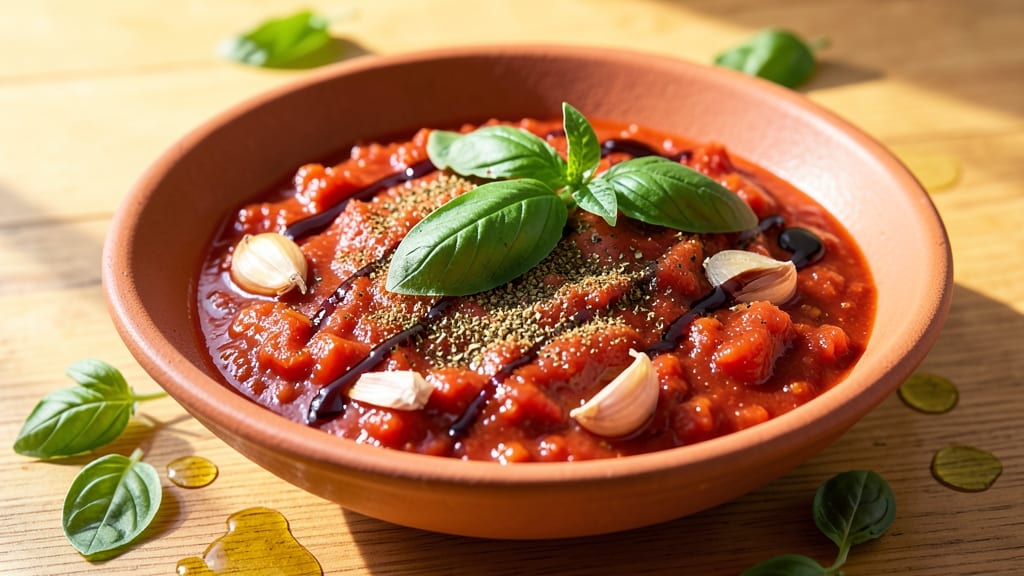
This authentic Italian pasta sauce recipe with fresh tomatoes captures the essence of summer in every spoonful—bright, vibrant, and bursting with sun-ripped flavor. 🌞 The secret lies in slow-simmered fresh tomatoes, aromatic garlic, and fragrant herbs that build depth without heavy cream or excessive sugar, staying true to traditional Italian techniques.
What sets this sauce apart is its simplicity and authenticity—just a handful of quality ingredients transformed through gentle cooking. The key is balancing acidity with natural sweetness, letting the tomatoes break down into a velvety consistency while preserving their fresh, summery taste.
This isn't just a sauce; it's a celebration of Italian flavor in its purest form.
By the time you're done, you'll have a rich, aromatic sauce with perfect balance—tangy yet sweet, herbaceous yet savory—that clings beautifully to al dente pasta. The rich tomato flavor develops naturally as it simmers, creating layers of complexity that store-bought sauces can't match.
Ready in about 45 minutes, this sauce is restaurant-quality without the fuss.
Perfect for pairing with spaghetti, penne, or your favorite pasta, this sauce also freezes beautifully for future meals. The fresh tomato base ensures vibrant color and flavor that stays true even after storage, making it ideal for meal prep or entertaining. Let's create this classic Italian sauce together.
Ingredients for authentic italian pasta sauce recipe fresh tomatoes
Sun-ripened tomatoes and aromatic herbs transform into velvety Italian sauce with just ten ingredients.
| Ingredient | Amount | Notes |
|---|---|---|
| Fresh Roma Tomatoes 🍅 | 2 lb | Vine-ripened, halved for even cooking |
| Extra-Virgin Olive Oil 🫒 | ½ cup | High-quality, fruity variety |
| Garlic Cloves 🧄 | 6 cloves | Peeled, lightly crushed for aroma |
| Fresh Basil Leaves 🌿 | 1 cup | Packed, stems removed |
| Red Wine Vinegar 🍷 | 1 tbsp | For bright acidity balance |
| Dried Oregano 🌿 | 1 tsp | Mediterranean variety preferred |
| Kosher Salt 🧂 | 1 ½ tsp | Diamond Crystal preferred |
| Freshly Ground Black Pepper 🌶️ | ½ tsp | Freshly cracked for intensity |
| Granulated Sugar 🍚 | 1 tsp | Balances acidity naturally |
| Fresh Parsley 🌿 | ¼ cup | Chopped, for fresh finish |
The tomatoes are everything here—Roma tomatoes are ideal for their meaty texture and low water content, but any ripe, flavorful variety works. Grab them from the farmers market if possible, where they're often sweeter and more vibrant. If you can't find fresh, San Marzano canned tomatoes are the next best thing—they're sweeter and less acidic than regular canned tomatoes. Look for tomatoes that are firm but yield slightly to pressure, with a rich red color and minimal blemishes. The basil should be bright green with no yellowing, and the parsley should be crisp and fresh—Trader Joe's often has great quality at reasonable prices.
No fresh basil? Dried oregano at double the amount works in a pinch, though it won't have the same fresh brightness. Running low on red wine vinegar? Balsamic vinegar or lemon juice can substitute, though the flavor will shift slightly. The sugar is key for balancing the acidity—don't skip it, but don't overdo it either. For a deeper flavor, toast the garlic cloves in the olive oil for about 30 seconds before adding them to the sauce. If you're short on time, minced garlic from a jar will work, though fresh is always better. The olive oil should be extra-virgin—California or Italian varieties tend to have the best fruity notes for this sauce.
This sauce tastes even better the next day as the flavors meld. Store it in an airtight container in the fridge for up to 5 days, or freeze it for 3 months in portion-sized containers. To reheat, warm gently on the stove with a splash of water or pasta water—never microwave it directly. The sauce thickens as it cools, so you can thin it with a little water or pasta water when reheating. For meal prep, make a double batch and freeze half—perfect for busy weeknights when you need restaurant-quality sauce in a flash.
Why You'll Love This Recipe
- Five-Ingredient Magic: The pantry already has most of what you need—just grab tomatoes, garlic, and basil. Honestly, I’ve made this sauce with whatever was in my fridge, and it still tastes like a Sunday supper.
- Bright & Balanced: That splash of red wine vinegar cuts through the richness of the olive oil, while the fresh basil keeps it from being heavy. The tomatoes? They sing when they’re barely broken down—no mushy blobs here.
- Weeknight & Weekend: Toss it with pasta for a quick dinner, or let it simmer longer for a potluck dish. My college-age son even asks for it when I’m hosting—because it’s simple enough for him to make himself.
- Budget-Friendly Leftovers: A single batch stretches across three meals, and the flavors only get better after a day in the fridge. Between us, this is the sauce I always have on hand—no takeout menus needed.
Step-by-step instructions for authentic Italian pasta sauce
Here's how to craft a sauce that tastes like it came straight from a Tuscan kitchen.
🍳 Step 1: Sauté Garlic in Olive Oil Until Fragrant
Heat the 0.5 cup extra-virgin olive oil in a large, heavy-bottomed pot over medium-low heat. Add the 6 cloves peeled garlic cloves and cook for 2-3 minutes until they're golden and smell heavenly—not browned, just perfumed. This gentle cooking draws out their sweetness without bitterness, which is key for authentic Italian flavor.
Watch the garlic closely. If it starts to sizzle too aggressively, reduce the heat immediately. The moment it turns golden, remove it from the pot with a slotted spoon and set it aside—you'll add it back later. This prevents the garlic from burning and turning bitter, which would ruin your sauce.
🍳 Step 2: Cook Tomatoes Until Broken Down
Add the 2 lb halved fresh Roma tomatoes to the pot, cut-side down. Increase the heat to medium-high and let them cook undisturbed for 5 minutes. You'll see their juices release and begin to sizzle in the pan. Stir occasionally, but don't rush this step—letting them caramelize slightly builds depth of flavor.
After 5 minutes, reduce the heat to medium-low and continue cooking for another 10-12 minutes, stirring occasionally. The tomatoes will break down into a chunky sauce, releasing their sweet, sun-ripened essence. This slow cooking process is what creates that rich, authentic Italian taste. If the sauce starts to stick, add a splash of water to deglaze the pot.
🍳 Step 3: Season and Simmer for Depth of Flavor
Add the 1 tsp dried oregano, 1.5 tsp kosher salt, 0.5 tsp freshly ground black pepper, 1 tsp granulated sugar, and 1 tbsp red wine vinegar to the pot. Stir well to combine, then return the garlic cloves to the sauce. Bring everything to a gentle simmer and let it cook uncovered for 15-20 minutes, stirring occasionally.
The sugar and vinegar work together to balance the acidity of the tomatoes, while the oregano and pepper add warmth and complexity. This simmering time is crucial—it allows the flavors to meld and develop. You'll know it's ready when the sauce thickens slightly and coats the back of a spoon. The aroma should be rich, herby, and inviting.
🥘 Step 4: Finish with Fresh Herbs
Remove the pot from heat and stir in the 1 cup fresh basil leaves and 0.25 cup chopped fresh parsley. Let the sauce sit for 5 minutes to allow the herbs to infuse. This step is what makes your sauce truly authentic—fresh basil at the end adds a bright, vibrant finish that cuts through the richness of the tomatoes.
Taste the sauce and adjust the seasoning if needed. It should be balanced—sweet, tangy, and herby, with a touch of saltiness. If it's too acidic, add a pinch more sugar. If it's too sweet, add a splash more vinegar. The goal is a harmonious blend of flavors that will make your pasta taste like it was made in a rustic Italian trattoria.
⏰ Step 5: Rest and Serve
Let the sauce rest for 10 minutes before serving. This resting period allows the flavors to fully develop and the sauce to thicken slightly. Serve it warm over your favorite pasta, tossing it gently to coat each strand. The sauce should cling beautifully to the pasta, creating a dish that's simple yet deeply flavorful.
This sauce keeps well in the refrigerator for up to 5 days, so make extra for leftovers. It also freezes beautifully for up to 3 months, making it a great make-ahead option for busy weeknights. Enjoy your authentic Italian pasta sauce—it's worth every step!
Pro Tips For Making Authentic Italian Pasta Sauce Recipe Fresh Tomatoes
- Cook Tomatoes Low and Slow: Simmer your chopped Roma tomatoes at a gentle boil—just enough to see tiny bubbles—until they break down into a thick, jammy consistency. I used to rush this, but letting them cook for 15-20 minutes (covered, if needed) concentrates their sweetness and deepens the flavor without turning bitter.
- Blister Garlic First: Toss whole garlic cloves in olive oil and fry them until golden and crispy at the edges before mincing. This adds a nutty depth that raw garlic can’t match—just don’t let them burn (they’ll taste acrid). Save a few whole cloves to mash into the sauce at the end for texture.
- Salt the Tomatoes Early: Add a generous pinch of salt (at least 1 tsp for 1 lb of tomatoes) as soon as you start cooking. It softens the tomatoes faster and balances their acidity, but don’t skip the final taste—you’ll likely need more after the basil and vinegar join the party.
- Finely Chop the Basil: Tear the basil leaves by hand (not chopping) and add them just before serving—this keeps their bright flavor intact. If you’re prepping ahead, store the sauce without basil and stir in a handful of whole leaves when reheating (they’ll wilt but still taste fresh). No need to add vinegar until the very end.
Troubleshooting great authentic italian pasta sauce recipe fresh tomatoes
Tomatoes Too Watery
If your sauce ends up too thin and watery, it’s likely because the tomatoes weren’t cooked long enough to break down. The solution? Simmer uncovered for an extra 10-15 minutes, stirring occasionally.
If it’s still too thin, mash some of the tomatoes with a fork to release more juice, or add 1 tsp cornstarch mixed with 1 tbsp water to thicken it gently. 🌡️
Sauce Too Acidic
Fresh tomatoes can sometimes be overly tart, especially if they’re underripe or from a particularly acidic variety. To balance the acidity, add ½ tsp sugar or a pinch more granulated sugar while simmering.
If the sauce is already finished, a splash of pasta water (which is slightly starchy) can help mellow the sharpness. Taste as you go—this sauce should be bright, not sour.
Garlic Burns Too Quickly
Garlic is delicate and burns fast, turning bitter if left too long. To prevent this, keep the heat medium-low and remove the garlic as soon as it turns golden (not brown). If it does burn, strain out the garlic cloves immediately and start fresh with a new batch.
For extra flavor without risk, try roasting the garlic whole in the oven at 400°F for 15 minutes before mincing it in.
Herbs Lose Flavor
Fresh basil and parsley should be added right at the end to preserve their bright, vibrant flavors. If you add them too early, they’ll wilt and turn bitter.
For extra potency, use double the amount of fresh herbs and let them steep in the warm (not boiling) sauce for 5 minutes off the heat. If you’re short on fresh herbs, dried basil or oregano can substitute, but use half the amount and add them during simmering.
Sauce Sticks to the Pot
A stuck-on sauce means the tomatoes released too much liquid or the pot wasn’t hot enough. To fix it, deglaze the pot immediately with ¼ cup water or white wine, scraping up all the browned bits.
For future batches, use a heavy-bottomed pot (like All-Clad or Le Creuset) and keep the heat medium-low while cooking. A splash of pasta water later in the cooking process can also help loosen the sauce.
Flavor Too Mild
If your sauce tastes bland, it likely needs more umami depth or seasoning. Boost flavor by adding 1 tsp fish sauce (trust me, it’s a secret in Italian cooking) or a pinch of red pepper flakes for heat.
For extra richness, stir in 1 tbsp tomato paste during simmering. If the sauce is still lacking, let it reduce longer—20-30 minutes of simmering concentrates the flavors beautifully. 💫
Nutrition facts
Frequently asked questions
Can I use canned tomatoes instead of fresh?
Yes, but choose high-quality canned tomatoes like San Marzano for the best results. They're sweeter and less acidic than regular canned tomatoes. If using canned, crush them by hand or use a wooden spoon to mimic the texture of fresh tomatoes. For extra depth, add 1 tbsp tomato paste during simmering.
How do I know when the sauce is ready?
The sauce is perfect when it coats the back of a spoon and has thickened slightly from the 35-45 minutes of total cooking time. It should be vibrant red with small tomato chunks, not watery. The aroma should be rich with garlic, basil, and tomato notes. Taste it—it should be balanced between sweet, tangy, and herby.
What's the best pasta to pair with this sauce?
This sauce works beautifully with al dente spaghetti, linguine, or penne for maximum sauce cling. For rustic texture, try bucatini or rigatoni. Save angel hair pasta for lighter sauces—this rich tomato sauce needs pasta with substance to hold its shape.
Can I make this sauce without vinegar?
You can substitute with lemon juice or balsamic vinegar, but red wine vinegar is traditional for its bright acidity. If omitting, reduce the sugar to ½ tsp since vinegar helps balance sweetness. The sauce will be slightly less tangy but still delicious. For extra depth, add a pinch of citric acid (common in baking).
Why does my sauce taste bland?
Blandness usually means the sauce needs more umami depth or seasoning. Try adding 1 tsp fish sauce (common in Italian cooking) or a pinch of red pepper flakes for heat. For richness, stir in 1 tbsp tomato paste during simmering. Let the sauce reduce longer—20-30 minutes of simmering concentrates flavors beautifully.