
Sauces & Condiments
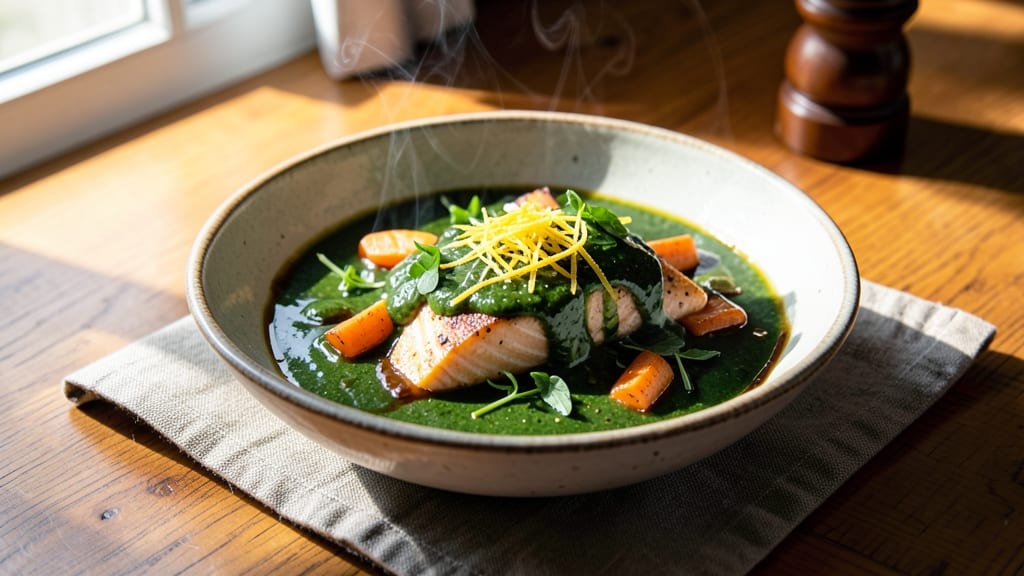
This sorrel sauce recipe transforms tart sorrel leaves into a vibrant, citrus-infused condiment perfect for summer dishes. ✨ The secret lies in balancing sorrel’s sharpness with sweetness and creaminess, creating a sauce that elevates everything from grilled fish to roasted chicken.
I’ve perfected this version to deliver a bright, tangy profile that stays fresh-tasting even after storage.
What makes this sauce special is its versatility—it works as a dip, a soup enhancer, or a finishing touch for seafood. The base combines fresh sorrel with broth, cream, and a touch of sugar to mellow the acidity, while lemon zest and white wine add depth.
The result is a velvety, aromatic sauce with just the right balance of tartness and richness.
Preparation is straightforward: simmer the ingredients until tender, then blend until smooth for a silky texture. This sauce keeps well in the refrigerator for up to a week, making it ideal for meal prep.
Whether drizzled over chilled soups, paired with smoked salmon, or served alongside grilled vegetables, it brings a refreshing, restaurant-quality touch to any dish.
For dietary adaptations, simply swap the cream for coconut milk or Greek yogurt, and adjust the sugar to taste. The key is patience—letting the flavors meld during simmering ensures a harmonious, well-rounded sauce every time. Let’s get started!
Ingredients for sorrel sauce
Nine simple ingredients balance tart sorrel’s brightness with creamy richness for summer dishes.
| Ingredient | Amount | Notes |
|---|---|---|
| Fresh Sorrel Leaves 🌿 | 2 cups | Packed, stems removed |
| Vegetable Broth 💧 | 1 ½ cups | Low-sodium preferred |
| Heavy Cream 🥛 | ½ cup | Full-fat for richness |
| Granulated Sugar 🍯 | 1 tbsp | Adjust to taste |
| White Wine 🍷 | ½ cup | Dry variety preferred |
| Lemon Zest 🍋 | 1 tbsp | Freshly grated |
| Fresh Lemon Juice 🍋 | 1 tbsp | From 1 lemon |
| Salt 🧂 | ½ tsp | Diamond Crystal preferred |
| Black Pepper 🌶️ | ¼ tsp | Freshly ground |
| Unsalted Butter 🧈 | 1 tbsp | For finishing |
Fresh sorrel is the star—look for vibrant green leaves at local farmers markets or the produce section of Whole Foods. The leaves should be crisp and free of brown spots. If you can't find fresh sorrel, sour dock leaves work in a pinch, but the flavor will be milder. For the broth, low-sodium options like Pacific Foods or homemade versions prevent over-salting. The white wine should be dry—Sauvignon Blanc or Pinot Grigio are classic choices, but any dry white will do. If you prefer not to use alcohol, substitute with extra broth and a splash of apple cider vinegar.
No heavy cream? Full-fat coconut milk or Greek yogurt work beautifully for a lighter version. Swap the white wine for extra broth or lemon juice if avoiding alcohol. For a sweeter profile, increase the sugar to 1.5 tablespoons or add a touch of honey. The lemon zest and juice are crucial for brightness—avoid bottled juice, as it lacks the fresh zest's complexity. If you can't find fresh sorrel, frozen sorrel leaves thawed and drained work, though texture may be slightly softer. The butter at the end adds richness; for a dairy-free option, use vegan butter or coconut oil.
This sauce keeps beautifully in an airtight container in the fridge for up to 1 week, with flavors deepening over time. For longer storage, freeze in ice cube trays for easy portioning—thaw and whisk back to smoothness. The sauce thickens slightly when chilled, so add a splash of broth or cream when reheating. Serve it cold over chilled soups, warm with grilled fish, or drizzle over roasted vegetables. The sauce also freezes well for up to 3 months, making it perfect for meal prep.
Why You'll Love This Recipe
- No Chopping Needed: I’ll admit, I used to dread wilted greens—until I realized sorrel just needs a quick rinse and tear. No dicing, no mincing, no fuss. Toss those bright green leaves straight into the pot with the broth, and let the heat do the work.
- Tangy Creamy Magic: That first sip? Sweet, sharp, and velvety all at once. The wine cuts through the sorrel’s natural tartness while the cream smooths it out—like a sophisticated hug in a bowl. Honestly, it’s the kind of sauce that makes you pause mid-bite just to savor it.
- Game for Any Meal: Drizzle it over grilled fish, toss it with roasted potatoes, or slather it on a biscuit—this sauce doesn’t care what you throw at it. I’ve even used it to jazz up a simple cheese board when guests drop by. (Between us, it’s my secret weapon for lazy Sundays.)
- Leftovers That Don’t Suck: Unlike so many sauces that turn gloppy, this one actually improves overnight. The flavors meld into something even richer, and it reheats in seconds. Plus, a little sugar and cream stretch it far—perfect for when you’re feeding a crowd but not a chef.
Step-by-step instructions for sorrel sauce
Here's how to transform tart sorrel into a velvety, citrus-kissed sauce perfect for summer gatherings.
🍳 Step 1: Blanch and Squeeze the Sorrel
Bring 1.5 cups vegetable broth to a gentle simmer in a small saucepan. Add the 2 cups packed fresh sorrel leaves and cook for 1-2 minutes until just wilted—don't overcook or the leaves will turn bitter. Use a slotted spoon to transfer the sorrel to a clean kitchen towel.
Here's the trick: fold the towel over the sorrel and squeeze firmly to extract every last drop of liquid. I press down with my palm for 10-15 seconds, then twist the towel to wring out all moisture. This step removes excess bitterness and creates a smooth base. Discard the towel and return the liquid to the saucepan.
🍳 Step 2: Simmer with Wine and Sugar
Return the sorrel liquid to the saucepan and add 0.5 cup white wine and 1 tablespoon granulated sugar. Bring to a gentle boil, then reduce heat to medium-low and simmer uncovered for 8-10 minutes until the liquid reduces by about one-third. You're looking for a concentrated flavor base that coats the back of a spoon.
Stir occasionally and watch for the liquid to turn a vibrant green-gold color. The wine should mostly evaporate, leaving behind a complex aroma of citrus and earthy sorrel. Taste at this stage—you should detect bright acidity with underlying herbal notes. If it needs more sweetness, add a pinch more sugar, but don't overdo it or the sauce will taste cloying.
🥘 Step 3: Finish with Cream and Citrus
Reduce heat to low and slowly whisk in the 0.5 cup heavy cream. Cook for 2-3 minutes until the cream is fully incorporated and the sauce begins to thicken slightly. Add 1 tablespoon lemon zest and 1 tablespoon fresh lemon juice, stirring constantly to distribute the citrus oils evenly.
The sauce should now have a luxurious, velvety texture with bright citrus flashes. Season with 0.5 teaspoon salt and 0.25 teaspoon black pepper, then taste again. The balance should be perfect: tart sorrel, sweet wine, creamy richness, and zesty lemon. If the sauce is too thick, whisk in 1-2 tablespoons water to reach your desired consistency.
🔥 Step 4: Temper and Finish
Remove the sauce from heat and let it cool slightly for 2 minutes. This resting period allows the flavors to meld. While it cools, melt the 1 tablespoon unsalted butter in a small bowl over a bowl of warm water (double boiler method) until completely melted but not hot.
Whisk the melted butter into the warm sorrel sauce until fully incorporated. The butter adds a luxurious finish and helps stabilize the sauce's texture. For the ultimate presentation, strain the sauce through a fine-mesh sieve to remove any remaining herb fibers, though I often leave them in for added texture and rustic appeal. Serve immediately while still warm for the best flavor experience.
Pro Tips For Making Sorrel Sauce
- Wilt Sorrel Low and Slow: Dump those leaves in a pot and crank the heat? Nope. Simmer them gently in the broth—think 15 minutes max at a barely bubbling pace. I learned this the hard way: aggressive boiling turns sorrel bitter, and you’ll end up with a puckery sauce instead of the bright, tangy one you want.
- Strain Twice, Strain Right: Sorrel’s fibers are sneaky—one pass through a fine-mesh strainer won’t catch them all. After the first strain, press the pulp with a spoon or the back of a ladle, then strain again through a clean cloth or coffee filter. Yes, it’s extra work, but that silky texture is worth the effort.
- Balance Acid with Cream Gradually: Don’t just dump the heavy cream in at the end like you’re playing roulette with flavor. Whisk in a splash at a time while tasting—you’re chasing creamy without heavy. Stop when it coats your spoon like liquid velvet, not glue. (Pro move: Warm the cream first to avoid clumping.)
- Deglaze with Wine First: Skip the broth for the first minute—deglaze the pot with the white wine before adding anything else. The alcohol lifts up those caramelized bits from the sorrel’s acid, giving your sauce depth right from the start. Just don’t let it boil off; you need that liquid gold.
Dietary considerations for sorrel sauce
Dairy-Free Adaptations
Swap the heavy cream for ½ cup full-fat coconut milk or ½ cup Greek yogurt to create a lighter, dairy-free version. Coconut milk adds a subtle sweetness that complements sorrel’s tartness, while Greek yogurt provides a tangy richness.
Use unsweetened coconut milk to avoid altering the sauce’s balance. For extra thickness, reduce the broth by ¼ cup before adding the dairy substitute. 🌿
Low-Sugar Options
Reduce the 1 tablespoon granulated sugar to ½ tablespoon or omit entirely if you prefer a sharper, more acidic profile. Balance the tartness by adding ½ teaspoon honey or 1 extra tablespoon lemon juice for brightness.
If using sorrel with naturally lower acidity, you may need up to 1.5 tablespoons sugar to mellow the flavor. Taste as you go—adjust gradually to avoid overpowering the sorrel’s herbal notes.
Gluten-Free & Allergen-Friendly
This sauce is naturally gluten-free and nut-free, making it safe for most dietary restrictions. Ensure your vegetable broth is certified gluten-free (brands like Pacific Foods or Imagine are reliable choices). For those avoiding dairy, use coconut cream or almond milk (though texture may vary).
Double-check that your white wine is gluten-free if needed—most dry wines are safe, but confirm with the producer.
Vegetarian & Vegan
The original recipe is vegetarian, but for a vegan version, replace the heavy cream with ½ cup silken tofu blended until smooth or ½ cup cashew cream (soak ½ cup cashews in hot water for 15 minutes, then blend).
Skip the butter and use vegan butter or olive oil for finishing. The sauce will still achieve a velvety texture while remaining entirely plant-based. 💚
Sorrel Sensitivity
If you or your guests are sensitive to sorrel’s oxalic acid (which can cause kidney stones in some individuals), reduce the amount to 1 cup packed leaves and increase the broth to 2 cups to dilute the acidity.
Alternatively, blend the sorrel with ½ cup spinach or chard to mellow the flavor while retaining color. Always consult a healthcare provider if you have specific dietary restrictions related to oxalates.
Nutrition facts
Frequently asked questions
Can I use dried sorrel instead of fresh?
Fresh sorrel is ideal for this sauce, but you can substitute ½ cup dried sorrel by first soaking it in 1 cup warm broth for 15 minutes to rehydrate. Drain well before using, as dried sorrel is much more concentrated. The texture will be slightly different, but the flavor remains vibrant. Adjust the broth to 2 cups total to compensate for the extra liquid from soaking.
How do I adjust the tartness if my sorrel is very bitter?
If your sorrel tastes overly sharp, increase the sugar to 1.5 tablespoons and add ½ teaspoon honey or 1 extra tablespoon lemon juice to balance. For a milder profile, blend in ½ cup spinach with the sorrel leaves during the initial cooking step. Always taste as you go—small adjustments work best!
Can I make this sauce without wine?
Replace the ½ cup white wine with ½ cup extra broth or ½ cup apple cider vinegar for acidity. If using vinegar, reduce the sugar to ½ tablespoon since vinegar is naturally sweet. The sauce will still develop depth, though the wine adds a subtle complexity that's hard to replicate.
How should I serve this sauce?
This versatile sauce shines as a drizzle over chilled soups, a dip for smoked salmon, or a finishing touch for grilled fish and poultry. For extra elegance, chill the sauce for 1 hour before serving to let flavors meld. Garnish with extra lemon zest or a sprinkle of fresh dill for brightness. It also pairs beautifully with roasted vegetables and crusty bread.
Why did my sauce turn grainy?
Graininess often happens when the sauce isn't strained or when butter is added too quickly. First, try straining through a fine-mesh sieve. If that doesn't help, whisk in 1 tablespoon warm broth to emulsify. For future batches, melt the butter in a double boiler before adding to the sauce to prevent separation. Always temper the sauce by cooling slightly before finishing.