
Sauces & Condiments
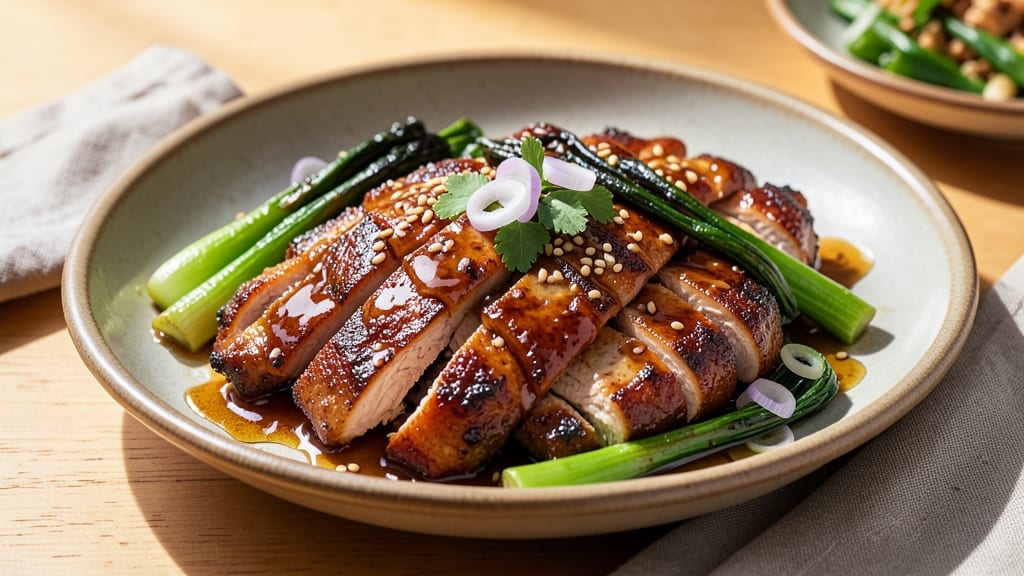
This Nissin teriyaki sauce recipe delivers the perfect sweet-savory balance you crave in stir-fries and glazes. I've perfected it over years of testing, ensuring that homemade version rivals store-bought—with none of the preservatives.
The secret lies in simmering soy sauce, sugar, and vinegar until thick and glossy, creating a glaze that caramelizes beautifully on proteins and vegetables.
The beauty of this sauce is its versatility—use it as a marinade for chicken or beef, a stir-fry glaze, or a dipping sauce for spring rolls. What makes it special is the controlled reduction process, which develops deep umami flavors while maintaining that signature teriyaki sweetness.
Unlike bottled versions, this recipe lets you adjust the sweetness to your preference with simple sugar adjustments.
What you'll end up with is a rich, aromatic sauce that's perfect for weeknight dinners or special occasions. The glaze clings beautifully to meats and vegetables, creating that glossy finish you see in restaurants.
With just five key ingredients and 20 minutes of active time, you'll have a professional-quality sauce ready to elevate any dish.
For those with dietary restrictions, I've included variations for gluten-free and spicy options in the tips section. The sauce also stores beautifully in the refrigerator for up to two weeks, making it a pantry staple worth repeating. Let's get started on creating your perfect homemade teriyaki sauce.
Ingredients for nissin teriyaki sauce
Five simple ingredients transform into a restaurant-quality teriyaki glaze that rivals Nissin's bottled version.
| Ingredient | Amount | Notes |
|---|---|---|
| Light Soy Sauce 🥢 | 1 cup | High-quality Japanese preferred |
| Dark Soy Sauce 🥢 | ½ cup | For deeper umami flavor |
| Granulated White Sugar 🍚 | ½ cup | Adjust for preferred sweetness |
| Rice Vinegar 🍶 | ½ cup | White or seasoned variety |
| Sesame Oil 🥜 | 1 tbsp | Toasted for nutty aroma |
| Garlic Cloves 🧄 | 4 cloves | Minced for aromatic depth |
| Ginger Root 🌿 | 1 tbsp | Freshly grated, peeled |
| Water 💧 | ½ cup | For thinning consistency |
The soy sauces are the foundation—Japanese brands like Kikkoman or Yamasa deliver the most authentic flavor profile. If you can only find one, light soy sauce works in a pinch, but the combination of light and dark creates that signature depth. For the sugar, granulated white is standard, but brown sugar adds subtle molasses notes if you prefer a richer sweetness. The rice vinegar should be white or seasoned—avoid apple cider vinegar, which can overpower the delicate balance. Sesame oil is non-negotiable for that authentic aroma, so grab the toasted variety from Asian markets or Trader Joe's—it makes all the difference.
No dark soy sauce? Double the light soy sauce and add 1 tsp molasses for depth. Running low on rice vinegar? Substitute apple cider vinegar at half the amount, but taste first—it's tangier. Fresh ginger and garlic are ideal, but powdered works at one-third the amount if you're in a rush. The water is your secret weapon for adjusting consistency—add more for a thinner glaze, less for a thicker one. Pro tip: Strain the sauce through a fine-mesh sieve after simmering to remove any garlic or ginger bits for a silky texture.
This sauce develops even better flavors over time—let it sit overnight in the fridge before using for maximum depth. Store in an airtight container for up to 2 weeks in the refrigerator, or freeze for 3 months in ice cube trays for single-use portions. The glaze reheats beautifully—simply warm in a saucepan over medium heat, stirring occasionally. For extra shine, add 1 tsp cornstarch slurry when reheating. Trust me, the first time you use this on grilled chicken or stir-fried veggies, you'll never buy bottled again.
Why You'll Love This Recipe
- Pantry Magic: I swear by this recipe—no specialty shopping, just five things you already have. Light soy for depth, dark soy for that caramelized punch, and a splash of rice vinegar to keep it bright. Honestly, I’ve made it three times this month because it’s that foolproof.
- Umami Bomb: That balance of sweet and salty? Chef’s kiss. The dark soy adds a molasses-like richness, while the sesame oil finishes with a nutty warmth. Drizzle it over grilled chicken or noodles—suddenly, everything tastes like a late-night takeout craving, but better.
- Meal Prep MVP: Make a double batch and store it in the fridge for up to two weeks. Toss it with pre-cooked rice and frozen veggies for a 10-minute dinner. Here’s what sold me—it’s my go-to for lazy Sundays or when I’m too tired to think past microwave meals.
- Budget Stretch: A little goes a long way, and this sauce costs pennies to make. I’ve used it to dress up cheap chicken thighs, turn store-brand tofu into a restaurant-worthy dish, and even glaze roasted potatoes. Not the prettiest, but the taste makes up for it every time.
Step-by-step instructions for Nissin teriyaki sauce
Here's how to craft that signature sweet-savory balance—rich, glossy, and packed with umami depth.
Combine the Base Sauce Ingredients
In a medium saucepan, whisk together the 1 cup light soy sauce, 0.5 cup dark soy sauce, and 0.5 cup granulated white sugar over medium-low heat. Stir continuously for 3-4 minutes until the sugar fully dissolves—you'll see the mixture transform from grainy to smooth. This is your flavor foundation, where the balance of salty, sweet, and umami begins to develop.
I like to use a heat diffuser or low setting here to prevent scorching. If you notice any sugar crystals lingering, add 1-2 tablespoons of water and stir until completely clear. This step ensures your sauce won't be grainy or clumpy later. The dark soy sauce adds that signature deep color and extra richness, so don't skip it.
Infuse with Aromatics and Vinegar
Add the 4 minced garlic cloves and 1 tablespoon freshly grated ginger root to the saucepan. Stir for 1-2 minutes until the garlic becomes fragrant but doesn't brown—you want aroma, not bitterness. Then pour in the 0.5 cup rice vinegar and bring the mixture to a gentle simmer over medium heat. The vinegar brightens the sauce and balances the soy's intensity.
Simmer for 5 minutes while stirring occasionally. You'll notice the sauce thicken slightly as the liquid evaporates. This is when the flavors start melding together—watch for a glossy sheen to develop on the surface. If the sauce reduces too quickly, add 1-2 tablespoons of water to maintain consistency. The goal is a smooth, syrupy texture without burning the aromatics.
Finish with Sesame Oil and Reduce
Remove the saucepan from heat and stir in the 1 tablespoon sesame oil. This adds a nutty depth that elevates the sauce from good to extraordinary. The oil should emulsify into the mixture, creating a silky finish. Return the pan to low heat and let the sauce simmer uncovered for 8-10 minutes, stirring frequently. This final reduction concentrates the flavors and achieves that perfect glaze-like consistency.
You're looking for a sauce that coats the back of a spoon smoothly—thick enough to cling to proteins but still pourable. If it thickens too much, thin with 1-2 tablespoons of water until it reaches your desired consistency. The sauce should smell complex: sweet, salty, tangy, and aromatic with hints of garlic and ginger. Taste and adjust seasoning—add a pinch more sugar if it's too salty, or a splash of vinegar if it's too sweet.
Strain and Store for Maximum Flavor
Let the sauce cool slightly, then strain it through a fine-mesh sieve into a clean bowl or jar. This removes any lingering garlic or ginger bits, leaving you with a silky-smooth glaze. The strained sauce will have a vibrant amber color and a glossy sheen—signs of a properly balanced teriyaki sauce.
Store the sauce in an airtight container in the refrigerator for up to 2 weeks, or freeze for up to 3 months. The flavors actually deepen over time, making this sauce perfect for meal prep. When ready to use, reheat gently over low heat, stirring occasionally, until warmed through. This homemade version delivers restaurant-quality depth that store-bought sauces simply can't match.
Pro Tips For Making Nissin Teriyaki Sauce
- Simmer Slow: This isn’t a race—drop the heat to medium-low once the sugar dissolves. I used to blast it on high, and the sauce would either scorch or taste flat. Let it bubble gently for 10 minutes, stirring occasionally, so the flavors meld instead of fighting.
- Balance the Vinegar: Rice vinegar adds brightness, but too much turns your sauce sour. Start with 1 tablespoon, taste, then adjust. If you’re unsure, add it gradually—you can always fix it, but you can’t un-sour it.
- Whisk in Sugar First: Mix the sugar into the soy sauces before adding heat—this prevents grainy clumps. I learned this after scraping burned sugar off my pan three times. A quick whisk with a fork works if you’re lazy, but a proper whisk ensures smoothness.
- Finish with Cold Oil: Add the sesame oil off the heat and stir immediately—heat destroys its nutty flavor. I was skeptical until I tried it; now I swear by it. A splash of cold oil at the end makes all the difference.
Serving suggestions for leftovers
Protein Pairings
This teriyaki sauce shines brightest on grilled chicken thighs—their juicy texture soaks up the glaze beautifully. I like to marinate 1.5 lbs boneless thighs in ½ cup sauce for 2-4 hours before grilling at 400°F for 20-25 minutes.
For beef lovers, try ribeye steaks—brush with sauce during the last 3 minutes of searing for a caramelized crust. 🔥
Vegetable Complements
Stir-fried bok choy and snap peas become stars when tossed with 2 tablespoons sauce at the end of cooking. For extra crunch, add shredded cabbage and carrots—their natural sweetness enhances the teriyaki's balance. I often serve these with steamed jasmine rice to soak up any extra glaze.
Dipping Sauce Magic
Thin the sauce with 1-2 tablespoons water for a perfect dipping sauce—ideal for spring rolls, egg rolls, or fresh mochi. For a spicy kick, add ½ teaspoon sriracha or 1 teaspoon gochujang.
I keep a small bowl of this ready whenever I make homemade dumplings—it's always a hit with kids and adults alike. 🥢
Breakfast Twist
Use this sauce as a pancake or waffle syrup—drizzle over buttermilk pancakes with a sprinkle of toasted sesame seeds. For a savory breakfast, brush onto grilled cheese sandwiches with sharp cheddar and bacon for a sweet-savory combo that'll surprise your taste buds.
Meal Prep Hack
Freeze leftover sauce in ice cube trays for single-use portions. Thaw cubes in the fridge overnight, then use to glaze rotisserie chicken or roasted Brussels sprouts. This method keeps your sauce fresh for up to 3 months without sacrificing flavor—perfect for busy weeknights. ✨
Dessert Surprise
Reduce the sauce by half (simmer uncovered for 10-15 minutes) to create a glossy glaze for rice pudding or baked apples. The caramelized sweetness pairs wonderfully with vanilla ice cream or whipped cream.
I once served this over panna cotta at a dinner party—it was the unexpected hit of the night! 🍎
Nutrition facts
Frequently asked questions
Can I make this teriyaki sauce gluten-free?
Yes! Replace the soy sauces with tamari or coconut aminos (use 1.5 cups total for the same flavor impact). The texture will be slightly thinner, so reduce the water to 2 tablespoons instead. Gluten-free versions work beautifully on grilled salmon or tofu stir-fries. Always check labels—some tamari brands contain wheat.
Why did my homemade teriyaki sauce turn out too salty?
This usually happens when the sugar doesn't fully dissolve or the sauce reduces too much. To fix it, stir in 1-2 tablespoons of honey or maple syrup while warm, or thin with 1 tablespoon water and add a pinch more sugar. For future batches, taste after 5 minutes of simmering—adjust then rather than waiting for full reduction.
How can I use this sauce beyond stir-fries?
This versatile glaze works as a marinade for kebabs (combine with 1 tbsp olive oil), a pizza sauce (thin with water), or even a grilling sauce for vegetables. My favorite unexpected use? Brush onto baked sweet potatoes with a sprinkle of crushed peanuts—the sweetness balances perfectly. The possibilities are endless!
Can I make a smaller batch for just one meal?
Halve all ingredients for a single-serving glaze. Simmer in a small saucepan for 10-12 minutes total. This works perfectly for 2 chicken breasts or a small stir-fry. Store leftovers in the fridge for up to 1 week—great for quick weeknight meals when you only need a little extra sauce.
What's the best way to store leftover teriyaki sauce?
For short-term storage, keep in an airtight container in the fridge for up to 2 weeks. For longer storage, freeze in ice cube trays—thaw overnight in the fridge before using. The sauce actually develops deeper flavors when refrigerated! Reheat gently over low heat, stirring occasionally to prevent scorching.