
Sauces & Condiments
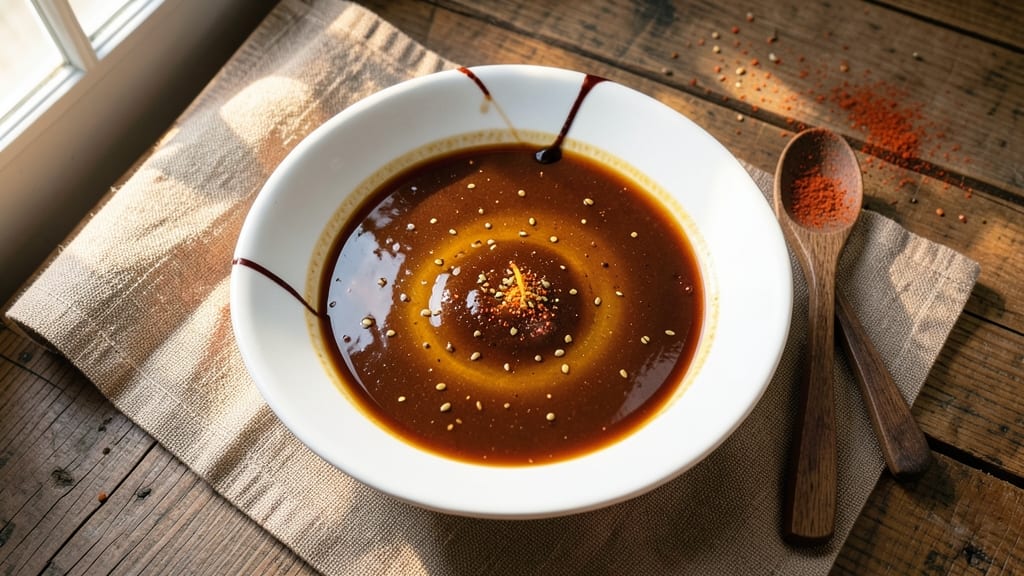
This Louisiana licker sauce recipe transforms humble ingredients into a fiery, vinegar-forward condiment that clings to wings like a second skin. The secret lies in celery seeds and cayenne—together, they create a complex heat that lingers long after the last bite.
I developed this version after years of testing, ensuring the balance between tangy, smoky, and spicy never wavers.
The sauce starts with apple cider vinegar as its backbone, brightened by Worcestershire and a touch of mustard for depth. A slow simmer reduces the mixture into a glossy, syrupy consistency that coats every surface.
The celery seeds add an earthy aroma, while cayenne delivers the signature kick that makes this sauce a Southern staple.
What you’ll end up with is a versatile condiment that elevates fried foods, sandwiches, or even cocktails. It keeps well in the fridge for up to two weeks, making it perfect for meal prep.
The sauce’s sticky texture ensures it doesn’t just sit on top—it clings, delivering bold flavor with every bite.
Pair it with crispy fried chicken, spicy shrimp, or even a Bloody Mary for a taste of Louisiana’s boldest flavors. The recipe is simple, but the results are anything but ordinary—this is the kind of sauce that turns good food into unforgettable meals.
Ingredients for louisiana licker sauce
Celery seeds and cayenne transform simple pantry staples into a sauce that clings like magic.
| Ingredient | Amount | Notes |
|---|---|---|
| Apple Cider Vinegar 🍏 | 1 ½ cups | Raw, unfiltered preferred |
| Worcestershire Sauce 🍶 | ½ cup | Anchovy-free if needed |
| Yellow Mustard 🥬 | ¼ cup | Dijon for extra depth |
| Celery Seeds 🌿 | 1 ½ tbsp | Whole seeds, lightly toasted |
| Cayenne Pepper 🌶️ | 1 ½ tsp | Adjust for heat preference |
| Brown Sugar 🍬 | ½ cup | Light or dark variety |
| Garlic Cloves 🧄 | 3 cloves | Minced for smooth texture |
| Smoked Paprika 🌶️ | 1 tsp | For smoky depth |
| Black Peppercorns 🌶️ | ½ tsp | Freshly cracked |
| Salt 🧂 | 1 ½ tsp | Kosher or sea salt |
The apple cider vinegar is the heart of this sauce—Bragg or Texas Pete are my go-tos, but any raw, unfiltered brand works. Celery seeds are non-negotiable; they bring that earthy, aromatic backbone that separates this from regular hot sauce. Penzeys sells them in bulk, or check the spice aisle at Whole Foods. Toast the seeds lightly in a dry pan for 30 seconds before adding—they’ll release their oils and deepen the flavor. Cayenne is where the heat lives, so adjust to taste, but don’t skip it entirely. The smoked paprika adds that signature Louisiana smokiness, and McCormick’s smoked variety is a reliable choice.
No Worcestershire? Soy sauce plus a splash of balsamic vinegar mimics the umami depth. Running short on celery seeds? Dried celery flakes at half the amount work in a pinch, though fresh seeds are ideal. Mustard too strong? Swap in yellow mustard at 1:1 ratio—Dijon has more bite. The brown sugar caramelizes during simmering, so don’t rush the reduction. For a sweeter finish, add an extra tablespoon, but trust the process: the sauce will balance itself. If you’re making this ahead, taste as it reduces—adjust salt and cayenne gradually.
This sauce thickens as it cools, so don’t panic if it looks too thin after simmering. Store in a clean glass jar with a tight seal—it’ll keep in the fridge for up to 2 weeks, though I rarely have any left that long. The flavor actually improves after the first day as everything melds. For gifting, transfer to small jars or bottles—it makes a fantastic hostess present. Freeze portions if you won’t use them within two weeks, though the texture stays perfect without freezing. Thin with a splash of vinegar if it gets too thick after storage.
Why You'll Love This Recipe
- Pantry Magic: I swear by this sauce because it lives in my fridge year-round—just vinegar, mustard, and a few spices. No fresh herbs to wilt, no last-minute grocery runs. The celery seeds alone give it that signature depth, and honestly? I’ve made it blindfolded.
- Tangy Kick: That cayenne isn’t just heat—it’s a wake-up call. The apple cider vinegar cuts through the richness while the Worcestershire adds this weirdly addictive umami. Drizzle it on fries, and suddenly everything’s got a little je ne sais quoi that makes you lick the plate.
- Weeknight Swiss Army: Between us, this is my go-to for lazy nights, potlucks, or when the kids beg for "something fun." Toss it on burgers, mac and cheese, or even scrambled eggs—it works. I’ve even used it to revive sad takeout. (Yes, even on a Tuesday night.)
- Zero-Waste Winner: A little goes a long way, so I make a big batch and let it sit. The flavors meld over time, and the leftovers? They’re my secret weapon for quick meals. Plus, it’s cheap—like, $3 cheap—and never goes bad. My wallet and I both approve.
Step-by-step instructions for Louisiana licker sauce
This recipe delivers bold, tangy flavor that clings perfectly to wings and fried foods.
Toast the Celery Seeds and Spices
In a dry skillet over medium heat, add the 1.5 tablespoons celery seeds and toast for 2-3 minutes until fragrant and lightly golden. The seeds will release their nutty aroma as they warm. Immediately transfer them to a small bowl to cool slightly—this prevents them from burning when added to the vinegar.
Next, add the 3 minced garlic cloves, 1 teaspoon smoked paprika, and 0.5 teaspoon freshly cracked black peppercorns to the same skillet. Toast for another 30 seconds until the garlic is fragrant but not browned. Remove from heat and let cool for 1 minute—this ensures the spices won't lose their flavor when mixed with the vinegar.
Combine Wet Ingredients
In a medium saucepan, combine the 1.5 cups apple cider vinegar, 0.5 cup Worcestershire sauce, and 0.25 cup yellow mustard. Stir well to integrate the flavors. Place the saucepan over medium heat and bring to a gentle simmer, which should take about 3-4 minutes. The mixture should bubble softly but not boil vigorously.
Add the toasted celery seeds, garlic, smoked paprika, and black peppercorns to the simmering vinegar mixture. Stir constantly for 2 minutes to distribute the spices evenly. This step infuses the vinegar with deep, celery-forward flavor that defines authentic Louisiana licker sauce.
Sweeten and Simmer
Reduce the heat to low and add the 0.5 cup brown sugar and 1.5 teaspoons salt. Stir until the sugar dissolves completely, which should take about 1-2 minutes. The sauce should begin to thicken slightly as the sugar caramelizes.
Increase the heat to medium-low and let the sauce simmer uncovered for 15-20 minutes, stirring occasionally. You're looking for a syrupy consistency—when you lift the spoon, the sauce should coat the back smoothly but still drip slowly. If it thickens too quickly, add 1 tablespoon water at a time to adjust.
Cool and Rest for Maximum Flavor
Remove the sauce from heat and let it cool to room temperature, stirring occasionally. This resting period allows the flavors to meld completely, resulting in a well-balanced sauce with layers of tang, sweetness, and spice. The sauce will continue to thicken as it cools, so don't be alarmed if it looks slightly looser when hot.
Once cooled, transfer the licker sauce to a clean glass jar or airtight container. Store in the refrigerator for up to 2 weeks, or freeze for up to 3 months. The sauce will thicken further when chilled—simply reheat gently on the stove with a splash of water if needed to loosen it before serving.
Pro Tips For Making Louisiana Licker Sauce
- STIR CONSTANTLY: This sauce is no time to walk away—keep that pot moving over medium heat. I learned this the hard way when my first batch split into a thin, vinegary mess because I got distracted. A wooden spoon, fast strokes, and your full attention guarantee a smooth, thickened sauce every time.
- GRIND THE SEEDS: Whole celery seeds? Skip it. Toast them in a dry pan for 30 seconds first, then grind into powder—this releases their aroma. I was skeptical until I tried it; the flavor jumps from subtle to there. A mortar and pestle works, but a spice grinder is faster and more consistent.
- MEASURE THE VINEGAR: Don’t eyeball the apple cider vinegar—use a scale if you’re precise. A full ¼ cup (60ml) makes the difference between tangy and overpowering. I used to pour it straight from the bottle, and the balance was always off. A kitchen scale solves this forever.
- THIN WITH WATER: If the sauce thickens too fast, don’t panic—just add 1 tablespoon of water at a time. I used to dump in too much at once, turning it into a gloppy disaster. Slow adjustments keep the texture perfect for dipping or drizzling.
Essential equipment for great louisiana licker sauce
Small-Pot Simmering
You don’t need a fancy pot for this sauce—I use a 3-quart stainless steel saucepan from All-Clad because it heats evenly and prevents scorching. If you’re working with a smaller batch, a 2-quart saucepan works perfectly.
The key is keeping the heat medium-low to avoid burning the sugar or spices. A tempered glass lid helps monitor the simmer without losing moisture. 🌡️
Immersion Blender
For a smoother texture without seeds, strain the sauce through a fine-mesh sieve after simmering. If you prefer to keep the seeds for texture, use an immersion blender (like the Ninja CB101) to blend briefly—just 5-10 seconds—to break up any large particles while preserving the celery flavor.
This step is optional but ensures a silky finish. ✨
Spice Grinder
Freshly cracked black peppercorns make all the difference, so invest in a high-quality pepper grinder like the Baratza Encore. For celery seeds, a mortar and pestle works if you’re making this in small batches, but a spice grinder is faster.
Toasting spices in a dry skillet first amplifies their aroma—never skip this step! 🌶️
Storage Containers
Transfer the cooled sauce to glass jars with airtight lids—I love Ball Mason jars for their durability. For portion control, use small 8-ounce jars (like Ollala jars) for gifting or meal prep.
Label with the date, as the sauce thickens further in the fridge. If freezing, leave ½-inch headspace to prevent cracking. ❄️
Measuring Tools
Precision matters for balance, so use a digital kitchen scale for the brown sugar and salt. A spoon rest keeps your utensils organized while stirring. For the 1.5 tablespoons celery seeds, a measuring spoon set (like OXO’s) ensures accuracy.
A fine-mesh strainer is handy if you prefer a seed-free sauce. 🔥
Heat Diffuser
If your stovetop runs hot, place a diffuser disc (like Cuisinart’s) under the saucepan to distribute heat evenly. This prevents hot spots that could burn the sauce.
For electric stoves, medium-low heat is ideal—gas stoves may need slightly higher settings. Always simmer uncovered to let excess moisture evaporate naturally. 💡
Nutrition facts
Frequently asked questions
What makes Louisiana licker sauce different from hot sauce?
Licker sauce has a unique balance of sweet, tangy, and spicy flavors thanks to its celery seed base and brown sugar. Unlike hot sauce, which is primarily vinegar and cayenne, licker sauce includes Worcestershire and mustard for depth, plus a slow simmer that creates its signature sticky, syrupy texture.
Can I adjust the heat level in this recipe?
Start with the 1.5 teaspoons cayenne as written, then taste and adjust. For milder heat, reduce to 1 teaspoon or swap in ½ teaspoon cayenne plus ½ teaspoon smoked paprika. If you love spice, increase to 2 teaspoons cayenne—just remember it’ll intensify as the sauce cools.
How do I fix licker sauce that's too thick or too thin?
If too thick, thin with 1 tablespoon water or apple cider vinegar at a time while reheating gently. For thin sauce, simmer uncovered for 5-10 more minutes to reduce. The texture will adjust further as it cools—this is normal! For storage, stir in 1 teaspoon water before sealing if it thickens in the fridge.
What are the best foods to serve with licker sauce?
This sauce shines on fried foods like chicken wings, hushpuppies, or catfish. It also elevates sandwiches (especially po'boys), tacos, or even as a Bloody Mary mixer. For a Southern twist, drizzle over fried green tomatoes or use as a dip for deviled eggs. The sticky texture makes it perfect for anything that needs bold flavor clinging to it!
Can I make licker sauce without celery seeds?
You can substitute with ½ teaspoon dried celery flakes or 1 teaspoon ground celery seed, but fresh toasted seeds deliver the best aroma. For a different flavor profile, try ½ teaspoon ground coriander plus ¼ teaspoon fennel seeds, though the taste will be less authentic. The celery seeds are key to that signature Louisiana flavor!