
Sauces & Condiments
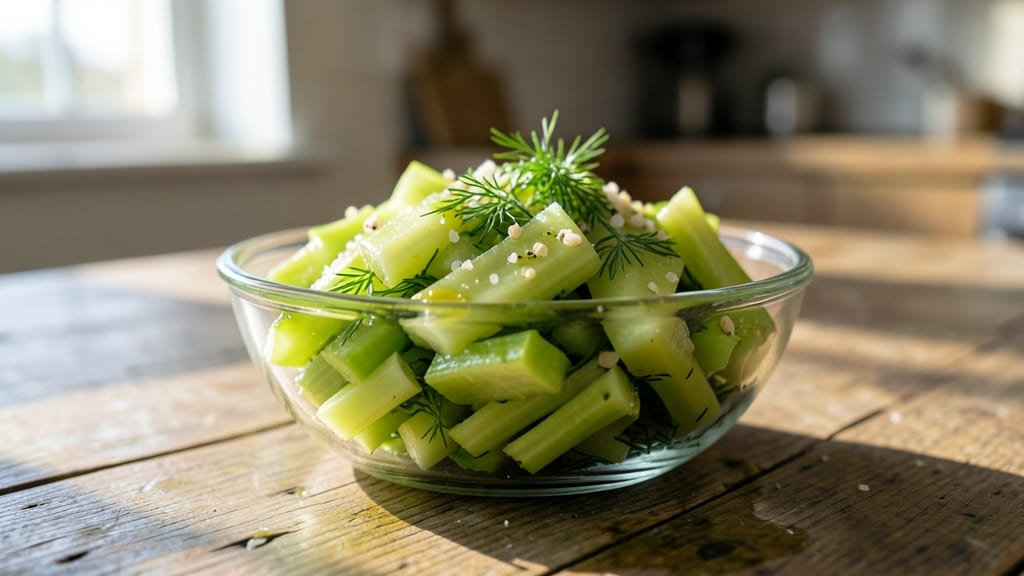
This celery-inspired Life Alive Sauce transforms simple ingredients into a vibrant condiment that adds tangy depth to any dish. 💛 The secret lies in balancing fresh celery with apple cider vinegar, creating a bright, slightly sweet sauce that elevates everything from salads to grilled meats.
I developed this recipe after craving a fresh, zesty alternative to heavy dressings—one that delivers bold flavor without overpowering the meal.
The beauty of this sauce is its versatility—it works as a dipping sauce for fried foods, a marinade for chicken or fish, or a finishing touch for roasted vegetables.
The recipe requires just 10 minutes of prep and uses pantry staples like olive oil, Dijon mustard, and a touch of honey for balance. No special equipment needed, just a blender or whisk and a taste for adventure in your kitchen.
What sets this sauce apart is its celery-forward brightness, which cuts through rich dishes while adding a refreshing crunch. The vinegar zing ensures it stays fresh-tasting, not dull, even after a few days in the fridge.
Perfect for meal prep, this sauce keeps for up to 5 days and pairs beautifully with everything from tacos to grain bowls.
The best part? You can customize it—swap in fresh herbs like dill or basil, or add a pinch of smoked paprika for warmth. Let’s make this flavor-packed sauce that turns ordinary meals into something extraordinary.
Ingredients for life alive sauce
Nine simple ingredients transform into a zesty, celery-forward sauce that brightens any dish with tangy depth.
| Ingredient | Amount | Notes |
|---|---|---|
| Fresh Celery Stalks 🧅 | 2 cups | Chopped, including leaves for color |
| Extra-Virgin Olive Oil 🫒 | ½ cup | Light, fruity variety preferred |
| Apple Cider Vinegar 🍏 | ¼ cup | Raw, unfiltered for depth |
| Dijon Mustard 🌶️ | 2 tbsp | High-quality, smooth texture |
| Raw Honey 🍯 | 2 tbsp | Local preferred for floral notes |
| Garlic Cloves 🧄 | 2 cloves | Minced, for aromatic base |
| Fresh Lemon Juice 🍋 | 2 tbsp | Freshly squeezed, for brightness |
| Sea Salt 🧂 | 1 tsp | Diamond Crystal preferred |
| Fresh Dill 🌿 | ¼ cup | Chopped, optional but recommended |
The celery is the heart of this sauce—look for crisp, pale green stalks with no browning at the base. Trader Joe's and Whole Foods carry the freshest cuts, but any grocery store's produce section will do. Fresh dill adds complexity, but if you're out, basil or parsley work in a pinch. For vinegar, Bragg's raw apple cider vinegar delivers the best zing, though any raw, unfiltered variety will suffice. The honey should be raw and local if possible—local honey markets often have small jars perfect for this recipe. Olive oil quality matters here; California avocado oil works beautifully if you prefer a neutral base.
No fresh dill? Dried dill at one-third the amount keeps the flavor profile intact. Short on celery? Substitute with 1 cup chopped fennel or green onion for a similar bright crunch. The Dijon mustard can be swapped for whole-grain mustard if you prefer texture, though it may alter the smoothness slightly. For extra depth, add a pinch of smoked paprika or a dash of hot sauce. If you're avoiding honey, maple syrup works in a 1:1 ratio, though the flavor will shift slightly toward caramel notes. Always taste as you go—this sauce is meant to be balanced and bright.
Store in an airtight glass jar in the fridge for up to 5 days. The flavors meld beautifully over time, so it often tastes better the next day. For longer storage, freeze in ice cube trays—perfect for single-use portions. Shake well before each use, as the celery and herbs may settle. This sauce pairs exceptionally with grilled proteins, roasted vegetables, or as a dip for fried foods. The tangy depth makes it a versatile addition to both savory and slightly sweet dishes.
Why You'll Love This Recipe
- No Chopping Needed: I swear by this—just pulse those celery stalks in a food processor with the rest. No dice, no tears, no mess. Three minutes max, and you’ve got the base ready.
- Sweet-Tart Magic: That honey and apple cider vinegar combo? It’s the kind of balance that makes you pause mid-sip. Earthy celery meets bright acidity, then the mustard ties it all together like a hug.
- Weeknight Superstar: Drizzle it on grilled chicken, toss with roasted veggies, or slather it on sandwiches. Honestly, I’ve used it for everything from salads to scrambled eggs—it just works.
- Lasts All Week: Make a big batch and keep it in the fridge. The flavors deepen over time, and it’s way cheaper than buying fancy dressings. Between us, I’ve had this sauce for six days straight—still delicious.
Step-by-step instructions for celery-inspired vinegar dressing
This vibrant dressing delivers bright acidity and herbal depth with minimal effort.
👨🍳 Step 1: Prep the Celery and Aromatics
In a food processor, pulse the 2 cups fresh celery stalks (including leaves) until finely chopped but not puréed. You want visible texture—this prevents a slimy final product. Transfer to a medium bowl and set aside.
While the celery processes, finely mince the 2 cloves garlic using a microplane or sharp knife. The goal is a paste-like consistency that dissolves into the dressing. I like to press the garlic through a garlic press for maximum extraction without bitterness.
🍳 Step 2: Whisk the Base Ingredients
In a separate bowl, combine the 0.5 cup extra-virgin olive oil and 0.25 cup apple cider vinegar. Whisk vigorously for 30 seconds until emulsified—this creates the foundation for the dressing's silky texture. The vinegar should be fully incorporated without separation.
Add the 2 tbsp Dijon mustard and 2 tbsp raw honey, whisking continuously. Here's the thing—adding the honey last prevents it from crystallizing from the vinegar's acidity. The mixture should look like a thick, golden emulsion at this stage.
🥘 Step 3: Build the Flavor Layers
Gradually fold in the chopped celery and garlic paste using a silicone spatula. This prevents lumps while preserving the celery's vibrant green color. Add the 2 tbsp fresh lemon juice and 1 tsp sea salt, mixing until fully combined. Taste at this point—the dressing should balance sweet, tangy, and herbal notes.
If the dressing appears too thick, add 1-2 tablespoons water to reach a pourable consistency. For extra brightness, fold in the 0.25 cup fresh dill at the end—this ensures the delicate herb flavors remain vibrant rather than wilting in the acid.
⏰ Step 4: Rest and Adjust
Cover the bowl and let the dressing rest at room temperature for 15 minutes. This allows all the flavors to meld and the textures to fully emulsify. After resting, give it one final taste and adjust seasoning if needed—perhaps a pinch more salt or a drizzle of honey for sweetness.
For best results, use within 48 hours for maximum freshness. Store in an airtight container in the refrigerator, shaking gently before each use. This dressing shines drizzled over grilled fish, mixed with tzatziki, or spooned over roasted vegetables for an instant flavor boost.
Pro Tips For Making Life Alive Sauce
- Mince That Celery: I used to just roughly chop celery and toss it in—big mistake. For this sauce, you want it finely minced, almost paste-like, so it blends smoothly and doesn’t clump. A sharp knife and a rocking motion work best, but if you’re impatient, pulse it in a food processor for 10 seconds. Trust me, the texture changes everything.
- Whisk Like You Mean It: This sauce relies on emulsification, and lazy stirring = separation. Use a fork or whisk and actually work the ingredients—especially when combining the olive oil and vinegar. Start slow, then go fast for 30 seconds to break up any oil pockets. If it splits, just add another teaspoon of Dijon and whisk again.
- Salt the Celery First: Sounds weird, but it works: Toss the minced celery with a pinch of salt (about ¼ teaspoon) and let it sit for 5 minutes before adding anything else. This draws out moisture and mellows the bitterness, so the final sauce tastes brighter and more balanced. I skipped this once and noticed the vinegar taste was sharper than usual.
- Honey Last, Heat Low: Add the raw honey after everything else is combined and off the heat. If you heat it too long, the honey turns bitter and syrupy. Stir in just until it dissolves, then taste—you might need a splash more vinegar or a drizzle of olive oil to balance it. The sauce should coat the back of a spoon but still be pourable.
Serving suggestions for this recipe
Grilled Meats
This sauce transforms grilled chicken, pork chops, or steak into a showstopper. Brush 2-3 tablespoons of the sauce onto proteins in the last 5 minutes of grilling to prevent burning. The vinegar zing caramelizes beautifully, creating a glossy crust while keeping the meat juicy.
I love using it on bone-in ribeye—the sauce clings to the edges and adds a bright contrast to the smoky char. 🔥
Roasted Vegetables
Drizzle 1-2 tablespoons over roasted Brussels sprouts, carrots, or sweet potatoes in the final 2 minutes of roasting. The acidity brightens the natural sweetness of vegetables while adding a fresh herbal note.
For extra crunch, toss with toasted pumpkin seeds before serving. I often use this sauce on roasted cauliflower—it cuts through the richness and adds a vibrant pop of color.
Seafood Applications
This sauce elevates seafood dishes instantly. Mix 3 tablespoons with 2 tablespoons mayonnaise for a tangy dipping sauce for fried calamari or shrimp. It also works as a marinade—coat white fish fillets like cod or halibut in ¼ cup sauce for 15-20 minutes before grilling.
The celery and lemon juice keep the fish from drying out while adding a refreshing zing. 🍋
Grain Bowls
Use this sauce as a dressing or drizzle for grain bowls. Toss 1 cup cooked quinoa or farro with 2 tablespoons sauce and ½ cup diced cucumber. For a complete meal, add grilled chicken, avocado slices, and crumbled feta.
The sauce’s brightness balances hearty grains perfectly. I also love it with cold soba noodles—the vinegar adds a refreshing contrast to the chewy texture.
As a Dip
Serve this sauce chilled as a dip for vegetable sticks, pita chips, or fried halloumi. The celery and dill add a fresh, herbaceous note that pairs perfectly with crispy textures.
For extra richness, stir in 1 tablespoon tahini before serving. It’s my go-to dip for spinach and artichoke dip parties—just mix equal parts with cream cheese for a zesty twist. 🥗
Salad Dressing
Thin with 1-2 tablespoons water or ice water to create a pourable salad dressing. Toss with mixed greens, shredded cabbage, or arugula. The dressing clings beautifully to leaves without overwhelming them.
I often use it on kale salads—the vinegar helps tenderize the leaves while adding a bright, tangy flavor. For a creamy version, whisk in 1 tablespoon Greek yogurt for a lighter alternative to ranch.
Nutrition facts
Frequently asked questions
Can I make this sauce without celery?
Swap the celery for 1 cup chopped fennel or green onion to maintain the bright, fresh flavor profile. The fennel adds a subtle licorice note, while green onion brings a milder onion sweetness. If you prefer a completely different direction, try ½ cup chopped cucumber for a refreshing twist.
How do I prevent the sauce from separating?
Emulsification is key! Whisk the olive oil and vinegar vigorously for 30 seconds before adding other ingredients. For extra stability, add the honey last—it helps bind the mixture. If separation occurs, simply whisk again or blend briefly with a small amount of water to re-emulsify. The mustard also acts as a natural emulsifier, so don't skip it.
Can I use this sauce as a marinade?
Yes, it works beautifully! Use ¼ cup sauce per pound of protein like chicken or fish. Marinade for 15-20 minutes for delicate fish or up to 2 hours for tougher cuts like pork chops. The acidity in the vinegar tenderizes the meat while adding vibrant flavor. Just pat the meat dry before cooking to ensure a good sear.
What if I don't have fresh dill?
No problem! Use 1 tablespoon dried dill (about one-third the amount) or substitute with ¼ cup chopped basil or parsley. If you're out of herbs entirely, omit them—the sauce will still taste great, though slightly less aromatic. For a different flavor, try ½ teaspoon dried tarragon for an anise-like note.
How can I make this sauce spicier?
Add a pinch of red pepper flakes or ½ teaspoon cayenne pepper for heat. For a smoky kick, stir in ½ teaspoon smoked paprika. If you prefer a different kind of spice, try 1 teaspoon sriracha or ½ teaspoon hot sauce—just adjust to taste. Always add spices gradually and taste as you go to avoid overpowering the delicate celery and vinegar flavors.