
Sauces & Condiments
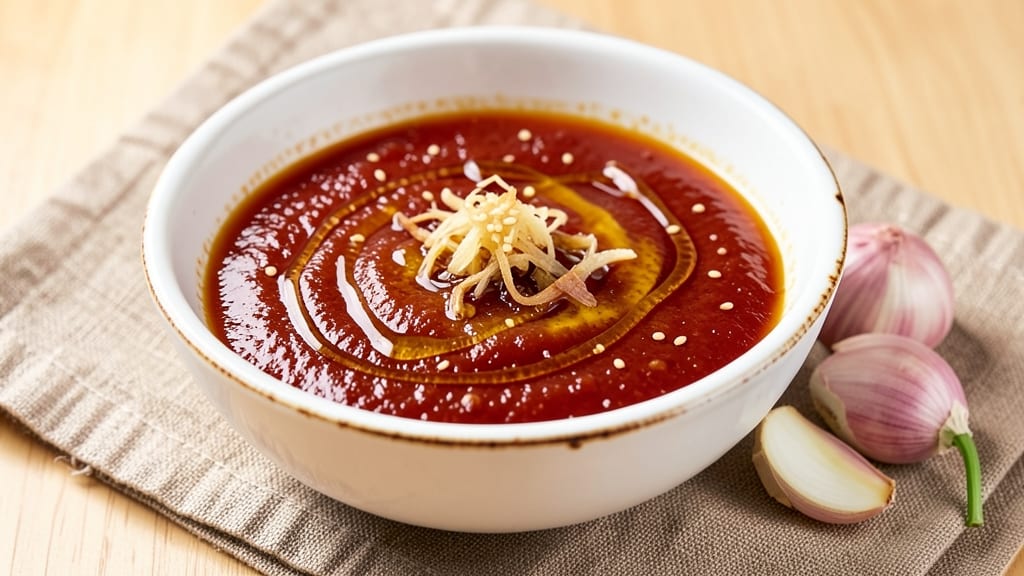
This Korean gochujang sauce recipe transforms simple pantry staples into a complex, umami-rich condiment that elevates every dish it touches. The secret lies in balancing fermented gochujang’s deep spice with sweetness and tang, creating a sauce that’s as versatile as it is addictive.
I’ve perfected this recipe over years of testing—it’s the one I reach for when I need restaurant-quality flavor without the fuss.
The foundation is built on fermented soybean paste (gochujang), which provides that signature Korean depth, paired with sugar to mellow the heat and rice vinegar for brightness. A touch of garlic and sesame oil adds layers of aroma, while honey or maple syrup helps control the spice level.
The result? A sauce that’s rich, slightly sweet, and perfectly tangy—ideal for marinades, dipping sauces, or dressings.
What makes this sauce truly special is its adaptability. Use it to glaze grilled meats, stir into noodle bowls, or drizzle over fried rice. The flavors deepen as it sits, so making a batch ahead of time ensures you’re always ready for quick, flavor-packed meals.
Plus, it keeps well in the fridge for up to two weeks or freezes beautifully for longer storage.
Whether you’re a home cook looking to add authentic Korean flavors to your repertoire or a seasoned chef refining your sauce collection, this gochujang sauce delivers restaurant-quality results with minimal effort. Let’s get started—your taste buds will thank you.
Ingredients for korean gochujang sauce
Nine essential ingredients blend fermented heat, sweetness, and tang for restaurant-quality gochujang sauce.
| Ingredient | Amount | Notes |
|---|---|---|
| Gochujang Paste 🌶️ | ½ cup | Korean fermented soybean paste (not sweetened) |
| Rice Vinegar 🍶 | ⅓ cup | White or seasoned variety |
| Honey 🍯 | ¼ cup | Or maple syrup for vegan option |
| Sesame Oil 🫒 | 1 tbsp | Toasted for nutty aroma |
| Garlic Cloves 🧄 | 4 cloves | Minced or finely grated |
| Fresh Ginger 🌿 | 1 tbsp | Finely grated, peeled |
| Soy Sauce 🍶 | 2 tbsp | Light or dark variety |
| Toasted Sesame Seeds 🌾 | 1 tbsp | For garnish and texture |
| Salt 🧂 | ½ tsp | Adjust to taste |
Gochujang is the heart of this sauce—don't substitute with red pepper paste. I always grab Maesil Gochujang from Korean markets or the Asian aisle at Whole Foods, but the jarred brands like Dae Jang Gochujang work perfectly too. The paste should be thick, slightly sticky, and have that deep, fermented aroma. If it smells sharp or overly sweet, it's past its prime. Fresh ginger and garlic are non-negotiable here—they're what elevates this from basic sweet-spicy to restaurant-quality umami. Costco sells pre-minced garlic in tubes, which saves time, but fresh is always better.
No honey? Maple syrup or agave works just as well—just match the sweetness to your spice tolerance. Running out of sesame oil? Avocado oil or neutral oil will work, but the toasted nutty flavor is what makes this sauce special. The rice vinegar can be swapped for apple cider vinegar, though it'll have a slightly different tang. If you're sensitive to heat, reduce the gochujang to 1/4 cup and add a splash more honey. The sauce thickens as it sits, so if it's too thin, simmer it uncovered for 5-10 minutes. And for the love of flavor, toast your sesame seeds in a dry pan first—it makes all the difference.
This sauce gets better with time—let it sit for at least an hour before using to let the flavors meld. Store it in a glass jar in the fridge for up to 2 weeks, or freeze for 3 months. I always make a double batch because it disappears fast—perfect for marinades, dipping sauces, or glazes. If it thickens too much, stir in a splash of water or vinegar to loosen it up. The sesame seeds can be toasted fresh each time you use it, or sprinkle them right over the sauce before serving.
Why You'll Love This Recipe
- Five-Ingredient Magic: I swear, this sauce is the culinary equivalent of a good nap—just mix, simmer, and boom. No chopping mountains of veggies, no balancing five sauces, just stir in that gochujang, garlic, and honey while you wait for the rice to cook.
- Sweet Heat Balance: That first bite? It’s like a hug from your favorite Korean grandma—smoky from the gochujang, bright from the vinegar, and the honey just melts the spice into something you’ll lick the bowl over. (Yes, even on a Tuesday night.)
- Dip, Drizzle, Repeat: Slather it on grilled chicken, toss it with noodles, or just eat it with chopsticks—no judgment. Honestly, I’ve used it for everything from breakfast eggs to leftover roasted veggies, and it never lets me down.
- Pantry Goldmine: A jar of gochujang lasts forever, and the rest of the ingredients? Probably already in your cupboard. Between us, this sauce costs less than takeout but tastes like you spent hours in the kitchen—without the stress.
Step-by-step instructions for Korean gochujang sauce
Here's how to blend bold flavors into a velvety sauce that's perfect for dipping, drizzling, or glazing.
Bloom the Aromatics
Heat a small saucepan over medium-low heat and add the 1 tablespoon sesame oil. Swirl gently to coat the pan—this helps distribute the oil's nutty aroma evenly. Add the 4 cloves minced garlic and 1 tablespoon finely grated ginger, stirring constantly for 30-45 seconds until fragrant but not browned.
Watch closely here—the garlic should smell sweet and pungent, not burnt. If it starts to darken, reduce the heat immediately. These aromatics form the flavor base, so proper development is key. Let them cook just until they release their oils, creating the foundation for your sauce's complexity.
Combine Wet Ingredients
Reduce heat to low and add the 0.5 cup gochujang paste and 2 tablespoons soy sauce, stirring vigorously to incorporate. The gochujang will thicken slightly as it warms, so keep stirring to prevent sticking. Add the 0.33 cup rice vinegar next, followed by the 0.25 cup honey—this order prevents the honey from burning.
Here's where the magic happens: the gochujang's fermented depth meets the vinegar's tang and honey's sweetness. Stir for 1-2 minutes until the mixture becomes smooth and begins to thicken. You're looking for a consistency between thick syrup and loose paste—it should coat the back of a spoon but still flow freely.
Simmer and Thicken
Increase heat to medium-low and bring the mixture to a gentle simmer. Let it cook uncovered for 5-7 minutes, stirring occasionally, until it reduces by about 20%. You'll notice the sauce becoming glossy and slightly thicker as moisture evaporates. The aroma should deepen with layers of fermented, sweet, and umami notes.
This reduction step concentrates the flavors and creates that signature gochujang sauce texture. If it thickens too much, add 1 teaspoon water at a time until you reach your desired consistency. The sauce should be thick enough to cling but still pourable. Taste and adjust the 0.5 teaspoon salt if needed—this balances all the complex flavors.
Finish and Garnish
Remove the sauce from heat and stir in the 1 tablespoon toasted sesame seeds. These add both visual contrast and nutty depth. Let the sauce sit for 5 minutes to allow the sesame seeds to infuse their flavor. The sauce will continue to thicken slightly as it cools—this is normal and desirable.
For best results, use the sauce immediately while warm, but it will keep in the refrigerator for up to 1 week in an airtight container. The flavors actually improve with time as the components meld together. This versatile sauce works equally well as a dipping sauce for dumplings, a glaze for grilled meats, or a marinade for tofu—let your creativity guide you!
Pro Tips For Making Korean Gochujang Sauce
- Bloom the Garlic: Mince those garlic cloves fine—think cloud-like, not choppy—and let them sit in the pan for 30 seconds before adding the gochujang. I used to rush this, and the sauce would taste raw; giving the garlic time to soften and release its oils makes the whole dish sing. (Yes, even if you’re impatient like me.)
- Balance the Heat: Taste your sauce before adding honey—gochujang varies wildly in spice level. If it’s too fiery, a splash of rice vinegar cools it down faster than honey alone. I learned this the hard way after serving a batch that made my friend’s eyes water.
- Warm the Gochujang: Mix the gochujang paste into warm sauce, not cold. Cold paste clumps like glue and fights the sesame oil, making your sauce grainy. Stir it into the vinegar and honey first, then let the heat from the pan melt it in—smooth as silk.
- Swap Honey for Sugar: If you’re in a pinch, substitute honey with brown sugar (1:1) and a splash of water to dissolve it. The sauce won’t be as glossy, but it’ll still taste rich and balanced—no one will miss the honey. (I skip this when I’m lazy, but it works.)
Best sauces and condiments for this korean gochujang sauce
Sweet-Spicy Balance
The magic of gochujang sauce lies in its three core flavors: fermented heat, sweetness, and tang. I always adjust the honey-to-gochujang ratio first—start with ¼ cup honey for ½ cup gochujang, then tweak based on spice tolerance.
For milder heat, reduce gochujang to ¼ cup and add 2 extra tablespoons honey. The rice vinegar (⅓ cup) cuts through the richness, so don’t skimp—it’s what makes the sauce bright and complex. 🌶️
Pro tip: Taste as you go! After combining all ingredients, let the sauce sit for 5 minutes before adjusting. The flavors meld quickly, so small tweaks now prevent overcorrecting later.
If it’s too spicy, add 1 more tablespoon honey; too sweet? Balance with 1 extra teaspoon rice vinegar. Trust your palate—this sauce is all about personal preference.
Umami Boosters
For deeper umami, stir in 1 teaspoon fish sauce or 1 tablespoon miso paste during the simmer. I love adding 1 teaspoon toasted sesame paste (not oil) for an extra layer of nutty richness.
These additions elevate the sauce from good to restaurant-quality—perfect for glazing proteins or drizzling over noodles. Just remember: umami builds gradually, so add these toward the end of cooking. ✨
Don’t overlook the soy sauce (2 tablespoons). It’s not just for salt—it adds a savory depth that rounds out the flavors. For extra complexity, swap 1 tablespoon of the soy sauce for 1 teaspoon of doubanjiang (Chinese fermented chili bean paste).
The result? A sauce with double the fermented funk and a smoky edge.
Texture Control
If your sauce turns out too thick, thin it with 1 teaspoon water or rice vinegar at a time. For extra gloss, simmer uncovered for 2-3 extra minutes—this enhances the sauce’s clinginess, making it ideal for glazes.
I’ve found that glass jars (like Ball Mason jars) preserve texture better than plastic during storage. 💡
For a smoother finish, blend the sauce with an immersion blender for 10-15 seconds after simmering. This removes any graininess while keeping the toasted sesame seeds intact.
If you prefer texture, skip blending—just stir vigorously before serving. The choice depends on how you’ll use it: drizzle (smooth) or dip (textured).
Storage Secrets
Let the sauce cool completely before storing to prevent condensation. I always transfer it to a clean, dry glass jar with a tight-sealing lid—this keeps it fresh for 2 weeks in the fridge.
For longer storage, freeze in ice cube trays for portion control. Thaw overnight in the fridge or microwave in 10-second bursts until warmed through. ❄️
Frozen sauce may thicken slightly—stir in 1 teaspoon water to restore consistency. Label your jars with the date and “gochujang sauce” to avoid mix-ups. Pro move: Freeze a small batch in a silicone mold for easy single-use portions. This sauce is too versatile to waste!
Nutrition facts
Frequently asked questions
Can I make this gochujang sauce without honey?
Swap the ¼ cup honey for ¼ cup maple syrup (vegan-friendly) or 3 tablespoons agave nectar for a neutral sweetness. For a fruity twist, try 2 tablespoons apricot jam or 1 tablespoon date syrup. Just remember: these alternatives may slightly alter the sauce's glossy finish, but the flavor balance will still work beautifully.
How do I adjust the spice level for sensitive eaters?
Start by reducing the ½ cup gochujang to ¼ cup and add 2 extra tablespoons honey to balance the heat. For extra mildness, replace 1 tablespoon gochujang with 1 tablespoon sweet rice flour or 1 teaspoon sugar. Always taste as you go—you can add more sweetener, but you can't remove the spice!
What's the best way to use leftover gochujang sauce?
This versatile sauce works in 5 delicious ways: glaze grilled meats (especially pork or chicken), stir into ramen or bibimbap, mix with mayo for spicy dipping sauce, drizzle over fried rice or noodles, or use as a marinade for tofu. For extra creativity, blend it into smoothies (yes, really!) or use it as a base for spicy mayo.
Why did my gochujang sauce separate?
Separation usually happens when the sauce cools too quickly. Gently reheat it over low heat while stirring constantly until smooth. For prevention, always let the sauce cool gradually at room temperature before refrigerating. If it's too thick after reheating, thin with 1 teaspoon water or rice vinegar at a time. This sauce should have a velvety consistency—never grainy or oily.
Can I make this sauce in a slow cooker?
Yes! Combine all ingredients in your slow cooker and cook on low for 2-3 hours, stirring occasionally. The slow cooking enhances the flavors even more. For a quicker version, use high for 1 hour. Just be sure to reduce the liquid slightly by uncovering for the last 15 minutes to achieve the right thickness. The slow method works especially well for making larger batches.