
Sauces & Condiments
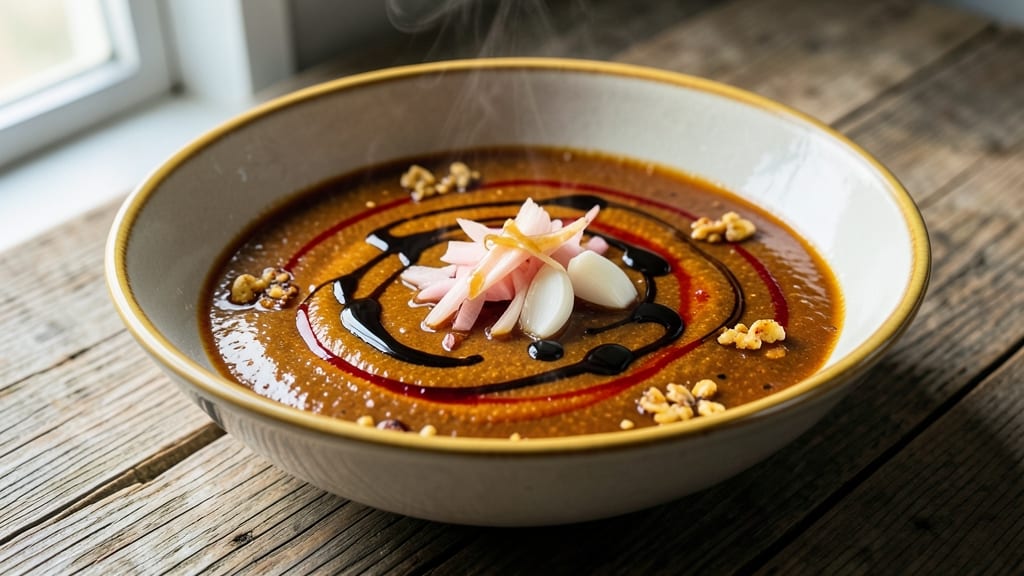
This gochujang stir-fry sauce transforms any wok dish into a smoky, spicy masterpiece with just a few simple ingredients. The deep umami of fermented chili paste meets sweet caramelization and bright acidity, creating a glossy sauce that clings perfectly to vegetables, proteins, and noodles.
I developed this recipe after years of tweaking restaurant-style versions at home—balancing heat, sweetness, and depth without overpowering the dish.
The foundation is gochujang, a Korean fermented chili paste that delivers smoky, slightly sweet heat, but the real magic happens in the aromatics. Fresh garlic and ginger infuse the oil before blending, while a touch of honey or sugar caramelizes slightly when heated, rounding out the sauce's complexity.
This version stays versatile—adjustable for heat levels and perfect for everything from quick weeknight stir-fries to marinades.
What makes this sauce truly perfect is its dual functionality: use it as a wok glaze for crisp-tender vegetables or toss it with cooked proteins for instant flavor. The sauce thickens beautifully when simmered, creating a sticky, glossy finish that elevates even the simplest ingredients.
Store it in the fridge for up to a week, or freeze portions for later—its bold flavors only deepen with time.
For those who love customization, I’ve included a foolproof method for balancing heat and sweetness, plus optional add-ins like sesame oil or rice vinegar to refine the taste.
Whether you're cooking for one or a crowd, this sauce delivers restaurant-quality results with minimal effort. Let’s get started on creating your signature stir-fry sauce.
Ingredients for gochujang stir fry sauce
Nine simple ingredients create this restaurant-quality gochujang stir-fry sauce.
| Ingredient | Amount | Notes |
|---|---|---|
| Gochujang 🌶️ | ½ cup | Korean fermented chili paste, smoky and sweet |
| Sesame Oil 🫒 | ¼ cup | Toasted for nutty aroma |
| Rice Vinegar 🍶 | ¼ cup | White or seasoned |
| Honey 🍯 | ¼ cup | Or brown sugar for deeper caramel notes |
| Fresh Garlic Cloves 🧄 | 6 cloves | Minced for aromatic depth |
| Fresh Ginger 🌿 | 2 tbsp | Grated, not powdered |
| Soy Sauce 🥢 | ¼ cup | Light or dark preferred |
| Water 💧 | ¼ cup | Adjust for desired consistency |
| Sesame Seeds 🌰 | 1 tbsp | Toasted for garnish and crunch |
| Sugar 🍚 | 1 tbsp | Optional for extra sweetness |
The gochujang is non-negotiable—Maesil Gochujang or Dong Gochujang from Korean markets deliver that authentic smoky depth. If you're stuck with store-bought, Hanjin or Gochujang by Lee Kum Kee are solid backups, but avoid anything with artificial colors. Fresh garlic and ginger are worth the extra minute to mince—they infuse the oil with layers of flavor that powdered versions can't match. For the sesame oil, Kadoya or La Choy are budget-friendly, but if you've got toasted sesame oil from a specialty store, use that instead. The honey? Local raw honey adds subtle floral notes, but regular grocery store honey works fine if you're pinched for time.
No gochujang? Substitute 2 tbsp sriracha plus 1 tbsp soy sauce—it won't be identical, but it'll get you close in a pinch. Running low on sesame oil? Avocado oil or peanut oil can stand in, though the flavor will be different. The honey can be swapped for maple syrup or agave, but sugar is the most neutral option if you're avoiding liquid sweeteners. For extra umami, add 1 tsp fish sauce (if not vegetarian) or 1 tsp soy sauce reduction. The sauce should be glossy but still pourable—if it's too thick, add water 1 tbsp at a time until it reaches your desired consistency. Pro tip: Let the sauce sit for 10 minutes after blending so the flavors meld—trust me, it makes a difference.
This sauce keeps beautifully—1 week in the fridge sealed in a jar, or up to 3 months in the freezer in ice cube trays for single-use portions. The flavors actually improve with time, so make extra if you can. When reheating, warm gently on the stove or microwave for 20-30 seconds to avoid breaking the emulsion. For restaurant-style presentation, drizzle over steamed veggies or toss with seared tofu, and sprinkle those toasted sesame seeds on top—instant wok perfection. If you're prepping for a crowd, double the recipe and store in mason jars for easy grab-and-go sauce servings.
Why You'll Love This Recipe
- Five-Ingredient Magic: I swear by this sauce—just mix gochujang, sesame oil, rice vinegar, honey, and crushed garlic. No fancy techniques, no measuring cups that make you question your life choices. Honestly, I’ve made it blindfolded (okay, maybe not, but you get the point).
- Sweet Heat Balance: That first bite of gochujang’s deep umami, then the honey cutting through with just the right tang? It’s the kind of flavor that makes you pause mid-bite. The garlic sizzle in sesame oil? Absolute perfection.
- Weeknight to Dinner Party: Slap this on stir-fried veggies for a quick weeknight meal, or drizzle it over grilled chicken for a restaurant-worthy dish. Between us, my in-laws think I’m a pro because of this sauce. (They have no idea how easy it is.)
- Leftovers That Don’t Suck: Make a big batch—it keeps for weeks in the fridge. Toss it on rice, noodles, or even eggs the next day. No sad, limp leftovers here; every spoonful tastes like you just cooked it. (Yes, even on a Tuesday night.)
Step-by-step instructions for smoky gochujang stir fry sauce
This sauce delivers restaurant-quality depth with just a few simple steps—no fancy techniques required.
Bloom the Aromatics in Toasted Sesame Oil
Heat the 0.25 cup sesame oil in a small saucepan over medium-low heat until it shimmers and you can smell that nutty aroma. Add the 6 cloves minced fresh garlic cloves and 2 tablespoons grated fresh ginger, stirring constantly for 1-2 minutes until fragrant but not browned. This step develops the foundation of your sauce's complex flavor profile—don't rush it or the garlic will burn and turn bitter.
I like to use a wooden spoon here because it won't scratch your pan. Watch for the garlic to turn a pale golden color—that's your cue it's ready. Remove the pan from heat immediately after the aromatics are cooked through, as they'll continue cooking from residual heat.
Combine Wet Ingredients for Balanced Flavor
Return the pan to low heat and add the 0.5 cup gochujang, stirring to incorporate completely. Let it warm through for about 30 seconds until it melts smoothly into the oil. Then add the 0.25 cup rice vinegar, 0.25 cup honey, 0.25 cup soy sauce, 0.25 cup water, and 1 tablespoon sugar (if using). Stir constantly for 3-4 minutes until the mixture thickens slightly and bubbles gently.
The sauce should look glossy and well-combined, with a deep reddish-brown color from the gochujang. Taste at this stage—you want a perfect balance of sweet, spicy, tangy, and umami. If it needs more depth, add a splash of water. If it's too thin, simmer uncovered for another minute to reduce slightly.
Simmer and Adjust for Perfect Consistency
Increase heat to medium and bring the sauce to a gentle simmer. Let it cook uncovered for 5-7 minutes, stirring occasionally, until it reaches your desired consistency—it should coat the back of a spoon but still be pourable enough for stir-frying. The sauce will thicken as it cools, so don't over-reduce it.
Here's where you can customize: For extra heat, add a pinch of red pepper flakes. For more depth, stir in 1 teaspoon of fish sauce. Taste frequently—this is your chance to perfect the balance. When satisfied, remove from heat and let it cool slightly before using.
Finish with Toasted Sesame Seeds
While the sauce cools, dry-toast the 1 tablespoon sesame seeds in a small skillet over medium heat for 1-2 minutes, shaking frequently, until they turn a rich golden brown and smell nutty. This adds both texture and aroma to your finished sauce.
Stir the toasted sesame seeds into the warm sauce just before serving. The seeds should be evenly distributed throughout. For best results, use the sauce immediately on fresh stir-fried vegetables or proteins, but it will keep in an airtight container in the refrigerator for up to 5 days. Reheat gently before using to maintain its perfect consistency.
Pro Tips For Making Gochujang Stir Fry Sauce
- Warm the Gochujang: Dump cold gochujang straight into the pan? Don’t. Mix it with a splash of warm water or vinegar first—just enough to loosen it—then heat it gently for 30 seconds. I learned this the hard way when my sauce turned grainy and clumpy, no matter how much I stirred.
- Toast the Garlic: Minced garlic burns faster than you think. Slice those cloves thinly (not minced) and cook them in sesame oil over medium-low heat until just golden—about 2 minutes. Overcooking turns them bitter, and you’ll taste every bitter bite in that sauce.
- Balance the Sweet: Honey’s job isn’t just to sweeten—it’s to cut the heat. Start with 1 teaspoon, taste, then adjust. If your sauce tastes one-note, add a pinch of rice vinegar next. I used to drown it in honey, and the gochujang’s depth vanished.
- Swirl in the Oil: Add sesame oil last, off the heat, and give it a quick swirl with a spoon. Drizzling it in while cooking burns off its nutty aroma. Do it right, and your stir-fry sauce will smell like a Korean street cart.
Perfect pairings for gochujang stir fry sauce
Protein Pairings
This sauce transforms simple proteins into restaurant-worthy dishes. Toss it with seared chicken thighs or pan-fried tofu for a glossy, spicy glaze that clings perfectly. For extra richness, marinate pork belly slices in the sauce for 30 minutes before cooking—it creates a caramelized crust that’s irresistible.
I love using it on shrimp too: just toss the cooked shrimp with 1 tablespoon sauce and a pinch of sesame seeds for a quick weeknight meal. 🍗
Vegetable Pairings
Crisp-tender vegetables shine with this sauce. Toss shredded cabbage, carrots, and bell peppers in a hot wok, then drizzle with 2 tablespoons sauce and finish with sesame seeds. For heartier dishes, pair it with steamed bok choy or roasted sweet potatoes—the smoky-sweet balance cuts through the earthiness beautifully.
I also use it as a dipping sauce for blistered shiitake mushrooms or grilled eggplant slices. The sauce’s glossy texture makes every bite feel luxurious.
Noodle Pairings
Stir-fried noodles become instant comfort food with this sauce. Toss cooked ramen, udon, or rice noodles with 2 tablespoons sauce per serving and top with sliced green onions. For extra depth, add a drizzle of toasted sesame oil after cooking.
I also love using it on cold soba noodles as a refreshing summer dish—just chill the noodles, toss with sauce, and garnish with sesame seeds. The sauce’s tangy-sweet profile elevates simple noodles to next-level flavor. 🍜
Rice Bowl Pairings
Turn plain rice into a flavor explosion with this sauce. Drizzle steamed jasmine or short-grain rice with 1-2 tablespoons sauce and top with your favorite proteins and veggies. For a Korean-inspired bowl, add bulgogi beef, kimchi, and a fried egg.
The sauce’s umami depth makes every bite satisfying. I also use it as a quick marinade for grilled chicken skewers—just coat the chicken in sauce for 15 minutes before grilling for sticky, flavorful results.
Dessert Twist
Yes, you read that right—this sauce isn’t just for savory dishes! Drizzle it over vanilla ice cream or panna cotta for a spicy-sweet contrast. The gochujang’s smoky depth pairs surprisingly well with creamy desserts.
For a fun twist, mix 1 tablespoon sauce into whipped cream and top with fresh berries. It’s a crowd-pleaser at summer parties! 🍦
Nutrition facts
Frequently asked questions
Can I make this sauce without gochujang?
Yes, but the flavor will differ significantly. For a substitute, mix 2 tablespoons sriracha with 1 tablespoon soy sauce and 1 teaspoon honey to mimic some of the spicy-sweet profile. The sauce will lack gochujang’s deep umami and smoky complexity, but it’ll still add heat and tanginess. For a closer match, try 1 tablespoon miso paste blended with the sriracha mixture.
How do I adjust the heat level?
Start with the full 0.5 cup gochujang for medium heat. For milder flavor, reduce to 0.3 cups and add 1 tablespoon honey to balance. For extra spice, add 1 teaspoon red pepper flakes or 1 tablespoon gochugaru (Korean chili flakes) at the end. Always taste as you go—you can’t easily remove excess heat once added!
Can I use this sauce as a marinade?
Use it for 15-30 minutes of marinating time (never longer than 2 hours) to prevent over-softening proteins like chicken or tofu. For best results, reserve 1 tablespoon sauce per pound of protein, then toss the cooked item with the remaining sauce. The sauce works especially well with pork belly, shrimp, or chicken thighs for a caramelized crust.
Why did my sauce separate?
This usually happens when the sauce cools too quickly or if you used too much water. To fix it, whisk in 1 teaspoon cornstarch mixed with 1 tablespoon water and simmer for 1-2 minutes until thickened. For prevention, always simmer the sauce gently and avoid adding water beyond the 0.25 cup called for in the recipe.
How should I store leftovers?
Transfer to an airtight container and refrigerate for up to 5 days. For longer storage, freeze in ice cube trays (portions thaw quickly) or small jars (up to 3 months). Reheat gently in a saucepan over low heat or microwave for 20-30 seconds, stirring frequently to restore consistency. The sauce may thicken further when chilled—thin with 1 teaspoon water if needed before using.