
Sauces & Condiments
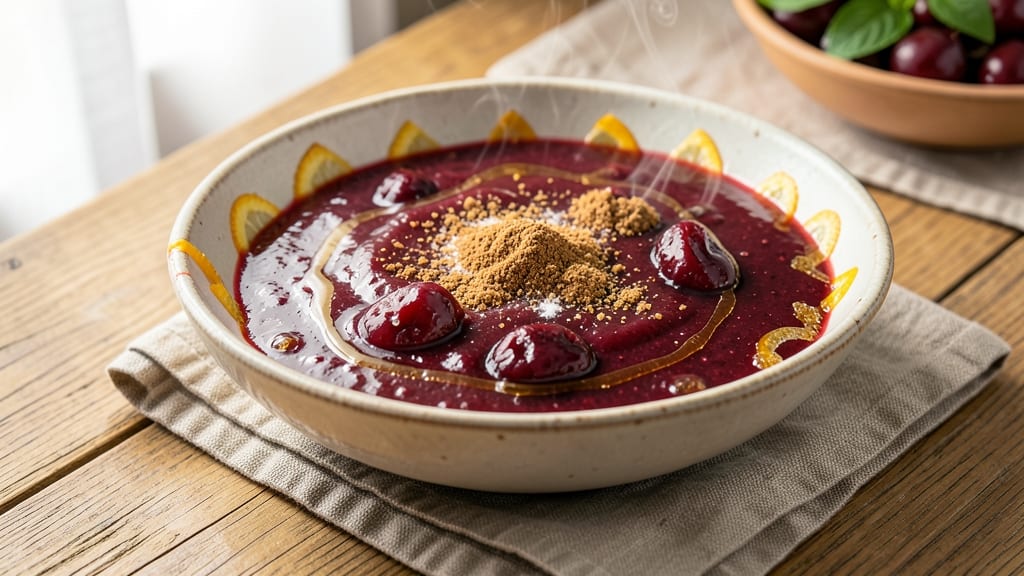
This chokecherry sauce recipe transforms wild berries into a versatile, tart-sweet condiment that elevates everything from meats to desserts. The deep, jammy texture comes from slow simmering—no fancy equipment needed, just patience and a few simple ingredients.
I developed this version after years of experimenting with wild harvests, and it’s become a staple in my kitchen for its bold flavor and surprising versatility.
The secret lies in balancing the natural tartness of chokecherries with just enough sweetness and acidity—think of it as a cross between a glaze and a jam.
You’ll simmer the berries with sugar, citrus, and spices until they break down into a thick, glossy sauce that can be used as a glaze for roasted meats, a topping for cheese boards, or even a marinade for grilled chicken.
The result is a sauce that’s rich, complex, and impossible to ignore.
What makes this recipe stand out is its adaptability. Use it to glaze ham or pork shoulder for a restaurant-worthy finish, drizzle it over vanilla ice cream for a sophisticated dessert, or mix it into cocktails for a fruity, herbal twist.
The sauce keeps well in the fridge for up to two weeks, so you’ll have plenty on hand for whatever you’re craving.
Ready to make the most of your chokecherry harvest? This method ensures a smooth, flavorful sauce every time—no straining required if you prefer a rustic texture. Let’s get started with a recipe that’s equal parts rustic and refined.
Ingredients for chokecherry sauce
Nine ingredients transform wild chokecherries into a jammy, versatile sauce for meats and desserts.
| Ingredient | Amount | Notes |
|---|---|---|
| Fresh Chokecherries 🍒 | 2 cups | Pitted if possible, stems removed |
| Granulated Sugar 🍚 | 1 ½ cups | White or raw cane preferred |
| Orange Juice 🍊 | ½ cup | Freshly squeezed, no pulp |
| Orange Zest 🍊 | 1 tbsp | From 1 large orange |
| Apple Cider Vinegar 🍏 | 2 tbsp | For tangy brightness |
| Ground Cinnamon 🌿 | 1 tsp | Freshly ground preferred |
| Ground Cloves 🌶️ | ¼ tsp | Whole cloves toasted better |
| Salt 🧂 | ½ tsp | Kosher or sea salt |
| Water 💧 | ¼ cup | For thinning if needed |
Chokecherries are the star—fresh is ideal, but frozen works in a pinch (thaw first). Local farms or specialty grocery stores often carry them in season, or look for dried chokecherries in bulk bins. If you can't find them, black chokeberries are a good substitute. The sugar amount balances tartness, but adjust to taste—some harvests are sweeter than others. I always use organic sugar when possible, but regular white works fine too. The orange juice and zest add brightness that cuts through the berries' natural bitterness—don't skip it.
No fresh oranges? Lemon juice works at half the amount, but you'll lose that citrusy depth. Out of cloves? Allspice or nutmeg at one-quarter teaspoon gives warmth without overpowering. The vinegar is crucial for tang—substitute with balsamic vinegar at half the amount if you're out. For a smoother sauce, strain through a fine-mesh sieve after cooking. If you prefer rustic texture, skip the straining—those little seeds add character. The water is just for thinning if the sauce gets too thick; often you won't need it.
This sauce tastes even better the next day as flavors meld. Store in a clean glass jar in the fridge for up to 2 weeks. For longer storage, transfer to a sterilized jar and freeze for 6 months. I like to portion it into small jars so I can grab exactly what I need for glazing meats or drizzling over desserts. The sauce thickens as it cools, so it's perfect for drizzling over ice cream or cheese boards right from the fridge.
Why You'll Love This Recipe
- I’ll be real: pitting cherries is a nightmare. These chokecherries? You just toss the whole thing—pits and all—into the pot with sugar and vinegar, then strain later. The magic happens while you’re making dinner, not before it.
- No Pits, No Stress: I’ll be real: pitting cherries is a nightmare. These chokecherries? You just toss the whole thing—pits and all—into the pot with sugar and vinegar, then strain later. The magic happens while you’re making dinner, not before it.
- Tart-Sweet Magic: That bright orange zest and vinegar cut through the chokecherries’ natural bitterness, leaving behind a sauce that’s ridiculously balanced—like a grown-up jam. Honestly? It’s the kind of flavor that makes you pause mid-bite and think, “Wait, is this dessert?”
- Pantry-to-Table Flex: This sauce isn’t just for pies. Drizzle it over yogurt for a breakfast upgrade, mix it into marinades for pork tenderloin, or even stir it into cocktails. (Yes, even on a Tuesday night.) The best part? It keeps for weeks in the fridge, so you’re never stuck improvising.
Step-by-step instructions for chokecherry sauce
Transform wild chokecherries into a rich, balanced sauce with this straightforward method.
Prepare the Chokecherries
Start by rinsing the 2 cups fresh chokecherries thoroughly under cold water to remove any dirt or debris. If the cherries aren't already pitted, you'll need to remove the pits carefully—either by hand or using a small fruit corer. I like to work in batches, placing the cherries on a cutting board and gently squeezing them between my fingers to release the pits. This step is crucial because pits can impart a bitter taste and make the sauce grainy.
Once pitted, transfer the cherries to a medium saucepan. Add the 0.5 cup orange juice and 2 tbsp apple cider vinegar—this combination brightens the natural tartness of the chokecherries while adding depth. Bring the mixture to a gentle boil over medium heat, then reduce the heat to low and let it simmer for 10 minutes. You'll see the cherries begin to soften and release their juices, creating a fragrant purée. If you notice any foam forming, skim it off with a spoon to keep the sauce clean.
Sweeten and Spice
While the cherries simmer, it's time to add sweetness and warmth. Gradually whisk in the 1.5 cups granulated sugar, making sure it dissolves completely into the mixture. I like to add it slowly to avoid clumping, especially if you're using raw cane sugar, which can sometimes be grainier. Stir in the 1 tbsp orange zest, 1 tsp ground cinnamon, 0.25 tsp ground cloves, and 0.5 tsp salt. These spices will infuse the sauce with a cozy, aromatic quality that pairs beautifully with the tartness of the chokecherries.
Let the sauce simmer again for 15-20 minutes, stirring occasionally. You're looking for a thick, jam-like consistency—think of it like a cross between a jam and a compote. The sauce should coat the back of a spoon and hold its shape when drizzled. If it thickens too quickly, add the 0.25 cup water a little at a time to loosen it. The goal is a glossy, spreadable texture that clings to meats, pancakes, or toast.
Simmer to Perfection
Continue simmering the sauce for another 10-15 minutes, or until it reaches your desired consistency. Here's where patience pays off—the longer you simmer, the deeper the flavors become. Taste the sauce as it thickens, adjusting the balance of sweetness and acidity if needed. If it's too tart, add a pinch more sugar; if it's too sweet, stir in a splash more vinegar or orange juice. The sauce should be harmoniously tart-sweet, with a hint of spice in the background.
Once the sauce is thick and flavorful, remove it from the heat. Let it cool slightly—this helps the flavors meld even more. For a smoother texture, you can press the cooled sauce through a fine-mesh sieve to remove any remaining seeds or skins. Transfer the sauce to a clean jar and seal it while still warm. It will keep in the refrigerator for up to 2 weeks or can be frozen for 6 months, making it a versatile pantry staple for both sweet and savory dishes.
Pro Tips For Making Chokecherry Sauce
- STIR CONSTANTLY AT FIRST: The first 5 minutes of simmering are when the chokecherries release their tannins and bitterness—skip aggressive stirring, and you’ll end up with a muddy, astringent mess. Use a wooden spoon and keep it moving until the fruit softens and the color deepens to a rich, wine-like hue.
- PICK THROUGH THE CHERRIES: Fresh chokecherries hide pits, stems, and occasional bugs—no matter how careful you are. Run them under cold water while picking out debris, then give them a quick soak in salted water for 10 minutes. This cuts down on the work later when you’re skimming.
- USE LESS SUGAR: I used to load up the sugar like jam, but chokecherries are tart enough that 1:1 sugar-to-juice ratio works—sometimes even less. Taste after 10 minutes of simmering; if it’s still sharp, add a splash of orange juice first, not sugar. The acidity balances better.
- STRAIN TWICE: After simmering, strain through a fine-mesh sieve once to catch seeds, then line it with cheesecloth for a second pass. The second strain removes the last of the grit and gives you that silky texture—worth the extra 30 seconds if you want a sauce that’s actually pleasant to drizzle.
Perfect pairings for this chokecherry sauce
Savory Meat Glazes
This sauce transforms into a showstopping glaze for roasted meats like pork shoulder or ham. Brush it on during the last 15 minutes of cooking at 375°F for a caramelized crust. I love using it on smoked brisket—the tart-sweet balance cuts through the richness beautifully.
For extra drama, reduce the sauce by half before glazing to create a thicker, stickier finish. 🔥
Dessert Toppings
Drizzle over vanilla ice cream or pancakes for a sophisticated twist—just 2-3 tablespoons per serving adds depth without overpowering. The cinnamon and clove notes make it feel like a spiced chutney on sweet dishes.
For a cheese board, pair it with sharp cheddar or brie alongside nuts and dried fruit. I also love spooning it over warm apple crisp for a rustic dessert. 🍦
Cocktail Enhancements
Add 1-2 tablespoons to cocktails for a fruity, herbal complexity. Stir into bourbon or gin for a smoky-sweet cocktail, or mix with sparkling wine for a refreshing summer drink.
The acidity brightens spirits, while the spices add warmth. For a non-alcoholic version, muddle 1 tbsp sauce with lemonade and mint. 🍹
Breakfast Pairings
Spread on toasted brioche or French toast for a gourmet breakfast. The tartness balances buttery pastries perfectly. I also use it as a sausage glaze—simmer ½ cup sauce with 1 tbsp brown sugar and brush on links during the last 5 minutes of cooking.
The result? A sticky, flavorful crust that elevates any breakfast plate. 🍳
Cheese Board Elevator
Create a cheese board masterpiece by pairing this sauce with aged cheddar, gouda, and goat cheese. The acidity cuts through the richness, while the spices complement creamy textures. Add crackers, nuts, and dried apricots for contrast. For a charcuterie twist, drizzle over prosciutto-wrapped melon or salami slices. 🧀
Grilled Chicken Marinade
Use ½ cup sauce as a marinade for 2-3 hours before grilling chicken. The flavors penetrate deeply, creating a tart-sweet crust when cooked. I like to baste the chicken with extra sauce during grilling for maximum flavor. This works especially well with bone-in thighs for juicy, flavorful results. 🍗
Nutrition facts
Frequently asked questions
Can I substitute dried chokecherries for fresh?
Yes, but you'll need 1 cup dried chokecherries (soaked in warm water for 30 minutes first) to replace 2 cups fresh. Dried berries are more concentrated, so reduce the sugar slightly (1 cup instead of 1.5 cups) to avoid over-sweetness. The texture will be thicker, so add 1-2 tbsp water during simmering if needed.
Why does my sauce taste bitter?
Bitterness usually means the chokecherries weren't ripe or the sauce simmered too long. For next time, add 1 extra tbsp vinegar or ½ tsp baking soda (stirred in at the end) to balance flavors. If using unripe cherries, increase sugar to 2 cups and simmer for only 20 minutes total.
How can I make this sauce spicier?
Double the cloves to ½ tsp or add ¼ tsp cayenne pepper during the final 5 minutes of simmering. For warmth without heat, try ½ tsp cardamom or a pinch of black pepper. Always taste as you go—spices intensify as the sauce cools!
Can I use this sauce as a pie filling?
Not exactly, but you can thicken it further for a tart filling. Simmer an extra 5 minutes uncovered to reduce moisture, then mix with 2 tbsp cornstarch (cooked in 1 tbsp water) to achieve pie-filling consistency. The sauce works better as a topping or glaze—its jammy texture is perfect for drizzling, not baking.
What's the best way to store leftover sauce?
Transfer to a clean glass jar and refrigerate for up to 2 weeks. For longer storage, freeze in ice cube trays (perfect for single-use portions) or small jars (leave ½-inch headspace to prevent cracking). Thaw overnight in the fridge—never microwave directly from frozen.