
Sauces & Condiments
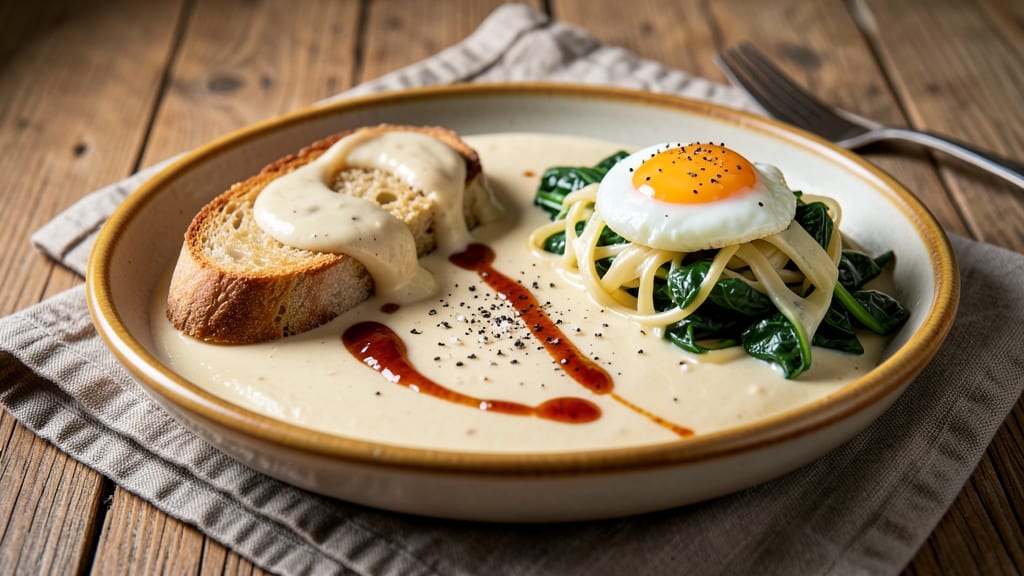
This velvety stovetop cheese sauce recipe UK delivers the creamiest, lump-free sauce perfect for mac and cheese, gratin dishes, or dipping. After years of testing, I've perfected a foolproof method using a simple roux and British cheddar that melts into a smooth, rich sauce every time.
The secret lies in patience—letting the sauce thicken gradually while stirring constantly to banish those dreaded lumps.
What sets this recipe apart is its versatility and ease. With just five basic ingredients—including butter, flour, and milk—you'll achieve a sauce so creamy it coats every noodle or vegetable perfectly.
I've found that using a mix of sharp cheddar and mild cheddar creates depth of flavour without overpowering, while a touch of mustard adds brightness that balances the richness. The sauce thickens beautifully, giving you that perfect consistency whether you're covering pasta or topping baked potatoes.
By the time you're done, you'll have a sauce that's restaurant-quality but made at home with simple pantry staples. The key technique involves whisking continuously while heating gently, which prevents scorching and ensures a silky texture.
This method works equally well for traditional macaroni cheese or as a base for vegetable gratins, proving that great cheese sauce doesn't require complicated ingredients—just proper technique.
The best part? This sauce keeps well in the fridge for up to five days, making it perfect for meal prep. Simply reheat gently with a splash of milk to restore its velvety consistency.
Whether you're feeding a family or preparing for a dinner party, this cheese sauce will elevate any dish with minimal effort. Let's get started on creating your perfect stovetop sauce.
Ingredients for cheese sauce recipe uk
Five pantry staples transform into the creamiest, lump-free cheese sauce you'll ever make.
| Ingredient | Amount | Notes |
|---|---|---|
| Unsalted Butter 🧈 | ½ cup | Cold, cubed for roux |
| All-Purpose Flour 🌾 | ½ cup | Sifted for smooth sauce |
| Sharp British Cheddar Cheese 🧀 | 2 cups | Finely grated, block preferred |
| Mild British Cheddar Cheese 🧀 | 1 cup | Finely grated, block preferred |
| Whole Milk 🥛 | 2 cups | Room temperature preferred |
| Dijon Mustard 🌶️ | 1 tbsp | For tangy brightness |
| Salt 🧂 | ½ tsp | Adjust to taste |
| White Pepper 🌶️ | ¼ tsp | Freshly ground preferred |
The cheddar makes all the difference here. British cheddar has that perfect balance of sharpness and creaminess—Mature Cheddar from Waitrose or Red Leicester are my top picks. Grab a block and grate it yourself (pre-grated gets clumpy and lacks flavor). For the roux, unsalted butter is non-negotiable—salted can make the sauce too salty. If you're in a rush, melted butter works, but cold cubes give you that perfect texture. The flour? King Arthur or Gold Medal brands are the gold standard for smooth sauces.
No sharp chedddar? Substitute with extra sharp white cheddar at half the amount—it's got that tangy kick. Running low on milk? Heavy cream works too, but the sauce will be richer. The mustard is optional but adds that restaurant-quality brightness—Dijon or whole-grain mustard both work. Want to make it vegan? Swap the butter for vegan margarine and use nutritional yeast instead of cheddar. The white pepper keeps it clean-looking—black pepper works too, but it shows in the sauce.
This sauce keeps beautifully—5 days in the fridge sealed tightly. For leftovers, reheat gently with a splash of milk to restore that velvety texture. Freezes for 3 months if you want to prep ahead. I always make extra—it's perfect for mac and cheese, baked potatoes, or even as a dip. The key to reheating? Low heat and constant stirring to avoid lumps. Trust me, it's worth the extra minute.
Why You'll Love This Recipe
- Five-Ingredient Magic: I swear by this combo—just butter, flour, and two cheddars (sharp for punch, mild for balance). No fancy prep, no hidden tricks, just melt-and-stir simplicity that somehow feels luxurious.
- Cheese Love at First Bite: That first spoonful? Rich, nutty, and just tangy enough to make you reach for more. The British cheddars blend so well—sharp cuts through the creaminess while the mild keeps it smooth, like a perfect hug in sauce form.
- Weeknight Superstar: Drown chips in it, slather over baked potatoes, or toss with pasta—it’s my go-to for lazy nights when I’m too tired to think. Honestly, I’ve used it for everything from mac ‘n’ cheese to a last-minute veggie bake, and it never lets me down.
- Leftovers That Don’t Suck: Make a double batch and store it in the fridge—it thickens beautifully when reheated. My kids actually ask for it the next day (yes, even on a Tuesday), and it’s cheaper than takeout. Plus, it freezes like a dream for those nights you just can’t be bothered.
Step-by-step instructions for creamy cheese sauce
This velvety cheese sauce comes together in minutes with no lumps—just follow these simple steps.
Make a Smooth Roux with Butter and Flour
In a medium saucepan, melt the 0.5 cup unsalted butter over medium heat. Once fully melted and foaming subsides, reduce heat to medium-low and whisk in the 0.5 cup all-purpose flour all at once. This creates your roux—the foundation for a lump-free sauce.
Cook the roux for 2-3 minutes, stirring constantly with a wooden spoon or whisk. You're looking for a pale golden color—this indicates the raw flour taste has cooked off. If it darkens too quickly, reduce the heat immediately. This step is crucial for preventing lumps later on.
Gradually Add Milk to Prevent Lumps
Slowly pour in the 2 cups whole milk while whisking vigorously. Add it in a thin, steady stream—about ¼ cup at a time—to give the flour time to fully incorporate. This gradual addition is what keeps your sauce silky smooth.
Continue whisking for 3-4 minutes until the mixture thickens and coats the back of a spoon. You'll notice the sauce transform from thin and liquidy to a creamy, pudding-like consistency. If it thickens too quickly, add a splash of extra milk to loosen it.
Incorporate the Cheese Mixture
In a separate bowl, combine the 2 cups sharp British cheddar cheese and 1 cup mild British cheddar cheese with the 1 tbsp Dijon mustard, 0.5 tsp salt, and 0.25 tsp white pepper. Use a fine grater for the cheese—this ensures it melts smoothly into the sauce without clumps.
With the sauce still on medium-low heat, gradually sprinkle in the cheese mixture while whisking continuously. Start with small amounts and let each addition melt completely before adding more. This slow incorporation prevents the cheese from clumping together. You'll know it's ready when the sauce becomes glossy and thickens noticeably.
Simmer Until Silky and Smooth
Continue cooking the sauce for 3-5 minutes after all the cheese has melted, stirring frequently. The sauce should coat the back of a spoon and have a luxurious, velvety texture. If it's still too thick, whisk in 1-2 tablespoons of milk at a time until you reach your desired consistency.
Remove from heat immediately once smooth and creamy. The sauce will continue to thicken slightly as it cools, so it's better to pull it off heat while it's slightly thinner than you'd like. Taste and adjust seasoning if needed—you might want to add a pinch more salt or pepper to taste.
Pro Tips For Making Cheese Sauce Recipe Uk
- Use Low Heat for Roux: Cook the butter and flour on low-medium heat—I learned this the hard way after burning three batches. British cheddar’s fat content can turn a roux into a greasy mess if you rush it. Keep it at 140–150°C (300–325°F) and stir constantly with a flat spatula.
- Grate Cheese Fresh: Pre-shredded cheddar clumps like a nightmare when you heat it. Use a box grater for sharp and mild cheddar—it melts smoother and faster. If you’re short on time, pulse in a food processor but don’t overdo it; you want chunks, not powder.
- Temper the Milk: Warm the milk to room temperature before adding it to the roux. Cold milk shocks the butter and makes the sauce split. Just pour it into a jug and let it sit for 10 minutes—your sauce will thicken like a dream instead of turning grainy.
- Stir in Stages: Add the milk slowly in thin streams while whisking like your life depends on it. Dumping it all at once guarantees lumps, and no one wants that. If you’re lazy (like me), use a fine-mesh sieve to strain the sauce afterward—it’s worth the extra 30 seconds.
Make-ahead tips for leftovers
Prep Ahead for Mac
Make this cheese sauce up to 3 days ahead and store it in an airtight container in the fridge. The flavors deepen overnight, becoming even more complex.
When you're ready to use it, simply reheat on the stovetop over low heat with a splash of milk to restore that silky texture. I always prep a big batch on Sundays so I can toss it with pasta or drizzle it over veggies all week. 📅
Freezer-Friendly
For longer storage, freeze the sauce in 1-cup portions using silicone molds or ice cube trays. Once frozen, transfer to a freezer bag with excess air removed. Thaw overnight in the fridge, then reheat gently.
The texture remains creamy when reheated properly—just don't microwave it straight from frozen! I keep a stash in my freezer for those nights when I don't feel like cooking from scratch. ❄️
Cheese Prep Shortcut
Save time by grating your cheese the night before and storing it in an airtight container in the fridge. The cheese stays fresh longer and is ready to use when you are.
I also like to measure out all my ingredients in advance—this recipe is so simple that prepping everything makes the actual cooking process even smoother. It's these little shortcuts that make meal prep feel effortless. 🧀
Double Batch Hack
Double the recipe and use half immediately for mac and cheese, then freeze the other half for later. The sauce keeps beautifully for 3 months in the freezer without losing quality.
I often make two batches when I have guests over—one for immediate use and one to have on hand for future meals. This way, I always have that perfect cheese sauce ready whenever I need it. 💡
Reheat Like a Pro
When reheating, always use low heat and stir constantly to prevent lumps. If the sauce looks too thick after reheating, whisk in 1 tablespoon of milk at a time until it reaches that perfect creamy consistency.
I've found that reheating in a heavy-bottomed saucepan gives the best results—it distributes heat evenly and prevents scorching. This is my secret to restaurant-quality reheated cheese sauce every time. 🔥
Sauce Versatility
This cheese sauce isn't just for mac and cheese—use it as a topping for baked potatoes, a dip for veggies, or even a creamy base for crepes. The possibilities are endless! I've even used it as a filling for stuffed peppers or as a sauce for chicken pot pie.
The key is to keep it warm when serving so it maintains that velvety texture. Think of it as your new multipurpose kitchen staple. ✨
Nutrition facts
Frequently asked questions
Can I use pre-grated cheese for this UK cheese sauce?
Pre-grated cheese works in a pinch, but freshly grated gives the smoothest, lump-free texture. The pre-shredded variety often contains anti-caking agents that can make your sauce grainy. If you must use it, pick fine shreds and whisk them into the warm sauce gradually to help dissolve any clumps.
What's the best British cheese for this sauce?
For authentic flavour, use a mix of sharp mature cheddar (like Waitrose or Sainsbury's) and mild cheddar (Red Leicester works well). The sharpness adds depth while the mild cheese balances it. Avoid pre-shredded blends—they lack the rich, melty quality of block cheese.
Why did my cheese sauce turn out lumpy?
Lumps usually happen from adding cheese too quickly or not whisking enough. Always sprinkle cheese gradually while whisking continuously over low heat. If lumps appear, blend with an immersion blender or strain through a fine sieve to achieve that silky texture.
Can I make this sauce dairy-free?
Yes! Replace butter with vegan margarine, flour with cornstarch, and cheese with nutritional yeast plus a vegan cheese alternative. Use the same technique of gradual addition to prevent lumps. The texture will be slightly lighter but still creamy.
How do I adjust the thickness for different uses?
For pasta, aim for a medium consistency that coats noodles. For gratins, make it slightly thicker. If too thick, whisk in 1 tbsp milk at a time. Too thin? Cook uncovered for 1-2 minutes to evaporate excess liquid. Always taste as you go!