
Sauces & Condiments
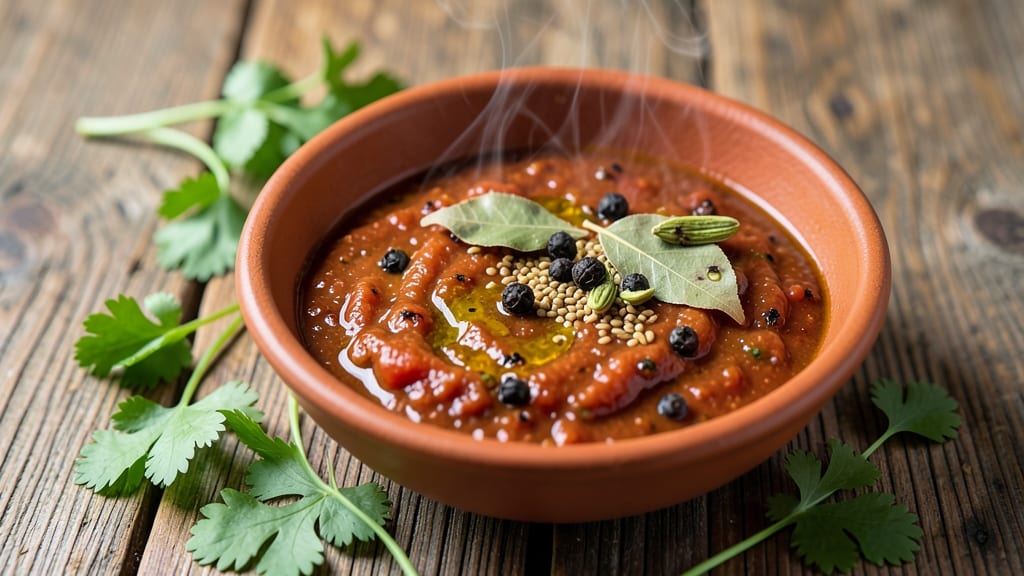
This chasni sauce recipe transforms simple ingredients into a smoky, tangy masterpiece that elevates every dish it touches. The secret lies in balancing mustard oil’s bold heat with vinegar’s subtle sharpness, creating a sauce that’s both complex and foolproof.
I’ve perfected this version after years of testing—it’s the kind of condiment that turns ordinary snacks into unforgettable bites.
The magic happens in two stages: first, tempering whole spices in hot oil until they sing, then blending them with tomatoes, celery, and a touch of garlic for depth. The result is a sauce that’s rich yet bright, with layers of flavor that develop even more after resting.
This isn’t just a dipping sauce—it’s a flavor multiplier for kebabs, pakoras, or even grilled meats.
What makes this chasni truly special is its versatility. Use it as a dip for crispy snacks, a marinade for tenderizing meats, or a finishing sauce for rice dishes.
The vinegar adds a hidden tang that cuts through richness, while the celery brings a fresh, earthy note that balances the smokiness. Once you try it, you’ll never go back to store-bought versions.
Best of all, this sauce keeps beautifully in the fridge for up to a week, letting flavors meld and deepen over time. Ready to make your own? Let’s get started with the ingredients—where every component plays a crucial role in that perfect balance of heat, tang, and smokiness.
Ingredients for chasni sauce
Twelve ingredients, two stages, endless flavor—this chasni transforms simple pantry staples into a smoky, tangy sensation.
| Ingredient | Amount | Notes |
|---|---|---|
| Mustard Oil 🫒 | ½ cup | High smoke point preferred |
| Whole Cumin Seeds 🌿 | 1 tbsp | Toasted for deeper aroma |
| Black Peppercorns 🌶️ | 1 tsp | Crushed lightly for texture |
| Bay Leaves 🌿 | 2 whole | Fresh for best flavor |
| Green Cardamom Pods 🌿 | 4 whole | Lightly crushed for release |
| Ripe Tomatoes 🍅 | 2 cups | Chopped, skin removed |
| Celery Stalks 🧅 | 2 whole | Chopped, leaves included |
| Garlic Cloves 🧄 | 4 cloves | Peeled, roughly chopped |
| Fresh Ginger Root | 1 inch | Peeled, grated finely |
| Apple Cider Vinegar 🍋 | 2 tbsp | Raw, unfiltered preferred |
| Salt 🧂 | 1 tsp | Kosher or sea salt |
| Sugar 🍯 | 1 tbsp | Adjust to taste |
| Red Chili Powder 🌶️ | ½ tsp | Adjust for heat preference |
Mustard oil is non-negotiable here—it’s the soul of chasni. Look for pure, cold-pressed oil at Indian grocery stores (like Patel Brothers or H-Mart), not the refined versions at regular supermarkets. If you can’t find it, vegetable oil works in a pinch, but the flavor won’t be the same. Toast your whole spices in the oil until they pop—that’s when the magic starts. The tomatoes should be ripe but firm; vine-ripened or heirloom from the farmers market make all the difference. Celery? Use the leafy tops too—they pack extra flavor.
No mustard oil? Avocado oil or neutral oil with 1 tsp mustard powder gets you close, but you’ll miss that signature punch. Running low on cardamom? Double the cumin for depth. The vinegar can be swapped for lemon juice at half the amount, but apple cider vinegar’s subtle sweetness is ideal. For heat, fresh red chili flakes at double the amount will blow your taste buds away. Pro tip: Grate the ginger with a microplane—it releases more flavor than a knife. And if your tomatoes are watery? Squeeze out excess juice before blending.
This sauce gets better with time—3-4 hours in the fridge lets flavors marry perfectly. Store in a glass jar with a tight seal to preserve aroma. Keeps for 1 week refrigerated or 3 months frozen. Freeze in ice cube trays for easy single-use portions. Need to reheat? Low heat only—high temps kill the delicate balance. Trust me, the first time you use this on crispy pakoras? You’ll be hooked forever.
Why You'll Love This Recipe
- Pantry Magic: I swear, this sauce comes together with stuff I already have—no special shopping trips. That mustard oil alone? It’s the secret weapon that turns simple spices into something irresistible.
- Flavor Bomb: The moment those cumin seeds hit the hot oil, my kitchen smells like a spice market. Black peppercorns add a sharp kick, while cardamom softens it into something warm and addictive—like a hug in sauce form.
- Party Ready: Slather it on grilled meats, drizzle over roti, or toss with veggies—it’s the MVP of any spread. Honestly, I’ve used it for everything from casual weeknight dinners to impressing in-laws, and no one’s ever asked what’s in it.
- Budget Win: Mustard oil and whole spices are cheap, but they pack a punch. A little goes a long way, and the leftovers? They keep for weeks in the fridge, saving me from last-minute takeout runs. (Yes, even on a Tuesday night.)
Step-by-step instructions for chasni sauce
This smoky, vibrant sauce comes together with simple steps and bold flavors.
Toast the Whole Spices in Mustard Oil
Heat the 0.5 cup mustard oil in a medium saucepan over medium-low heat. Add the 1 tablespoon whole cumin seeds, 1 teaspoon black peppercorns, 2 whole bay leaves, and 4 whole green cardamom pods. Let them toast for 2-3 minutes until the cumin seeds begin to sizzle and release their aroma.
Watch carefully—the oil should shimmer but not smoke excessively. The spices will darken slightly, filling your kitchen with a warm, earthy fragrance. This step unlocks the deep, nutty flavors that define chasni sauce. Once fragrant, immediately remove the pan from heat to prevent burning.
Add Aromatics and Cook Until Soft
Return the pan to medium heat and add the 2 whole chopped celery stalks, 4 roughly chopped garlic cloves, and 1 inch finely grated fresh ginger root. Stir constantly for 3-4 minutes until the celery softens and the garlic becomes golden around the edges.
Here's where the sauce starts building complexity. The celery adds a subtle sweetness, while the garlic and ginger mingle with the toasted spices. If the mixture sticks, add a splash of water—just enough to loosen it without diluting the flavors. Keep stirring until everything is tender and aromatic.
Incorporate Tomatoes and Simmer
Add the 2 cups chopped ripe tomatoes to the pan. Stir well to combine with the aromatics, then reduce heat to low. Let the mixture simmer uncovered for 10-12 minutes, stirring occasionally, until the tomatoes break down into a thick, jam-like consistency.
You'll know it's ready when the sauce thickens and the raw tomato flavor transforms into something sweet and tangy. If the sauce starts to stick, add another splash of water. The tomatoes should be completely softened, releasing their juices and blending with the spices into a rich base.
Balance Flavors with Vinegar and Seasonings
Stir in the 2 tablespoons apple cider vinegar, 1 teaspoon salt, 1 tablespoon sugar, and 0.5 teaspoon red chili powder. Simmer for another 5 minutes on low heat, stirring occasionally. The vinegar brightens the sauce, cutting through the richness while adding depth.
Taste and adjust seasoning—add more salt if needed, or a touch more sugar to balance acidity. The chili powder should add just a hint of heat without overpowering. The sauce should coat the back of a spoon and have a glossy sheen. If it's too thick, thin it with a little water or reserved tomato juice.
Cool and Finish
Remove the pan from heat and let the sauce cool for 5 minutes. Strain it through a fine-mesh sieve into a clean bowl to remove any remaining spices or seeds, if desired. The sauce will thicken further as it cools, developing a velvety texture perfect for drizzling over curries, dips, or grilled meats.
For the best results, let it sit at room temperature for 30 minutes before serving. This resting time allows all the flavors to meld together, creating that signature smoky, tangy depth that makes chasni sauce so special. Store any leftovers in an airtight container in the refrigerator for up to 5 days.
Pro Tips For Making Chasni Sauce
- CRANK THE HEAT FOR OIL: Mustard oil’s magic happens at high heat—start with a smoking-hot pan (not just warm) to render the cumin and peppercorns properly. I learned this the hard way when my sauce tasted flat because I played it safe with medium heat—now I blister the spices until they darken just slightly before adding anything else.
- TOAST SPICES IN BATCHES: Don’t crowd the pan—add cumin seeds and peppercorns in two rounds, 10 seconds apart. This prevents burning and lets each spice toast evenly, giving your chasni that deep, nutty aroma. Yes, it’s an extra 15 seconds, but the difference is noticeable.
- CRUSH CARDAMOM AFTER TOASTING: Whole cardamom pods need a quick smash with the back of a spoon after they’ve fragrant the oil, not before. This releases their oils into the sauce while keeping the texture intact—no powdery mess. I used to add them raw and wondered why my sauce lacked depth.
- SKIP THE BAY LEAF WHOLE: Tear bay leaves in half before adding them to the oil—this speeds up infusion without overpowering the dish. Whole leaves can turn bitter if left too long, and torn ones release flavor faster. It’s a small tweak, but it guarantees a balanced sauce.
Pro cooking tips for perfect results
Tempering Perfection
The key to chasni sauce lies in proper tempering—don’t rush this step! Heat the mustard oil to 275°F (just below smoking) before adding whole spices. I use a thermometer to avoid burning, which ruins the delicate balance.
Toast the cumin seeds until they crackle—this releases their full aroma. If your kitchen smells like warm spices, you’re on the right track. 🌶️
Celery’s Secret Role
Celery isn’t just a vegetable here—it’s the flavor bridge. Chop it finely (including leaves) and cook it until tender but not mushy. The natural sweetness mellows as it cooks, blending seamlessly with garlic and ginger.
Pro tip: Add a pinch of salt to the celery while cooking—it draws out moisture and intensifies flavor. Overcooking turns it bitter, so watch closely.
Tomato Texture Control
Simmer tomatoes until they break down into a thick paste—this is non-negotiable for texture. If they’re watery, add a ½ cup tomato paste at the end to thicken. I like to mash them slightly with a wooden spoon before adding to the pan.
The goal is a jam-like consistency that coats the back of a spoon. Too thin? Simmer uncovered longer; too thick? Thin with a splash of water.
Vinegar Timing Matters
Add vinegar after tomatoes soften—this prevents it from cooking off too quickly. The apple cider vinegar adds brightness, but don’t overdo it. Start with 2 tbsp and adjust to taste.
If the sauce tastes flat, a splash of vinegar wakes it up. For extra tang, add a pinch of citric acid (just ¼ tsp), but use sparingly.
Straining Secrets
Strain the sauce through a fine-mesh sieve for a silky texture, but don’t overdo it—some seeds add depth. For a smoother finish, press the mixture with a spoon. If you skip straining, the sauce will be heartier, perfect for kebabs.
I often reserve 1 tbsp strained oil to drizzle on top before serving—it adds a luxurious finish. ✨
Resting for Depth
Let the sauce rest 30 minutes before serving—this isn’t optional! The flavors meld dramatically during this time. For best results, refrigerate overnight. The next day, the vinegar’s acidity softens, the spices deepen, and the texture becomes velvety.
If you’re impatient, chill for 10 minutes in the fridge to speed up the process.
Nutrition facts
Frequently asked questions about chasni sauce
Can I make chasni sauce without mustard oil?
Yes, but the flavor will differ! Use avocado oil or neutral oil with 1 teaspoon mustard powder added to the tempering stage. For a closer match, try vegetable oil with a splash of mustard extract (½ teaspoon). The sauce will still taste great—just less authentic.
How long does homemade chasni sauce keep?
In an airtight glass jar, it stays fresh for 5-7 days refrigerated and 3 months frozen. For freezing, portion into ice cube trays, then transfer to a bag. Thaw overnight in the fridge—never at room temperature to prevent spoilage. The flavor actually improves after 24 hours of resting!
What's the difference between chasni and green chasni?
Green chasni uses fresh coriander, mint, and green chilies instead of tomatoes, giving it a bright, herby profile. Regular chasni is richer and smokier, while green chasni is lighter and perfect for summer. You can blend both for a unique fusion sauce!
Can I use canned tomatoes for this recipe?
Drain and rinse 1 (14 oz) can crushed tomatoes first to remove excess liquid. For extra depth, add ½ cup tomato paste at the end. Canned tomatoes work well but lack the freshness of ripe ones—use them when fresh aren't available.
What's the best way to serve chasni sauce?
Drizzle over kebabs, pakoras, or grilled meats for instant flavor. It's also perfect as a dip for crispy snacks or mixed into yogurt-based dishes. Try it on roasted potatoes or even as a marinade for chicken! The possibilities are endless.