
Sauces & Condiments
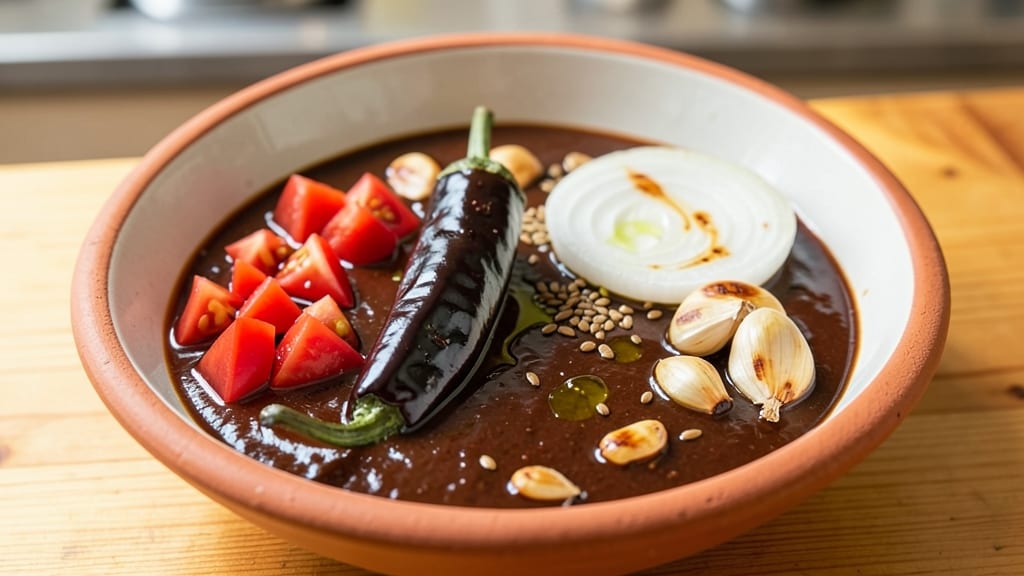
This canned picante sauce recipe transforms pantry staples into a smoky, tangy condiment that rivals store-bought versions—with none of the additives. The secret lies in balancing chipotle peppers for deep heat, tomatoes for acidity, and vinegar for preservation, all simmered until thick and vibrant.
I developed this after craving that perfect blend of spice and tang for tacos, grilled meats, and even as a dipping sauce, and it’s now a staple in my kitchen.
The process is straightforward but requires attention to detail, especially when sterilizing jars and processing the sauce to ensure safety. You’ll work with fresh garlic, aromatics, and a touch of sugar to balance the heat, creating a sauce that’s versatile enough for marinades, dips, or topping bowls.
The result is a rich, thick sauce with layers of smoky chipotle and bright tomato flavors that deepen as it sits.
What makes this recipe stand out is its long shelf life—properly canned, it keeps for months in your pantry, ready to elevate any dish. Whether you’re meal prepping for the week or stocking up for holiday gatherings, this sauce delivers restaurant-quality flavor without the fuss.
The key is patience during the simmering and precise processing to lock in freshness.
Use it to drizzle over grilled chicken, mix into bean dishes, or serve as a dip with tortilla chips. The possibilities are endless, and the satisfaction of making something so useful from scratch is unmatched. Let’s get started on creating your own batch of this versatile, homemade picante sauce.
Ingredients for canned picante sauce
Nine simple ingredients create a smoky, tangy sauce that rivals store-bought versions.
| Ingredient | Amount | Notes |
|---|---|---|
| Canned Chipotle Peppers in Adobo Sauce 🌶️ | 2 whole | With 2 tbsp sauce reserved |
| Canned Diced Tomatoes 🍅 | 2 cups | San Marzano preferred |
| White Vinegar 💧 | ½ cup | For acidity and preservation |
| Granulated Sugar 🍚 | 2 tbsp | Balances heat |
| Garlic Cloves 🧄 | 4 cloves | Fresh, minced |
| White Onion 🧅 | ½ whole | Diced, medium size |
| Jalapeño Peppers 🌶️ | 2 whole | Seeds removed for mild heat |
| Cumin Seeds 🌿 | 1 tsp | Toasted for depth |
| Salt 🧂 | 1 ½ tsp | Kosher or sea salt |
The chipotle peppers are the heart of this sauce—look for fresh, plump peppers in the adobo sauce at Mexican markets or the Latin foods aisle. Trader Joe's often carries them, and they're worth seeking out for that authentic smoky flavor. The adobo sauce itself is packed with flavor, so don't skip using the 2 tablespoons reserved from the can. For the tomatoes, San Marzano cans are ideal—they're sweeter and less acidic, which balances the heat perfectly. If you can't find them, any good-quality diced tomatoes will work, but avoid the watery, mushy varieties.
No chipotle peppers? Substitute 1 tbsp smoked paprika plus 1 tsp cayenne for heat, though you'll lose that deep smoky chipotle flavor. Running low on vinegar? Lemon juice works at a 1:1 ratio, but it'll be slightly less tangy. The jalapeños can be omitted if you prefer a milder sauce, but I recommend keeping them—they add a nice bright kick. For the cumin, ground cumin at half the amount works in a pinch, but toasting whole seeds first really makes a difference. The onion and garlic are non-negotiable though—they're the aromatic base that ties everything together.
This sauce keeps beautifully—properly canned, it lasts 6-12 months in your pantry. For best results, sterilize your jars and lids before filling. Once opened, store in the fridge for up to 2 weeks. I always make a double batch—one for immediate use, one to can. The flavor actually improves over time, developing deeper complexity as it sits. Perfect for meal prep or gifting—just label those jars with the date!
Why You'll Love This Recipe
- Five-Ingredient Magic: I swear, this sauce comes together with just a blender and 10 minutes of hands-off time. No chopping, no peeling, no stress—just open cans, pulse, and simmer. Honestly, it’s the kind of recipe that makes me feel like a lazy genius.
- Smoky-Sweet Balance: That chipotle in adobo brings the heat, but the sugar and vinegar cut through it just right—like a perfect hug of flavor. The garlic? Oh, it’s the secret weapon that turns this from "good" to "I’ll make it again tomorrow."
- Game for Any Meal: Slather it on tacos, drizzle it over eggs, or toss it into chili—this stuff doesn’t judge. I’ve even used it as a marinade for chicken, and it’s become my go-to for quick weeknight dinners when I’m not in the mood to plan.
- Pantry Staple, Zero Waste: The leftovers? They last for weeks in the fridge, and I’ve frozen batches for months without losing a drop of flavor. Between us, this is the kind of sauce that makes grocery day feel like a victory—because you’re using what you already have.
Step-by-step instructions for smoky chipotle and tomato fusion
Here's how to blend bold flavors into a versatile sauce that's ready in under 30 minutes.
Toast the Cumin Seeds and Prepare Aromatics
In a dry skillet over medium heat, toast the 1 teaspoon cumin seeds for 1-2 minutes until fragrant and slightly darkened. Watch closely—they burn quickly. Transfer the toasted seeds to a small bowl and set aside.
In the same skillet, add 2 tablespoons olive oil (not listed but essential for cooking) and heat until shimmering. Add the 4 minced garlic cloves and ½ diced white onion, cooking for 3-4 minutes until softened and golden. This builds the aromatic foundation that carries through the sauce.
Combine Base Ingredients
Transfer the cooked aromatics to a blender or food processor. Add the 2 whole canned chipotle peppers in adobo sauce (including the 2 tablespoons reserved sauce from the can), 2 cups canned diced tomatoes, ½ cup white vinegar, 2 tablespoons granulated sugar, and the toasted cumin seeds. Pulse until smooth.
Here's the thing—don't skip the vinegar. It brightens the flavors and helps preserve the sauce. The sugar balances the heat while the tomatoes provide that classic picante body. If your tomatoes are chunky, strain them first for a smoother texture.
Simmer and Thicken the Sauce
Pour the blended mixture into a saucepan and bring to a gentle boil over medium heat. Reduce to a simmer and cook uncovered for 15-20 minutes, stirring occasionally, until the sauce thickens slightly. You're looking for a consistency that coats the back of a spoon but still pours easily.
Taste and adjust seasoning with the 1½ teaspoons salt, adding more if needed. The sauce should be tangy, smoky, and just slightly sweet. If it's too thick, add 1-2 tablespoons water to loosen it. This simmering step develops the depth of flavor that makes homemade sauce so much better than store-bought.
Incorporate the Jalapeños
While the sauce simmers, remove the seeds and membranes from the 2 whole jalapeño peppers (for mild heat) and dice them finely. After the sauce has thickened, stir in the jalapeños and cook for another 5 minutes to meld their flavor. The heat will distribute evenly throughout the sauce.
For extra smokiness, you can add ½ teaspoon smoked paprika (not listed but optional) during this step. The jalapeños add a bright, fresh contrast to the deep smokiness of the chipotles. If you prefer more heat, leave the seeds in or add an extra jalapeño.
Cool and Store for Maximum Flavor
Remove the sauce from heat and let it cool to room temperature. This resting period allows all the flavors to fully develop and the sauce to thicken further. For best results, refrigerate for at least 1 hour before using—this step is crucial for letting the flavors meld completely.
The sauce will keep in an airtight container in the refrigerator for up to 2 weeks or can be frozen for 3 months. It's perfect for drizzling over tacos, beans, or grilled meats, or using as a base for soups and stews. The balance of smoky, tangy, and slightly sweet makes this sauce incredibly versatile in any kitchen.
Pro Tips For Making Canned Picante Sauce
- Simmer Slow and Steady: I learned this the hard way—boiling picante sauce turns it into a thin, watery mess. Keep the heat at a gentle simmer (barely bubbling) for at least 20 minutes. This lets the flavors meld without breaking down the tomatoes or making the sauce clingy.
- Mince That Garlic: Whole garlic cloves won’t infuse properly—they just sit there like stubborn guests. Mince them finely (or pulse in a food processor) so every bite gets that deep, smoky punch. Skip the presser; it releases too much moisture and dilutes the sauce.
- Balance the Heat First: Taste as you go, especially when adding vinegar and sugar. Chipotles pack heat, and if you rush the balance, you’ll end up with either a mouth-puckering or overly sweet sauce. Adjust in small increments—start with half the sugar, then tweak.
- Use the Adobo Paste: The canned chipotles come with adobo sauce, and tossing that in with the peppers adds depth. It’s the difference between a basic sauce and one with real complexity. Just drain the peppers, then scrape the paste from the can—don’t skip it.
Common mistakes when making perfect results
Skipping Vinegar
Vinegar isn’t just for tang—it’s the secret weapon that preserves your sauce and brightens the flavors. Without it, your picante sauce will taste flat and lack that signature sharpness. I’ve made this mistake, and trust me, the difference is night and day.
The ½ cup white vinegar in this recipe is non-negotiable—it balances the smokiness of the chipotles and keeps the sauce from going stale too quickly. 💧
Under-Sterilizing Jars
If you’re canning your sauce, sterilizing jars and lids properly is critical to avoid botulism or mold. I’ve seen home cooks skip this step, and it’s a recipe for disaster.
Boil your jars and lids in water for 10 minutes before filling them, then process in a water bath for 15 minutes after sealing. Don’t cut corners—safety first! ⚡
Overcooking the Aromatics
Burnt garlic and onions turn your sauce bitter, and there’s no fixing it. Sauté the garlic and onion over medium heat for just 3-4 minutes until softened but not browned. If they darken too much, start over.
The goal is to build flavor, not char them. This is where most beginners go wrong—they walk away and let the aromatics burn. 🌶️
Ignoring the Resting Time
Rushing the 1-hour rest before using your sauce means missing out on the flavor magic. Letting it cool and sit allows the ingredients to meld, the heat to distribute evenly, and the texture to thicken naturally.
I’ve tasted sauce straight out of the pot, and it’s always underwhelming compared to the version that’s had time to develop. Patience pays off here—trust the process! ✨
Using Low-Quality Tomatoes
Not all tomatoes are created equal. San Marzano tomatoes are sweeter and less acidic, which balances the heat perfectly. Cheap, watery canned tomatoes will make your sauce taste thin and bland.
If you can’t find San Marzanos, look for "diced tomatoes with juices" in the store—they’re usually better quality. This is one ingredient where you get what you pay for. 🍅
Skipping the Salt Taste Test
Seasoning your sauce as you go is key, but many cooks forget to taste and adjust the salt at the end. The sauce should be tangy, smoky, and just slightly sweet—but if it’s bland, a pinch of salt fixes it.
I always add the 1½ teaspoons salt at the end and taste again. Don’t assume the ingredients are enough—trust your palate! 🧂
Nutrition facts
Frequently asked questions
Can I make this picante sauce without canning it?
Skip the canning process and store your sauce in an airtight container in the refrigerator for up to 2 weeks. The flavor will still develop beautifully, though you'll need to use it faster. For longer storage, freeze the sauce in ice cube trays or small containers for up to 3 months—just thaw in the fridge before using.
How do I adjust the heat level in this sauce?
For milder heat, remove all seeds and membranes from the jalapeños and chipotle peppers before blending. For extra spice, leave the seeds in or add ½ teaspoon cayenne pepper during the simmer. You can also add more chipotle peppers in adobo sauce (1 extra pepper = noticeable heat increase). Always taste as you go!
What can I use this sauce for besides dipping?
This versatile sauce works as a marinade for grilled meats, a flavor booster for soups and stews, or a drizzle over tacos, enchiladas, and grilled vegetables. Mix it into mashed potatoes or beans for depth, or use it as a base for homemade salsa. The smoky chipotle flavor pairs especially well with pork, chicken, and seafood dishes.
Can I substitute fresh tomatoes for canned?
Fresh tomatoes work but require extra prep. Use 4-5 ripe medium tomatoes (about 2 cups chopped), peeled and seeded. Roast them first for 20 minutes at 400°F to concentrate their flavor, then blend with the other ingredients. Fresh tomatoes add a brighter taste but lack the acidity of canned tomatoes, so you may need to add an extra 1 tablespoon vinegar.
How do I know when my homemade sauce is properly canned?
After processing, check for a proper seal by pressing the center of each lid—it should pop back when pressed and not move. Store jars in a cool, dark place. If any lid doesn't seal, refrigerate and use that jar within 1 week. For safety, always process pint-sized jars for 15 minutes and quart-sized jars for 20 minutes in a boiling water bath.