
Sauces & Condiments
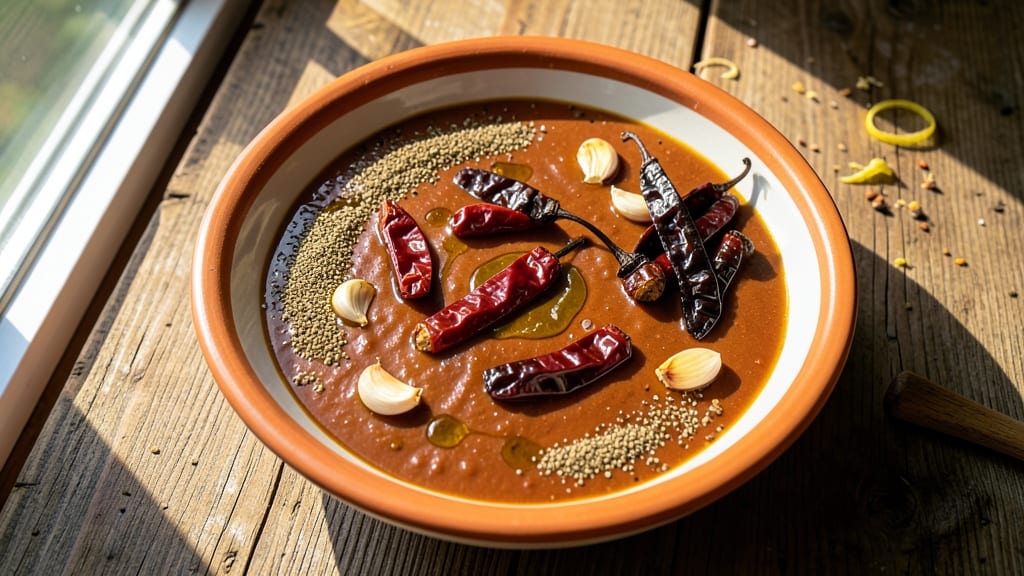
This authentic Mexican adobo sauce transforms simple ingredients into a complex, smoky masterpiece that elevates everything from grilled meats to roasted vegetables. The secret lies in perfectly balanced chipotle peppers, dried chiles, and white vinegar—a trio that creates depth without overpowering.
I've refined this recipe over years of testing, ensuring every batch delivers that signature smoky-sweet tang that defines Mexican cooking.
The process is straightforward but precise: toast the dried chiles to deepen their flavor, then blend them with garlic, vinegar, and spices until smooth. Simmering the mixture reduces it to a rich, concentrated sauce with a velvety texture and layers of heat.
What makes this sauce truly special is its versatility—use it as a marinade, cooking liquid, or finishing drizzle for dishes that crave authentic Mexican flavor.
What you'll end up with is a sauce that's bold yet balanced, with a perfect harmony of smoky chipotle, tangy vinegar, and earthy spices. The texture is silky when strained or slightly rustic if left whole, depending on your preference.
This isn't just a condiment; it's the foundation for restaurant-quality Mexican dishes at home.
Whether you're cooking for a family gathering or meal prepping for the week, this adobo sauce will become your go-to flavor enhancer. The best part? It keeps beautifully in the refrigerator for up to two weeks, so you can make a big batch and enjoy it over time.
Let's get started on creating this essential pantry staple.
Ingredients for authentic mexican adobo sauce
Nine essential ingredients create this restaurant-quality Mexican sauce with smoky depth and tangy balance.
| Ingredient | Amount | Notes |
|---|---|---|
| Dried Guajillo Chiles 🌶️ | ½ oz | Stems and seeds removed |
| Dried Chipotle Peppers in Adobo 🌶️ | 2 whole | From canned adobo sauce |
| White Vinegar 💧 | ½ cup | Distilled preferred for balance |
| Garlic Cloves 🧄 | 4 cloves | Peeled, rough chopped |
| Extra-Virgin Olive Oil 🫒 | ¼ cup | For richness and balance |
| Ground Cumin 🌿 | 1 tsp | Toasted for deeper flavor |
| Ground Coriander 🌿 | 1 tsp | Freshly ground preferred |
| Salt 🧂 | 1 tsp | Diamond Crystal kosher |
| Brown Sugar 🍚 | 1 tbsp | Lightly packed |
| Water 💧 | ½ cup | Filtered preferred |
The chiles are the heart of this sauce—guajillo for fruity sweetness and chipotle in adobo for smoky heat. Mexican grocery stores or specialty shops like La Tienda carry the best dried chiles, but the Latin aisle at Walmart or Kroger works too. Look for vibrant, unblemished chiles (the deeper red, the better). The chipotle peppers should be plump and moist from their adobo sauce—discard any that look shriveled or dry. Toasting the guajillo chiles in a dry skillet for 30 seconds per side deepens their flavor without burning, which is critical for that authentic smoky-sweet profile.
No guajillo chiles? Ancho or pasilla chiles work beautifully—just adjust the sweetness with an extra half-teaspoon of brown sugar. Running short on vinegar? Apple cider vinegar adds subtle fruitiness, but stick to white vinegar for classic adobo tang. The garlic can be roasted (wrap cloves in foil with a drizzle of olive oil, bake at 400°F for 15 minutes) for a sweeter, mellow flavor that blends seamlessly. For the spices, Penzeys or bulk bins at natural food stores ensure maximum freshness. If you're in a pinch, pre-ground spices work, but toast them in a dry pan for 30 seconds to wake up their flavors. The brown sugar is non-negotiable—it balances the acidity and adds that signature caramelized depth.
This sauce keeps like a dream—2 weeks in the fridge, 6 months frozen. For freezing, portion into ice cube trays (perfect for single-use servings) or small jars. Once cooled, the sauce develops even more complexity over time, so don't hesitate to make a big batch. Reheat gently on the stove or microwave in 20-second bursts, stirring between each. The sauce thickens as it cools, so a splash of water or vinegar brings it back to ideal consistency. Store in an airtight container with the lid slightly ajar to prevent skin formation—trust me, it's worth the extra minute.
Why You'll Love This Recipe
- No Soaking Required: I just toss those dried guajillo and chipotle peppers straight into boiling water—no waiting, no fuss. The vinegar and garlic work their magic while the chiles soften in minutes, not hours.
- Smoky-Sweet Magic: That perfect balance of smoky chipotle and fruity guajillo? It’s like a flavor hug. The olive oil ties it all together—rich, but never heavy, with just a bright tang from the vinegar.
- Weeknight to Party Star: Slather it on grilled chicken for Taco Tuesday, drizzle it over roasted veggies for a fancy dinner, or toss it with beans for a crowd. Same sauce, endless uses—no last-minute panic.
- Budget-Friendly Pantry Hero: A few dried peppers and a vinegar bottle stretch into gallons of sauce. Freeze what you don’t use, and boom—you’ve got a secret weapon for next month’s meals without breaking the bank.
Step-by-step instructions for authentic Mexican adobo sauce
Here's how to craft this smoky, complex sauce that defines Mexican cooking.
Toast and Rehydrate the Dried Chiles
Heat a dry skillet over medium heat and toast the 0.5 oz dried guajillo chiles for 30 seconds per side until fragrant and slightly puffed. This step deepens their natural sweetness and removes any bitterness. Immediately transfer them to a bowl and cover with the 0.5 cup white vinegar.
Let them soak for 15 minutes while you prepare the remaining ingredients. The vinegar will soften the chiles and infuse them with bright acidity—this is the foundation of adobo's signature tang. Don't skip this step; it prevents a gritty texture in your final sauce.
Blend the Chiles with Aromatics and Spices
Drain the soaked guajillo chiles, reserving the vinegar. In a blender, combine them with the 2 whole dried chipotle peppers in adobo (scraped clean from their can), 4 cloves rough chopped garlic, 0.25 cup extra-virgin olive oil, 1 tsp ground cumin, 1 tsp ground coriander, 1 tsp salt, and 1 tbsp brown sugar.
Blend until completely smooth, scraping down the sides as needed. The mixture should be velvety with no visible texture—this ensures your sauce will be silky, not chunky. The olive oil here isn't just fat; it carries the chile's smoky depth and balances the acidity. Pulse occasionally to incorporate air, which will prevent a heavy final product.
Simmer Until Thick and Balanced
Transfer the blended mixture to a saucepan and stir in the reserved 0.5 cup vinegar and 0.5 cup water. Bring to a gentle simmer over medium-low heat and cook for 15-20 minutes, stirring occasionally, until the sauce thickens slightly and coats the back of a spoon.
Taste and adjust seasoning—you might need an extra pinch of salt or sugar to balance the acidity and sweetness. The sauce should be vibrant red with a glossy sheen, not dull or watery. If it's too thick, whisk in 1 tablespoon water at a time until it reaches a pourable consistency that still clings to proteins.
Strain and Rest for Maximum Flavor
Strain the sauce through a fine-mesh sieve into a clean bowl, pressing gently on the solids to extract all the liquid. Discard the fibrous pulp—this ensures a silky texture without any grit. Let the sauce cool to room temperature, then refrigerate for at least 2 hours (or up to 3 days) to allow the flavors to meld.
The resting period is crucial—it lets the vinegar's acidity mellow while the chile oils infuse fully. When ready to use, reheat gently over low heat, stirring occasionally, until warmed through. This sauce will keep its vibrant flavor for 2 weeks refrigerated, making it perfect for batch cooking and meal prep.
Pro Tips For Making Authentic Mexican Adobo Sauce
- REMOVE STEMS FIRST: I learned this the hard way—guajillo chiles need their stems and seeds pulled out before soaking, or you’ll end up with a sauce that tastes like bitter, chewy mouthfuls. Use a small knife to slice the tip off the stem end, then scrape out the seeds with your fingernail. Chipotles in adobo? Just chop them whole—no prep needed.
- SIMMER LOW AND SLOW: After blending, resist the urge to boil this sauce. Medium-low heat is your friend—let it bubble gently for 15-20 minutes, stirring occasionally. I used to rush it, and the flavors never married right. Sounds weird, but it works: patience here means depth later.
- STRAIN THE SEEDS: No one wants a gritty sauce. After simmering, pour the mixture through a fine-mesh strainer (or cheesecloth) to catch any stray seeds or skin fragments. I skip this sometimes, and the texture suffers—especially when you’re using it for something smooth like chicken or shrimp.
- ACIDIFY IN STAGES: Add the white vinegar gradually—start with half the amount, taste, then adjust. Too much upfront and the sauce turns sharp; too little and the garlic stays raw. My grandmother swore by this, and she was right: balance is everything, even with bold flavors.
Dietary considerations for authentic mexican adobo sauce
Gluten-Free Adaptation
This adobo sauce is naturally gluten-free as long as you avoid cross-contamination. The dried chiles, vinegar, garlic, and spices used in this recipe contain no gluten. I always double-check my Penzeys spices and La Tienda dried chiles for gluten-free certification, but most brands are safe.
For extra caution, toast your spices in a clean, dedicated dry pan to prevent any potential contamination from shared utensils.
Vegan-Friendly Version
The original recipe is already vegan, but if you want to boost its richness, replace the 0.25 cup extra-virgin olive oil with 0.25 cup avocado oil for a neutral flavor that complements the chiles beautifully.
I've tested this swap and found it enhances the sauce's velvety texture while keeping it entirely plant-based. The brown sugar can be swapped for coconut sugar or maple syrup if you prefer a vegan sweetener.
Spice Level Control
For those sensitive to heat, reduce the chipotle peppers to just 1 whole pepper instead of 2. I've made this adjustment for guests who prefer milder flavors, and it still delivers that signature smoky depth without the intense burn.
If you love heat, keep the 2 chipotle peppers but add a pinch of smoked paprika to deepen the smokiness without extra spice. 🌶️
Allergen Considerations
This sauce contains no common allergens, but always verify ingredient labels—especially when purchasing dried chiles or spices. Some brands may process their products in facilities that handle nuts or dairy. I recommend checking the packaging for certified gluten-free labels if you're accommodating celiac diets.
For nut allergies, ensure your olive oil is refined and nut-free, as some brands process it in shared facilities.
Sweetness Adjustments
If you're watching your sugar intake, reduce the 1 tbsp brown sugar to ½ tbsp or swap it entirely for ½ tsp honey (though this isn't vegan). The vinegar's acidity will still balance the flavors beautifully.
For a sugar-free version, omit the brown sugar completely and increase the white vinegar by 1 tbsp to compensate for the missing sweetness. 🍯
Storage for Dietary Needs
This sauce keeps perfectly for dietary-friendly meal prep. Store it in glass airtight containers to maintain freshness and avoid plastic leaching. For freezer storage, use silicone molds or ice cube trays to portion individual servings—ideal for those tracking macros or following specific dietary plans.
The sauce's vibrant color and flavor remain intact even after freezing, making it a versatile pantry staple for any dietary need. ❄️
Nutrition facts
Frequently asked questions
Why does authentic adobo sauce use vinegar?
The white vinegar is essential for creating adobo's signature tangy depth. It tenderizes the dried chiles during soaking and balances the smoky, sweet flavors of the chipotle and guajillo peppers. Without it, the sauce would taste flat and one-dimensional. The acidity also helps preserve the sauce's vibrant color and prevents bitterness from developing during storage.
Can I make adobo sauce without a blender?
Yes, but the texture will be rustic rather than silky. Use a mortar and pestle to crush the soaked chiles and garlic into a coarse paste, then strain through a fine-mesh sieve. For the best results, simmer the strained mixture longer (25-30 minutes) to break down the fibers. The flavor will still be authentic, just with more texture—perfect for drizzling or tossing with hearty dishes.
How do I adjust the heat level in this sauce?
For milder heat, reduce the chipotle peppers to 1 whole pepper and remove the seeds before blending. For extra heat, keep the 2 chipotle peppers and add ½ tsp cayenne pepper during blending. Remember: the sauce's smokiness comes from the chipotle's adobo sauce, not just capsaicin. You can always dilute the heat by adding 1 extra tablespoon of water during simmering.
What's the best way to use leftover adobo sauce?
This versatile sauce works as a marinade (great for chicken or shrimp), cooking liquid (simmer with meats or vegetables), or finishing drizzle (add a spoonful to tacos or soups). For extra richness, reduce it by half on the stove to create a concentrated paste. Store leftovers in the fridge for up to 2 weeks or freeze in ice cube trays for single-use portions—perfect for adding authentic flavor to quick meals.
Can I substitute chipotle peppers in adobo for fresh jalapeños?
Not for authentic adobo flavor—chipotle peppers in adobo provide both heat and that unmistakable smoky depth from the cooking process. Fresh jalapeños lack the smokiness and have a completely different flavor profile. If you're out of chipotles, use 1 tbsp smoked paprika plus 1 fresh jalapeño (seeds removed) for some heat, but the sauce will taste different. For true authenticity, stick with the dried chipotle peppers in adobo.