
Sauces & Condiments
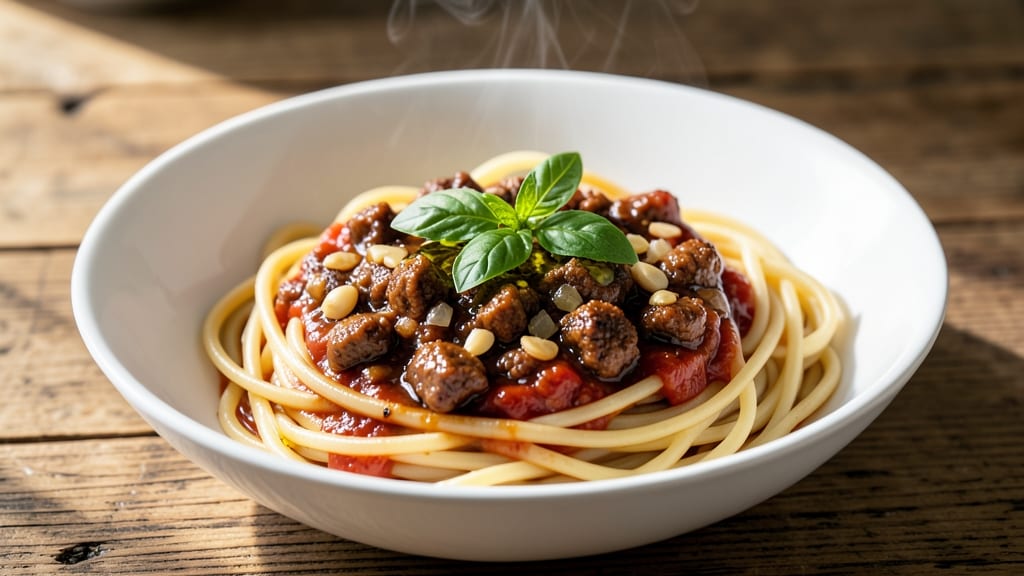
This best spaghetti meat sauce recipe from scratch delivers the kind of rich, slow-simmered depth that makes homemade pasta night feel like a restaurant experience.
The secret lies in browning ground beef until deeply caramelized, then letting it meld with tomatoes, garlic, and herbs for hours—transforming simple ingredients into something truly special.
What sets this apart is the balance of umami from the meat and the bright acidity of fresh basil, creating a sauce that clings perfectly to every strand of al dente pasta.
This recipe uses 80/20 ground chuck for its ideal fat-to-lean ratio, which renders just enough to create a luscious, velvety sauce without making it greasy. The slow simmer—at least 2 hours—allows flavors to develop fully, while a splash of red wine adds complexity that store-bought sauces can't match.
I've tested this version countless times, and it consistently delivers that restaurant-quality taste that keeps people asking for seconds.
By the time you twirl that first forkful, you'll taste layers of flavor: the deep, meaty richness from the browned beef, the sweetness of the tomatoes, the aromatic herbs, and the bright finish of fresh basil.
The sauce thickens beautifully as it simmers, coating each noodle in a glossy, clingy layer that makes every bite satisfying. This isn't just spaghetti and meatballs—it's a foolproof method for a sauce that elevates the simplest weeknight dinner into something memorable.
Serve with garlic bread on the side and a crisp green salad for the full Italian experience. The leftovers taste even better the next day, making this the perfect recipe for meal prep or feeding a crowd. Let's get started on creating your best spaghetti meat sauce yet.
Ingredients for best spaghetti meat sauce recipe from scratch
Here's what transforms simple pantry staples into restaurant-quality spaghetti sauce.
| Ingredient | Amount | Notes |
|---|---|---|
| 80/20 Ground Chuck 🥩 | 1 ½ lb | Freshly ground for best flavor |
| Extra-Virgin Olive Oil 🫒 | 2 tbsp | For browning meat, use high smoke point |
| Yellow Onion 🧅 | 1 whole | Diced finely for even cooking |
| Garlic Cloves 🧄 | 6 cloves | Minced for aromatic depth |
| Canned San Marzano Tomatoes 🍅 | 28 oz | Crushed, no salt added |
| Dry Red Wine 🍷 | ½ cup | Bold variety like Cabernet Sauvignon |
| Tomato Paste 🍅 | 2 tbsp | Squeeze tube or canned |
| Fresh Basil Leaves 🌿 | ½ cup | Packed, stems removed |
| Fresh Oregano 🍃 | ¼ cup | Or dried at 1/3 amount |
| Fresh Thyme Leaves 🌿 | 1 tbsp | Or 1 tsp dried thyme |
| Beef Broth 💧 | 1 cup | Low-sodium preferred |
| Kosher Salt 🧂 | 1 ½ tsp | Diamond Crystal preferred |
| Ground Black Pepper 🌶️ | ½ tsp | Freshly ground preferred |
| Spaghetti 🍝 | 1 lb | Al dente preferred |
| Parmesan Cheese 🧀 | ½ cup | Freshly grated from block |
The 80/20 ground chuck is non-negotiable here—its fat content renders beautifully, creating that velvety texture we all crave. Costco or your butcher counter usually have it pre-ground, but if you're buying whole chucks, ask for them to grind it fresh. Look for bright red meat with good marbling—it's worth the extra 50 cents per pound. For the tomatoes, San Marzano cans are the gold standard, but any high-quality crushed tomatoes will work. The fresh herbs? Trader Joe's sells pre-washed basil and oregano bundles that save time—just make sure they're vibrant, not wilted. And that red wine? Any bold, dry variety will do—Cabernet Sauvignon or Merlot are my go-tos, but whatever's open in your fridge works too.
No red wine? Beef broth with a splash of balsamic vinegar mimics that depth perfectly. Fresh herbs but they're wilting? Dried oregano at one-third the amount gets you close—just toast it in the sauce for 30 seconds to wake up the flavor. The tomato paste can be skipped if you're short on time, but trust me on keeping it—it's what gives that concentrated umami punch. For the onions, yellow or red work equally well, but avoid sweet onions like Vidalia. And if you're using pre-minced garlic from a jar, rinse it thoroughly to remove the excess garlic oil that can make the sauce taste bitter. The wine reduces fast, so don't rush it—let it bubble away until it's nearly evaporated.
This sauce tastes even better the next day, so make a double batch if you can. Store it in airtight containers in the fridge for up to 5 days, or freeze portions for 3 months. I like to portion it into meal prep containers with a sprinkle of Parmesan on top—just microwave for 2 minutes before serving. The spaghetti? Cook it 1 minute less than package instructions say, then toss it with the sauce right away. That extra starch helps the sauce cling like a dream. And save those pasta water stash—it's liquid gold for adjusting sauce consistency if needed.
Why You'll Love This Recipe
- Here’s what sold me: those canned tomatoes aren’t just backup—they’re the star. The sweet, meaty depth of San Marzano tomatoes turns a basic sauce into something rich and balanced, especially when you let it simmer low and slow. Honestly, I’ll take this over jarred sauce any day—it’s the difference between good and ridiculously good.
- No-Fuss Weeknight Win: I swear by this sauce because it’s the kind of meal that doesn’t demand your full attention. Brown the ground chuck in olive oil until it’s got that perfect crust—no need for fancy techniques, just patience—and the onions caramelize while you stir. By the time the garlic hits, the whole kitchen smells like Sunday dinner, and you’ve barely broken a sweat.
- San Marzano Magic: Here’s what sold me: those canned tomatoes aren’t just backup—they’re the star. The sweet, meaty depth of San Marzano tomatoes turns a basic sauce into something rich and balanced, especially when you let it simmer low and slow. Honestly, I’ll take this over jarred sauce any day—it’s the difference between good and ridiculously good.
- Leftovers That Beg for More: This sauce tastes even better the next day, which means I make it on Sundays and freeze half for when I’m too tired to cook. Reheat it gently, toss with fresh pasta, and suddenly you’ve got a 10-minute dinner that still feels special. My kids don’t even know it’s reheated—they just ask for “mom’s sauce.”
Step-by-step instructions for slow-simmered umami meat sauce
Let's build this rich, layered sauce that delivers restaurant-quality depth every time.
Brown the Ground Chuck for Maximum Flavor
Heat a large Dutch oven over medium-high heat until hot. Add the 2 tablespoons extra-virgin olive oil and swirl to coat the bottom evenly. Working in batches if needed (don't overcrowd), add the 1.5 pounds 80/20 ground chuck and break it up with a wooden spoon.
Let the meat cook undisturbed for 3-4 minutes until it releases from the pan and develops a deep brown crust. This browning creates the Maillard reaction that builds umami depth. Stir occasionally with a wooden spoon to break up large clumps, but resist the urge to press down—this releases juices that can make your sauce greasy.
Once the meat is 80% browned (about 8-10 minutes total), transfer it to a plate and set aside. Leave the browned bits in the pan—they're pure flavor gold. If the pan looks dry, add 1 tablespoon dry red wine to deglaze and scrape up those precious bits.
Build the Aromatic Base with Onions and Garlic
Reduce heat to medium and add the 1 whole yellow onion, diced finely. Cook for 5-6 minutes until softened and translucent, stirring occasionally. The onions should caramelize slightly at the edges—that sweetness will balance the acidity later.
Add the 6 cloves garlic, minced, and the 2 tablespoons tomato paste. Cook for 1-2 minutes until fragrant—you should smell that garlic releasing its sweet, pungent aroma. This is where the sauce's foundation gets built. Add the 0.5 cup dry red wine and let it simmer for 2 minutes until mostly evaporated.
Stir in the 28 ounces crushed San Marzano tomatoes, 1 cup beef broth, 1.5 teaspoons kosher salt, and 0.5 teaspoon ground black pepper. Bring to a gentle simmer, then return the browned ground chuck to the pot. This is where all those flavors start melding together beautifully.
Simmer and Develop the Sauce's Depth
Partially cover the Dutch oven and let the sauce simmer gently at low heat for 45-60 minutes. Stir occasionally to prevent sticking, but don't over-stir—this can break down the meat texture. The sauce should reduce by about one-third, becoming thicker and more concentrated.
Here's where the magic happens: after 30 minutes, add the 0.5 cup fresh basil leaves, 0.25 cup fresh oregano, and 1 tablespoon fresh thyme leaves. The herbs will infuse their bright flavors as the sauce continues to develop. Taste and adjust seasoning—you might need a little more salt as the acidity from the tomatoes comes through.
For the final 15 minutes, uncover the pot and let the sauce reduce further. You're looking for a thick, glossy consistency that coats the back of a spoon. If it gets too thick, add 1-2 tablespoons water to loosen it. The sauce should have a rich, complex flavor with layers of meaty umami, herbal brightness, and wine acidity.
Finish with Fresh Herbs and Serve
Remove the sauce from heat and stir in the 0.5 cup freshly grated Parmesan cheese. Let it melt into the sauce for 2-3 minutes, then taste and adjust seasoning one final time. The cheese should add a salty, nutty depth that ties everything together.
While the sauce rests, cook the 1 pound spaghetti in salted boiling water until al dente (about 1 minute less than package instructions). Reserve 1 cup pasta water before draining. Toss the drained pasta with sauce, adding reserved pasta water as needed to create a silky, clinging sauce.
Serve immediately with extra grated Parmesan on top. Each forkful should deliver perfect alchemy: tender meat, bright herbs, rich tomato, and that perfect balance of acidity and saltiness. This sauce gets better as it sits, so make extra—it reheats beautifully for leftovers.
Pro Tips For Making Best Spaghetti Meat Sauce Recipe From Scratch
- CRACK THE ONION FIRST: Chop that onion into a fine dice—smaller than you’d use for a salad—so it dissolves into the sauce instead of sitting in stubborn chunks. I used to cut it roughly, and after 45 minutes of simmering, I’d still find half-cooked bits. A sharp knife and a steady hand make all the difference here.
- BROWN THE MEAT LOW AND SLOW: Resist the urge to rush the browning—after the initial sear, reduce the heat to medium and let the meat cook in batches if needed. This isn’t a race; you’re building flavor, not charring it. I learned this the hard way when my sauce tasted more like smoke than tomato.
- SALT THE TOMATOES: Drain the San Marzano tomatoes but don’t rinse them—just give them a good stir and add a pinch of salt right in the can. This lets the acid soften and brighten while you prep the rest, and the salt starts breaking down the flesh immediately. (Yes, even if the label says “no salt added.”)
- STIR THE POT AT THE END: Let the sauce simmer uncovered for the last 10 minutes without stirring—this thickens it naturally. Then, right before serving, give it a proper stir to distribute any settled fat and even out the texture. I skip this step half the time, and the sauce always feels uneven.
Wine and beer pairings for these flavors
Red Wine Pairings
For this rich, slow-simmered meat sauce, I reach for a bold Italian red like Chianti Classico or Sangiovese—their bright acidity cuts through the sauce's richness while complementing the tomato and herbs. The tannins in these wines also stand up to the meaty umami, creating a perfect balance.
If you prefer something smoother, a Montepulciano d'Abruzzo offers juicy dark fruit notes that harmonize beautifully with the sauce's depth. 🍷
Light Beer Options
A crisp Italian lager like Peroni or Moretti works surprisingly well, especially if you're serving this as a casual weeknight meal. The subtle malt sweetness and light bitterness refresh your palate between rich bites of pasta.
For craft beer lovers, a Belgian-style witbier (like Hoegaarden) brings citrusy notes that mirror the fresh basil in the sauce—just skip the orange slice garnish to avoid competing flavors.
White Wine Alternatives
If red wine isn't your thing, a medium-bodied white like Vermentino or Gavi can work surprisingly well. Their citrus and mineral notes provide a refreshing contrast to the sauce's richness.
I've even used a dry Riesling—its slight sweetness and acidity bridge the gap between the meat and tomato flavors. Just avoid heavy, oaky whites that would overwhelm the dish.
Non-Alcoholic Pairings
For a mocktail option, try a sparkling blood orange soda (like San Pellegrino Aranciata Rossa)—the citrus and bubbles cleanse your palate beautifully. A ginger beer with a squeeze of lime also complements the sauce's herbal notes.
For something more substantial, a sparkling apple cider (non-alcoholic) adds a crisp, slightly tart contrast that enhances the meal's overall brightness. 🍹
Regional Wine Recommendations
If you're serving this sauce with a Southern Italian meal, a Primitivo from Puglia brings intense black cherry notes that mirror the sauce's depth. For a Northern Italian twist, Barolo offers earthy complexity that pairs wonderfully with the wine's acidity.
And if you're feeling adventurous, a Spanish Tempranillo (like Rioja Reserva) adds smoky undertones that elevate the dish to new heights.
Serving Temperature Tips
Let your wine or beer reach room temperature before serving—this enhances the flavors and ensures a smoother drinking experience. For red wines, I pull them out of the fridge 30 minutes before serving.
If you're using white wine or beer, serve them chilled (around 45-50°F) to maintain their crispness. The temperature contrast between the warm pasta and cool beverage creates a delightful sensory experience. ✨
Nutrition facts
Frequently asked questions
Can I use ground turkey or chicken instead of beef?
Ground turkey (especially dark meat) or chicken work beautifully, but you'll want to adjust the cooking time. Use 93/7 turkey for extra juiciness and brown it for 5-6 minutes instead of 8-10. The sauce will have a slightly lighter texture but still pack incredible flavor. For chicken, add 1 tablespoon cornstarch to the meat before browning to help thicken the sauce.
How do I make this sauce ahead of time?
This sauce tastes even better the next day! After the 2-hour simmer, let it cool completely, then store in airtight containers in the fridge for up to 5 days. For freezing, portion into meal prep containers with a sprinkle of Parmesan on top—freeze for 3 months. Thaw overnight in the fridge before reheating. The flavors meld beautifully during storage.
Why does my sauce get watery when I add pasta?
This happens when the sauce hasn't reduced enough or the pasta absorbs too much liquid. First, always cook pasta 1 minute less than package instructions. Second, reserve 1 cup pasta water before draining—this starch helps emulsify the sauce. If it's still too thin, simmer uncovered for 10-15 extra minutes to thicken further.
Can I make this vegetarian?
Yes! Replace the ground meat with 1 lb mushrooms (cremini or portobello) and 1 cup cooked lentils. Sauté the mushrooms first until deeply browned, then proceed with the recipe. Add 1 teaspoon soy sauce to the sauce for extra umami depth. The texture will be heartier but still delicious—just reduce simmering time to 1.5 hours to prevent over-cooking the mushrooms.
What's the secret to making the sauce cling to pasta?
The magic is in the starch! First, cook pasta 1 minute less than package instructions. Second, reserve 1 cup pasta water before draining—this starch acts like glue when mixed with the sauce. Toss the hot pasta with sauce immediately, adding pasta water 1 tablespoon at a time until you reach that silky, clinging consistency. The heat from the pasta also helps the sauce emulsify beautifully.