
Sauces & Condiments
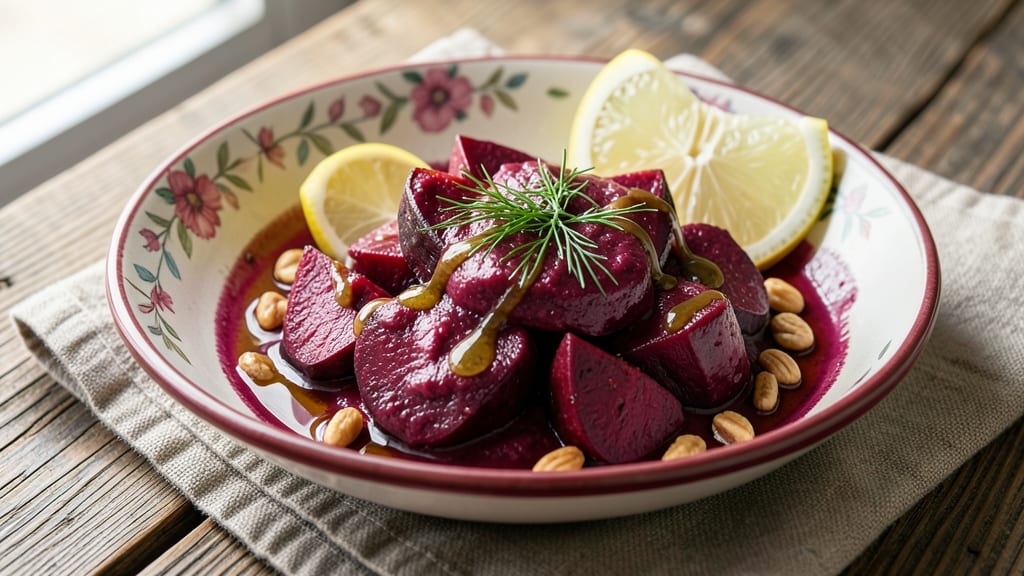
This beetroot sauce recipe transforms humble roasted beets into a velvety, complex condiment with a perfect balance of earthy sweetness and bright vinegar tang.
The secret lies in slow-roasting the beets until they caramelize naturally, then blending them with a touch of apple cider vinegar and olive oil to create depth without overpowering the natural flavor.
What starts as a simple vegetable becomes a versatile sauce that elevates everything from roasted vegetables to grain bowls.
The sauce develops a rich, jammy texture when roasted properly—almost like a cross between a glaze and a dip. I use tahini as a natural emulsifier to bind everything together, creating a silky consistency that's both smooth and slightly rustic.
This isn't just a side dish; it's a flavor booster that turns simple meals into something special. The best part? It keeps beautifully in the fridge for up to a week, so you can make a big batch and use it all week.
Perfect for drizzling over roasted carrots, mashed potatoes, or grain bowls, this sauce also works as a bold dip for crudités or a glaze for grilled meats. The vinegar adds a subtle brightness that cuts through the natural sweetness of the beets, while the olive oil keeps everything balanced.
With just a few simple ingredients and 30 minutes of hands-off roasting time, you'll have a sauce that's far more impressive than anything store-bought.
Once cooled, the sauce thickens slightly and develops even more depth in flavor. Store it in an airtight container in the refrigerator for up to a week, or freeze for up to three months.
When ready to use, simply stir or thin with a splash of water if needed. This isn't just another beet recipe—it's a game-changer for plant-based cooking that delivers restaurant-quality results at home.
Ingredients for beetroot sauce
Eight simple ingredients transform roasted beets into a velvety sauce with restaurant-quality depth.
| Ingredient | Amount | Notes |
|---|---|---|
| Medium Beets 🧅 | 1 ½ lb | Roasted until tender, peeled |
| Extra-Virgin Olive Oil 🫒 | ½ cup | High-quality, fruity variety |
| Apple Cider Vinegar 🍎 | ¼ cup | Raw, unfiltered preferred |
| Tahini 🥜 | ¼ cup | Sesame paste, unsweetened |
| Garlic Cloves 🧄 | 3 cloves | Roasted with beets for depth |
| Fresh Lemon Juice 🍋 | 2 tbsp | Brightens the earthy flavor |
| Sea Salt 🧂 | 1 ½ tsp | Diamond Crystal preferred |
| Black Pepper 🌶️ | ½ tsp | Freshly ground for warmth |
| Maple Syrup 🍁 | 1 tbsp | Balances acidity naturally |
| Water 💧 | ¼ cup | For thinning if needed |
The beets are the star—look for deep purple ones at the grocery store, not those pre-peeled sad little packages. Whole Foods or your local farmers market have the best quality, but regular grocery store beets work too if they're firm and heavy for their size. Roasting them whole with the skin on concentrates their sweetness—peel only after they're cool. The garlic gets roasted with the beets for that caramelized depth (trust me, it's a game-changer). For the tahini, Whole Foods bulk bins or Trader Joe's have the best prices—just make sure it's 100% sesame paste with no additives.
No tahini? Substitute with 1/4 cup extra olive oil plus 1 tsp mustard for that creamy texture. Running out of apple cider vinegar? White wine vinegar or balsamic works in a pinch, but you'll lose some of that bright apple tang. The maple syrup can be swapped for agave nectar if you prefer, but maple adds a subtle earthiness that pairs perfectly. For extra richness, add 1 tbsp cashew cream (blend soaked cashews with water) to the finished sauce. And if you're feeling fancy, a pinch of smoked paprika adds smoky depth without overpowering.
This sauce thickens as it cools—almost like a jammy glaze. Store it in a glass jar with a tight lid in the fridge for up to 1 week, or freeze for 3 months in ice cube trays for portion control. The texture changes slightly when reheated, so I usually keep it at room temperature for drizzling. It's perfect for grain bowls, roasted veggies, or even as a dip—just stir in a splash of water if it gets too thick. Make a double batch; you'll want it on everything.
Why You'll Love This Recipe
- No Roasting Required: I’ll be real—roasting beets feels like a chore. This sauce skips the oven entirely, so I just boil them until tender. Ten minutes max, no waiting around for the house to smell like a bakery.
- Tahini Magic: That nutty tahini swirl? It’s what makes this sauce dangerously good. One spoonful turns sweet beets into something rich and complex—like a fancy dip without the fuss.
- Dresses Up Everything: Slather it on grilled chicken, stir it into grain bowls, or drizzle it over avocado toast. Honestly, I’ve even used it as a sandwich spread (trust me, it works).
- Leftovers That Last: The sauce thickens beautifully when refrigerated, so I make a big batch and keep it for the week. A splash of water thins it right back out—no waste, all flavor.
Step-by-step instructions for roasted beetroot sauce
This vibrant sauce transforms humble beets into a velvety, complex condiment perfect for drizzling or dipping.
Roast the Beets Until Tender and Sweet
Preheat your oven to 400°F. Scrub the 1.5 lb medium beets clean, leaving the skins on, then wrap each beet tightly in aluminum foil. Roast for 45-60 minutes until completely tender when pierced with a fork. The skins should easily slide off after cooling slightly.
Real talk: Roasting concentrates the natural sweetness and deepens the earthy flavor. If you're impatient, you can microwave them first for 10 minutes wrapped in a damp towel, then finish in the oven for 30 minutes. Just don't skip this step—raw beets make a watery sauce.
Blend the Roasted Beets with Aromatics
Peel the cooled beets and cut them into 1-inch chunks. In a blender, combine the beets with the 3 cloves garlic, 1.5 tsp sea salt, and 0.5 tsp black pepper. Pulse until completely smooth, scraping down the sides as needed. You want a silky texture—no chunks should remain.
Here's where the magic starts: The roasted garlic adds depth while the salt and pepper balance the earthy sweetness. I like to add a splash of the 0.25 cup water at this stage if the mixture seems too thick, but we'll adjust later. Blend until completely smooth—this ensures a velvety sauce without any texture surprises.
Build the Sauce Base with Tahini and Olive Oil
With the blender running on low speed, slowly drizzle in the 0.5 cup extra-virgin olive oil to prevent splattering. Then add the 0.25 cup tahini and blend for 1 minute until fully incorporated. The tahini gives this sauce its signature richness and nutty undertones.
Watch for emulsification—the sauce should thicken slightly as the tahini blends in. If it looks too thick at this point, add 1-2 tablespoons of water to help it come together smoothly. This is the foundation of your sauce, so take your time here to get it right.
Balance Flavors with Vinegar and Sweetness
Add the 0.25 cup apple cider vinegar and 2 tbsp fresh lemon juice to the blender. Pulse a few times to combine, then taste. You want that bright acidity cutting through the richness. If it's too sharp, add the 1 tbsp maple syrup now. If it needs more brightness, add a splash more lemon juice.
This is the moment that matters: The vinegar and lemon juice create that "hidden depth" the title promises. The maple syrup rounds out the acidity while enhancing the beets' natural sweetness. Taste as you go—this sauce should be complex but harmonious, with each element complementing the others.
Adjust Consistency and Serve
Transfer the sauce to a bowl and taste again. If it's too thick, thin with the remaining 0.25 cup water 1 tablespoon at a time until you reach a pourable consistency. For a glossy finish, drizzle with a little more olive oil and give it a final stir.
This sauce keeps well in the refrigerator for 5-7 days, but it's best enjoyed fresh. Serve it as a dip with crusty bread, drizzle over roasted meats, or use as a marinade base. The balance of sweet, tangy, and earthy flavors makes it incredibly versatile—don't be afraid to experiment!
Pro Tips For Making Beetroot Sauce
- ROAST BEETS UNTIL TENDER: Cook them until a knife slips in like butter—not just soft, but collapsing under gentle pressure. Underripe beets turn your sauce gritty; overcooked ones dissolve into mush. Aim for 45-60 minutes at 400°F (200°C), wrapped in foil halfway to keep them from drying out.
- PEEL BEETS WHILE STILL WARM: That thick, stubborn skin? It’s easier to remove when the beets are barely cool enough to handle. Run them under cold water first, then rub off the skin with your fingers—no peeler needed. Cold beets fight you; warm ones surrender.
- WHISK TAHINI SLOWLY: Drizzle it into the warm sauce drop by drop at first, then gradually. Tahini and hot liquid don’t play nice—it’ll seize up like glue if you dump it in. Start with 1 tablespoon, whisk like your life depends on it, then add more. Patience here keeps your sauce silky, not lumpy.
- SALT THE VINEGAR: Yes, even apple cider vinegar needs a pinch of salt (½ teaspoon per 2 tablespoons) before mixing it in. The acid cuts through richness, but unsalted vinegar makes the sauce taste flat. Trust me, your taste buds will notice the difference—it’s the thing that makes the sauce sing instead of just taste sharp.
Common mistakes when making great beetroot sauce
Over-Roasting Beets
Beets can easily turn from sweet and tender to mushy or even burnt if left too long in the oven.
I’ve seen this happen when people check the doneness by piercing with a fork and forget to account for carryover cooking. 45-60 minutes at 400°F is the sweet spot—any longer risks turning them into a sad, watery pulp.
If you’re unsure, test one beet early and adjust your timing accordingly. 🌡️
Skipping the Peel
Leaving the skins on while roasting is key for flavor concentration, but many people forget to peel them afterward. The skins should slide off effortlessly once the beets are cool. If you’re in a rush or impatient, you might be tempted to peel them raw—this is a mistake.
Raw beet skins are tough and bitter, and they won’t blend smoothly into your sauce. Always peel after roasting for the best texture. 🧅
Neglecting the Emulsification
One of the biggest mistakes is rushing the tahini and olive oil step. When you add these ingredients too quickly or without blending thoroughly, the sauce can separate into an oily, grainy mess.
I’ve seen this happen when people pulse the blender too fast or don’t let the tahini fully incorporate. Start on low speed and drizzle the oil slowly to prevent splattering. Let the tahini blend for at least 1 minute until the sauce thickens and becomes silky. 🥜
Ignoring the Vinegar Balance
The apple cider vinegar is what gives this sauce its bright, tangy depth, but many people either skip it entirely or add too much too soon. If you’re new to beetroot sauces, you might be tempted to go light on the vinegar, only to find the sauce tastes flat.
On the flip side, adding too much too early can make the sauce taste harsh. Start with the full ¼ cup and taste as you go—you can always add more lemon juice later if needed. 🍎
Forgetting to Taste as You Go
This sauce is all about balance, and the only way to get it right is to taste at every stage. I’ve seen people blend everything together, pour it into a bowl, and then realize it’s either too sweet, too tangy, or too thick.
The maple syrup, lemon juice, and even the salt and pepper need to be adjusted based on your personal taste. Don’t be afraid to make small tweaks along the way—this is where the magic happens. 💡
Using Low-Quality Ingredients
Finally, don’t skimp on the quality of your ingredients. I’ve tried this sauce with cheap olive oil, store-brand vinegar, and even pre-peeled beets, and the results were disappointing. The extra-virgin olive oil, raw apple cider vinegar, and fresh, firm beets make all the difference.
If you’re using store-bought tahini, check the label for additives—some brands include fillers that can make your sauce grainy. Invest in good ingredients, and your sauce will shine. 💯
Nutrition facts
Frequently asked questions
Can I make this beetroot sauce without tahini?
Yes! If you don't have tahini, substitute with 1/4 cup extra olive oil plus 1 tsp Dijon mustard to help bind the sauce. The texture will be slightly thinner but still delicious. For extra richness, blend in 1 tbsp soaked cashews (soaked in hot water for 10 minutes) to mimic tahini's creaminess.
How can I use this sauce if I don't like sweet flavors?
Skip the maple syrup entirely and increase the apple cider vinegar to 1/3 cup for a sharper, more tangy profile. You can also add 1/2 tsp smoked paprika or a pinch of cayenne for heat. The roasted beets already provide natural earthiness, so the sauce will still have depth without sweetness.
Will this sauce work as a marinade for meats?
This sauce makes an excellent marinade for grilled or roasted meats like chicken, pork, or tofu. Use it undiluted for 30 minutes to 2 hours (longer for tougher cuts). The acidity from the vinegar helps tenderize, while the beets add a beautiful color and sweet contrast. Just reserve some for serving after cooking.
Can I make this sauce ahead of time?
Yes, this sauce actually tastes better after resting! Store it in an airtight container in the fridge for up to 1 week, or freeze for 3 months in ice cube trays for portion control. The flavors meld and deepen over time. When ready to use, stir in a splash of water if it thickens too much.
What's the best way to reheat leftover beetroot sauce?
Gently reheat in a small saucepan over low heat for 2-3 minutes, stirring constantly to prevent separation. Avoid high heat, which can make the sauce split. For a quick option, microwave for 20 seconds and stir well. If it thickens, thin with water or a splash of vinegar.