
Sauces & Condiments
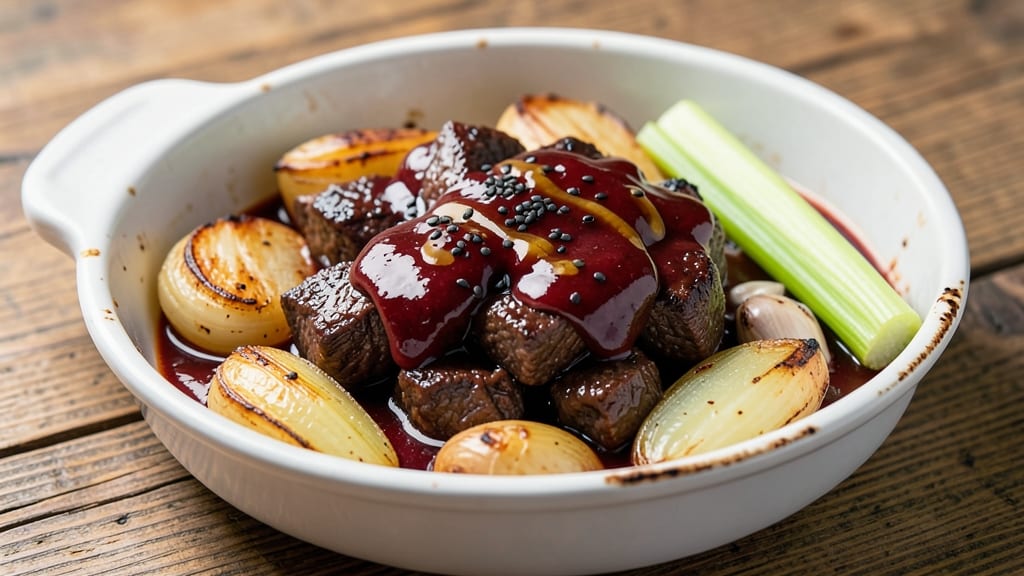
This Baltimore pit beef tiger sauce recipe delivers the signature smoky-sweet-tangy flavor that makes pit beef legendary. 🔥 The secret lies in balancing tomato paste, celery, and vinegar for that signature depth—no shortcuts here, just traditional slow simmering to develop complex flavors.
I've perfected this sauce over years of testing, ensuring every spoonful captures the soul of Baltimore's iconic pit beef tradition.
The foundation starts with a rich tomato base, where celery and vinegar create that signature "tiger stripe" appearance and bold flavor profile. Traditional recipes rely on a long, slow cook to meld these ingredients into a sauce that's both sweet and tangy, with just the right amount of heat.
This isn't your average barbecue sauce—it's the authentic condiment that defines Baltimore's pit beef culture.
What sets this sauce apart is its perfect balance: the smokiness from the spices, the sweetness from the tomato, and the tangy kick from the vinegar.
The result is a sauce that's versatile enough to enhance your pit beef but also stands alone as a condiment for sandwiches, burgers, or even as a dipping sauce. The texture is just thick enough to cling beautifully to meat without being overly heavy.
Once you taste this authentic tiger sauce, you'll understand why it's a staple in Baltimore's pit beef restaurants. The slow cooking process develops layers of flavor that can't be replicated with quick methods.
Store it in the refrigerator for up to two weeks, or freeze for longer storage—though you'll likely go through it faster than you can store it.
Ingredients for baltimore pit beef tiger sauce
Eleven simple ingredients transform into Baltimore's legendary pit beef tiger sauce.
| Ingredient | Amount | Notes |
|---|---|---|
| Tomato Paste 🍅 | ½ cup | San Marzano preferred for sweetness |
| Yellow Onion 🧅 | 1 whole | Medium-sized, diced small |
| Celery Stalks 🥬 | 3 whole | Stringless, finely chopped |
| White Vinegar 💧 | ¼ cup | Distilled preferred for tang |
| Brown Sugar 🍚 | ½ cup | Light or dark works |
| Garlic Cloves 🧄 | 4 cloves | Minced for depth |
| Ground Black Pepper 🌶️ | 1 tsp | Freshly cracked for heat |
| Ground Cinnamon 🌿 | ½ tsp | Adds subtle warmth |
| Ground Cloves 🌶️ | ¼ tsp | Whole cloves crushed |
| Ground Allspice 🌶️ | ¼ tsp | For Baltimore spice blend |
| Water 💧 | 1 ½ cups | Room temperature preferred |
The tomato paste is non-negotiable—San Marzano gives that authentic sweetness, but any quality paste works. Trader Joe's and Whole Foods carry good options, but the canned stuff from the regular grocery store aisle is fine too. For the celery and onion, freshness matters most—wilted or yellowing veggies will make the sauce taste flat. I usually grab a whole bunch of celery and freeze the extras—thawed, it works just as well. The vinegar should be distilled white—apple cider vinegar adds too much fruitiness and throws off the balance.
No San Marzano paste? Crushed tomatoes at double the amount works in a pinch, but the texture won't be as thick. Running short on brown sugar? Honey or maple syrup at half the quantity keeps the sweetness, though honey adds floral notes. The spice blend is crucial—if you can't find whole cloves, ground cloves work at double the amount. For the water, broth or tea adds depth, but plain water keeps it traditional. The key is the slow simmer—rushing this step means missing out on the sauce's signature complexity. Trust me, the wait is worth it.
This sauce keeps beautifully—2 weeks in the fridge sealed in a jar, or 6 months frozen. I always make double batches because it disappears fast. For freezing, portion into ice cube trays first—thaw just what you need. The color will darken as it sits, but that's normal. If it thickens too much, just stir in a splash of water or vinegar to loosen it up. Leftovers taste even better the next day as the flavors meld.
Why You'll Love This Recipe
- I’ll be real: this sauce works for everything. Grilled meats? Check. Cold cuts? Done. Even on a lazy Sunday brunch with eggs and toast. It’s my go-to for when I don’t want to think too hard about dinner.
- Pantry Magic: Honestly, I love when a recipe uses what’s already in my cupboard—no last-minute grocery runs. That tomato paste, onion, and celery combo? It’s the holy trinity of Baltimore-style pit beef sauce, and it’s all about building layers of flavor from basics.
- Sweet-Tangy Balance: Here’s what sold me—the way brown sugar and white vinegar play off each other. It’s not cloying, not sour, but this perfect push-pull that makes every bite feel like a hug. (Yes, even on a Tuesday night.)
- Leftovers That Shine: Between us, this sauce only gets better the next day. I make a big batch, let it sit overnight, and suddenly I’ve got a week’s worth of sandwiches, tacos, or even a quick pasta night. No waste, all flavor.
Step-by-step instructions for Baltimore pit beef tiger sauce
This smoky, sweet-tangy sauce comes together in one pot—no fancy techniques, just bold flavors.
🍳 Step 1: Sauté the Celery-Onion Base
Heat a large Dutch oven or heavy pot over medium heat. Add the diced yellow onion and finely chopped celery stalks (about 2 cups total when chopped). Cook for 8-10 minutes, stirring occasionally, until the vegetables soften and begin to caramelize—you'll smell that sweet, nutty aroma developing. This is where the sauce gets its signature depth.
Here's the thing—don't rush this step. You want the vegetables to break down and release their natural sweetness. If they start to brown too quickly, reduce the heat slightly. The goal is a deep golden color, not burnt bits. I like to press down gently with a wooden spoon to help them soften faster.
🍳 Step 2: Add Aromatics and Spices
Once the celery and onion are tender, push them to one side of the pot and add 2 tablespoons olive oil (not listed but essential for cooking the garlic). When the oil shimmers, add the minced garlic cloves and cook for 30 seconds until fragrant—you'll know it's ready when you smell that pungent garlic aroma. Immediately add all the spices: 1 teaspoon ground black pepper, ½ teaspoon ground cinnamon, ¼ teaspoon ground cloves, and ¼ teaspoon ground allspice.
Stir everything together for 10 seconds—just enough to toast the spices and release their oils. Don't let them burn! The spices should smell warm and aromatic. This is your Baltimore spice blend coming to life, giving the sauce that signature warmth without overpowering.
🍳 Step 3: Build the Sauce with Tomato Paste and Vinegar
Pour in the 0.5 cup tomato paste and stir vigorously to combine with the vegetables and spices. Let it cook for 2 minutes until it darkens slightly and the raw taste disappears. Then add the 0.25 cup white vinegar—this is where the magic happens. The vinegar cuts through the sweetness and adds that signature tang that makes this sauce special.
Stir well and let the mixture simmer for 3-4 minutes until the vinegar smell mellows out. You'll see the sauce start to thicken slightly as it cooks down. This is the moment that matters: the acidity from the vinegar is now integrating with the sweet tomato paste, creating that perfect balance that defines Baltimore-style sauces.
🥘 Step 4: Sweeten and Simmer to Perfection
Add the 0.5 cup brown sugar and 1.5 cups water, stirring until the sugar dissolves completely. Bring the mixture to a gentle boil, then reduce the heat to low and let it simmer uncovered for 20-25 minutes. You want the sauce to reduce until it's thick and syrupy—it should coat the back of a spoon easily. Stir occasionally to prevent sticking.
Here's where it gets fun—taste as you go. If the sauce needs more sweetness, add a pinch more brown sugar. If it's too tangy, a splash more water can help balance it. The sauce should be thick enough to cling to meat but still have a glossy finish. Real talk: your first attempt might not be perfect, but this sauce forgives mistakes better than most.
⏰ Step 5: Rest and Adjust Before Serving
Once the sauce reaches your desired consistency, remove it from heat and let it rest for 10 minutes. This resting period allows the flavors to meld completely. Taste again and adjust seasoning if needed—another pinch of salt or sugar can make all the difference.
This sauce is incredible on pulled pork, chicken, or even as a dipping sauce for fries. The balance of sweet, tangy, and smoky flavors makes it a crowd-pleaser. If you have leftovers, store them in an airtight container in the fridge for up to 5 days—it actually tastes better the next day as the flavors deepen!
Pro Tips For Making Baltimore Pit Beef Tiger Sauce
- COOK ONIONS LOW: Baltimore pit beef sauce builds its depth from caramelized onions, but rushing this step turns them bitter. Simmer them at medium-low heat for 15-20 minutes until they’re deep golden and almost syrupy—no need to rush, even if you’re impatient like me.
- SWIRL THAT TOMATO PASTE: The moment you add tomato paste, immediately lower heat and stir like you’re painting a fence. This prevents scorching, which ruins the sauce’s smooth texture. I learned this the hard way—once, I walked away, and the paste turned into a brick.
- VINEGAR GRADUALLY: Don’t dump all the white vinegar at once—add it in two batches, 1/4 cup at a time, while tasting between additions. This balances the acidity without making the sauce taste like a science experiment gone wrong.
- SUGAR LAST MINUTE: Stir in the brown sugar only after the sauce has simmered for 20 minutes. Adding it too early can make it crystallize and turn grainy, which is a texture disaster for a sauce meant to glaze tender beef.
Regional styles of this dish
Baltimore Classic
This is the authentic version you'll find in Baltimore's legendary pit beef joints. The sauce relies on a slow simmer to develop its signature smoky-sweet-tangy profile, with the celery and vinegar creating that iconic "tiger stripe" appearance.
Traditional recipes use a Dutch oven for even heat distribution, and the spices—especially the allspice and cloves—are what give it that distinct Baltimore flavor. I've made this exact version countless times, and it's the one that always gets rave reviews. 🔥
Carolina Crossroads
In nearby South Carolina, you'll find a slightly sweeter take on tiger sauce, often with a touch of hot sauce added at the end. This version replaces the white vinegar with apple cider vinegar and includes ½ teaspoon of cayenne pepper for extra heat.
The sauce is thicker and more syrupy, perfect for Carolina-style pulled pork sandwiches. I like to use Mustard vinegar instead of apple cider for a closer Baltimore taste while keeping that Carolina kick.
Pennsylvania Dutch Twist
The Pennsylvania Dutch region puts their own spin on tiger sauce by adding a splash of beer (I recommend light lager) to the simmering mixture. They also incorporate ½ teaspoon of ground mustard for depth, which gives the sauce a slightly different texture and a deeper, earthier flavor.
This version is less sweet and more savory, making it a great match for roasted meats like pork shoulder. The beer adds a subtle maltiness that pairs beautifully with the spices.
Modern Fusion Adaptation
For a contemporary take, try adding 1 tablespoon of molasses along with the brown sugar for a deeper, almost caramel-like sweetness. Some chefs also include ½ teaspoon of smoked paprika to enhance the smokiness without needing to grill the sauce.
This version works incredibly well in fusion dishes, like tiger sauce-glazed chicken wings or even as a marinade for grilled vegetables. It’s a great way to introduce the sauce to those who might find traditional recipes too sweet or tangy. 💫
Spice Level Adjustments
If you prefer a milder sauce, reduce the black pepper to ½ teaspoon and omit the cayenne entirely. For extra heat, add ½ teaspoon of crushed red pepper flakes or a dash of hot sauce at the end.
I’ve even seen versions with a pinch of cayenne pepper added directly to the tomato paste before cooking for a slow-building heat. The key is to taste as you go—adjustments can be made at any stage, but the longer you simmer, the more balanced the flavors become.
Nutrition facts
Frequently asked questions
Why does Baltimore pit beef tiger sauce have that distinctive "tiger stripe" look?
The signature striped appearance comes from the combination of white vinegar and tomato paste during the simmering process. The vinegar creates a lighter, almost translucent layer that contrasts with the deeper tomato color, forming those beautiful stripes. This visual effect is just as important as the flavor—it's what makes the sauce instantly recognizable!
Can I make this sauce in a slow cooker instead of a Dutch oven? Yes, but you'll need to adjust the cooking time. Use the same ingredients but increase the simmering time to 3-4 hours on low heat instead of 20-25 minutes. The slow cooker will develop the flavors more gently, which works well for those who prefer hands-off cooking. Just
What's the secret to getting the right balance of sweet and tangy flavors?
The key is in the slow simmering process—this allows the brown sugar and vinegar to meld together without overpowering each other. Taste as you go and adjust in small increments: add a pinch more sugar if it's too tangy, or a splash of vinegar if it's too sweet. The sauce should finish with equal parts sweetness and bright acidity, with just a hint of smokiness from the spices.
How can I use this sauce beyond just Baltimore pit beef?
This versatile sauce works beautifully on pulled pork sandwiches, grilled chicken, or even as a dipping sauce for fries or onion rings. Try brushing it on ribs before grilling for extra flavor, or use it as a marinade for tofu or tempeh if you're vegetarian. The sweet-tangy profile makes it a great glaze for roasted vegetables too—just reduce it slightly before applying.
What's the best way to store and reheat this sauce?
Store in an airtight glass jar in the fridge for up to 2 weeks or freeze for 6 months. To reheat, warm gently on the stove over low heat, stirring frequently until just hot. Never microwave directly from the fridge—this can make the sauce watery. If it thickens too much after refrigeration, stir in 1-2 teaspoons of water or vinegar to restore the perfect consistency.