
Sauces & Condiments
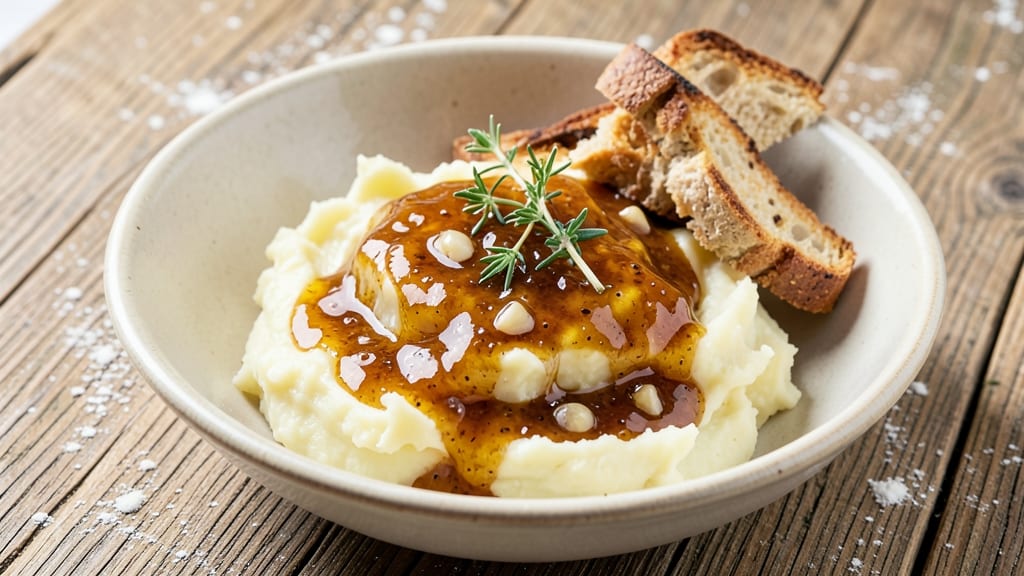
Apple cider vinegar sauce transforms simple meals into restaurant-worthy dishes with its perfect balance of tangy, sweet, and umami flavors. This balsamic-style sauce is incredibly versatile—drizzle it over salads, use it as a marinade for grilled meats, or serve it as a dipping sauce for bread and veggies. The secret lies in simmering apple cider vinegar with honey or sugar to create a rich, glossy finish that enhances any dish.
The beauty of this sauce is its simplicity: just four core ingredients—apple cider vinegar, a sweetener, a pinch of mustard for depth, and optional herbs like thyme or rosemary for aroma.
No thickeners are needed unless you prefer a thicker consistency, making it a foolproof recipe for both beginners and seasoned cooks. The sauce develops a beautiful caramelized sheen as it reduces, adding visual appeal alongside its bold flavor.
What sets this sauce apart is its adaptability—it elevates everything from roasted vegetables to grilled chicken, and it keeps well in the fridge for up to two weeks. The tangy-sweet profile cuts through rich dishes, while the subtle herbal notes add complexity.
Whether you're prepping for a weeknight dinner or hosting a dinner party, this sauce will be your go-to for adding depth and brightness to any meal.
Once you taste the difference, store-bought dressings won’t compare. The process is quick—just 15 minutes of simmering—and the results are professional-quality. Let’s make this sauce and elevate your cooking game today.
Ingredients for apple cider vinegar sauce
Four core ingredients plus a few optional extras. This tangy-sweet sauce needs nothing fancy.
| Ingredient | Amount | Notes |
|---|---|---|
| Apple Cider Vinegar 🍎 | 1 cup | Raw, unfiltered preferred |
| Honey 🍯 | ½ cup | Wildflower or clover variety |
| Dijon Mustard 🍯 | 1 tbsp | For depth of flavor |
| Fresh Thyme Leaves 🌿 | ¼ cup | Or 1 tsp dried thyme |
| Garlic Cloves 🧄 | 2 cloves | Minced for aromatic base |
| Salt 🧂 | ½ tsp | Kosher or sea salt |
| Black Peppercorns 🌶️ | ¼ tsp | Crushed for subtle bite |
| Water 💧 | ¼ cup | For thinning if needed |
The apple cider vinegar is the star—Bragg or Texas Pete are my go-tos, but any raw, unfiltered brand works. Honey matters too: local wildflower adds floral notes, while clover is more neutral. I always grab extra honey because it keeps forever, and you'll want it for other recipes. Fresh thyme is ideal but dried works at one-third the amount. If you're using dried, crush the stems for extra flavor. The garlic? Freshly minced makes all the difference—jarred minced garlic has a weird aftertaste.
No honey? Maple syrup or agave works in a pinch, though the flavor won't be identical. Short on thyme? Rosemary or basil add different but delicious vibes. The mustard is non-negotiable for depth—Dijon is best, but yellow mustard in a squeeze bottle works if that's what you've got. Want a thicker sauce? Simmer uncovered longer, or add a tablespoon of cornstarch slurry at the end. For a thinner version, just add water at the finish.
This sauce keeps like a dream—2 weeks in the fridge, sealed tightly. I make a double batch because it disappears fast. Store it in a glass jar (plastic absorbs odors) and shake before each use. Freezes beautifully for up to 6 months if you want to prep ahead. The flavor actually improves after a few days as the tangy-sweet balance mellows into perfection.
Why You'll Love This Recipe
- Five-Ingredient Magic: I swear by this combo—just vinegar, honey, mustard, thyme, and garlic. That’s it. No measuring cups, no stress, just a quick whisk and you’re done.
- Tangy-Sweet Balance: The honey softens the vinegar’s bite, while the Dijon adds depth. Fresh thyme? Oh, it’s the little herb that turns "meh" into "I’ll have seconds, please."
- Dresses Up Anything: Drizzle it on roasted chicken, toss with greens, or slather on grilled fish. Honestly, I’ve used it for breakfast (yes, on avocado toast) and dinner—no judgment here.
- Stays Fresh for Days: Make a big batch—it keeps in the fridge for over a week. Between us, I’ve had this sauce last me through three busy workweeks without losing its punch.
Step-by-step instructions for apple cider vinegar sauce
This tangy, sweet glaze comes together in minutes with simple pantry staples.
Combine Vinegar and Honey
In a medium saucepan, pour in the 1 cup apple cider vinegar and ½ cup honey. Place over medium-low heat and stir gently until the honey dissolves completely—this usually takes about 2-3 minutes. You'll see the mixture turn into a smooth, golden liquid with tiny bubbles forming at the edges.
Here's the thing—don't rush this step. The honey needs time to fully integrate with the vinegar, creating that perfect balance of sweet and tangy flavors. If you notice any undissolved honey crystals, give it another 30 seconds of stirring. The sauce should look like thick syrup with no graininess.
Add Aromatics and Seasonings
Reduce the heat to low and add the 2 minced garlic cloves, 1 tablespoon Dijon mustard, ½ teaspoon salt, and ¼ teaspoon crushed black peppercorns. Stir everything together and let it simmer for 3-4 minutes until you can smell that aromatic garlic and thyme developing.
This is where the sauce builds its depth. The garlic will soften slightly but shouldn't brown—you want to preserve that fresh aroma. The Dijon mustard adds that subtle tang that makes this sauce so versatile. Give it a taste at this point; you might want to adjust the salt slightly depending on your vinegar's strength.
Incorporate Thyme and Simmer
Add the ¼ cup fresh thyme leaves to the saucepan and stir gently. Increase the heat to medium-low and let the mixture simmer for another 5-6 minutes. You'll see the thyme infuse its earthy aroma into the sauce, creating that complex herbal note that makes this different from regular balsamic glaze.
Watch the sauce carefully—it should reduce slightly but not become too thick. If it starts to look too syrupy before the 5 minutes are up, you can add 1-2 tablespoons of water to thin it out. The perfect consistency should coat the back of a spoon but still be pourable. This is your target texture for drizzling.
Cool and Adjust Consistency
Remove the saucepan from heat and let the sauce cool for 10 minutes. This cooling period is crucial—it allows all the flavors to meld together and gives you a chance to adjust the consistency if needed. If the sauce is still too thick after cooling, add the remaining ¼ cup water 1 tablespoon at a time until you reach your desired drizzling consistency.
Give it one final taste and adjust seasoning if needed. I usually find this recipe hits the sweet-tangy balance perfectly, but if your vinegar was particularly strong, you might want to add a touch more honey. The sauce should be vibrant, with bright vinegar notes balanced by sweet honey and herbal thyme. Let it sit at room temperature for at least 30 minutes before using to allow all the flavors to fully develop.
Pro Tips For Making Apple Cider Vinegar Sauce
- STIR CONSTANTLY AT FIRST: The first 30 seconds after adding vinegar to honey is when the sauce can seize up or split—it’s like oil and water refusing to play nice. Keep a wooden spoon moving until the mixture smooths out, or you’ll end up with a grainy, lumpy mess that no amount of whisking later will fix.
- PEEL GARLIC CLOVES: I used to crush raw garlic cloves straight into the sauce, thinking it’d save time. Wrong. The skins turn bitter and gum up the texture—especially with vinegar’s acidity. Peel them first, even if it takes 10 extra seconds. Your sauce will thank you.
- USE WARM HONEY: Cold honey? You’re setting yourself up for a fight. Warm it slightly (just enough to soften it in a bowl of hot water) before mixing with vinegar. It blends faster, emulsifies better, and prevents that awkward, clumpy separation that ruins the whole dish.
- STRAIN THE THYME: Fresh thyme leaves add brightness, but stems? They turn the sauce into a chewy, herby sludge. Tear the leaves off the stems with your fingers—it’s faster than you’d think—and skip the stems entirely. (Yes, even if you’re in a hurry.)
Creative variations of this recipe
Herb-Infused Twist
Swap the thyme for rosemary or basil to create completely different flavor profiles. For a Mediterranean touch, use 1 tbsp chopped fresh rosemary instead of thyme—it pairs beautifully with grilled lamb or roasted potatoes.
If you love Italian flavors, try ½ cup fresh basil leaves (lightly packed) for a bright, almost pesto-like quality. The key is to maintain the 1:2 ratio of herbs to thyme (e.g., ¼ cup fresh rosemary instead of ¼ cup thyme). 🌿
Spicy Kick
Add ½ tsp cayenne pepper or 1 tsp hot sauce (like Cholula or Tabasco) for a fiery version perfect for spicy wings or tacos. For smoky heat, stir in ½ tsp smoked paprika during the final simmer.
I love this version with grilled shrimp or as a dip for jalapeño poppers. If you prefer a subtler heat, reduce to ¼ tsp cayenne and add 1 tsp honey to balance. 🌶️
Citrus Brightener
Zest of 1 lemon or 1 orange adds a refreshing twist that cuts through richness. Add the zest during the final 5 minutes of simmering, then remove the pan from heat and strain out any pulp.
This works amazingly with seared scallops or roasted chicken. For extra brightness, add 1 tbsp fresh lemon juice at the end. The citrus enhances the vinegar’s tang while adding a vibrant pop. 🍊
Umami Booster
For deeper savory notes, stir in 1 tsp soy sauce or 1 tsp Worcestershire sauce during the final 3 minutes of simmering. This version pairs perfectly with grilled steak or charred vegetables. For a richer profile, add 1 tsp miso paste (white or red) and simmer until dissolved.
The umami boost makes this sauce ideal for Asian-inspired dishes like teriyaki bowls or sushi rolls. 🍜
Thicker Drizzle
For a glazey, balsamic-style drizzle, reduce the sauce uncovered over medium heat for an extra 5-7 minutes until it thickens to a syrup-like consistency. This works beautifully as a dipping sauce for breadsticks or a finishing glaze for roasted carrots.
If it gets too thick, thin with 1 tbsp water at a time. For a sticky-sweet version, add 1 tbsp cornstarch mixed with 1 tbsp water at the end and simmer for 1 minute until thickened. 🍯
Sweet Heat Balance
Adjust the sweet-to-tangy ratio to your taste. For a stronger vinegar kick, reduce honey to ¼ cup and add 1 tbsp extra vinegar. For a sweeter version, increase honey to ⅔ cup.
I often make a double batch—one with more vinegar for salads and one with more honey for drizzling over desserts like apple crisp. The flexibility is what makes this sauce so versatile. 🍏
Nutrition facts
Frequently asked questions
Can I substitute honey with another sweetener?
Yes! For a 1:1 swap, use maple syrup or agave nectar—they work well, though the flavor will differ slightly. If you prefer granulated sugar, dissolve ⅓ cup in 2 tbsp water first to prevent graininess. For a deeper caramel note, try brown sugar (reduce to ¼ cup since it's more concentrated).
How do I make this sauce thicker or thinner?
For a thicker drizzle, simmer uncovered for 5-7 extra minutes to reduce the liquid. If it gets too syrupy, add 1 tbsp water at a time. For a thinner version, stir in the remaining ¼ cup water while cooling, or use it as-is for salad dressings. The ideal consistency coats the back of a spoon but still pours smoothly.
Can I make this sauce without fresh herbs?
Use 1 teaspoon dried thyme (or rosemary) instead of ¼ cup fresh. Crush the dried herbs between your palms first to release their oils. For basil, dried works too, but fresh gives the brightest flavor. If you omit herbs entirely, the sauce will still taste great—just less aromatic.
What’s the best way to store this sauce?
Transfer to a clean glass jar (plastic absorbs odors) and seal tightly. It keeps in the fridge for 2 weeks or freezes for 6 months. For long-term storage, leave ½ inch headspace to prevent expansion. Shake before using, as separation may occur. The flavor actually improves after 3-4 days as the tangy-sweet balance mellows.
Why did my sauce turn cloudy or separate?
Cloudiness often happens if the honey didn’t fully dissolve during simmering. Stir in 1 tsp lemon juice to help clarify. Separation can occur from temperature changes—simply reheat gently while stirring until smooth. To prevent this, cool the sauce gradually (e.g., place the pan in cool water) instead of shocking it with cold water.