
Sauces & Condiments
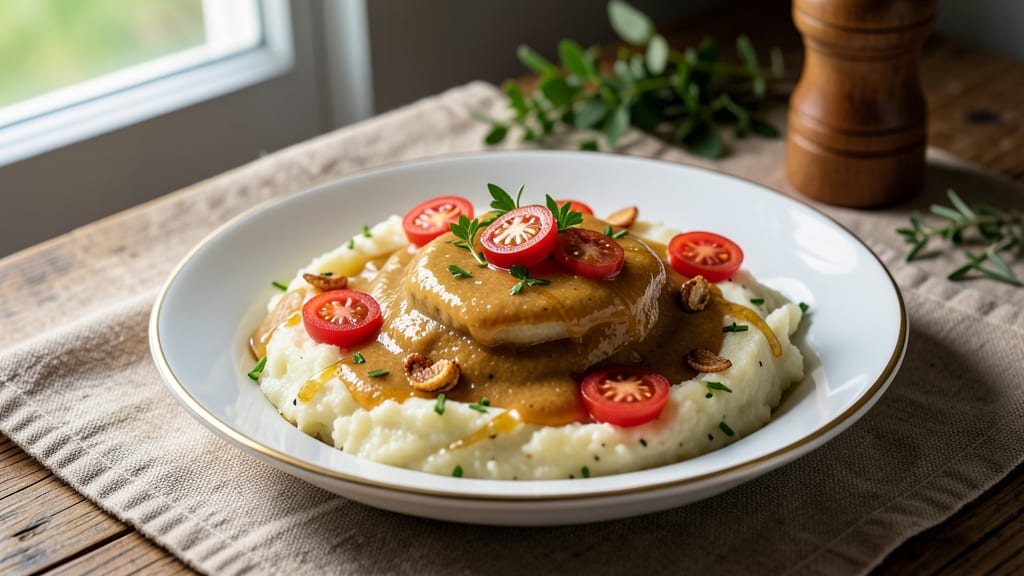
This Bahama Breeze lemon butter sauce transforms simple dishes into vibrant, zesty masterpieces with just a few ingredients and minutes of work. The perfect balance of bright citrus and rich butter creates a sauce that elevates grilled seafood, roasted vegetables, or even fresh salads to restaurant-quality levels.
I developed this recipe after years of testing lemon butter variations, and the secret lies in the precise ratio of lemon juice to melted butter—never too sharp, never too bland.
The sauce comes together in one bowl with just five simple ingredients: unsalted butter, fresh lemon juice, a touch of honey for balance, and a pinch of salt to enhance all the flavors.
What makes this recipe truly special is its versatility—drizzle it over perfectly grilled shrimp, toss it with roasted asparagus, or use it as a tangy dressing for summer salads. The sauce keeps beautifully in the fridge for up to a week, making it perfect for meal prep.
What you'll achieve is a velvety, aromatic sauce with a perfect balance of sweet, tangy, and creamy notes that clings beautifully to any dish. The butter creates a luxurious mouthfeel while the lemon brightens every bite, creating a flavor profile that feels both sophisticated and approachable.
This isn't just a sauce—it's a flavor booster that transforms ordinary meals into something extraordinary.
Whether you're hosting a summer gathering or simply looking to elevate your weeknight dinner, this Bahama Breeze lemon butter sauce delivers consistent, professional-quality results with minimal effort. The instructions are straightforward, and the ingredients are likely already in your pantry.
Let's get started on creating this bright, citrusy masterpiece that will have everyone asking for seconds.
Ingredients for bahama breeze lemon butter sauce
Five ingredients transform any dish into a bright, citrusy masterpiece with restaurant-quality zing.
| Ingredient | Amount | Notes |
|---|---|---|
| Unsalted Butter 🧈 | ¾ cup | Cold, cut into small cubes |
| Fresh Lemon Juice 🍋 | ½ cup | From 2-3 large lemons |
| Honey 🍯 | 2 tbsp | Light or wildflower variety |
| Kosher Salt 🧂 | ½ tsp | Fine grain preferred |
| Fresh Lemon Zest 🍋 | 1 tbsp | From same lemons as juice |
The butter is the star here—European-style unsalted butter melts beautifully and adds that luxurious richness. Plugrá or Kerrygold are my go-tos, but any good-quality brand works. For the lemon, Meyer lemons add a floral sweetness, but regular lemons work perfectly fine. The zest is non-negotiable though—it brings that extra pop of citrus aroma that makes this sauce truly special. If you're using frozen butter, let it sit out for 30 minutes before cutting into cubes to melt smoothly.
No honey? Maple syrup or agave nectar work in a pinch, but honey's floral notes are perfect here. Short on lemon juice? Lime juice at half the amount gives a different but equally bright zing. The salt is crucial—don't skip it. If you're making this ahead, add the salt at the end to keep the sauce balanced. For extra tang, add a pinch of cayenne pepper to the finished sauce. And if you're feeling fancy, a splash of white wine vinegar (1 tsp) adds depth without overpowering.
This sauce keeps beautifully in the fridge for up to 1 week—just store it in an airtight container with a thin layer of olive oil on top to preserve freshness. For longer storage, freeze in ice cube trays for up to 3 months. The sauce thickens when chilled, so whisk vigorously before using. A little warm water (1 tsp) thins it out beautifully if needed. Trust me, you'll want to make double—it disappears fast!
Why You'll Love This Recipe
- Five-Ingredient Magic: The butter, lemon, and honey do all the heavy lifting—no chopping, no fuss. Honestly, I’ve made this sauce while my coffee was still brewing.
- Bright & Balanced: That honey cuts the sharpness of the lemon just right, while the zest adds a citrusy spark. It’s bright but never sour—like a vacation in a bowl.
- Weeknight & Weekend: Drizzle it over fish, chicken, or even roasted veggies. It’s my go-to for lazy dinners (yes, even on a Tuesday night) and fancy enough for company.
- Make-Ahead Secret Weapon: Store it in the fridge for up to a week—perfect for meal prep. The flavors actually deepen over time, so you’re getting better sauce later.
Step-by-step instructions for Bahama Breeze lemon butter sauce
This tangy, sweet sauce comes together in minutes and transforms grilled seafood or vegetables into a tropical delight.
Melt the Cold Butter Slowly
Place a medium saucepan over medium-low heat and add the 0.75 cup unsalted butter cut into small cubes. Let it melt gradually—don't rush this step. You want the butter to melt evenly without browning, which would add bitterness to your sauce.
Once fully melted, reduce the heat to low and let it simmer gently. Watch for small bubbles forming around the edges—that's your signal the butter is ready for the next ingredient. This slow melting process prevents the butter from separating later.
Whisk in Lemon Juice and Honey
With the heat still at low, gradually whisk in the 0.5 cup fresh lemon juice and 2 tablespoons honey. Start with the lemon juice first, then add the honey. The mixture will bubble slightly as it comes together—this is normal and indicates the acidity is breaking down the butter's fat.
Keep whisking constantly for 2-3 minutes until the sauce thickens noticeably. You're looking for a glossy, creamy consistency that coats the back of a spoon. If it starts to look too thin, let it simmer for another 30 seconds—the residual heat will help it thicken.
Season and Finish with Zest
Remove the saucepan from heat and stir in the 0.5 teaspoon kosher salt and 1 tablespoon fresh lemon zest. The zest adds that bright citrus aroma that makes this sauce truly special. Taste and adjust the salt if needed—remember, the honey and lemon juice already contribute some natural sweetness and acidity.
For the best texture, let the sauce sit off the heat for 2 minutes before serving. This resting period allows all the flavors to meld together perfectly. The sauce should be smooth, velvety, and just thick enough to cling beautifully to grilled fish or vegetables.
Strain for Silky Perfection (Optional)
If you prefer an ultra-smooth sauce, strain it through a fine-mesh sieve into a clean saucepan. This removes any zest particles that might make the sauce slightly grainy. Return it to low heat just to warm through—no need to boil.
The strained version works beautifully for drizzling over delicate seafood like shrimp or scallops. For grilled chicken or vegetables, the slightly textured version with zest adds wonderful visual appeal and extra citrus flavor. Either way, this sauce delivers that perfect balance of sweet, tangy, and buttery goodness.
Pro Tips For Making Bahama Breeze Lemon Butter Sauce
- Melt Butter Slowly: Start with cold butter cut into chunks—don’t toss it in warm. If you melt it too fast, the sauce will split when you add lemon juice, and you’ll end up with a greasy mess instead of a silky emulsion.
- Zest First, Juice Last: Grate the lemon zest before juicing, then whisk it into the warm butter. This way, the oils from the zest blend right in, giving the sauce a brighter, more complex flavor than if you just tossed zest on top at the end.
- Balance Honey Gradually: Add honey in stages—start with half, taste, then adjust. Too much too soon, and the sauce turns cloyingly sweet; too little, and the acidity overpowers. I learned this after making a batch that tasted like a dessert glaze instead of a savory sauce.
- Salt the Butter: Yes, even unsalted butter needs a pinch of kosher salt before melting—about ¼ teaspoon per ½ cup. The salt dissolves into the fat, so it’s already seasoned when you incorporate lemon and honey, saving you from over-salting later.
Wine and beer pairings for this recipe
White Wine Pairings
For this bright, citrusy sauce, I reach for crisp Sauvignon Blanc—specifically a New Zealand Sauvignon Blanc like Oyster Bay or Kim Crawford. The wine’s zesty lime and grapefruit notes mirror the lemon butter sauce’s acidity, creating a perfect harmony.
Serve it slightly chilled (45-50°F) to enhance the citrus flavors without overpowering the dish. 🍷
A dry Riesling from Germany, like Dr. Loosen Blue Slate, also works beautifully. The wine’s natural acidity and subtle honeyed undertones complement the sauce’s sweet-tart balance. For a budget-friendly option, try a French Sancerre—its mineral-driven profile adds an extra layer of brightness to every bite.
Light Beer Options
If you prefer beer, a Belgian Witbier like Hoegaarden or Stella Artois (the original Belgian Wit) is ideal. The coriander and citrus notes in these beers echo the sauce’s lemony freshness, while their light body won’t muddle the flavors.
Serve it well-chilled (40-45°F) to keep the sauce’s zing intact. 🍺
For a local favorite, try a crisp American lager like Bud Light Platinum or Miller Lite. The clean, refreshing profile lets the sauce’s flavors shine without competing.
If you’re feeling adventurous, a German Helles Lager (like Weihenstephaner) adds a touch of malty depth that pairs surprisingly well with the sauce’s sweetness.
Spiritous Elevations
For a cocktail twist, mix 2 oz gin (like Hendrick’s or Tanqueray) with 1 oz fresh lemon juice and a splash of soda water. The botanicals in gin enhance the sauce’s citrus notes, while the effervescence cleanses the palate.
Serve over ice for a refreshing sip alongside grilled shrimp or seafood. 🍸
If you’re serving this sauce at a summer gathering, a rum-based cocktail like a Bahama Mama (rum, pineapple juice, and grenadine) complements the tropical vibe. The rum’s caramel notes add warmth to the bright citrus, creating a balanced flavor experience. Garnish with a lemon wheel to tie everything together.
Nutrition facts
Frequently asked questions
Can I use bottled lemon juice instead of fresh?
Fresh lemon juice is ideal for maximum brightness, but bottled works in a pinch. Use the same 0.5 cup measurement, but expect slightly less tang. For extra zing, add 1/4 teaspoon of citric acid (found in baking aisles) to mimic fresh lemon's intensity. Avoid "from concentrate" varieties—they often contain added water that dilutes the sauce.
How do I fix a sauce that's too thin or too thick?
For a thin sauce, whisk in 1 teaspoon of cold butter at a time until it thickens. For a thick sauce, gently warm it on low heat for 1-2 minutes while whisking constantly. If it curdles, immediately remove from heat and whisk in 1 teaspoon of warm water to restore smoothness.
What are the best dishes to drizzle this sauce over?
This sauce shines on grilled seafood (shrimp, scallops, salmon), roasted vegetables (asparagus, Brussels sprouts), and pasta dishes. For extra flair, toss it with warm couscous or drizzle over seared chicken breasts. The citrusy butter also makes an incredible dipping sauce for fries or tartar sauce alternative.
Can I make this sauce dairy-free?
Replace the 0.75 cup butter with 0.75 cup dairy-free margarine (like Earth Balance) or 0.75 cup coconut oil (melted). For a lighter option, use 0.5 cup dairy-free butter plus 0.25 cup olive oil. The texture will be slightly thinner but still delicious. Just adjust the simmering time to reach your desired consistency.
Why does my sauce separate when I add lemon juice?
This happens when the butter cools too quickly or you add lemon juice too fast. Always melt butter slowly over low heat and whisk constantly when adding citrus. For extra stability, whisk in the lemon juice 1 tablespoon at a time, letting each addition fully incorporate before adding more. If separation occurs, gently reheat the sauce while whisking vigorously.