
Sauces & Condiments
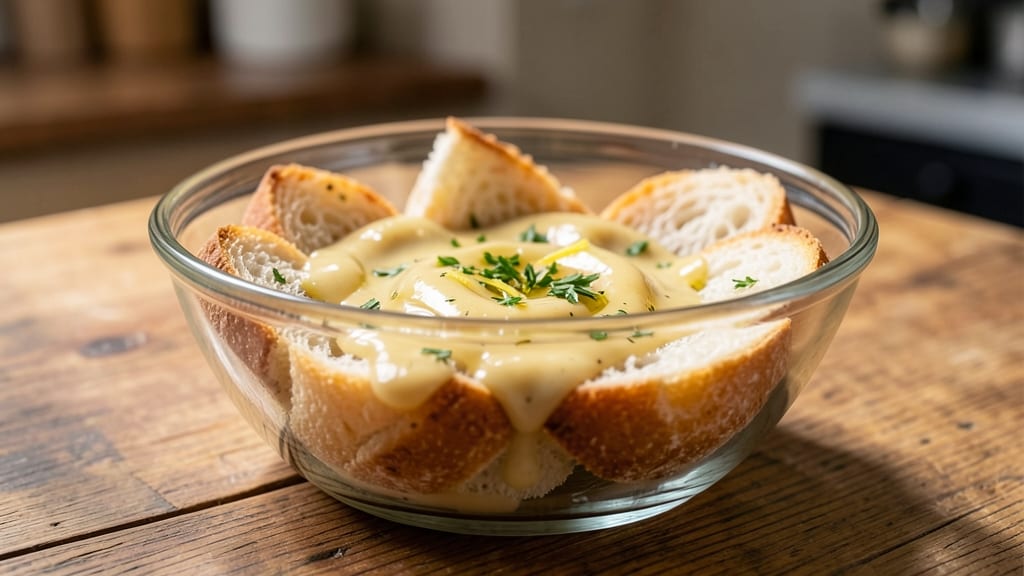
This Baguette DE France garlic sauce recipe transforms simple ingredients into a velvety, golden swirl that elevates every bite of fresh baguette. The secret lies in roasting whole garlic cloves until caramelized, then blending them into a rich emulsion with butter and cream.
What starts as a humble sauce becomes a luxurious dipping experience that pairs perfectly with crisp bread, roasted vegetables, or grilled meats.
The process is straightforward but requires patience—roasting the garlic deepens its natural sweetness, while the slow emulsification of butter and cream creates a smooth, clingy texture. This sauce isn’t just about garlic; it’s about balance, with a touch of lemon brightening the richness and fresh herbs adding freshness.
The result is a sauce that’s creamy yet light, with a subtle garlic aroma that lingers deliciously.
What makes this sauce exceptional is its versatility. Use it as a dip for Baguette DE France, a drizzle over roasted chicken, or a finishing touch for pasta.
The recipe yields enough for multiple uses, and the sauce keeps well in the refrigerator for up to five days, making it perfect for meal prep. The key to success is achieving the right consistency—neither too thick nor too thin—so it coats every bite beautifully.
Once you try this sauce, you’ll never go back to store-bought versions. The combination of roasted garlic, butter, and cream creates a flavor profile that’s both comforting and sophisticated.
Whether you’re hosting a dinner party or simply enjoying a quiet evening with bread and cheese, this garlic sauce will be the star of the show. Let’s get started on creating something truly special.
Ingredients for baguette de france garlic sauce
Eight simple ingredients transform into a luxurious roasted garlic sauce perfect for dipping baguette.
| Ingredient | Amount | Notes |
|---|---|---|
| Whole Garlic Cloves 🧄 | 12 cloves | Peels removed, uncrushed |
| Unsalted Butter 🧈 | ¾ cup | Cold, cubed for roasting |
| Heavy Whipping Cream 🥛 | ½ cup | Full-fat for richness |
| Extra-Virgin Olive Oil 🫒 | ¼ cup | Light, fruity variety |
| Fresh Lemon Juice 🍋 | 1 tbsp | Freshly squeezed |
| Fresh Parsley 🌿 | ¼ cup | Chopped, stems removed |
| Salt 🧂 | ½ tsp | Diamond Crystal preferred |
| Ground Black Pepper 🌶️ | ¼ tsp | Freshly ground |
The garlic is the heart of this sauce—roasting whole cloves until caramelized creates a sweet, jammy depth that store-bought garlic never matches. Whole Foods or local markets often sell organic garlic with larger cloves, which roast more evenly. Avoid pre-minced garlic; the whole cloves develop complex flavors. For best results, roast at 400°F for 25-30 minutes until golden and soft. The butter should be cold and cubed—this helps emulsify the sauce later. European-style unsalted butter like Plugrá or Land O'Lakes works perfectly.
No heavy cream? Full-fat coconut milk works in a pinch, though the texture will be slightly different. Short on olive oil? Avocado oil has a neutral flavor that won’t overpower the garlic. Fresh parsley is ideal, but dried parsley at one-third the amount gets you close. Lemon juice can be substituted with white wine vinegar if needed, though the flavor profile shifts slightly. The salt is crucial—Diamond Crystal dissolves more easily than table salt, so adjust to taste after blending. For extra richness, add 1 tbsp crème fraîche at the end, though it’s not required.
Roasted garlic keeps in the fridge for 5 days if stored in an airtight container with a thin layer of oil on top. The finished sauce will last 5-7 days refrigerated, though it’s best used within 3 days for peak flavor. For longer storage, freeze in ice cube trays—thaw and whisk with a splash of warm water to restore consistency. This sauce reheats beautifully; gently warm it in a saucepan over low heat, stirring constantly to prevent separation. Portion into small containers for easy dipping throughout the week.
Why You'll Love This Recipe
- Here’s what sold me: the garlic isn’t overpowering, but it sings. The whole cloves soften just enough to infuse the cream with deep, sweet garlic flavor, while the lemon keeps it from being heavy. Spread it on warm baguette slices, and you’ve got a bite that’s creamy, tangy, and ridiculously satisfying.
- I’ll be real: I make this sauce and end up with leftovers every time. The good news? It keeps beautifully in the fridge for up to five days, and reheating it is a cinch—just a splash of warm water or milk to loosen it up. Plus, it’s budget-friendly; a single batch stretches across multiple meals without breaking the bank.
Step-by-step instructions for baguette DE france garlic sauce
This method transforms simple ingredients into a velvety, aromatic sauce perfect for dipping.
Roast the Garlic Until Sweet and Golden
Preheat your oven to 400°F. Place the 12 cloves whole garlic (peels removed) on a parchment-lined baking sheet, leaving space between each clove. Drizzle lightly with 1 teaspoon of the extra-virgin olive oil and sprinkle with a pinch of salt.
Roast for 25-30 minutes until the garlic cloves are golden brown and tender when pierced with a knife. The aroma will fill your kitchen—this is your cue they're ready. Let them cool slightly before handling; they'll be very soft and easy to squeeze.
Melt the Butter and Infuse with Roasted Garlic
In a medium saucepan, melt the 0.75 cup unsalted butter over medium-low heat until it's completely liquid but not browned. Using a fork or garlic press, gently squeeze the roasted garlic cloves into the butter, leaving behind any skins or papery layers.
Keep the heat at medium-low and let the mixture simmer gently for 3-4 minutes, stirring occasionally. You're infusing the butter with that sweet, caramelized garlic flavor. If any foam forms, skim it off—this ensures a smooth sauce later. The butter should smell rich and aromatic, with no burnt notes.
Add Cream and Simmer Until Thickened
Pour in the 0.5 cup heavy whipping cream and 0.25 cup extra-virgin olive oil, then increase the heat to medium. Bring the mixture to a gentle simmer, stirring frequently to prevent scorching. Let it cook for 5-6 minutes until it thickens slightly and coats the back of a spoon.
This is where the sauce transforms from simple ingredients into something luxurious. The cream will emulsify with the butter and garlic, creating a velvety texture. If it starts to separate or looks too thick, whisk in 1-2 tablespoons of water to adjust the consistency. The sauce should be smooth and pourable but still coat a spoon.
Finish with Lemon and Seasonings
Remove the pan from heat and stir in the 1 tablespoon fresh lemon juice, 0.5 teaspoon salt, and 0.25 teaspoon ground black pepper. The lemon brightens the rich flavors and balances the intensity of the roasted garlic. Taste and adjust the seasoning—you might need a touch more salt or pepper depending on your preference.
Here's the thing—this sauce should taste vibrant and complex, not just garlicky. The lemon juice cuts through the richness, while the pepper adds a subtle warmth. If you're unsure, let it cool slightly before tasting again; the flavors will meld and become more pronounced.
Incorporate Parsley and Serve Warm
Stir in the 0.25 cup chopped fresh parsley and let it steep for 1 minute off the heat. This final step adds freshness and color, making the sauce visually appealing. The parsley should be evenly distributed, giving the sauce a bright green fleck throughout.
Serve the garlic sauce immediately while warm, drizzled over crusty baguette slices or used as a dip for fresh bread. The contrast of the warm, buttery sauce with cool, crisp bread is what makes this recipe truly special. If you have leftovers, store them in an airtight container in the refrigerator for up to 3 days, but reheat gently to preserve the texture.
Pro Tips For Making Baguette De France Garlic Sauce
- SMASH THE GARLIC FIRST: Peel those cloves and give them a good whack with the flat side of your knife before mincing—this breaks down the alinase enzyme, so they soften faster and don’t turn to mush in the butter. (Yes, even if you’re impatient like me.)
- USE COLD BUTTER: Start with cold unsalted butter—no melting it first—so it coats the garlic evenly and creates a proper emulsion with the olive oil. If you melt it too soon, you’ll end up with a greasy, separated sauce instead of a silky, cohesive one.
- STRAIN THE CREAM: After simmering the garlic in butter and oil, strain the cream through a fine-mesh sieve before adding it to the pan. This removes any bitter bits from overcooked garlic, giving you a smooth, restaurant-quality sauce every time.
- LEMON JUICE LAST: Add the fresh lemon juice right at the end—just before serving—so the acid doesn’t curdle the cream or mellow out. A quick squeeze brightens the whole dish without turning it into a sad, watery mess. (Trust me, I’ve learned this the hard way.)
Troubleshooting this dish
Garlic Burns Too Fast
If your roasted garlic cloves turn black or bitter, you’ve over-roasted them. The ideal time is 25-30 minutes at 400°F—any longer and the sugar caramelizes into bitterness. I’ve found that organic garlic with larger cloves (like those from Whole Foods) roast more evenly.
If you’re unsure, check at 20 minutes—they’re done when golden and tender. 🌡️
Sauce Separates
Separation happens when the emulsion breaks, often from too much heat or sudden temperature changes. To fix it, whisk in 1-2 tablespoons of warm water while stirring vigorously. For prevention, keep heat at medium-low and add cream gradually.
I also recommend using full-fat heavy cream—it emulsifies better than lighter versions. If it still separates, blend briefly with an immersion blender for a smoother texture.
Too Thick or Gluey
A gluey sauce means the butter and cream didn’t emulsify properly. This usually happens if you didn’t simmer long enough or used cold ingredients. To fix it, whisk in 1 tablespoon of warm water or milk while heating gently.
For next time, ensure your butter is fully melted and the cream is at room temperature before combining. A quick test: the sauce should coat the back of a spoon but still be pourable. 💡
Not Garlicky Enough
If your sauce lacks garlic flavor, you likely didn’t infuse it long enough. After squeezing the roasted garlic into the butter, let it simmer for the full 3-4 minutes to extract maximum flavor.
For extra depth, add 1 extra roasted clove (squeezed) or a pinch of garlic powder at the end. I’ve also found that roasting garlic with a drizzle of honey (just ½ teaspoon) enhances sweetness and complexity.
Lemon Overpowers
The lemon juice should brighten, not dominate. If it’s too sharp, reduce it to ½ tablespoon or replace it with white wine vinegar (use ½ teaspoon). The key is balance—taste as you go!
For a milder tang, let the sauce sit for 5 minutes before adding lemon, allowing the garlic and butter flavors to develop first. 🍋
Storage Issues
If your sauce develops a skin or separates after refrigerating, it’s not ruined—just stir in 1 tablespoon of warm water and whisk until smooth. To prevent this, press plastic wrap directly onto the surface before storing.
For longer storage, freeze in ice cube trays—thaw in the fridge overnight and whisk with a splash of warm water to restore consistency. I’ve kept this sauce for up to 2 weeks in the freezer with no texture issues. ❄️
Nutrition facts
Frequently asked questions
Can I make this sauce without roasting the garlic?
You can use raw garlic, but the flavor will be much more pungent and less sweet. For best results, roasting transforms the garlic into a jammy, caramelized base that makes the sauce richer and more complex. If you're short on time, try sautéing minced garlic in olive oil until golden brown (3-4 minutes over medium heat) for a quick alternative.
How do I adjust this sauce for a dairy-free version?
Replace the butter with ½ cup dairy-free margarine or vegan butter, and use ½ cup full-fat coconut milk instead of heavy cream. The texture will be slightly different but still delicious. For extra richness, add 1 tablespoon nutritional yeast at the end to mimic the umami depth of butter.
What’s the best way to reheat this garlic sauce?
Gently warm it in a small saucepan over low heat, stirring constantly to prevent separation. If it thickens too much, whisk in 1-2 teaspoons of warm water until smooth. Never microwave it directly—this causes the cream to separate. For best results, reheat only until warm, then stir in a splash of cold water to restore the perfect consistency.
Can I add other herbs or spices to this sauce?
Try adding ½ teaspoon dried thyme or 1 teaspoon fresh chives for extra depth. For a spicy kick, stir in ¼ teaspoon red pepper flakes at the end. Just remember: start with small amounts and taste as you go—garlic and herbs can quickly overpower if not balanced. The parsley in the original recipe already adds freshness, so adjust other herbs accordingly.
Why does my sauce look curdled after refrigerating?
This happens when the emulsion breaks due to temperature changes. To fix it, whisk in 1 tablespoon of warm water while stirring vigorously. For prevention, press plastic wrap directly onto the sauce’s surface before refrigerating. The sauce should still taste great—just give it a good whisk before serving. If it’s still too thick, warm it gently and thin with a splash of warm water or milk.