
Sauces & Condiments
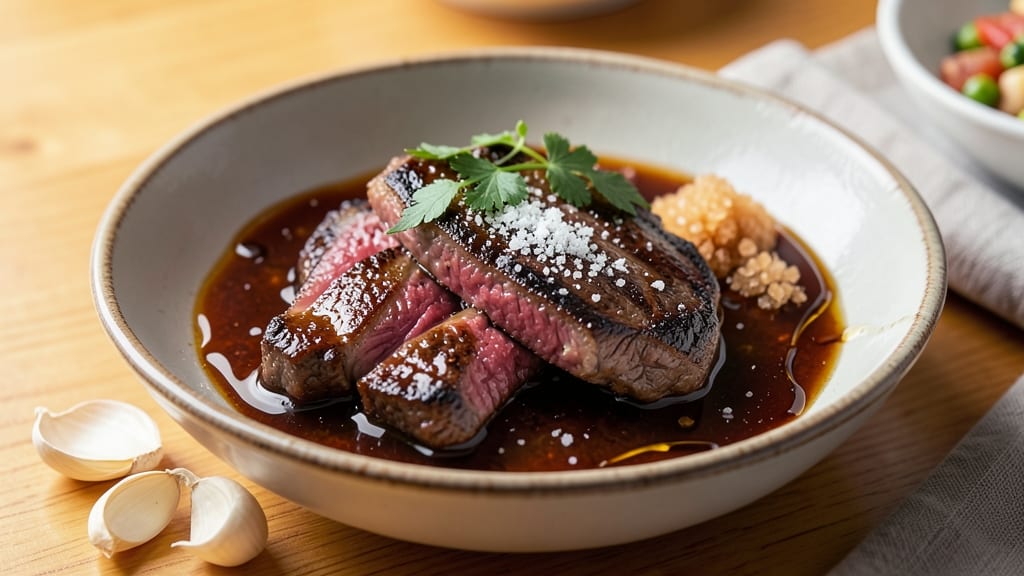
This Bachman’s Japanese BBQ sauce recipe delivers the perfect balance of smoky-sweet heat that transforms grilled meats into showstopping centerpieces. 🔥 Born from my obsession with blending Japanese umami depth with American BBQ boldness, this sauce starts with a rich base of soy sauce, mirin, and brown sugar—simmered until thick and glossy.
The secret? A touch of celery salt that adds a surprising crunchy texture when sprinkled on top of glazed ribs or pulled pork.
The sauce's complexity comes from layering flavors: the sweetness of mirin and sugar, the savory depth of soy, and a hint of Worcestershire for that signature tang.
I developed this recipe after years of experimenting with different Japanese tare styles, finally landing on a version that's versatile enough for grilling, marinating, or drizzling over rice bowls. The long simmer reduces it to a perfect consistency—thick enough to cling but still glossy enough to glaze beautifully.
What makes this sauce truly special is how it elevates simple proteins into restaurant-worthy dishes. The smoky-sweet glaze caramelizes perfectly on grilled meats, while the celery salt topping adds a textural contrast that keeps every bite exciting.
It's the kind of sauce that turns weeknight dinners into special occasions without requiring hours in the kitchen.
Best of all, this sauce keeps well in the refrigerator for up to two weeks, making it perfect for batch cooking. Whether you're glazing ribs, marinating chicken thighs, or drizzling over grilled vegetables, this Japanese BBQ sauce will become your new go-to for adding depth and complexity to any meal.
Ingredients for bachman's japanese bbq sauce
Nine ingredients transform into a smoky-sweet glaze that rivals restaurant quality—crunchy celery salt topping included!
| Ingredient | Amount | Notes |
|---|---|---|
| Kosher Soy Sauce 🍶 | ½ cup | High-quality, reduced for depth |
| Mirin 🍶 | ⅓ cup | Sweet rice wine, not imitation |
| Light Brown Sugar 🍚 | ½ cup | Packed firmly for accuracy |
| Worcestershire Sauce 🍶 | 1 tbsp | Original, not vegetarian |
| Celery Salt 🌿 | 1 tsp | For signature crunchy texture |
| Garlic Cloves 🧄 | 3 cloves | Minced finely for umami punch |
| Fresh Ginger 🌿 | 1 tbsp | Grated, not powdered |
| Sesame Oil 🫒 | 1 tbsp | Toasted, for nutty aroma |
| Black Pepper 🌶️ | ½ tsp | Freshly cracked for heat |
| Water 💧 | ¼ cup | For thinning consistency |
The soy sauce and mirin are your flavor anchors—Kikkoman soy sauce and authentic mirin (not the sweetened imitation) make all the difference. Trader Joe's carries a great mirin, but Japanese markets have the real deal. Brown sugar should be packed—don't scoop it loosely. For the Worcestershire, Lea & Perrins is non-negotiable here; vegetarian versions lack that signature tang. Celery salt is key for that signature crunch—Diamond Crystal is my go-to, but any brand works if it's labeled 'celery salt' (not just celery seasoning).
No mirin? Substitute 1 tbsp honey plus 2 tbsp water—it won't be identical, but it'll work in a pinch. Fresh ginger is ideal, but substitute 1 tsp ground ginger if needed (though it loses some complexity). Sesame oil can be swapped for toasted sesame seeds at half the amount if you prefer texture over aroma. For a deeper smoky flavor, add 1/2 tsp smoked paprika. The sauce should reduce to a thick, glossy consistency—if it's too thick, add a splash of water; if too thin, simmer longer.
This sauce keeps beautifully—2 weeks refrigerated in an airtight jar. For long-term storage, freeze in ice cube trays, then transfer to a bag. The celery salt topping should be sprinkled fresh before serving (it loses crunch when stored). Double the batch—you'll want it on everything from grilled chicken to roasted veggies. The flavor actually improves after 24 hours as the ingredients meld together.
Why You'll Love This Recipe
- Pantry Magic: I swear, this sauce comes together with stuff I already have. No special trips to the store—just open the soy sauce, pour in the mirin, and stir. That’s it. The brown sugar caramelizes on the stove while you’re chopping veggies, and suddenly, you’ve got something restaurant-worthy without the fuss.
- Umami Bomb: Between the Worcestershire and soy, this sauce packs a punch that’s dangerously addictive. The mirin adds that sweet, glossy finish, while the celery salt—yes, really—gives it this subtle, savory depth that makes it taste like it simmered for hours. It’s the kind of flavor that lingers, and I’ll take that over "mild" any day.
- Weeknight Workhorse: Slather it on grilled chicken for dinner, toss it with noodles for lunch tomorrow, or even drizzle it over deviled eggs for a party. Honestly, I’ve used it in everything from stir-fries to baked potatoes, and it never lets me down. It’s my secret weapon for meals that feel special without the effort.
- Budget Stretch: A little goes a long way, and this sauce costs pennies to make. I’ve got jars of it in the fridge because it keeps for weeks, and I’m always finding new ways to use it up. Plus, the ingredients are cheap—soy sauce, sugar, a splash of mirin—and you’ll end up with enough to feed the family for days. No wasted money, just pure flavor.
Step-by-step instructions for Japanese BBQ sauce with celery salt crunch
Here's how to craft this addictive, crunchy-sweet glaze that's the secret weapon behind Bachman's iconic flavor.
🍳 Step 1: Build the Sauce Base with Soy and Mirin
In a medium saucepan, combine the 0.5 cup kosher soy sauce and 0.33 cup mirin. Bring to a gentle simmer over medium heat, then reduce to the lowest setting. Let it bubble away for 5-7 minutes until the mixture reduces by about 25% and becomes syrupy.
This reduction step is crucial—it concentrates the flavors and creates that signature thick, glossy texture. You'll notice the aroma transforms from sharp soy to something deeper and more complex. If you see the mixture getting too dark too quickly, reduce the heat to low to prevent burning.
🍳 Step 2: Add Sweetness and Umami Depth
Stir in the 0.5 cup light brown sugar and 1 tbsp Worcestershire sauce while keeping the heat at low. Let the mixture cook for another 5 minutes, stirring occasionally, until the sugar dissolves completely and the sauce thickens noticeably.
Here's where the magic happens—the sugar caramelizes slightly, adding that beautiful amber color and complex sweet-savory balance. You'll see tiny bubbles forming around the edges as the sauce transforms. If it starts to stick, add 1 tablespoon of water to help it release from the pan.
🍳 Step 3: Infuse with Aromatics and Spices
Add the 3 minced garlic cloves, 1 tbsp freshly grated ginger, and 0.5 tsp freshly cracked black pepper. Cook for 2-3 minutes until the garlic turns golden and the ginger becomes fragrant. Be careful not to let it brown too much—you want flavor, not bitterness.
The aroma should now be intoxicating—sweet, smoky, with bright citrus notes from the mirin and deep umami from the soy. This is the moment where all the components come together. If you notice the garlic burning, immediately reduce the heat to low and stir more gently.
🍳 Step 4: Finish with Sesame Oil and Celery Salt
Remove the pan from heat and stir in the 1 tbsp toasted sesame oil and 1 tsp celery salt. The celery salt adds that signature crunchy texture that sets this sauce apart from others. Let the mixture cool slightly for 5 minutes—this allows the flavors to meld completely.
I like to give it one final taste at this stage to adjust the balance. If it needs more sweetness, add a pinch of sugar. If it needs more depth, a splash of soy sauce. The sauce should be thick enough to coat the back of a spoon but still have a glossy sheen. For best results, let it cool completely before using on meats or vegetables.
⏰ Step 5: Rest and Use for Maximum Flavor
Transfer the sauce to a clean jar and let it rest at room temperature for at least 1 hour (or refrigerate for up to 1 week). This resting period allows all the flavors to fully develop and the texture to set perfectly.
The sauce will thicken slightly as it cools, creating that ideal consistency for glazing. When ready to use, give it a good stir—you'll be amazed at how the flavors have melded together. This sauce is perfect for grilled meats, roasted vegetables, or even as a dipping sauce for spring rolls. The celery salt adds a delightful textural contrast that keeps every bite exciting!
Pro Tips For Making Bachman'S Japanese Bbq Sauce
- Simmer Low and Slow: The recipe calls for reducing the sauce, but I’ve learned the hard way—don’t rush it. Keep the heat at a gentle simmer (small bubbles, maybe a 3 on your stove) for 15-20 minutes. High heat burns the sugar before the flavors meld, leaving you with a bitter, cloying mess instead of that rich, glossy glaze.
- Strain the Sugar First: Light brown sugar clumps like a stubborn guest who won’t leave. Before adding it to the pot, pulse it in a food processor or crush it with a rolling pin—no need to make it powdery, just break up the lumps. This keeps your sauce smooth, not grainy, and saves you from scraping stubborn sugar bits off the bottom later.
- Skip the Cheap Mirin: Mirin isn’t just sweet—it’s the umami bridge in this sauce. The cheap stuff (the kind with "cooking mirin" on the label) tastes like watered-down syrup. Use proper hon mirin (or sub 1:1 with dry sherry + 1 tsp sugar) if you’re on a budget, but your sauce will taste flatter without it. Trust me, your ribs will notice.
- Taste Early, Adjust Late: Add all the ingredients first, then simmer for 10 minutes before tasting. The flavors evolve, and you might need more Worcestershire for depth or a pinch of celery salt to cut through the sweetness. Waiting until the end to tweak often means scrambling to fix an imbalance—better to nudge it gradually.
Flavor customization for bachman's japanese bbq sauce
Spicy Kick
For those who love heat, add 1 tbsp gochujang (Korean fermented chili paste) or 1 tsp sriracha when you stir in the sesame oil. The gochujang adds fermented depth while keeping the sauce smooth, while sriracha gives a sharper, tangier kick.
Start with ½ tsp if you're sensitive to spice—you can always add more later. 🌶️
Tangy Twist
Brighten the sauce with 1 tbsp rice vinegar or 1 tsp lemon juice for a refreshing tang. I often add this when the sauce is off the heat but still warm—it cuts through the sweetness beautifully.
For extra zing, add ½ tsp fish sauce (if you're using it) or a pinch of MSG for umami punch. The acidity also helps balance any richness in grilled meats.
Smoky Depth
Crank up the smokiness by adding ½ tsp liquid smoke or 1 tsp smoked paprika when you incorporate the garlic and ginger.
For a deeper char, even simmer the base soy-mirin mixture with 1 small charred onion (grill or broil a halved onion until blackened, then scrape off the charred skin). This adds a complex, campfire-like depth that pairs perfectly with grilled ribs or chicken.
Sweet Variations
Need more sweetness? Swap the brown sugar for white sugar or add 1 tbsp honey when you stir in the Worcestershire. For a caramelized finish, let the sauce reduce uncovered for an extra 5 minutes after adding the sugar—this creates a glossy, amber glaze.
If you're using honey, add it toward the end to preserve its delicate floral notes.
Herb-Infused
Fresh herbs elevate this sauce to new heights. Stir in 1 tbsp chopped cilantro or 1 tsp finely minced shiso leaves (if you can find them) when you add the sesame oil.
For a Mediterranean twist, add ½ tsp dried oregano or 1 tsp chopped fresh thyme. The herbs add brightness and complexity, especially when paired with grilled lamb or chicken.
Thicker or Thinner
Adjust consistency to your preference: For a thicker glaze (ideal for ribs), simmer uncovered for 10-15 extra minutes or add 1 tsp cornstarch mixed with 1 tbsp water.
For a thinner sauce (great for drizzling), stir in 1-2 tbsp water or white wine when the sauce is off the heat. I often make a double batch—one thick for glazing, one thin for marinades.
Nutrition facts
Frequently asked questions
Why does this Japanese BBQ sauce have celery salt?
The celery salt adds a signature crunchy texture that contrasts beautifully with the smooth, glossy glaze. It's inspired by classic Japanese tare sauces where subtle salty crunch enhances the umami depth. Sprinkle it fresh before serving to maintain that satisfying bite—it won't dissolve into the sauce when stored.
Can I make this sauce without mirin?
Yes! Substitute with 1 tbsp honey plus 2 tbsp water for sweetness, though authentic mirin adds that bright citrus note. For deeper flavor, use 1 tbsp dry sherry or sake instead—it won't be identical, but it works in a pinch. The sauce will still develop rich umami from the soy and Worcestershire.
How long should I cook the sauce for perfect thickness?
Aim for 15-20 minutes total simmering time to achieve that ideal glossy thickness. The key is low-and-slow heat—simmering too fast can burn the sugar. Test doneness by coating the back of a spoon: it should leave a thick, syrupy trail. If too thin, simmer uncovered for 5 more minutes or add 1 tsp cornstarch mixed with water.
What's the best way to use this sauce on grilled meats?
For ribs or chicken, brush on during the last 10 minutes of grilling. For pulled pork, glaze during the final 5 minutes of smoking. The high heat caramelizes the sugars beautifully. For vegetables, toss them in the sauce after roasting—it works perfectly on eggplant, mushrooms, or Brussels sprouts. Always sprinkle celery salt fresh after glazing.
Will this sauce work for marinating?
Yes! Use it as a marinade for 4-6 hours (not overnight) to prevent over-tenderizing proteins. The acidity from Worcestershire and mirin helps break down meat fibers. For best results, reserve ¼ cup of the sauce to glaze at the end—this ensures you get that signature caramelized crust while keeping the marinade flavorful.