
Sauces & Condiments
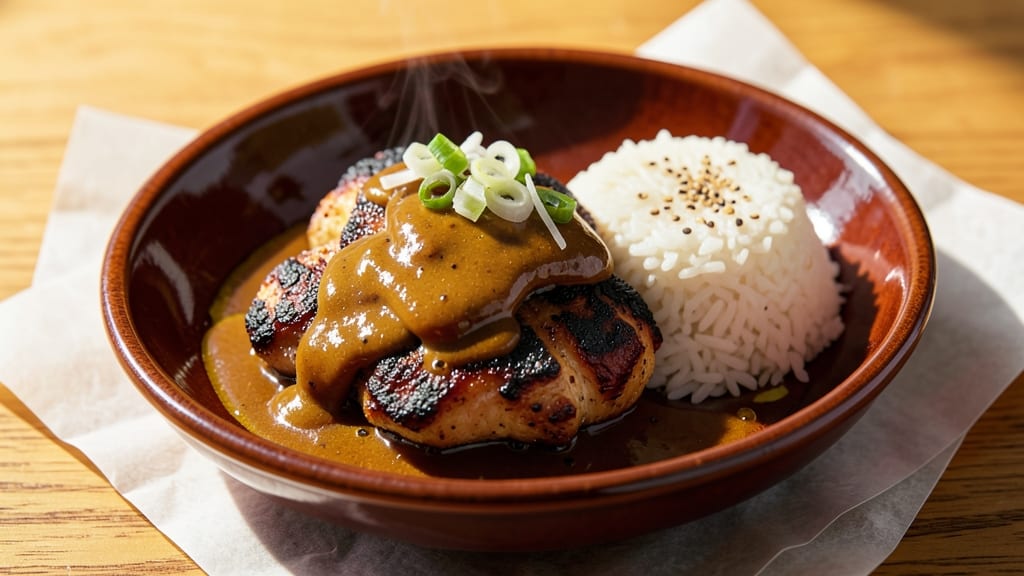
This Bachan's Japanese BBQ sauce copycat recipe transforms your grill into a smoky-sweet umami powerhouse—just like the sauce that makes every bite of teriyaki chicken unforgettable. 🔥 The secret lies in balancing soy sauce's deep savor with mirin's fruity brightness and a touch of caramelized sugar for that signature glossy finish.
I've been perfecting this recipe for years, and it's the one sauce that turns simple grilled meats into restaurant-worthy masterpieces.
What sets this copycat apart is the careful reduction process that creates that perfect thick, glossy consistency without burning. We're talking about a sauce that clings to every charred edge of your meat while delivering layers of umami in each bite.
The combination of soy sauce, mirin, and sugar creates a flavor profile that's both complex and approachable—smoky from the soy, sweet from the mirin, and rich from the caramelized sugar.
What you'll end up with is a sauce that's ready in just 30 minutes but tastes like it simmered all day. The glossy sheen isn't just for show—it's a sign of perfectly balanced flavors that coat your meat beautifully.
This isn't just a teriyaki sauce; it's a flavor bomb that transforms everything from grilled chicken and pork to even vegetables into something extraordinary.
The beauty of this recipe is its versatility. Use it as a marinade, a glaze, or a dipping sauce—it works equally well for all three. The sauce keeps beautifully in the fridge for up to two weeks, making it perfect for meal prep.
Whether you're grilling for a crowd or just treating yourself to a special meal, this copycat recipe delivers the same magic that makes Bachan's sauce legendary.
Ingredients for bachan's japanese bbq sauce copycat
Nine simple ingredients create the same legendary sauce that makes grilled meats unforgettable.
| Ingredient | Amount | Notes |
|---|---|---|
| Soy Sauce 🥢 | ½ cup | Use high-quality Japanese soy sauce |
| Mirin 🍶 | ¼ cup | Sweet rice wine, essential for balance |
| Granulated Sugar 🍚 | ½ cup | Light brown sugar for deeper caramel notes |
| Rice Vinegar 🍶 | ¼ cup | White or seasoned rice vinegar works |
| Sesame Oil 🫒 | 1 tbsp | Toasted sesame oil for aroma |
| Fresh Ginger 🧄 | 1 tbsp | Finely grated, fresh is best |
| Garlic Cloves 🧄 | 3 cloves | Minced, fresh for best flavor |
| Water 💧 | ½ cup | Adjust for desired consistency |
| Cornstarch 🌾 | 1 tbsp | For thickening, optional but recommended |
The soy sauce is non-negotiable—Kikkoman or Yamasa are my go-tos, but any good Japanese brand works. Mirin can be tricky to find, so Trader Joe's or Asian markets are your best bets. If you can't find mirin, substitute 1 tbsp honey plus 1 tbsp water, but it won't be exactly the same. The sugar is where the magic happens—light brown sugar adds subtle caramel notes that regular granulated sugar can't match. Fresh ginger and garlic? Always fresh—the dried stuff just doesn't cut it here. Toast your sesame seeds separately for garnish if you're feeling fancy.
No mirin? Rice wine plus 1 tsp sugar works in a pinch, though it won't be as sweet. Running low on rice vinegar? Apple cider vinegar at half the amount gets you close, but the flavor will be slightly different. Want to make this gluten-free? Tamari instead of soy sauce—just know the flavor will be slightly more robust. The cornstarch is key for that perfect glossy finish, but if you're vegan or avoiding it, 1 tsp arrowroot powder works just as well. Pro tip: Reduce the sauce longer for thicker consistency, but don't let it burn—keep it at a gentle simmer.
This sauce keeps like a dream—2 weeks in the fridge sealed in a jar, or 6 months in the freezer. I always make a double batch because it disappears fast. The sauce thickens as it cools, so stir in a splash of water if it gets too stiff. Use it on everything—grilled chicken, pork, even tofu or veggies. The leftovers? Perfect for quick stir-fries or as a dipping sauce for spring rolls. Trust me, once you make this, you'll never buy the bottled stuff again.
Why You'll Love This Recipe
- Pantry Staple Magic: I swear by this sauce because it uses things I already have—no special trips to the store. Soy sauce, mirin, and a splash of rice vinegar? That’s it for the base, and honestly, the balance of sweet, salty, and tangy happens without overthinking.
- Umami Bomb: The combo of soy and mirin creates this deep, savory punch that sticks to everything—grilled chicken, roasted veggies, even scrambled eggs. (Yes, even on a Tuesday night.) That sesame oil finish? Pure flavor payoff with almost no effort.
- Meal Prep MVP: This sauce keeps for weeks in the fridge, so I make a big batch and toss it on anything—marinated proteins, stir-fries, or even drizzled over rice bowls. No last-minute shopping, no stress. Just reliable flavor whenever I need it.
- Budget-Friendly Flex: A single jar of mirin and a bottle of rice vinegar stretch across multiple recipes, and the sugar cost is negligible. For under $10, I’ve got a sauce that tastes like it came from a high-end Japanese restaurant. That’s a win.
Step-by-step instructions for Bachan's Japanese BBQ sauce
Here's how to recreate that signature smoky-sweet sauce at home.
🍳 Step 1: Build the Flavor Base
In a medium saucepan, combine the 0.5 cup soy sauce, 0.25 cup mirin, and 0.5 cup granulated sugar. Bring to a gentle simmer over medium heat—you'll see the sugar start to dissolve and the mixture bubble softly. This is where the magic begins, as the sugar starts caramelizing and deepening the sauce's color.
Stir occasionally for 3-4 minutes until the sugar is completely dissolved and the mixture becomes slightly syrupy. Here's the thing—don't rush this step. The sugar needs time to integrate fully with the soy and mirin, creating that perfect balance of sweet and savory that defines this sauce. You're looking for a smooth, glossy consistency without any graininess.
🍳 Step 2: Add Aromatics and Vinegar
Reduce heat to low and add the 0.25 cup rice vinegar, 1 tbsp sesame oil, 1 tbsp freshly grated ginger, and 3 minced garlic cloves. The vinegar will make the mixture bubble again—this is normal. Let it simmer gently for 5-6 minutes until the garlic becomes fragrant and the ginger softens slightly.
I like to taste the sauce at this point to check the balance. It should be sweet, tangy, and slightly garlicky. If it's too sharp, add a pinch more sugar. If it's too sweet, add a splash more rice vinegar. This is where you adjust the foundation before committing to the final texture. The sesame oil adds that nutty aroma that makes this sauce so distinctive.
🥘 Step 3: Thicken and Finish
In a small bowl, whisk together the 1 tbsp cornstarch with 2 tablespoons of the sauce mixture to create a slurry. Slowly pour this back into the saucepan while stirring constantly. The sauce will thicken immediately—this is what gives it that glossy, clingy quality perfect for grilled meats.
Simmer for another 3-4 minutes until the sauce reaches your desired consistency. It should coat the back of a spoon but still be pourable. If it's too thick, add the remaining 0.5 cup water 1 tablespoon at a time until smooth. The sauce is ready when it's glossy, thick enough to coat, and has a beautiful deep amber color.
⏰ Step 4: Rest and Adjust
Remove from heat and let the sauce cool slightly for 5 minutes. This resting period allows all the flavors to meld together. Taste again and make any final adjustments—maybe a touch more salt if needed, or a splash more mirin for sweetness. The sauce will thicken further as it cools, so don't be tempted to add more cornstarch yet.
For best results, let the sauce sit at room temperature for 30 minutes before using. This gives the flavors time to develop fully. The sauce will keep in the refrigerator for up to 2 weeks, making it perfect for marinating or basting your favorite grilled meats. You'll love how it clings to everything—chicken, pork, even vegetables!
Pro Tips For Making Bachan'S Japanese Bbq Sauce Copycat
- Simmer Low and Slow: I used to rush this sauce and end up with a thin, vinegary mess. Keep it at a gentle simmer—just until tiny bubbles break the surface occasionally—so the sugar dissolves smoothly and the flavors meld. Five minutes max, or you’ll turn it into syrup.
- Use Real Mirin: That cheap "cooking mirin" substitute? Skip it. Real mirin adds depth and sweetness this sauce needs. If you can’t find it, reduce a mix of sugar and water (equal parts) to a syrupy consistency, but it won’t taste the same.
- Balance the Vinegar: Rice vinegar’s sharpness can overpower if you’re not careful. Taste as you go—add it gradually, then adjust with a splash of mirin or a pinch of sugar if it’s too harsh. (I learned this after making a batch that tasted like pickled soy sauce.)
- Toast the Sesame Oil: Pour the sesame oil in last and let it infuse for 30 seconds off the heat. This prevents burning and lets its nutty aroma shine. Stir gently—no splattering, or you’ll ruin the clean flavor. (Yes, even if you’re impatient like me.)
Creative variations of bachan's japanese bbq sauce copycat
Spicy Kick Variation
Crank up the heat by adding 1 tablespoon of gochujang (Korean chili paste) or ½ teaspoon of red pepper flakes to the finished sauce. For a smoky heat, stir in ½ teaspoon of smoked paprika during the final simmer.
This version pairs perfectly with grilled pork chops or spicy ramen. I like to add a pinch of cayenne if I want extra fire—just remember, you can always tone it down with more mirin later. 🌶️
Sweet & Sticky Glaze
For a thicker, stickier glaze perfect for basting, reduce the sauce longer by simmering uncovered for an extra 10-15 minutes after adding cornstarch. Add 1 tablespoon of honey or 1 teaspoon of molasses to deepen the caramel notes.
This version works wonders on grilled pineapple or as a drizzle for mochi ice cream. The key is patience—let it reduce slowly to avoid burning. 🍯
Umami Bomb Boost
Take this sauce to the next level by adding 1 tablespoon of Worcestershire sauce or ½ teaspoon of fish sauce during the final simmer. For extra depth, stir in 1 teaspoon of miso paste (white or red) when combining the cornstarch slurry.
This version has a richer, more complex flavor that stands up to bold meats like duck or beef short ribs. I often use Trader Joe's fish sauce for consistency. 🍜
Herb-Infused Twist
Brighten the sauce with fresh herbs by stirring in 1 tablespoon of chopped cilantro or 1 teaspoon of chopped Thai basil at the very end. For a citrusy kick, add 1 teaspoon of grated lime zest or 1 tablespoon of lime juice.
This version works beautifully on grilled shrimp or as a dipping sauce for summer rolls. Fresh herbs add a vibrant contrast to the sauce's deep flavors. 🌿
Smoky Maple Version
Swap out half the sugar for ¼ cup pure maple syrup and add ½ teaspoon of liquid smoke (like Traeger's Original) during the final simmer. This version has a caramelized, smoky depth that's perfect for grilled sausages or pulled pork.
The maple adds natural sweetness while the liquid smoke enhances the BBQ profile. I like to finish with a sprinkle of smoked sea salt for extra dimension. 🍁
Low-Sodium Adaptation
For a lighter version, reduce the soy sauce to ¼ cup and add ¼ cup coconut aminos (like Coconut Secret) for a lower-sodium base. Balance the flavor with an extra 1 tablespoon of mirin and ½ teaspoon of fish sauce for umami.
This version is ideal for health-conscious eaters but still delivers big flavor. The coconut aminos add a subtle sweetness that complements the sauce beautifully. 🥥
Nutrition facts
Frequently asked questions
Can I substitute mirin in this Japanese BBQ sauce?
If you can't find mirin, mix 1 tbsp rice wine with 1 tsp sugar as a substitute. For a non-alcoholic option, use 1 tbsp honey or 1 tbsp white grape juice—though the flavor won't be identical. The key is balancing sweetness, so adjust to taste after simmering.
How do I prevent the sauce from burning while simmering?
Keep the heat at a gentle simmer (small bubbles, not a rolling boil) and stir frequently. If it starts to darken too quickly, reduce heat to low and add 1 tbsp water to thin it out. The sauce should never smell burnt—if it does, start over. Patience is key!
What’s the best way to use this sauce on grilled meats?
For maximum flavor, use it as a marinade (2-4 hours) and a glaze (last 5 minutes of grilling). Brush lightly over meat to avoid burning. It also works as a dipping sauce for spring rolls or a stir-fry finish. The glossy texture clings beautifully to charred surfaces!
Can I make this sauce without cornstarch?
Yes! Skip the cornstarch and simmer the sauce 10-15 minutes longer to reduce naturally. For a vegan option, use 1 tsp arrowroot powder mixed with water. The sauce will be slightly thinner but still delicious. Just avoid boiling dry—keep it at a simmer.
How do I store leftovers for best flavor?
Let the sauce cool completely, then store in an airtight container in the fridge for up to 2 weeks. For long-term storage, freeze in ice cube trays for easy single-use portions. Reheat gently on the stove—never microwave, as it can break the sauce's glossy texture.