
Sauces & Condiments
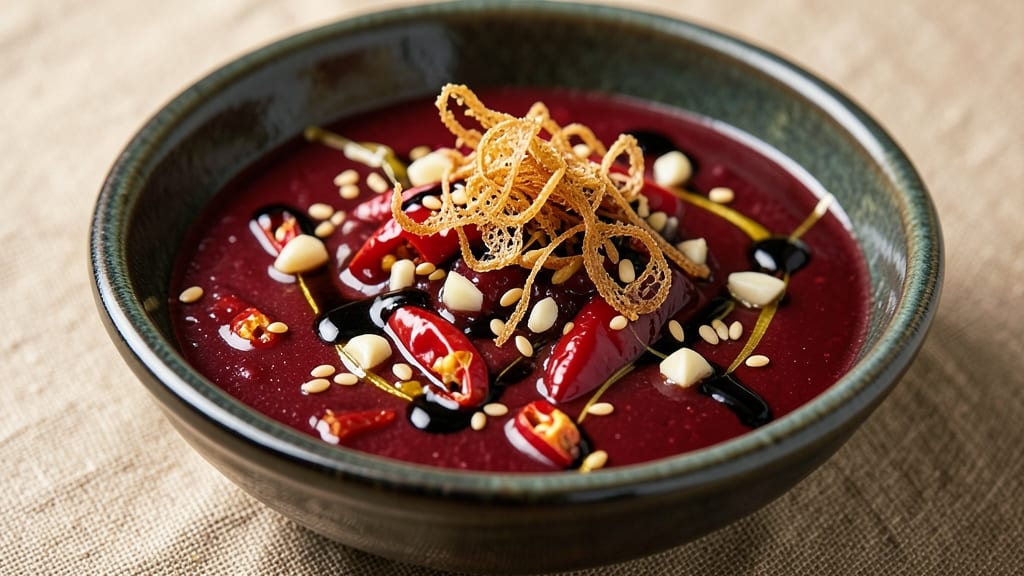
This Babganong sauce recipe—better known as babg bang—transforms ordinary grilled meats into a fiery, sweet-spicy masterpiece. Born from Filipino-Korean fusion, this sauce blends vinegar, chili peppers, and garlic into a tangy, caramelized glaze that clings to every bite.
The secret lies in simmering until thick and glossy, balancing heat with just enough sugar to create a addictive contrast.
What sets this sauce apart is its versatility—perfect for dipping, basting, or finishing dishes like adobo or kare-kare. The process is straightforward: blend, simmer, and strain for a smooth, restaurant-quality result without the fuss.
No special equipment needed, just patience to let the flavors meld into a bold, aromatic sauce that elevates any protein.
The final product delivers a perfect harmony of tangy, spicy, and slightly sweet notes, with a glossy sheen that makes every dish look as good as it tastes.
Whether you're grilling skewers, marinating chicken, or drizzling over rice, this sauce adds depth and complexity in just a few minutes of prep.
Ready in under 30 minutes, this recipe is a game-changer for home cooks who crave restaurant-quality flavor without the complexity. The key is letting it reduce slowly—don’t rush it. Here’s how to make it.
Ingredients for babg bang sauce
Nine ingredients blend into a caramelized glaze—tangy, spicy, and addictively sweet.
| Ingredient | Amount | Notes |
|---|---|---|
| Red Chili Peppers 🌶️ | 4 whole | Fresh red chilis, stems removed |
| White Vinegar 💧 | ½ cup | Distilled white vinegar preferred |
| Granulated Sugar 🍚 | ½ cup | White or brown sugar works |
| Garlic Cloves 🧄 | 8 cloves | Freshly minced for potency |
| Fish Sauce 🍶 | 2 tbsp | Red Boat preferred for quality |
| Soy Sauce 🥫 | 2 tbsp | Light or dark soy sauce |
| Sesame Oil 🫒 | 1 tbsp | Toasted sesame oil for aroma |
| Black Peppercorns 🌶️ | ½ tsp | Freshly cracked for depth |
| Salt 🧂 | 1 tsp | Diamond Crystal preferred |
The chili peppers are the heart of this sauce—fresh red chilis deliver the best heat and texture. Look for vibrant, firm chilis at Asian markets or well-stocked grocery stores like Whole Foods. If you can't find fresh, red chili flakes work in a pinch, but reduce the amount by half. The garlic should be freshly minced just before blending to preserve its potency. For fish sauce, Red Boat is the gold standard, but any reputable brand will do. The vinegar and sugar balance the heat, so don't skimp on quality here—organic cane sugar adds a subtle depth.
No fish sauce? Soy sauce plus a dash of oyster sauce mimics the umami, though it won't be identical. Short on chilis? Add an extra tablespoon of red chili flakes and a pinch of cayenne. The sesame oil is non-negotiable for aroma—toasted sesame oil from Trader Joe's is my go-to. For a smoother texture, strain the sauce through a fine-mesh sieve after simmering. The black peppercorns add a subtle complexity, so freshly cracked makes all the difference. If you're sensitive to heat, reduce the chilis to 2 whole peppers and add an extra tablespoon of sugar to balance.
This sauce keeps beautifully—1 week refrigerated in an airtight jar, or 6 months frozen for longer storage. The flavor actually improves after a day as the sugars caramelize further. For best results, reheat gently on the stove, stirring constantly to prevent burning. It's perfect for basting meats, dipping skewers, or finishing dishes like grilled pork or chicken. Double the batch if you're feeding a crowd—it disappears fast.
Why You'll Love This Recipe
- Here’s what sold me: that first bite where the chili peppers hit, then the garlic lingers like a warm hug. The sugar isn’t just sweet—it caramelizes slightly when you simmer, giving it this weirdly addictive depth. (Yes, even on a Tuesday night.)
- Five-Ingredient Magic: I swear, this sauce comes together with what’s already in your pantry. No fancy tools—just a knife, a bowl, and 15 minutes of your time. That’s it. The vinegar cuts through the heat while the sugar balances it, and the fish sauce? Oh, it’s the umami glue holding everything together.
- Heat That Stays: Here’s what sold me: that first bite where the chili peppers hit, then the garlic lingers like a warm hug. The sugar isn’t just sweet—it caramelizes slightly when you simmer, giving it this weirdly addictive depth. (Yes, even on a Tuesday night.)
- Dip, Drizzle, Repeat: This sauce is my secret weapon for takeout nights—drizzle it on noodles, toss it with rice, or serve it cold with crispy spring rolls. Honestly, I’ve even used it as a marinade for grilled shrimp. It’s the kind of thing that turns a simple meal into something special without trying too hard.
Step-by-step instructions for babg bang sauce
This sweet-spicy glaze delivers bold Korean flavors perfect for grilled meats and marinades.
Prepare the Chili Peppers
Begin by removing stems from the 4 whole red chili peppers. I like to slice them lengthwise into quarters, keeping the seeds intact for maximum heat. This creates more surface area for the vinegar to penetrate while preserving the pepper's natural oils and capsaicin—key components of the sauce's signature spicy depth.
Transfer the sliced peppers to a heatproof bowl and pour over the 0.5 cup white vinegar. Let them soak for 10 minutes while you prepare the remaining ingredients. This initial soak softens the peppers and begins extracting their vibrant color and fiery character. The vinegar's acidity will also help balance the sweetness later in the process.
Toast the Garlic and Peppercorns
In a dry skillet over medium heat, add the 8 garlic cloves and 0.5 tsp black peppercorns. Toast for 2-3 minutes until the garlic turns golden brown and releases its fragrant aroma. This step develops a nutty depth that enhances the sauce's complexity—don't let it burn, just until you smell that irresistible toasted garlic scent.
As the garlic toasts, transfer the pepper-vinegar mixture to a blender. Add the toasted garlic and peppercorns immediately while they're still warm. The residual heat helps extract more flavor from these aromatics. This is where the sauce's foundation begins to take shape, combining the peppers' heat with the garlic's sweetness and the peppercorns' subtle bite.
Blend and Simmer the Base
Blend the pepper-vinegar mixture with the toasted garlic and peppercorns until completely smooth. The texture should be silky with no visible particles. Transfer the blended mixture to a saucepan and add the 0.5 cup granulated sugar. Stir over medium heat for 5 minutes until the sugar fully dissolves and the mixture begins to simmer.
Watch carefully as the mixture reduces—you're looking for a thick, glossy consistency that coats the back of a spoon. This reduction process concentrates the flavors and creates the signature sticky glaze texture. The sugar will caramelize slightly, adding another layer of complexity to the sauce's sweet-spicy profile.
Incorporate the Umami Elements
Once the mixture reaches a thick syrup consistency, remove it from heat and let it cool slightly. Add the 2 tbsp fish sauce and 2 tbsp soy sauce, stirring well to combine. The fish sauce brings deep umami richness while the soy sauce adds salty depth and helps balance the sweetness. This is where the sauce transforms from a simple glaze to a full-flavored condiment.
Return the sauce to low heat and stir in the 1 tbsp sesame oil. The oil should be warmed through but not hot—just enough to infuse its nutty aroma without losing its delicate flavor. The sesame oil adds another dimension to the sauce's complexity, creating that signature Korean flavor profile that makes babg bang sauce so distinctive.
Rest and Adjust
Let the sauce cool completely to room temperature. This resting period allows all the flavors to meld and the sauce to thicken further. Taste and adjust the seasoning if needed—you might want to add a pinch more salt or a splash of vinegar to achieve the perfect balance of sweet, spicy, and umami.
The finished sauce should be thick enough to coat the back of a spoon but still pourable. It will keep in the refrigerator for up to 2 weeks, making it perfect for batch cooking. Use it as a marinade, glaze, or dipping sauce for grilled meats, tofu, or vegetables—its versatility makes it a kitchen essential.
Pro Tips For Making Babg Bang Sauce
- Char the Peppers Right: Toss whole red chilis directly into a dry, screaming-hot pan—no oil needed. Let them blacken completely (3-4 minutes) before adding anything else. I learned this the hard way: undercooked peppers taste raw and bitter, while properly charred ones release that deep, smoky sweetness that defines babg bang.
- Mince Garlic Like It’s 1995: Skip the press and chop those garlic cloves into a fine paste with the flat side of your knife—no knife skills required. This ensures even distribution and prevents clumps that can make your sauce taste uneven. (Yes, it looks messy, but it works every time.)
- Balance Vinegar and Sugar Slowly: Add vinegar first, then sugar one spoonful at a time while tasting. The sauce should taste sour first, then sweet as it cooks—never the other way around. I used to dump everything in at once and ended up with a gloppy mess instead of a glossy, tangy-sweet sauce.
- Strain for Smoothness (If You Dare): Run the finished sauce through a fine-mesh sieve to remove skins and seeds—it’s extra work, but the result is silky instead of gritty. If you’re lazy (like me most days), at least press the mixture with a spoon to break up any lingering texture. The difference is noticeable, but not dealbreaking.
Flavor customization for this babg bang sauce
Sweet-Spicy Balance
Adjust the sugar-to-chili ratio to your heat preference. For milder heat, reduce chilis to 2 whole peppers and add 1 extra tablespoon of sugar. If you love spice, keep all 4 chilis but add ½ teaspoon of cayenne pepper for extra kick.
I find brown sugar adds a deeper caramelized flavor when simmering, so swap it out for a richer taste. 🌶️
Tangy Variations
Swap white vinegar for apple cider vinegar (½ cup) to add fruity brightness that pairs beautifully with grilled pork. For a deeper tang, add 1 tablespoon of rice vinegar at the end for complexity.
I’ve also used lime juice (2 tablespoons) instead of vinegar for a brighter, tropical twist—great for seafood dishes.
Umami Boosters
Enhance the sauce’s depth by adding 1 tablespoon of oyster sauce alongside the fish sauce for a richer, briny note. For a vegetarian option, replace fish sauce with 2 tablespoons of coconut aminos—it mimics the umami without the seafood.
A splash of miso paste (1 teaspoon) also adds fermented complexity. 🍶
Texture Adjustments
For a smoother sauce, strain it through a fine-mesh sieve after simmering. If you prefer texture, blend in 1 tablespoon of toasted sesame seeds or chopped scallions for crunch.
I like keeping it silky for glazing meats but adding seeds for dipping sauces. For extra thickness, simmer uncovered for 5 extra minutes to reduce further.
Flavor Layering
Infuse the sauce with 1 cinnamon stick or 2 star anise pods while simmering for a subtle warmth. Remove before blending to avoid bitterness. For smokiness, add ½ teaspoon of smoked paprika or a dash of liquid smoke (¼ teaspoon).
These additions elevate the sauce for dishes like grilled ribs or smoked chicken. ✨
Storage Hacks
Freeze the sauce in ice cube trays for single-use portions—perfect for quick marinades. For longer storage, transfer to an airtight container and refrigerate for up to 3 weeks.
If it thickens too much, thin with 1 teaspoon of water or vinegar before using. The flavor actually improves over time as the sugars caramelize further.
Nutrition facts
Frequently asked questions
What's the difference between babg bang and regular chili sauce?
Babg bang sauce is a Filipino-Korean fusion sauce with a unique balance of sweet, spicy, and tangy flavors, thanks to its blend of vinegar, sugar, and fermented fish sauce. Unlike generic chili sauces, it features a glossy, caramelized texture from simmering and incorporates toasted garlic and sesame oil for depth. The result is more complex and aromatic than store-bought chili sauces.
Can I make this sauce without fish sauce?
Yes! For a vegetarian version, replace the 2 tbsp fish sauce with 2 tbsp coconut aminos or soy sauce plus 1 tbsp oyster sauce. The umami depth will be slightly different but still delicious. If you're avoiding soy, use miso paste (1 tsp) instead. The sauce will still have great flavor, just with a different profile.
How spicy will this sauce be?
The heat level depends on the chili peppers—with 4 whole fresh red chilis, it's medium-hot (about 3-4 on a 1-10 scale). For milder heat, reduce to 2 chilis and add 1 extra tbsp sugar. If you want extra kick, keep all 4 chilis and add ½ tsp cayenne pepper during simmering. Always taste before serving!
What's the best way to use leftover babg bang sauce?
This versatile sauce works as a marinade, glaze, or dipping sauce. Use it to baste grilled meats, drizzle over rice or noodles, or serve with spring rolls. For extra flavor, let it sit for 10 minutes before using—this lets the sugars caramelize further. It also makes an amazing topping for fried chicken or tofu skewers.
Why did my sauce turn out too thin?
Sauce consistency depends on simmering time—if it's too thin, simmer uncovered for 5-10 extra minutes until it thickens. For immediate thickness, mix 1 tsp cornstarch with 1 tbsp water, stir in, and cook for 1 minute. Always reduce heat to medium-low when simmering to prevent burning. The sugar should caramelize gradually for the perfect glaze texture.