
Sauces & Condiments
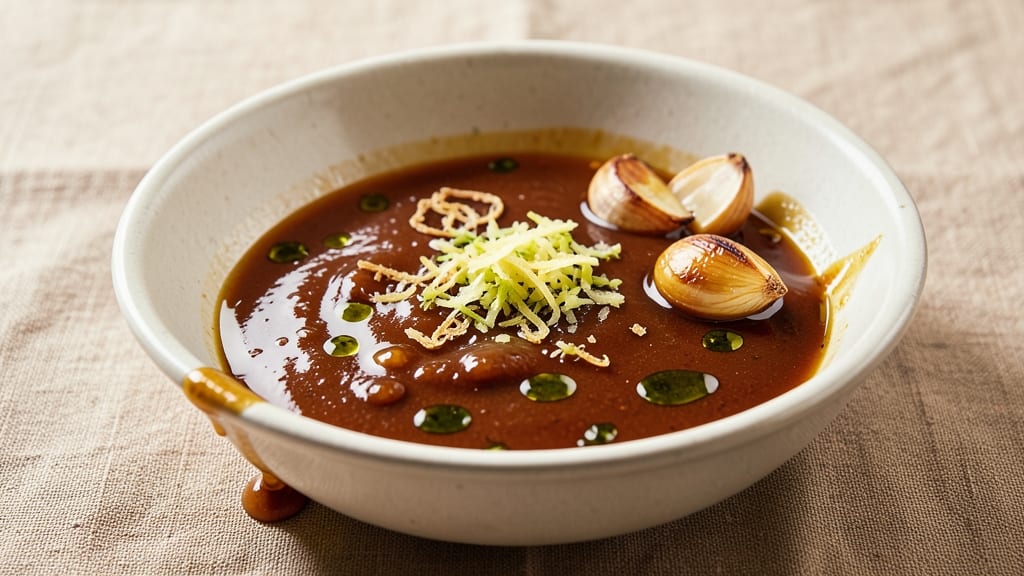
This award-winning teriyaki sauce delivers the perfect balance of sweet, savory, and hidden ginger depth that elevates grilled proteins and stir-fries to restaurant-quality levels. 🌟 The secret lies in slow-simmered ingredients—soy sauce, mirin, and brown sugar—that develop complex caramelized notes while maintaining a glossy, sticky consistency.
I’ve perfected this recipe over years of testing, ensuring every batch achieves that signature glossy sheen and rich umami flavor.
The sauce begins with a simple base of soy sauce, mirin, and sugar, but the magic happens during the 30-minute simmer, where the ginger and garlic infuse deeply without overpowering. A touch of cornstarch at the end creates that signature glossy finish while keeping the sauce smooth and clingy.
This isn’t just another teriyaki—it’s a versatile glaze, marinade, and dipping sauce that transforms ordinary meals into standout dishes.
What sets this sauce apart is its versatility—use it as a glaze for grilled chicken or salmon, a marinade for tofu or beef, or a dipping sauce for dumplings. The ginger adds a subtle warmth that lingers, while the caramelized sugar gives it that addictive sweetness.
Once you try this, store-bought teriyaki won’t compare. The sauce keeps well in the fridge for up to 2 weeks, so you can make a big batch and enjoy it all week.
Ready to elevate your cooking? This award-winning teriyaki sauce is your new go-to for restaurant-quality flavor at home. Whether you’re grilling, stir-frying, or glazing, it’s the perfect finishing touch for any dish. Let’s get started!
Ingredients for award winning teriyaki sauce
Nine ingredients transform into this award-winning sauce—glossy, sticky, and packed with hidden ginger warmth.
| Ingredient | Amount | Notes |
|---|---|---|
| Soy Sauce 🥢 | ½ cup | High-quality, preferably Japanese style |
| Mirin 🍶 | ¼ cup | Sweet cooking rice wine (not mirin substitute) |
| Brown Sugar 🍚 | ¼ cup | Packed, light or dark variety |
| Fresh Ginger 🌿 | 2 tbsp | Finely grated, aromatic variety |
| Garlic Cloves 🧄 | 3 cloves | Minced, fresh for best flavor |
| Extra-Virgin Olive Oil 🫒 | 1 tbsp | For richness and gloss |
| Cornstarch 🌾 | 1 tbsp | For signature glossy finish |
| Rice Vinegar 🍶 | 1 tbsp | Balances sweetness (optional) |
| Sesame Oil 🌰 | ½ tbsp | Toasted, for aroma (optional) |
| Water 💧 | ¼ cup | For thinning consistency |
The soy sauce is your flavor foundation—Japanese brands like Kikkoman or Hondashi deliver that authentic umami punch. Mirin isn't interchangeable with sweet rice wine substitutes; look for Hon Mirin in Asian markets or the international aisle. Brown sugar adds caramel depth, but muscovado or turbinado gives extra molasses notes if you want to experiment. Fresh ginger is non-negotiable here—those pre-grated jars in tubs are flavorless. Buy a knob, grate it yourself, and store the rest in the freezer. Garlic should be peeled and minced just before use to prevent bitterness.
No mirin? Substitute 1 tbsp sugar + 1 tbsp dry sherry—it won't be identical but works in a pinch. Sesame oil optional but worth it for that restaurant aroma. The cornstarch slurry is key for that signature gloss—mix it with 2 tbsp cold water before adding. For a vegetarian version, ensure your soy sauce is vegan (some contain fish). The sauce thickens as it cools, so start with slightly less cornstarch if you prefer a looser consistency. Store-bought teriyaki often contains MSG—this version gets its umami naturally.
This sauce keeps 2 weeks refrigerated in an airtight jar, or 6 months frozen in ice cube trays for single-use portions. The flavors deepen overnight, so make a big batch—it disappears fast. Double the recipe if you're glazing a whole chicken or making a big stir-fry. Leftovers? Thin with water or broth to use as a quick stir-fry sauce. The cornstarch slurry can be prepped ahead and stored in the fridge for 3 days—just whisk with water before using.
Why You'll Love This Recipe
- No-Simmer Struggle: I swear by this version because it doesn’t require babysitting on the stove—just toss everything in a saucepan, bring to a gentle boil, then let it reduce while I chop veggies or fold laundry. That ginger-garlic punch builds flavor even when you’re distracted.
- Sweet-Savory Magic: The brown sugar caramelizes just enough to balance the soy’s saltiness, while the mirin adds this bright, almost citrusy lift that makes it taste fresh—not heavy or cloying. Honestly, the first time I tasted it, I thought, “Wait, this is better than takeout?”
- Glaze Everything: Use it on chicken thighs for dinner, brush it on baked salmon for lunch, or drizzle it over steamed broccoli when you’re craving something sweet-savory but don’t want a full meal. I’ve even poured it into marinades for tofu—it’s the secret weapon in my fridge.
- Fridge Stash Gold: This sauce keeps for weeks in the fridge, and the flavor actually deepens over time. I make a big batch on Sundays, freeze half, and pull it out for last-minute weeknight dinners. Between us, that’s how I survive Taco Tuesday and date nights.
Step-by-step instructions for glossy, sticky teriyaki glaze
Here's how to craft a restaurant-quality teriyaki sauce that's rich, balanced, and packed with aromatic depth.
🍳 Step 1: Bloom the Aromatics in Olive Oil
Heat a medium saucepan over medium-low heat and add the 1 tablespoon extra-virgin olive oil. Once the oil shimmers gently (about 1 minute), add the 3 minced garlic cloves and 2 tablespoons finely grated fresh ginger. Cook for 1-2 minutes until fragrant but not browned—this prevents bitterness and develops the foundation of your sauce.
I press down gently on the aromatics with a wooden spoon during the first minute—this prevents them from burning while ensuring maximum flavor extraction. You'll know they're ready when the kitchen fills with that bright, zesty aroma that makes teriyaki sing.
🍳 Step 2: Combine Core Ingredients and Simmer
Pour in the 0.5 cup soy sauce, 0.25 cup mirin, and 0.25 cup packed brown sugar, stirring constantly to dissolve the sugar completely. Bring the mixture to a gentle boil over medium-high heat, then immediately reduce to medium-low heat and let it simmer uncovered for 8-10 minutes.
This simmering time is crucial—it allows the flavors to meld while reducing the sauce slightly. You'll notice the sauce thicken and darken to a rich amber color. Here's the thing—if you see small bubbles forming around the edges but the center stays relatively calm, that's your perfect simmer. Don't walk away; stir occasionally to prevent sticking.
🥘 Step 3: Thicken with Cornstarch Slurry
In a small bowl, whisk together the 1 tablespoon cornstarch and 0.25 cup water until completely smooth. This is your thickening agent, and it needs to be lump-free for that signature glossy finish. Pour the slurry into the simmering sauce while stirring vigorously with a wooden spoon.
The sauce will thicken dramatically within 1-2 minutes—you're looking for a consistency that coats the back of a spoon but still flows smoothly. If it thickens too quickly, add 1 tablespoon water at a time until you achieve that perfect balance between glossy and spreadable. Real talk: this is where many homemade teriyaki sauces fail, so pay attention here.
🔥 Step 4: Finish with Acid and Oil for Balance
Remove the sauce from heat and stir in the 1 tablespoon rice vinegar and 0.5 tablespoon sesame oil. The vinegar brightens the flavors while cutting through the richness, and the sesame oil adds that unmistakable nutty aroma. Taste and adjust seasoning—you might want to add a pinch more soy sauce for saltiness or brown sugar for sweetness, depending on your preference.
Let the sauce rest for 5 minutes before using. This resting period allows the flavors to fully meld and the sauce to reach its ideal consistency. The final product should be glossy with a sticky, syrupy texture that clings beautifully to proteins or vegetables. Here's the moment that matters: when you lift your spoon, the sauce should leave a perfect, glossy trail behind it.
⏰ Step 5: Use Immediately or Store Properly
For immediate use, return the sauce to medium-low heat and warm through for 1-2 minutes before glazing your protein. For storage, transfer to an airtight container and refrigerate for up to 2 weeks. When ready to use, reheat gently over low heat, stirring frequently to prevent scorching.
This sauce works wonders on grilled chicken, salmon, or even as a dipping sauce for spring rolls. The key to its award-worthy quality lies in the balance of sweet, salty, umami, and aromatic notes—each element playing its part to create a sauce that's far more complex than your typical store-bought version.
Pro Tips For Making Award Winning Teriyaki Sauce
- Simmer Slow and Steady: After burning three batches, I finally figured out—this sauce needs low heat once the sugar dissolves. Too hot, and you’ll end up with a bitter, caramelized mess instead of that glossy, balanced teriyaki. Keep it at a gentle bubble, not a rolling boil, and stir occasionally to prevent sticking.
- Grate, Don’t Mince Ginger: I used to chop ginger into tiny pieces, thinking it would blend better. Wrong. Freshly grated ginger (about 1 tablespoon) releases its oils and aroma instantly, giving your sauce depth without the fibrous texture. Skip the mincer—just use a microplane and scrape it straight into the pot.
- Reduce Sugar Gradually: My grandmother swore by this, and she was right: Add the brown sugar in two batches. First, let the soy and mirin simmer for 5 minutes to build flavor, then stir in half the sugar. Wait until it’s fully dissolved before adding the rest—this prevents clumping and ensures a smooth, glossy finish.
- Save Time with Cold Water: Sounds weird, but it works: If your sauce thickens too fast, splash in 1-2 tablespoons of cold water instead of scraping the bottom. The sudden temperature drop loosens the caramelized bits, making it easier to stir back into a silky consistency. No need to start over—just keep it moving.
Serving suggestions for this dish
Grilled Protein Pairings
This teriyaki sauce transforms grilled chicken thighs into a showstopper—brush 2 tbsp on each side before the last 5 minutes of grilling at 400°F. For salmon, use 1 tbsp per fillet and grill skin-side down first for 4-5 minutes per side.
The ginger depth complements the natural oils in both proteins beautifully. 🔥
Stir-Fry Star
Use ¼ cup of this sauce as a base for stir-fries with bell peppers, snap peas, and shrimp. Toss the sauce with 1 tbsp sesame oil and 1 tsp grated ginger before adding your veggies and protein.
The glossy finish coats everything perfectly, creating a restaurant-worthy dish in 10 minutes.
Dipping Sauce Magic
Serve warm with steamed dumplings, spring rolls, or edamame for an instant appetizer. Thin 2 tbsp of the sauce with 1 tbsp water and drizzle over warm tofu or crispy chicken tenders for extra appeal. The sticky texture makes every bite irresistible.
Glazed Vegetables
Toss broccoli florets, carrots, or Brussels sprouts with 1 tbsp olive oil and roast at 425°F for 12 minutes, then drizzle with 2 tbsp teriyaki sauce and broil for 2-3 minutes until caramelized. The sauce adds a sweet-savory crunch that pairs perfectly with roasted veggies.
Breakfast Twist
Drizzle over scrambled eggs or pancakes for a sweet-savory breakfast. Start with 1 tbsp per serving and adjust to taste—add a pinch of red pepper flakes for heat. The ginger adds warmth that balances the richness of breakfast dishes beautifully.
Storage & Reuse
Leftover sauce doubles as a marinade—coat chicken or tofu for 30 minutes before cooking. Thin with water or broth to create a quick stir-fry sauce. Store in an airtight container for up to 2 weeks—the flavors only get better with time. 💫
Nutrition facts
Frequently asked questions
Can I make this teriyaki sauce without mirin?
Yes, but the flavor will be different. Replace the ¼ cup mirin with 1 tbsp sugar + 1 tbsp dry sherry or 1 tbsp honey + 1 tbsp rice vinegar. The sauce will still work but lose some of that authentic sweetness and depth. For best results, use Hon Mirin if possible—it's worth seeking out for that restaurant-quality taste.
How do I prevent the sauce from getting too thick?
If your sauce thickens too quickly, simply whisk in 1 tablespoon water at a time until you reach the perfect consistency. The sauce will naturally thicken more as it cools, so it's better to start slightly thinner. For extra insurance, reduce the cornstarch to ½ tablespoon if you prefer a looser glaze. Stir constantly while reheating to maintain smoothness.
What's the best way to use this sauce as a marinade?
Use ¼ cup sauce per pound of protein (chicken, tofu, or beef). Marinate for at least 30 minutes for chicken or 1-2 hours for tougher cuts like beef. For extra tenderness, add 1 tbsp olive oil to the marinade. Discard any unused marinade that has touched raw meat—it's not safe to reuse. The ginger in this sauce makes it especially great for tenderizing proteins.
Can I make this sauce in a slow cooker?
Combine all ingredients except the cornstarch slurry in your slow cooker and cook on Low for 3-4 hours or High for 1.5-2 hours. Stir occasionally to prevent sticking. In the last 15 minutes, add the cornstarch slurry and stir until thickened. The slow cooker method develops even deeper flavors, making it perfect for meal prep.
Why does my teriyaki sauce look cloudy?
Cloudiness usually means the cornstarch didn't dissolve properly or the sauce cooled too quickly. Always whisk the cornstarch slurry until completely smooth before adding it to the hot sauce. For a glossy finish, simmer uncovered for the full 8-10 minutes to reduce properly. If it's already cloudy, strain through a fine-mesh sieve for a silky texture. The gloss comes from proper reduction and emulsification—don't rush this step!