
Sauces & Condiments
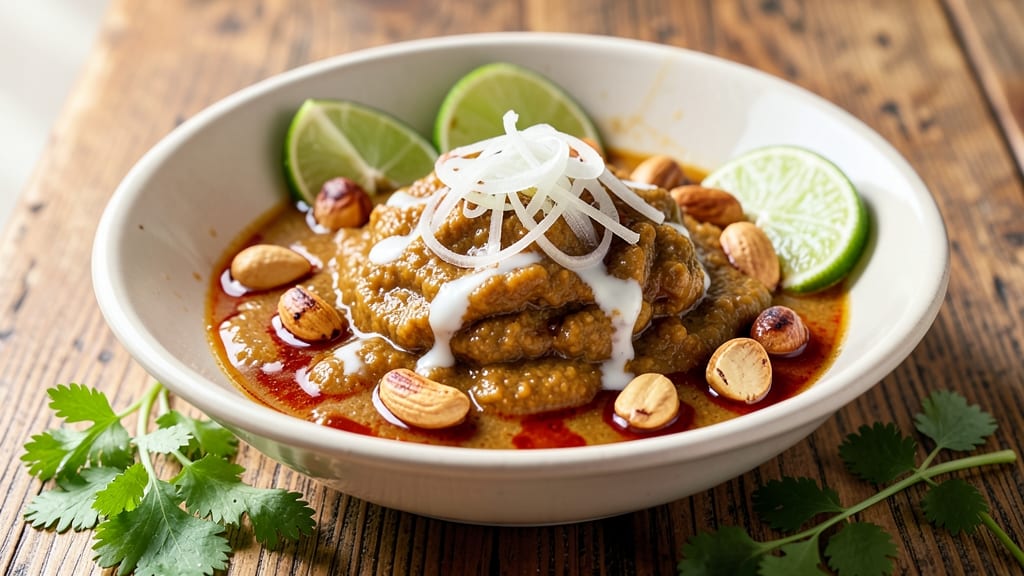
This authentic Vietnamese peanut sauce delivers the perfect balance of nutty richness and tangy brightness that transforms ordinary dishes into something extraordinary. The secret lies in toasting the peanuts until fragrant and blending them with tamarind, fish sauce, and garlic for a sauce that's both creamy and complex.
I've perfected this recipe over years of testing, ensuring every spoonful delivers that signature Vietnamese flavor profile.
The sauce begins with a base of toasted peanuts—never skip this step, as their aroma and texture are the foundation of authenticity. Fresh lime juice and tamarind add that signature tang, while fish sauce brings depth and umami.
The result is a smooth, velvety sauce that's versatile enough to elevate grilled meats, noodle dishes, or even fresh spring rolls. It's the kind of sauce that makes you want to cook everything in it.
What sets this recipe apart is its authenticity—no shortcuts, just the right balance of sweet, salty, and sour. The peanuts provide creaminess without dairy, while the tamarind and lime create that signature Vietnamese tang.
This isn't just a sauce; it's a flavor experience that transports you to the streets of Hanoi with every use. Ready to make it?
Once you've mastered this sauce, you'll find endless ways to use it—drizzle it over pho, toss it with grilled chicken, or serve it as a dipping sauce for spring rolls.
The possibilities are as endless as they are delicious. Let's get started on creating this flavor-packed condiment that will become a staple in your kitchen.
Ingredients for authentic vietnamese peanut sauce
Nine simple ingredients transform into the creamy, tangy sauce that defines Vietnamese street food.
| Ingredient | Amount | Notes |
|---|---|---|
| Raw Peanuts 🥜 | 1 ½ cups | Unsalted, shelled, toasted until fragrant |
| Tamarind Paste 🍯 | ½ cup | Thick, unsweetened tamarind concentrate |
| Fish Sauce 🐟 | 2 tbsp | Red Boat brand preferred |
| Garlic Cloves 🧄 | 4 cloves | Peeled, minced for depth |
| Fresh Lime Juice 🍋 | ¼ cup | Strain seeds for smooth texture |
| Coconut Milk 🥥 | ¼ cup | Full-fat for creaminess |
| Sugar 🍚 | 2 tbsp | White or brown sugar |
| Vegetable Oil 🫒 | 1 tbsp | For toasting peanuts |
| Salt 🧂 | ½ tsp | Adjust to taste |
| Fresh Chili 🌶️ | 1 whole | Optional, for heat (seeds removed) |
The peanuts are non-negotiable—raw, unsalted, and toasted until fragrant is key. Trader Joe's or bulk bins at Asian markets have the best quality. Toast them in a dry pan with oil until golden and nutty (about 5-7 minutes), then let cool before blending. Tamarind paste can be tricky to find outside Asian grocery stores—look for Thai Kitchen brand if you're not near a specialty market. The fish sauce? Red Boat is the gold standard, but any reputable brand will work. Fresh lime juice is a must—bottled won't cut it here.
No tamarind paste? Substitute 1 tbsp lime juice plus 1 tsp date syrup for tanginess. Out of fish sauce? Soy sauce plus a pinch of sugar works in a pinch, though it won't be identical. The coconut milk adds richness, but Greek yogurt (unsweetened) works too if you're avoiding dairy. Want more heat? Add a dash of Sriracha or sambal oelek at the end. For extra creaminess, blend in 1 tbsp tahini. The sauce thickens as it cools, so add a splash of water if needed.
This sauce keeps beautifully—1 week in the fridge sealed tightly, or 3 months frozen in ice cube trays. I always make double batches because it disappears fast. Store it in a glass jar to preserve flavor. The longer it sits, the more the flavors meld together—day-old sauce is actually better. Drizzle it over grilled meats, toss with noodles, or serve as a dip for spring rolls. Trust me, you'll want to use it everywhere.
Why You'll Love This Recipe
- No-Fuss Pantry Magic: The only ingredients you might not already have are tamarind paste and raw peanuts—both cheap and shelf-stable. Honestly, I keep a jar of each on hand just for this sauce, and it’s the only time I’ve ever used fish sauce without crying.
- Umami Bomb Combo: That first hit of garlic sizzling in the pan? Then the tamarind’s tang cutting through the peanut richness—it’s like a flavor explosion in your mouth. The lime juice at the end? The real MVP, balancing everything into something dangerously addictive.
- Dip, Drizzle, or Dress: Slather it on grilled chicken, toss it with noodles, or serve it as a dip with fresh veggies. Between us, it’s my go-to for lazy Sundays when I’m too tired to plan but still want something that tastes like I bothered.
- Make-Ahead Money-Saver: Double the batch—it keeps for a week in the fridge and freezes like a dream. I make a big jar every month, and it’s my secret weapon for cheap, restaurant-quality meals. Not the prettiest, but the taste makes up for it every time.
Step-by-step instructions for authentic Vietnamese peanut sauce
Here's how to create this vibrant, tangy sauce that's the heart of Vietnamese cuisine.
Toast the Peanuts Until Fragrant
Heat the 1 tablespoon vegetable oil in a dry skillet over medium heat. Add the 1.5 cups raw peanuts and toast them for 5-7 minutes, stirring constantly, until they turn a rich golden brown and release an intoxicating nutty aroma. You'll know they're ready when they smell deeply toasted—this is essential for that authentic Vietnamese peanut flavor.
Remove the peanuts immediately and let them cool slightly on a plate. While they're cooling, use a clean kitchen towel to wipe out any excess oil from the skillet. Don't skip this step—leaving oil in the pan can make your sauce greasy. The toasted peanuts will be your sauce's rich, nutty foundation, so take your time getting them just right.
Build the Sauce Base with Tamarind and Aromatics
Return the skillet to your stove over medium-low heat and add the 0.5 cup tamarind paste. Stir constantly for 2-3 minutes until it melts and becomes smooth. This is where the sauce gets its signature tangy depth—don't rush this step or you'll end up with a grainy texture.
Add the 4 cloves minced garlic cloves and cook for 30 seconds until fragrant. Then pour in the 2 tablespoons fish sauce and 2 tablespoons sugar, stirring well to combine. The fish sauce will add that unmistakable umami punch, while the sugar balances the tamarind's tartness. If you're using the optional 1 whole fresh chili, remove the seeds and finely chop it, then add it now for a subtle heat.
Simmer and Blend to Creamy Perfection
Pour in the 0.25 cup fresh lime juice and 0.25 cup coconut milk, stirring constantly. Let the mixture simmer gently for 3-4 minutes until it thickens slightly and the raw flavors meld together. You're looking for a smooth, cohesive sauce that coats the back of a spoon.
While the sauce simmers, transfer the toasted peanuts to a food processor or high-powered blender. Add the sauce from the skillet and pulse until completely smooth, scraping down the sides as needed. The texture should be velvety with just a hint of peanut texture—this is the signature balance of the authentic Vietnamese peanut sauce. Taste and adjust the seasoning with the 0.5 teaspoon salt if needed.
Finish and Serve with Confidence
Return the blended sauce to the skillet and heat gently for 1-2 minutes until warmed through. The sauce should be thick enough to coat the back of a spoon but still pour smoothly. If it's too thick, add 1-2 tablespoons water to reach your desired consistency.
This authentic Vietnamese peanut sauce is perfect for drizzling over grilled meats, noodle dishes, or fresh spring rolls. The balance of sweet, tangy, and nutty flavors makes it incredibly versatile. Store any leftovers in an airtight container in the refrigerator for up to 5 days—though it's so good, I doubt it'll last that long!
Pro Tips For Making Authentic Vietnamese Peanut Sauce
- TOAST PEANUTS LOW AND SLOW: Skip the high-heat blitz—roast raw peanuts in a dry skillet over medium-low for 8-10 minutes, stirring constantly, until they’re golden and smell nutty. I learned this the hard way: burning them once turned my sauce bitter, and no amount of tamarind could fix it.
- GRIND PEANUTS WITH GARLIC: Pulse toasted peanuts and minced garlic together in the food processor until you’ve got a rough paste—just enough to coat the bottom of the bowl. This releases more flavor than grinding separately, and the garlic won’t turn to mush when you add liquid later.
- DILUTE TAMARIND PASTE GRADUALLY: Tamarind paste is thick—mix it with 1-2 tablespoons of warm water first, then stir into the sauce slowly while tasting. Dumping it all in at once makes your sauce cloyingly sweet; you want it to cut through the richness, not overpower it.
- FINISH WITH LIME WHILE HOT: Add lime juice when the sauce is still steaming—this brightens the tamarind and balances the fish sauce without making the sauce separate. If you wait, the acid will curdle the peanut oil, and you’ll end up with a greasy mess.
Troubleshooting great authentic vietnamese peanut sauce
Peanuts Too Oily?
If your sauce ends up greasy, it’s likely from excess oil in the toasted peanuts. Always wipe out the skillet after toasting and use unsalted peanuts—they contain less oil than roasted versions.
For extra insurance, pat the toasted peanuts dry with a paper towel before blending. This step makes a huge difference in texture. 🥜
Sauce Too Thin?
If your peanut sauce isn’t thick enough, simmer it uncovered for an extra 2-3 minutes to reduce moisture. For a quicker fix, blend in 1-2 tablespoons of tahini or toasted peanut butter (unsweetened) to add richness and body. Avoid over-blending—just pulse until smooth to maintain that signature creamy texture.
Tamarind Paste Clumps?
Tamarind paste can be stubborn, but heat is your friend. Warm the paste with 1 tablespoon water in a small saucepan over low heat while stirring until fully dissolved.
If you’re in a hurry, mix it with 1 teaspoon lime juice first to break it down before adding to the skillet. A fine-mesh sieve helps strain out any stubborn fibers for a silky finish.
Fish Sauce Overpowering?
If the fish sauce flavor dominates, balance it with 1 extra teaspoon of sugar or 1 tablespoon of coconut milk. For a milder taste, substitute 1 tablespoon of soy sauce (though it won’t be identical).
Always taste as you go—Vietnamese peanut sauce should have a harmonious blend of sweet, salty, and tangy, not just umami. 🐟
Blender Not Smooth Enough?
If your sauce has a grainy texture, it’s likely from under-toasted peanuts or insufficient blending. Toast the peanuts longer until deeply fragrant, then let them cool completely before blending. For stubborn chunks, add 1-2 tablespoons of warm water and pulse again.
A high-powered blender like a Vitamix works best, but a food processor with a splash of coconut milk can help emulsify.
Sauce Separates When Stored?
Peanut sauce can separate if stored improperly. Always cool it completely before transferring to an airtight glass jar, leaving ½ inch of headspace for expansion. Stir well before using, or gently reheat in a saucepan over low heat while stirring constantly.
For extra stability, blend in 1 teaspoon of cornstarch mixed with 1 tablespoon water before simmering.
Nutrition facts
Frequently asked questions
Can I make this sauce without tamarind paste?
Yes! For the best results, substitute 1 tbsp lime juice plus 1 tsp date syrup to mimic tamarind's tangy-sweet balance. If you're using bottled lime juice, add ½ tsp sugar to compensate for the lack of natural sweetness. The sauce will still be delicious but may lack some depth—tamarind is truly the secret ingredient for authentic flavor.
How long should I toast the peanuts?
Toast the peanuts for 5-7 minutes over medium heat until they're golden brown and release a rich, nutty aroma. They should smell deeply toasted—not burnt. This step is crucial for that signature Vietnamese peanut flavor. If you're short on time, use pre-toasted peanuts from the bulk section of an Asian market, but they won't be as aromatic.
What’s the best way to use this sauce?
This versatile sauce works perfectly as a dipping sauce for spring rolls, a marinade for grilled meats like chicken or pork, or a drizzle over noodle dishes like pho or banh mi. For extra flavor, mix it with 1 tbsp of soy sauce before using. It also makes an amazing sandwich spread—just thin it with a splash of water if needed. The possibilities are endless!
Can I make this sauce without coconut milk?
For a dairy-free option, use ½ cup unsweetened Greek yogurt or ¼ cup tahini instead. If you're avoiding dairy entirely, ¼ cup peanut butter (unsweetened) works too, though the texture will be slightly thicker. The coconut milk adds creaminess, but these substitutes still deliver that rich, nutty flavor.
Why does my sauce taste too salty?
If your sauce is too salty, it’s likely from the fish sauce or salt. Balance it by adding 1 extra tablespoon of sugar or 1-2 tablespoons of lime juice to cut the saltiness. You can also thin it slightly with 1 tablespoon of water to dilute the flavor. Always taste as you go—Vietnamese peanut sauce should be harmonious, not overwhelming.