
Sauces & Condiments
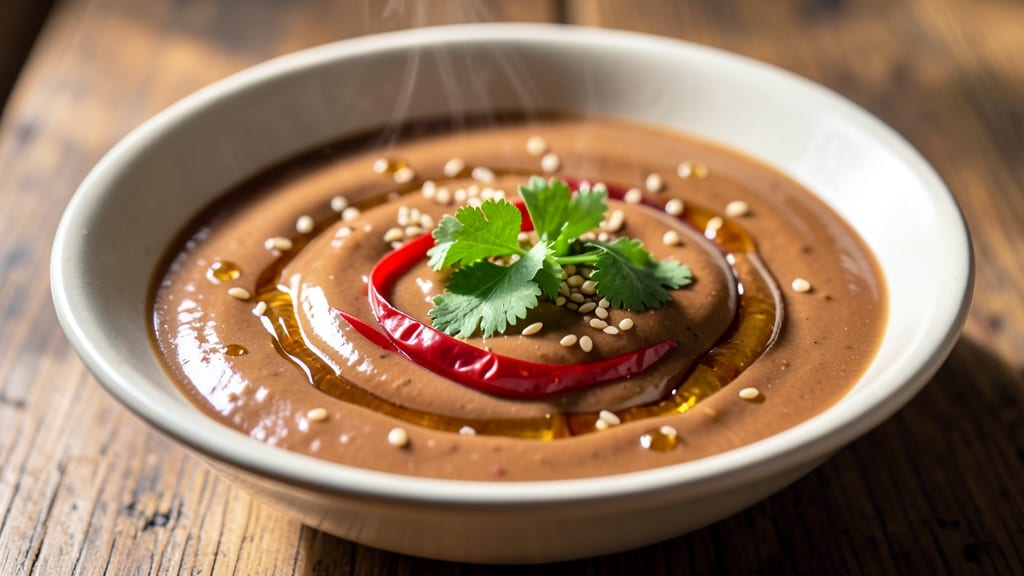
This Asian peanut dipping sauce recipe transforms simple pantry staples into a velvety, nutty-sweet sauce with a subtle spice kick that elevates everything from spring rolls to grilled meats.
The secret lies in balancing rich peanut butter with tangy lime and savory soy sauce, creating a harmony of flavors that's both addictive and versatile.
What makes this sauce stand out is its three-layered depth: creamy peanut butter provides richness, lime juice brightens the palette, and a touch of chili or sriracha delivers that signature spice kick without overpowering.
The ingredients come together in just 10 minutes, making it perfect for last-minute gatherings or meal prep.
Once mixed, this sauce delivers restaurant-quality flavor—thick enough to cling to crispy spring rolls or grilled chicken, yet smooth enough to drizzle over noodles or stir-fried vegetables. The nutty aroma alone makes it irresistible, while the perfect balance of sweet, tangy, and spicy ensures every bite is memorable.
Store it in the fridge for up to one week, or freeze for longer shelf life. Whether you're serving it at a party or keeping it on hand for weeknight dinners, this sauce transforms ordinary meals into something extraordinary with minimal effort.
Ingredients for asian peanut dipping sauce
Nine ingredients blend seamlessly for a restaurant-quality Asian peanut sauce with depth and balance.
| Ingredient | Amount | Notes |
|---|---|---|
| Creamy Peanut Butter 🥜 | ½ cup | Natural, unsweetened preferred |
| Soy Sauce 🍶 | ⅓ cup | Light or dark variety |
| Lime Juice 🍋 | ¼ cup | Freshly squeezed preferred |
| Rice Vinegar 🍶 | 2 tbsp | White or seasoned rice vinegar |
| Sesame Oil 🫒 | 1 tbsp | Toasted sesame oil preferred |
| Honey 🍯 | 2 tbsp | Pure, unprocessed honey |
| Sriracha 🌶️ | 1 tbsp | Adjust for heat preference |
| Garlic Cloves 🧄 | 2 cloves | Minced for aromatic depth |
| Ginger Root 🌿 | 1 tbsp | Freshly grated preferred |
| Water 💧 | ¼ cup | Room temperature preferred |
The peanut butter serves as the foundational element, and natural, unsweetened varieties deliver the richest flavor without artificial additives. For optimal results, source high-quality peanut butter from brands like Smucker's Natural or Crazy Richard's, which avoid hydrogenated oils. The soy sauce selection is equally critical—light soy sauce offers a cleaner profile, while dark soy sauce adds a deeper umami complexity. Fresh lime juice is non-negotiable; bottled versions lack the bright acidity needed to cut through the sauce's richness. When selecting sesame oil, opt for toasted varieties to enhance the nutty aroma, available at specialty Asian markets or well-stocked grocery stores like Whole Foods or Trader Joe's.
No peanut butter on hand? Substitute tahini at a 1:1 ratio, though the flavor profile will shift slightly toward sesame. Running low on soy sauce? Coconut aminos provide a gluten-free alternative, though the taste differs subtly. Fresh ginger and garlic can be swapped for powdered versions at half the amount, but the sauce will lack depth. For those avoiding honey, agave nectar or maple syrup work well, though honey's floral notes are unique. The sriracha can be omitted entirely for a milder sauce, or substituted with chili garlic sauce for a different spice profile. Adjust the water content based on desired thickness—start with less and add gradually to maintain the sauce's velvety texture.
This sauce thickens as it sits, so store it in an airtight container in the refrigerator for up to one week. For longer storage, freeze in ice cube trays and transfer to a sealed bag, maintaining freshness for up to three months. Before serving, whisk or blend briefly to restore smoothness. The sauce pairs exceptionally well with crispy spring rolls, grilled meats, or steamed vegetables, and its versatility makes it a staple for both weeknight meals and entertaining. Portion into small containers for easy dipping or drizzling, ensuring minimal waste and maximum convenience.
Why You'll Love This Recipe
- Five-Ingredient Magic: I swear, this sauce is the kind of recipe that makes you question why you ever bought store-bought. Just stir peanut butter, soy sauce, lime juice, rice vinegar, and sesame oil—no fancy techniques, no measuring cups that make you guess. Honestly, I’ve made it blindfolded (okay, maybe not, but you get the point).
- Umami Bomb: That first tangy hit of lime and soy sauce? Then the peanut butter swoops in like a creamy hug. Between us, the sesame oil adds this nutty aroma that makes it smell like a restaurant dish—even though I’m standing in my kitchen at midnight.
- Dip Everything: Between us, this isn’t just for spring rolls. I’ve used it on grilled chicken, roasted veggies, even as a quick stir-fry sauce. My kids ask for it on pizza crusts (don’t judge me). It’s the kind of versatile sauce that turns ordinary meals into something special without extra effort.
- Leftover Goldmine: Make a double batch—trust me, you will. It keeps for weeks in the fridge, and the flavor only deepens. I’ve had it last through three lunches, a potluck, and still tasted fresh. Plus, it’s cheap: a jar of peanut butter and a bottle of soy sauce stretch forever.
Step-by-step instructions for Asian peanut dipping sauce
This sauce delivers perfect balance—creamy peanut richness with bright acidity and a subtle heat kick.
Combine Wet Ingredients in a Saucepan
In a medium saucepan over medium-low heat, add the 0.5 cup creamy peanut butter and let it melt completely, stirring constantly. This takes about 2-3 minutes—you'll know it's ready when it becomes smooth and glossy. The peanut butter should coat the back of a spoon without any graininess.
Next, whisk in the 0.33 cup soy sauce and 0.25 cup lime juice. The mixture will bubble slightly as the acidity reacts with the peanut butter. Keep the heat at medium-low to prevent scorching while allowing the flavors to begin melding. This initial combination creates the sauce's foundational tanginess and umami depth.
Add Aromatics and Simmer
Reduce the heat to low and stir in the 2 cloves minced garlic, 1 tbsp grated ginger root, 2 tbsp honey, and 1 tbsp Sriracha. Let the mixture simmer gently for 5-7 minutes, stirring occasionally. You'll notice the aromatics release their oils and the sauce begins to thicken slightly. The ginger should become fragrant, and the garlic should infuse the sauce with its sharp, sweet notes.
Here's the thing—don't rush this step. The gentle simmer allows the ginger and garlic to develop their full flavor potential without burning. If the sauce starts to thicken too much, add 1-2 tablespoons of the 0.25 cup water to maintain a smooth, pourable consistency. The sauce should coat the back of a spoon but remain spreadable.
Incorporate Final Ingredients and Adjust Consistency
Remove the saucepan from heat and let it cool slightly for 2-3 minutes. This prevents the sesame oil from burning when added. Stir in the 1 tbsp sesame oil and 2 tbsp rice vinegar—the vinegar adds a bright, acidic contrast that cuts through the peanut richness. Taste the sauce and adjust the balance: need more heat? Add a pinch more Sriracha. Too thick? Thin with remaining water 1 tablespoon at a time.
The sauce should have a velvety texture with a smooth, glossy finish. If you prefer it slightly thinner for dipping, add more water. For a thicker consistency ideal for glazing, simmer uncovered for an additional 2-3 minutes to reduce. The final product should be perfectly balanced—creamy yet tangy, with just enough heat to linger.
Rest and Serve
Transfer the sauce to a clean jar or airtight container and let it rest at room temperature for 15-20 minutes. This resting period allows the flavors to fully integrate and the sauce to reach its optimal consistency. The peanut butter will continue to soften slightly, and the acidity will mellow, creating a more refined taste profile.
Serve immediately for the freshest flavor, or refrigerate for up to 1 week. Before serving chilled sauce, give it a quick whisk to restore its smooth texture. This sauce pairs beautifully with spring rolls, grilled meats, or fresh vegetables—its nutty-sweet profile with a hidden spice kick makes it incredibly versatile.
Pro Tips For Making Asian Peanut Dipping Sauce
- STIR IN STAGES: Mix the peanut butter first—just 1-2 tablespoons at a time with a splash of warm water—until smooth before adding the rest. I learned this the hard way: dumping it all in at once turns your sauce into a clumpy mess, no matter how much you whisk.
- USE SALTED SOY SAUCE: Skip the extra salt—most store-bought soy sauce already packs enough sodium. If you’re using low-sodium, add a pinch of sugar (½ teaspoon) to balance the flavor, or your sauce will taste flat.
- WHISK HOT, NOT COLD: Heat the sauce gently (just until warm, not boiling) while whisking—this helps the peanut butter emulsify instead of separating. I was skeptical until I tried it: cold peanut butter clumps like glue, but warm? Silky smooth every time.
- DILUTE THE SESAME OIL: Add sesame oil last, and only a teaspoon—any more overpowers the peanutty richness. If you’re nervous about burning your tongue, mix it into a tiny spoonful of sauce first, then stir it in. (Yes, even if you’re impatient like me.)
Make-ahead tips for leftovers
Prep Ahead Strategy
Make this sauce 2 days in advance for the best flavor development—the peanut butter and spices meld beautifully when stored. I recommend preparing it on a Sunday so it’s ready for midweek meals or last-minute gatherings.
Store in an airtight glass jar (like a Ball mason jar) in the fridge, where it thickens slightly over time. This actually enhances the texture—just whisk vigorously before serving to restore its silky smoothness. 💫
Freezer-Friendly Tips
For long-term storage, freeze the sauce in ice cube trays—this makes portion control effortless for dipping or glazing. Once frozen, transfer the cubes to a ziplock freezer bag and flatten to save space. Thaw overnight in the fridge, then whisk to restore consistency.
The sauce keeps its vibrant flavors for up to 3 months frozen, though I find it’s best used within 2 months for peak freshness. Label with the date to track freshness!
Batch Prep for Parties
Double or triple the recipe when hosting—this sauce disappears fast! I like making 4 cups for gatherings, storing it in small ramekins for easy serving. The nutty aroma alone draws guests in, and the balanced sweet-spicy profile pairs perfectly with spring rolls, grilled skewers, or even fries.
Keep one batch at room temperature for immediate use and refrigerate the rest. Pro tip: Add 1 extra tbsp of water to batches made ahead to prevent thickening during storage. ✨
Thawing & Reheating
If you’ve frozen the sauce, thaw it in the fridge overnight for the best results. For a quick fix, place the sealed jar in a bowl of warm water for 10-15 minutes—this gentle heat method preserves texture better than microwave reheating.
Once thawed, whisk vigorously to break up any separation. If the sauce seems too thick after reheating, thin it with 1 tsp of water or lime juice at a time. Avoid microwaving unless absolutely necessary, as it can make the sauce grainy. 🔥
Portion Control Hacks
Divide the sauce into small, reusable containers (like Glasslock containers) for easy dipping at parties or meal prep. A 2-ounce portion is perfect for one person’s appetizer needs. Label each container with the date and contents—this prevents mix-ups and ensures no one grabs an expired batch.
For kids’ parties, serve in mini mason jars with fun straws for dipping. The sauce’s rich color and aroma make it visually appealing, too!
Flavor Boost Before Serving
Give your prepped sauce a flavor refresh before serving by adding a dash of toasted sesame oil or a squeeze of fresh lime juice. I also like sprinkling crushed peanuts on top for extra crunch—this adds texture and a visual pop.
For a smoky twist, a pinch of smoked paprika works wonders. These final touches elevate the sauce from homemade to restaurant-quality in seconds. 💡
Nutrition facts
Frequently asked questions
Can I make this peanut sauce without peanut butter?
Yes! For a nut-free version, substitute ½ cup tahini (sesame paste) at a 1:1 ratio. The flavor will shift slightly toward sesame, but the creamy texture remains. For a more neutral base, try ½ cup coconut cream instead—it adds richness without nutty overtones. Adjust the lime juice slightly if using coconut cream, as it's less acidic.
How spicy should this sauce be?
The recipe includes 1 tbsp sriracha for mild heat, but adjust to taste! For a milder version, reduce to ½ tbsp or omit entirely. For extra kick, add ½ tsp chili flakes or 1 tsp gochujang. Always taste as you go—the sauce thickens as it cools, so add heat gradually.
What's the best way to thicken this sauce if it's too runny?
Simmer the sauce uncovered on low heat for 5-7 minutes while stirring occasionally. This evaporates excess moisture without burning. For instant thickening, mix 1 tsp cornstarch with 1 tbsp cold water, then stir into the warm sauce. Let it simmer for 1-2 minutes until thickened. Avoid adding peanut butter—it'll make the sauce grainy.
Can I use this sauce as a marinade?
While this sauce works best as a dip, you can use it as a marinade for grilled meats or tofu with modifications. Thin with 2 tbsp extra lime juice and 1 tbsp soy sauce, then marinate for 30-60 minutes (not longer, as the peanut butter can make meat mushy). Reserve some for serving after cooking—it's too rich to use all as marinade.
Why does my sauce separate when refrigerated?
Peanut butter-based sauces naturally separate when chilled due to oil content. Before serving, whisk vigorously or blend briefly with 1 tbsp warm water to restore smoothness. For prevention, stir in ½ tsp xanthan gum while warm (before refrigerating). This ingredient acts as a natural thickener and stabilizer. The separation doesn't affect taste—it's normal!