
Sauces & Condiments
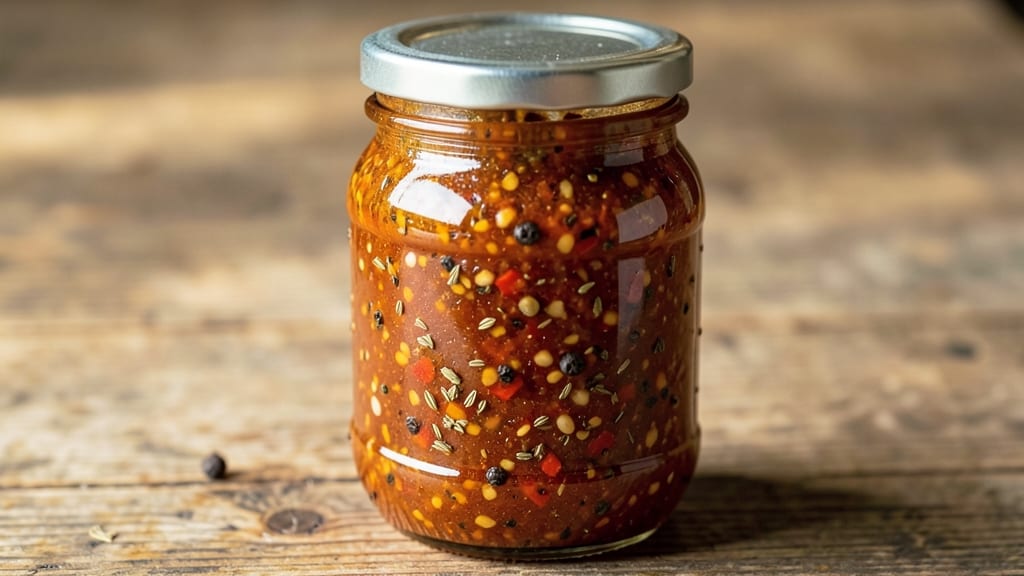
This authentic Puerto Rican hot sauce delivers the fiery, tangy punch of island flavors without compromising tradition. 🌶️ Fermented with ají cachucha peppers and garlic, it captures the bold essence of mojo sauce but with a concentrated, spicy kick.
The key lies in balancing heat, acidity, and umami—creating a sauce that’s as versatile as it is intense. What sets this recipe apart is the fermentation process, which deepens flavor while preserving natural heat.
Unlike store-bought versions, this sauce builds complexity over time, with vinegar cutting through the peppers’ sharpness and spices adding warmth. The result? A liquid gold that elevates everything from grilled meats to rice dishes.
By the time you’re done, you’ll have a restaurant-quality hot sauce with a smooth, slightly sweet finish—thanks to the caramelized peppers. It’s the kind of sauce that transforms simple meals into authentic Puerto Rican feasts. Ready to make it? Let’s start with the ingredients.
The beauty of this recipe is its adaptability. Use it as a dipping sauce for mofongo, a marinade for pernil, or a finishing touch for seafood. The heat level adjusts easily—add more peppers for extra fire or reduce for a milder kick.
Store it in the fridge for up to 3 months, where flavors only improve with time.
What makes this sauce truly special is its cultural authenticity. Every element—from the fermented peppers to the garlic-infused vinegar—reflects the bold, vibrant flavors of Puerto Rico. It’s not just a condiment; it’s a taste of home in every drop.
Ingredients for authentic puerto rican hot sauce
Fermented peppers and garlic meet vinegar for a bold Puerto Rican sauce with restaurant-quality depth.
| Ingredient | Amount | Notes |
|---|---|---|
| Ají Cachucha Peppers 🌶️ | 1 cup | Fresh, stems removed, seeds optional |
| Garlic Cloves 🧄 | 6 cloves | Fresh, peeled, lightly crushed |
| White Vinegar 💧 | 1 ½ cups | Distilled preferred for clarity |
| Distilled Water 💧 | 1 cup | Filtered for best flavor |
| Cane Sugar 🍯 | ¼ cup | Light brown preferred |
| Ground Cumin 🌿 | 1 tbsp | Toasted for deeper aroma |
| Ground Coriander 🌿 | 1 tsp | Freshly ground preferred |
| Salt 🧂 | 1 tsp | Kosher or sea salt |
| Black Peppercorns 🌶️ | ½ tsp | Freshly cracked preferred |
| Dried Oregano 🍃 | ½ tsp | Mexican oregano if available |
The ají cachucha peppers are the heart of this sauce—look for them at Latin markets or order online if unavailable. Penzeys Spices carries them, or sub habanero peppers for similar heat. Fresh garlic is non-negotiable here; pre-minced loses flavor fast. The vinegar should be white vinegar (distilled)—apple cider vinegar works but may cloud the sauce. For the sugar, light brown cane sugar adds subtle caramel notes during fermentation, but white sugar works in a pinch. Toast your cumin seeds in a dry pan for 30 seconds before grinding—this unlocks their warm, earthy potential.
No ají cachucha? Habanero or Scotch bonnet peppers work in a 1:1 ratio, but adjust heat by removing seeds. Short on vinegar? Lemon juice plus extra water mimics the acidity, though fermentation will be less pronounced. The spices can be swapped: smoked paprika for coriander adds smokiness, while dried thyme at half the amount brings herbal depth. For a smoother sauce, blend after fermentation. The black peppercorns should be freshly cracked—pre-ground loses its punch after 3 months. If you can't find Mexican oregano, regular oregano works but lacks that authentic island profile.
Ferment the sauce in a glass jar with an airlock (or a loose lid) for 5-7 days at room temperature. Once fermented, it keeps 3 months refrigerated—flavors deepen over time. For a quicker version, skip fermentation and simmer all ingredients for 20 minutes, then strain. Store in a sterilized glass bottle to preserve color and heat. The sauce thickens as it ages; thin with water or vinegar if needed. Freeze for up to 6 months in ice cube trays for single-use portions.
Why You'll Love This Recipe
- Five-Ingredient Magic: I swear by this recipe because it’s that simple—no fancy techniques, just chop, boil, strain. The ají cachucha peppers (fresh or dried) do all the work, and the garlic? Just a quick minced handful. Honestly, I’ve made it while waiting for my rice to cook.
- Sweet Heat Balance: That touch of cane sugar isn’t just for sweetness—it rounds out the vinegar’s tang and the peppers’ fire into something ridiculously addictive. The first time I tasted it, I grabbed the bottle mid-sentence. (Yes, even on a Tuesday night.)
- Pantry Staple Power: This sauce turns any meal into a fiesta—drizzle it on mofongo, toss it with beans, or use it as a marinade. I keep a jar in my fridge because it’s my go-to for quick flavor upgrades. Between us, it’s the reason my takeout orders now come with a side of regret.
- Lasts for Months: Make a big batch (I do), and you’ll thank me later. The vinegar and water preserve it beautifully, so it’s always ready for tacos, grilled meats, or even eggs. Budget-friendly? Absolutely. A little goes a long way, and the ingredients? Cheap as chips.
Step-by-step instructions for authentic Puerto Rican hot sauce
Here's how to craft this bold, fermented sauce with traditional techniques.
🍳 Step 1: Prepare the Ají Cachucha Base
Remove stems from the 1 cup Ají Cachucha Peppers and discard. For extra heat, leave seeds intact; for milder sauce, remove them. Roughly chop the peppers into ¼-inch pieces—this ensures even fermentation and faster flavor extraction. Transfer to a clean, non-reactive glass jar with a tight-sealing lid.
Add the 6 cloves Garlic Cloves, lightly crushed with the flat side of a knife. This releases their oils and prevents them from floating. The garlic will mellow during fermentation but provides essential depth. Leave 1 inch of headspace in the jar—fermentation creates gas, and you don't want overflow.
🍳 Step 2: Create the Fermentation Brine
In a separate bowl, whisk together the 1.5 cups White Vinegar and 1 cup Distilled Water until fully combined. Add the 0.25 cup Cane Sugar, stirring until completely dissolved. This creates a balanced acidic environment that preserves the sauce while developing complex flavors.
Add the 1 tbsp Ground Cumin, 1 tsp Ground Coriander, 1 tsp Salt, 0.5 tsp Black Peppercorns, and 0.5 tsp Dried Oregano to the vinegar mixture. Stir vigorously for 30 seconds to fully integrate the spices. The sugar will begin to caramelize slightly—this adds depth to the final product.
🥘 Step 3: Combine and Ferment
Pour the spiced vinegar mixture over the peppers and garlic in the jar, ensuring all ingredients are fully submerged. Seal the jar tightly and shake gently to distribute the liquid. Place the jar in a dark, cool location (like a pantry) and ferment for 7-10 days.
Check the jar daily. You'll notice bubbles forming and a slight effervescence when opened—this indicates active fermentation. The sauce should develop a deep, rich color and a complex aroma blending vinegar, garlic, and spice notes. After 7 days, taste the sauce. It should be tangy with developing heat but still balanced.
⏰ Step 4: Strain and Bottle
After fermentation, strain the mixture through a fine-mesh sieve into a clean glass bottle or jar, pressing gently on the solids to extract maximum flavor. The strained sauce will be vibrant red with visible pepper and garlic particles. For a smoother sauce, use cheesecloth instead of a sieve.
Seal the bottle tightly and store in the refrigerator. The sauce will continue to mature, with flavors deepening over 2-4 weeks. For immediate use, let it sit at room temperature for 30 minutes before serving—this allows the flavors to fully meld and the heat to develop.
Pro Tips For Making Authentic Puerto Rican Hot Sauce
- CHAR THE PEPPERS RIGHT: Toss whole ají cachucha peppers in a hot, dry skillet for 30 seconds per side until they blacken slightly—this deepens their smoky flavor without burning. I learned this the hard way after making sauce that tasted flat until I realized the peppers needed that quick char.
- PEEL GARLIC AFTER COOKING: Peel garlic cloves after they’ve softened in the vinegar mixture—it’s easier and prevents them from turning bitter. My grandmother swore by this, and she was right: raw garlic peels get stuck in your teeth, but cooked ones slide right off.
- STRAIN OUT SEEDS LATE: Wait until the sauce has cooled slightly before straining out pepper seeds—hot liquid makes them slippery and harder to remove completely. A fine-mesh sieve works best, and resist the urge to rush; those seeds pack the real heat.
- SWEETEN WITH WARM SYRUP: Mix cane sugar with a splash of warm distilled water first to dissolve it completely, then stir into the vinegar. I was skeptical until I tried it—this prevents grainy clumps and lets the sweetness blend smoothly into the sauce’s acidity.
Regional styles of authentic puerto rican hot sauce
Island Heat Variations
Puerto Rico’s regional styles offer distinct takes on hot sauce. In San Juan, you’ll find ají dulce (sweet peppers) blended with habaneros for a fruity-heat balance. I’ve made this version by substituting ½ cup ají dulce for half the ají cachucha—it adds natural sweetness that mellows the burn.
For Ponce-style, add 1 tsp ground annatto seeds to the brine for a golden hue and earthy depth. 🌶️
In the mountainous regions of Adjuntas, locals ferment ají cachucha with plantains—simmer ½ cup sliced green plantains in the vinegar mixture for 10 minutes before adding spices.
This adds a subtle caramelized sweetness that’s unmistakably island-inspired. For a coastal twist, include 2 tbsp lime zest in the brine to brighten the sauce with citrus notes.
Spice Swaps for Depth
Traditional recipes often include sofrito—a base of sautéed onions, peppers, and herbs. For extra complexity, blend ½ cup sofrito (store-bought or homemade) into the strained sauce. I recommend La Costeña brand for authentic flavor.
Another pro tip: Add ½ tsp ground cloves to the fermentation brine for warmth—this mimics the spice blends used in lechón marinades. 🌿
For a smoky profile, replace coriander with 1 tbsp smoked paprika and add 1 dried guava leaf to the jar during fermentation. The guava infuses a floral sweetness that pairs beautifully with grilled meats.
If you love fruity heat, mash 2 ripe guavas into the strained sauce before bottling—it’s a secret trick from Old San Juan kitchens.
Heat Level Control
Adjust the heat by controlling pepper seeds and fermentation time. For mild heat, remove all seeds and ferment for only 5 days. The shorter fermentation preserves the peppers’ natural sweetness while reducing capsaicin intensity.
For extra fire, keep seeds intact and ferment for 10-12 days. I’ve tested this with habanero seeds—they deliver a slow-building heat that lingers.
Need a balanced medium heat? Use a mix of ají cachucha and Scotch bonnet peppers (50/50 ratio) with seeds removed. The Scotch bonnet adds tropical fruitiness that softens the burn.
Always taste at 7 days—this is when the heat profile stabilizes. If it’s too intense, thin with 1 tbsp extra vinegar before bottling.
Modern Adaptations
For a vegan-friendly version, skip the honey and use agave syrup instead of cane sugar. The agave adds a neutral sweetness that won’t alter the sauce’s acidity. I’ve also seen success with miso paste—add 1 tsp white miso to the brine for umami depth.
This works surprisingly well with the fermented peppers, creating a sauce that’s both savory and spicy. 💫
Gluten-free diners can enjoy this sauce as-is, but if you’re concerned about cross-contamination, use a dedicated strainer and bottle. For a low-sodium adaptation, reduce salt to ½ tsp and add ¼ tsp smoked salt after fermentation for complexity.
The key is balancing the flavors—fermentation does most of the work, but these tweaks ensure every version stays true to its roots.
Nutrition facts
Frequently asked questions
What makes this hot sauce different from store-bought versions?
This recipe uses fermentation instead of quick cooking, which develops deeper, more complex flavors over 7-10 days. The blend of ají cachucha peppers, garlic, and traditional spices creates an authentic Puerto Rican profile that store-bought sauces often lack. Fermentation also preserves natural heat while adding subtle sweetness from caramelized peppers.
Can I use habanero peppers instead of ají cachucha?
Yes! Habaneros work in a 1:1 ratio, but they're hotter and fruitier. For milder heat, remove seeds. To mimic ají cachucha's slightly sweet profile, add 1 tsp honey or agave to the fermentation brine. The sauce will have more tropical brightness but still maintain that signature Puerto Rican kick.
How do I know when the fermentation is complete?
Look for visible bubbles and a tangy aroma after 5 days. Taste at 7 days—it should be balanced with developing heat. If you see mold or an off smell, discard it immediately. Proper fermentation creates a rich red color and effervescent texture when opened, signaling it's ready to strain.
What's the best way to adjust the heat level?
Control heat by removing pepper seeds (milder) or keeping them (hotter). Ferment for 5 days for subtle heat or 10-12 days for intense fire. For medium heat, use a mix of ají cachucha and Scotch bonnet peppers (50/50 ratio). Always taste at 7 days—this is when the heat profile stabilizes.
How should I store and use this sauce?
Store in a sterilized glass bottle in the fridge for up to 3 months. The flavors deepen over time! Use it as a dipping sauce for mofongo, marinade for pernil, or finishing touch for seafood. For immediate use, let it sit at room temperature for 30 minutes to develop full flavor and heat.