
Sauces & Condiments
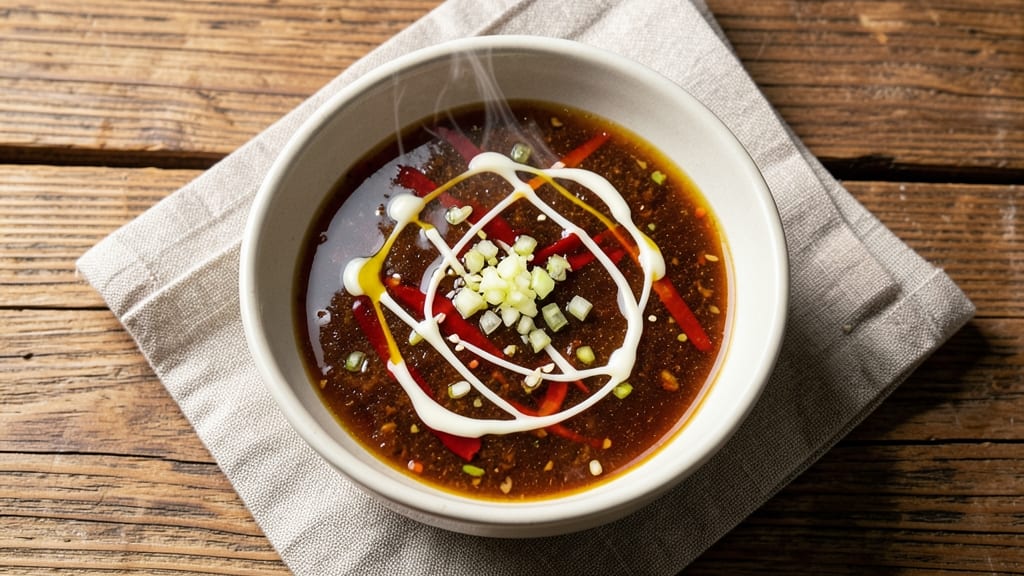
This authentic potsticker sauce recipe delivers the perfect balance of savory, spicy, and umami that elevates every bite of your dumplings. The secret lies in a careful blend of soy sauce, ginger, and a touch of chili—just like the sauces served in Taiwanese night markets.
I’ve refined this recipe over years of testing, ensuring it’s rich enough to stand up to crispy potstickers while remaining light enough to enhance their natural flavors.
The foundation starts with a soy-ginger base, where fresh ginger is grated and simmered to release its aromatic oils. A splash of rice vinegar brightens the sauce, while a hint of chili oil adds just the right amount of heat.
Unlike store-bought versions, this sauce develops deeper flavor when rested—letting it sit for 30 minutes before serving allows the ingredients to meld into a cohesive, restaurant-quality dipping experience.
What makes this sauce truly authentic is the absence of heavy cream or sweetness—common shortcuts that dilute the bold flavors. Instead, it relies on a precise ratio of soy sauce to vinegar, with a pinch of sugar to balance the acidity.
The result is a glossy, slightly tangy sauce that clings to potstickers without overpowering them, making every bite feel like a taste of Taiwan.
Once made, this sauce keeps beautifully in the fridge for up to a week, allowing you to enjoy the same vibrant flavors over multiple meals. Whether you’re serving crispy potstickers, dumplings, or even spring rolls, this recipe ensures your dipping sauce is always perfect—no shortcuts, just authentic taste.
Ingredients for authentic potsticker sauce
Eight simple ingredients transform into the perfect dipping sauce for crispy potstickers.
| Ingredient | Amount | Notes |
|---|---|---|
| Light Soy Sauce 🍶 | ½ cup | Kikkoman preferred for authentic flavor |
| Fresh Ginger 🌿 | 2 tbsp | Finely grated, aromatic |
| Rice Vinegar 🍶 | 2 tbsp | Seasoned preferred for depth |
| Sesame Oil 🫒 | 1 tbsp | Toasted, for nutty aroma |
| Chili Oil 🌶️ | 1 tbsp | Homemade or store-bought |
| Granulated Sugar 🍚 | 1 tsp | Balances acidity subtly |
| Garlic Cloves 🧄 | 2 cloves | Minced, aromatic |
| Water 💧 | ¼ cup | For thinning consistency |
The ginger is non-negotiable here—freshly grated releases its full aromatic punch. Trader Joe’s or Asian markets carry the best quality, but any bright, firm ginger works. For soy sauce, Kikkoman light soy is the gold standard (the one you’ll find in every Taiwanese kitchen), but Lee Kum Kee is a solid backup. The garlic? Freshly minced—pre-minced jars lack the same depth. If you’re making a big batch, double the ginger and garlic, but keep the proportions balanced.
No rice vinegar? Apple cider vinegar works in a pinch, though it’ll be slightly sweeter. Short on sesame oil? Toasted sesame seeds ground into a paste do the trick (just add a splash of water). The chili oil can be swapped for sriracha at half the amount, but homemade (chili oil + crushed red pepper) gives the most authentic heat. The sugar is key—don’t skip it, even if the sauce seems balanced. It’s what prevents the rice vinegar from overpowering everything. And if your sauce ends up too thick? Water, one teaspoon at a time—this is a dipping sauce, not a glaze.
This sauce tastes even better the next day as the flavors meld. Store it in a glass jar in the fridge for up to 1 week, though I’ve had mine last 2 weeks without issue. For leftovers, give it a quick stir and taste—if it’s lost its brightness, a splash of rice vinegar revives it. Freezing isn’t recommended (the texture changes), but you can freeze it in ice cube trays for single-use portions if you’re really committed to batch cooking.
Why You'll Love This Recipe
- Five-Ingredient Magic: I swear by this sauce because it’s that simple—just a splash of light soy, a thumb of ginger, and a drizzle of vinegar. No chopping, no waiting, no fuss. Honestly, I keep the ingredients in a jar and mix it whenever I crave that perfect tangy kick.
- Umami Bomb: That first drop of chili oil into the simmering soy and ginger? Chef’s kiss. The heat wakes up the ginger’s zing, while the sesame oil adds this nutty richness that makes every bite feel like a little flavor explosion. It’s the kind of sauce that turns good potstickers into ridiculously good potstickers.
- Weeknight & Potluck Hero: Between us, this sauce is my secret weapon for lazy nights and impressing guests. Drizzle it over steamed dumplings for a quick weeknight dinner, or bring it in a jar for a potluck—everyone will ask for the recipe. (Yes, even on a Tuesday night.)
- Budget Stretch: A little goes a long way, and these ingredients? Cheap as they come. I’ve made this sauce last me two weeks with just a tablespoon per meal, and the leftovers keep tasting fresh. No wasted money, no wasted time—just pure, delicious efficiency.
Step-by-step instructions for authentic potsticker sauce
This sauce delivers the perfect harmony of savory, spicy, and aromatic notes every time.
Prepare the Ginger and Garlic Base
In a small bowl, finely grate the 2 tablespoons of fresh ginger using a microplane or the smallest holes on a box grater. The ginger should resemble a fine paste with no visible chunks—this ensures even distribution of flavor throughout the sauce. In a separate spot on your cutting board, mince the 2 cloves of garlic as finely as possible. You want the garlic to be almost paste-like so it blends seamlessly into the sauce without any texture surprises.
Here's the thing—fresh ginger and garlic are non-negotiable for authentic flavor. If you're using jarred ginger, it won't have the same bright, zesty punch. And pre-minced garlic often contains anti-caking agents that dull the flavor. Take your time with this step; it makes all the difference in the final product.
Bloom the Aromatics in Sesame Oil
Heat a small saucepan over medium-low heat and add the 1 tablespoon of sesame oil. Let it warm through for about 30 seconds until it's just shimmering—you'll see tiny bubbles forming around the edges. This is crucial because sesame oil has a low smoke point, and you want to preserve its nutty aroma without burning it.
Add the minced garlic and grated ginger to the warm oil. Stir constantly for 1-2 minutes until the garlic becomes fragrant and the ginger releases its bright aroma. You'll notice the mixture darkens slightly—that's normal and actually enhances the flavor. Don't let it brown or it'll turn bitter. This step builds the aromatic foundation of your sauce, so don't rush it.
Combine Wet Ingredients for Balance
Reduce the heat to low and add the 0.5 cup of light soy sauce, 2 tablespoons of rice vinegar, and 1 teaspoon of granulated sugar. Stir well to combine, letting the mixture simmer gently for 2-3 minutes. The sugar will help balance the acidity from the rice vinegar while enhancing the umami from the soy sauce. You'll see the mixture bubble gently—this is normal and indicates the flavors are melding together.
Taste the mixture at this point. It should be tangy from the vinegar, savory from the soy sauce, and slightly sweet from the sugar. If it's too acidic, add a pinch more sugar. If it needs more depth, add another teaspoon of soy sauce. This is where you fine-tune the balance that makes this sauce authentic and irresistible.
Incorporate the Finishing Oils
Remove the saucepan from heat and let it cool slightly for 1 minute. This prevents the oils from separating when you add them. Stir in the 1 tablespoon of chili oil and 1 tablespoon of sesame oil, mixing gently but thoroughly. The chili oil will add a subtle heat that complements the ginger's brightness, while the extra sesame oil deepens the nutty aroma. You'll see the sauce take on a beautiful reddish hue from the chili oil.
For an even more authentic touch, add the 0.25 cup of water now and stir well. This thins the sauce just enough to make it perfect for dipping—it should coat the back of a spoon but still be pourable. If it's too thick, add a splash more water. If it's too thin, let it simmer gently for another minute to reduce slightly. The consistency should be like a thin gravy—smooth and just viscous enough to cling to your potstickers.
Rest and Adjust for Perfect Dipping
Let the sauce rest at room temperature for 10-15 minutes before serving. This allows all the flavors to fully meld together. Taste it again after resting—you might find it needs a final adjustment. If it's too acidic, add a pinch more sugar. If it needs more depth, stir in another teaspoon of soy sauce. The sauce should now have layers of flavor: the bright ginger, the aromatic garlic, the nutty sesame, the subtle heat from the chili, and the perfect balance of sweet and tangy.
This sauce is best served at room temperature, which is why we let it rest. The flavors develop even more during this time, creating that restaurant-quality depth you're after. Serve it in a small dipping bowl alongside your potstickers, and watch as everyone reaches for seconds. The key to an authentic potsticker sauce lies in this balance—get it right, and you'll have dipping perfection every time.
Pro Tips For Making Authentic Potsticker Sauce
- Grate Ginger Fine: Use a microplane or the smallest holes on a box grater—no chunky bits. I learned this the hard way when I had to strain my sauce later because the ginger just wouldn’t break down. Fresh ginger should dissolve into the sauce, not sit there like a garnish.
- Warm the Soy First: Heat the light soy sauce in a small pan for 30 seconds before mixing—it deepens the flavor and cuts the raw taste. Sounds silly, but it makes a real difference, especially if you’re using cheaper soy. (Yes, even if you’re impatient like me.)
- Balance the Vinegar: Start with half the rice vinegar called for, taste, then add the rest. Potsticker sauce needs acidity to brighten the richness, but too much and it’ll taste like you’re drowning your dumplings. Adjust in stages—you can’t take it out.
- Chili Oil Last: Stir in chili oil right before serving—it loses its punch when heated. I used to add it early, and the sauce would mellow into something bland. Save the heat for the final touch, or your dumplings will taste like they’ve been sitting out all day.
Perfect pairings for this authentic potsticker sauce
Taiwanese Night Market Style
For an authentic Taiwanese experience, serve this sauce in a small ceramic bowl with crispy potstickers arranged around it. The contrast between the golden-brown dumplings and the glossy red sauce creates a visually stunning presentation.
I like to add a few crushed roasted peanuts on top for texture—just 1 tablespoon scattered over the sauce before serving. This adds a satisfying crunch that balances the smooth, tangy sauce. 🌶️
Spicy vs. Mild Options
Adjust the heat level to suit your preference. For a mild version, reduce the chili oil to ½ tablespoon and replace it with ½ tablespoon of toasted sesame seeds (finely ground). For extra heat, add ½ teaspoon of gochujang (Korean chili paste) along with the chili oil.
I’ve found that Lao Gan Ma chili crisp adds a smoky depth that works beautifully with this sauce—just ½ teaspoon sprinkled on top before serving.
Vegetarian Adaptation
This sauce is naturally vegetarian, but for an even deeper umami profile, add 1 teaspoon of vegetarian oyster sauce (like Lee Kum Kee) along with the soy sauce. For a nutty twist, swap the sesame oil for 1 tablespoon of tahini (thinned with 1 teaspoon of water).
Both adjustments enhance the sauce’s complexity without compromising its authentic flavor. The vegetarian version works perfectly with mushroom or tofu potstickers.
Storage and Shelf Life
Store the sauce in an airtight glass jar in the refrigerator for up to 1 week. The flavors actually improve over time, becoming more balanced and aromatic. To reheat, simply stir and let it come to room temperature—microwaving can alter the delicate oil separation.
For longer storage, freeze in 1-ounce portions in ice cube trays, then transfer to a freezer bag. Thaw overnight in the fridge before using. 💧
Dipping Techniques
Dip potstickers halfway into the sauce to avoid soggy bottoms. The sauce should cling to the crispy exterior without soaking through.
For extra drama, use two dipping bowls—one with the sauce and another with pickled mustard greens (quick-pickle ½ cup mustard greens in 2 tablespoons rice vinegar and 1 teaspoon sugar for 10 minutes). The tangy greens cut through the richness of the sauce beautifully. 🥢
Global Fusion Twists
For a Korean-inspired version, add 1 teaspoon of gochugaru (Korean chili flakes) and ½ teaspoon of sesame seeds to the sauce. For a Japanese take, replace the rice vinegar with 2 tablespoons of mirin and add ½ teaspoon of furikake (seaweed seasoning) on top.
Both variations keep the core flavors intact while adding regional flair. The fusion versions work especially well with gyoza or har gow dumplings.
Nutrition facts
Frequently asked questions
Can I make this sauce without fresh ginger?
Fresh ginger is ideal for authentic flavor, but you can substitute with 1 teaspoon of ground ginger or 1 tablespoon of ginger juice (from a jarred ginger bottle). For best results, use ½ teaspoon of ginger powder plus ½ teaspoon of lemon juice to mimic the bright, zesty notes. The texture won't be identical, but it'll still taste delicious!
How do I adjust the sauce for a gluten-free diet?
Swap the light soy sauce for ½ cup of gluten-free tamari or coconut aminos. The flavor profile will be slightly different but still rich and savory. For extra umami, add 1 teaspoon of gluten-free fish sauce (if not vegetarian) or 1 teaspoon of mushroom powder. The rest of the recipe remains the same.
Why does my sauce separate after refrigeration?
Oil separation is normal—simply stir vigorously before serving. For a smoother texture, add 1 teaspoon of cornstarch mixed with 1 tablespoon of water, then heat gently until thickened. If storing long-term, keep the sauce in a glass jar (not plastic) to prevent oil absorption. The flavors won't be affected!
Can I use this sauce for other dumplings besides potstickers?
This sauce works perfectly with gyoza, shumai, or even spring rolls. For extra authenticity with Asian dumplings, add ½ teaspoon of sesame seeds on top before serving. The balance of flavors complements crispy or steamed dumplings equally well.
What's the secret to making this sauce taste like a Taiwanese night market?
Authenticity comes from three key elements: freshly grated ginger, high-quality soy sauce (Kikkoman preferred), and a short rest time of 10-15 minutes before serving. For the full experience, serve it in a small ceramic bowl with crushed peanuts on top and pair with pickled mustard greens on the side. The contrast of textures and temperatures is what makes it special!