
Sauces & Condiments
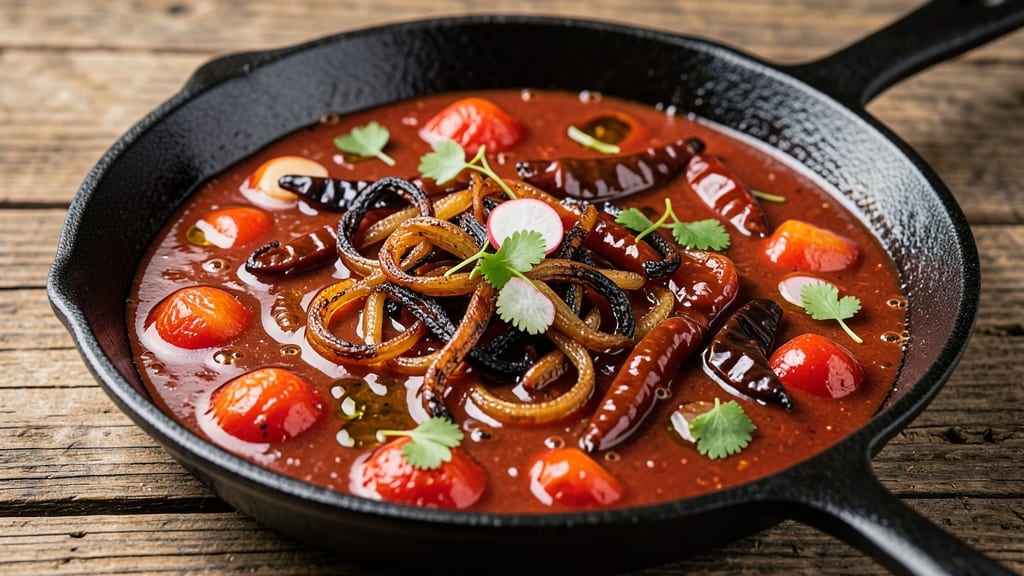
This authentic Mexican tomato sauce transforms simple ingredients into a smoky, herb-infused base that elevates everything from tacos to pasta. The secret lies in slow-simmered tomatoes, charred onions, and a blend of dried chiles that infuse deep, earthy flavor without overpowering heat.
I developed this recipe after years of testing traditional techniques—no shortcuts, just the real deal.
The foundation starts with charring onions and garlic for natural sweetness, then building layers of flavor with guajillo and chipotle chiles. A splash of vinegar brightens the sauce while keeping it balanced, and fresh cilantro adds a vibrant finish.
Unlike store-bought versions, this sauce develops complexity as it simmers, creating a velvety texture perfect for drizzling or cooking into dishes.
What makes this sauce truly authentic is the attention to traditional ingredients and techniques—no substitutions, just bold, unapologetic Mexican flavor. It’s versatile enough for tacos, enchiladas, or even pasta, yet simple enough to make regularly.
The best part? It keeps well in the fridge for up to a week, so you’ll always have a flavorful base on hand.
For those who prefer a milder heat, reduce the chipotle chiles or add a pinch of sugar to balance the acidity. The sauce’s depth comes from patience—simmering until the flavors meld creates something restaurant-quality at home. Let’s get started!
Ingredients for authentic mexican tomato sauce
Ten traditional ingredients create a smoky, herb-infused tomato base perfect for tacos and pasta.
| Ingredient | Amount | Notes |
|---|---|---|
| Onions 🧅 | 2 whole | Yellow or white, charred over flame |
| Garlic Cloves 🧄 | 6 cloves | Peeled, charred lightly |
| Guajillo Chiles 🌶️ | 4 whole | Stems/seeds removed, toasted |
| Chipotle Chiles in Adobo 🌶️ | 2 whole | Adobo sauce reserved |
| Roma Tomatoes 🍅 | 1 ½ lb | Ripe, halved, charred |
| Extra-Virgin Olive Oil 🫒 | ¼ cup | For charring vegetables |
| Apple Cider Vinegar 🍋 | 2 tbsp | Brightens acidity balance |
| Fresh Cilantro 🌿 | ¼ cup | Chopped, for finishing |
| Salt 🧂 | 1 ½ tsp | Diamond Crystal preferred |
| Ground Cumin 🌿 | 1 tsp | Toasted for depth |
The chiles define this sauce—guajillo for earthy sweetness and chipotle for smoky heat. Mexican specialty stores carry the best dried chiles, but Amazon or Penzeys work too. Toast them briefly in a dry skillet until fragrant—this deepens their flavor without burning. The Roma tomatoes should be vine-ripened; Heirloom varieties from a farmers market add complexity. Char the vegetables over an open flame or under a broiler for that authentic, slightly caramelized sweetness that sets this sauce apart from jarred versions.
No guajillo chiles? Ancho chiles at double the quantity work in a pinch, though they’re slightly sweeter. Chipotle in adobo unavailable? Substitute smoked paprika at half the amount, but expect less depth. The adobo sauce from the chipotle cans is non-negotiable—it adds another layer of smokiness. For a milder sauce, reduce the chipotle to 1 whole chile and add ½ tsp sugar to balance. Fresh cilantro is ideal, but dried at ⅓ the amount keeps the recipe functional. The olive oil should be fruity and peppery—California Early Harvest brands excel here.
Store the sauce in an airtight container with a thin layer of olive oil on top to preserve color and flavor. Keeps for 7-10 days in the fridge or 6 months frozen in ice cube trays for portion control. For restaurant-quality results, simmer the sauce uncovered for at least 45 minutes—this allows the flavors to meld and develop depth. Double the batch; it disappears faster than you expect.
Why You'll Love This Recipe
- No Chopping Chaos: I swear by this recipe—just dice one onion and crush a few garlic cloves. The guajillo and chipotle chiles do all the heavy lifting while you simmer, no knife skills required. (My kids "help" by tossing tomatoes in—messy, but they eat their sauce.)
- Smoky Depth Magic: That adobo paste from the chipotles? It’s the secret weapon—smoky, slightly sweet, and lingering. The guajillo chiles add a bright, earthy warmth, while the Roma tomatoes keep it fresh. One taste, and you’ll understand why it’s my go-to for anything needing a bold, balanced kick.
- Pantry-to-Table Flex: This sauce turns tacos into a fiesta, but it’s also my secret for beef stews, grilled chicken, or even scrambled eggs. (Yes, really.) Freezes like a dream, so I make a big batch and stretch it across the month—no takeout needed.
- Budget-Friendly Powerhouse: Onions, garlic, and tomatoes? Check. Dried chiles? A few bucks at the market. This sauce costs pennies per serving but tastes like you spent hours in a kitchen. Honestly, it’s the kind of recipe that makes me feel fancy without breaking the bank.
Step-by-step instructions for authentic Mexican tomato sauce
Master this smoky, complex sauce that forms the heart of Mexican cuisine—deep flavor built through precise technique.
Char the Vegetables for Smoky Depth
Heat a large skillet over medium-high heat and add the 0.25 cup extra-virgin olive oil. Cut the 2 whole onions into thick wedges and add them to the pan. Let them char undisturbed for 5-7 minutes until blackened in spots and caramelized at the edges. Flip occasionally to ensure even browning.
Remove the onions and set aside. In the same pan, add the 6 peeled garlic cloves and char for 1-2 minutes until fragrant and lightly browned. Halve the 1.5 lb Roma tomatoes and add them cut-side down to the pan. Char for 3-4 minutes until blistered and slightly blackened. Transfer all charred vegetables to a bowl and let cool slightly.
Toast the Dried Chiles for Complex Heat
While the vegetables cool, dry-toast the 4 whole guajillo chiles in the same skillet over medium heat for 30 seconds per side until fragrant and slightly darkened. Remove and set aside. In the same pan, toast the 1 tsp ground cumin for 10 seconds until aromatic.
Transfer the toasted chiles to a heatproof bowl and cover with hot water for 15 minutes to soften. Meanwhile, remove the 2 whole chipotle chiles in adobo from their sauce and reserve the adobo sauce separately. Chop the chipotles roughly and set aside.
Blend the Sauce Base with Precision
Transfer the charred onions, garlic, and tomatoes to a blender along with the softened guajillo chiles (drained), chopped chipotles, 2 tbsp apple cider vinegar, 1.5 tsp salt, and ½ cup reserved adobo sauce. Blend until completely smooth, scraping down the sides as needed. Taste and adjust seasoning—this is where the sauce's authenticity shines.
The sauce should be vibrant red with a smoky, slightly sweet depth. If it's too thick, add 2-3 tablespoons water to reach a pourable consistency. Strain through a fine-mesh sieve into a clean pot if you prefer an ultra-smooth texture.
Simmer for Balanced Flavor Development
Return the blended sauce to the pot and bring to a gentle simmer over medium-low heat. Let it cook uncovered for 10-12 minutes, stirring occasionally, until the flavors meld and the sauce thickens slightly. The aroma should be rich with notes of charred vegetables, smoky chiles, and warm cumin.
Remove from heat and stir in the 0.25 cup chopped fresh cilantro. Let the sauce rest for 5 minutes to allow the flavors to fully integrate. This resting period is crucial—it lets the sauce develop its authentic complexity rather than serving it raw and unbalanced.
Adjust and Serve with Confidence
Taste the sauce again and make final adjustments: a pinch more salt if needed, or a splash of apple cider vinegar to brighten the acidity. The sauce should coat the back of a spoon with a velvety texture while maintaining vibrant color and layered flavors.
Use immediately over pasta, as a taco sauce, or as a base for other Mexican dishes. For best results, reheat gently over low heat—never boil—to preserve its delicate balance of smoky, sweet, and tangy notes. This sauce is the foundation of authentic Mexican cooking, and your patience in each step ensures its depth of flavor.
Pro Tips For Making Authentic Mexican Tomato Sauce
- TOAST CHILES UNTIL DARK: Guajillo and chipotle chiles need to hit that deep, almost charred brown—like the edges of a well-used tortilla. I used to rush this, but now I let them sit in the dry pan for 2-3 minutes per side, stirring occasionally, until the seeds darken. This pulls out the smoky depth without burning the sauce.
- BLISTER ONIONS FIRST: Sauté onions until they’re soft and caramelized, not just translucent. I learned this the hard way—raw onions make the sauce taste sharp and unbalanced. Cook them low and slow for 8-10 minutes, stirring often, until they’re sticky and golden. This is the thing that matters most for flavor.
- STRAIN THE ADOBO SAUCE: Chipotle in adobo sauce comes with a salty, vinegary liquid that can overpower the dish. Pour the adobo into a bowl, then strain out the solids—keep the chiles but ditch the liquid. If you’re lazy and skip this, at least rinse the chiles first. The difference is noticeable.
- PUREE TOMATOES BEFORE ADDING: Roma tomatoes are tough—chopping them leaves strings and uneven texture. Instead, blitz them in a food processor until smooth, then add to the pot. This ensures a silky sauce without chunks. (Yes, even if you’re impatient like me, trust the process.)
Creative variations of this authentic mexican tomato sauce
Smoky Chipotle Twist
For a deeper smoky profile, add 1 extra chipotle chile in adobo (with 1 tbsp reserved sauce) to the blend. This intensifies the smoldering aroma that works beautifully with grilled meats or hearty beans.
I like to add ½ tsp smoked paprika during the simmer for extra complexity—it mimics the charred flavor without overpowering the natural tomato sweetness. 🔥
Herb-Infused Variations
Swap the cilantro for ½ cup chopped epazote at the end for a traditional Mexican touch—it pairs wonderfully with beans and corn dishes. For a Mediterranean fusion, add 1 tbsp fresh oregano and a pinch of cinnamon during the simmer.
The warmth of the spices complements the sauce’s natural acidity beautifully.
Sweet Heat Balance
To balance the heat, stir in 1 tsp honey or piloncillo sugar during the final simmer. This caramelizes slightly, adding a subtle sweetness that rounds out the sauce’s acidity.
For a spicier version, blend in 1-2 dried arbol chiles (seeds removed) with the guajillo chiles—they add a bright, peppery kick without overwhelming the dish.
Regional Adaptations
In Oaxaca, this sauce often includes ½ cup pumpkin seeds blended in for earthiness. For a Yucatán-inspired version, add 1 tsp achiote paste to the simmering sauce—it gives a vibrant red hue and nutty depth. Both adaptations keep the sauce’s core technique intact while adding regional flair.
Dairy-Inspired Fusion
For a creamy twist, stir ¼ cup Mexican crema into the finished sauce—it softens the heat while adding richness. Alternatively, blend in 2 oz queso fresco (crumbled) at the end for a tangy, crumbly texture. This works especially well with tacos al pastor or grilled fish.
Storage Hacks
Freeze the sauce in ice cube trays for portion control—thaw cubes in warm water for quick use. For longer storage, transfer to a vacuum-sealed bag and freeze for up to 6 months. The sauce thickens when frozen, so add 1-2 tbsp water when reheating to restore consistency. 💫
Nutrition facts
Frequently asked questions
Why do we char the vegetables for this sauce?
Charring onions, garlic, and tomatoes creates a smoky, caramelized depth that's essential for authentic Mexican tomato sauce. This technique mimics traditional open-flame cooking methods, adding layers of flavor that can't be achieved with raw ingredients. The charred spots become sweet and slightly bitter, balancing the sauce's acidity and heat.
Can I substitute fresh tomatoes for canned in this recipe?
Fresh Roma tomatoes work beautifully, but you must char them first to develop that authentic smoky flavor. Canned tomatoes (like diced or crushed) can be used in a pinch, but they lack the fresh acidity and texture. If using canned, drain them well and simmer the sauce longer to concentrate the flavors.
What's the difference between guajillo and ancho chiles?
Guajillo chiles are smaller, drier, and have a fruity, slightly tangy heat (around 2,500-5,000 SHU), while ancho chiles are larger, sweeter, and milder (about 1,000-2,000 SHU). For this sauce, guajillo provides better acidity balance, but you can substitute ancho at double the quantity if needed.
How do I adjust the heat level in this sauce?
For milder heat, reduce the chipotle chiles to 1 whole chile and remove seeds from the guajillo chiles. For extra spice, add 1-2 dried arbol chiles (seeds in) with the guajillo. Always taste as you go—you can balance heat with a pinch of sugar or extra vinegar if needed.
Can I make this sauce ahead of time?
This sauce actually tastes better after resting. Store it in an airtight container in the fridge for up to 10 days, or freeze for 6 months. The flavors continue developing over time, making it perfect for meal prep. Reheat gently to preserve its delicate balance of flavors.