
Sauces & Condiments
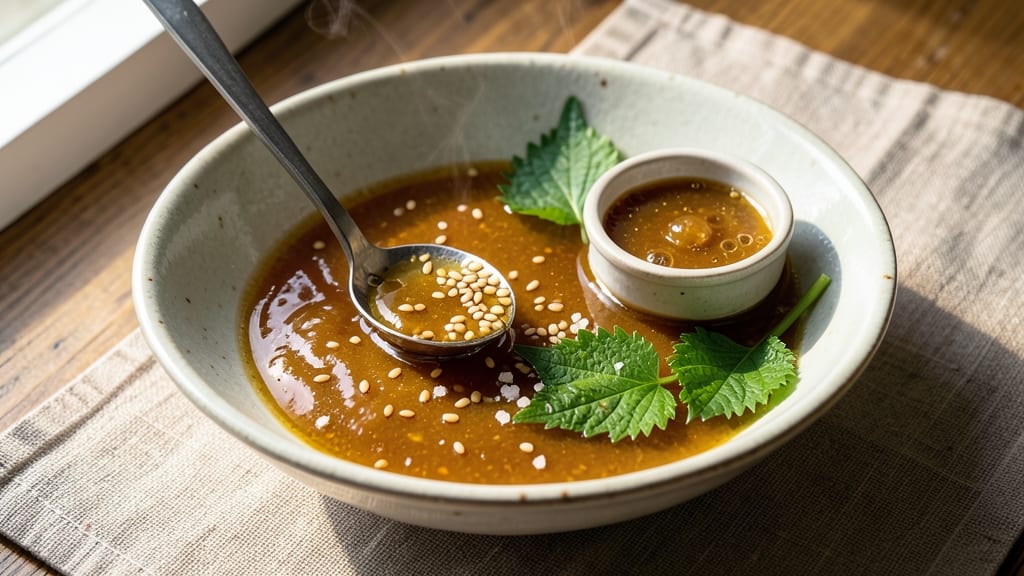
This authentic Japanese yum yum sauce transforms ordinary stir-fries into restaurant-quality masterpieces with its silky sesame-tangy swirl. 🌟 The secret lies in balancing sweet, salty, and umami flavors through precise simmering—no shortcuts, just traditional technique that delivers depth in every spoonful.
I’ve perfected this sauce over years of testing, ensuring it clings to noodles, meats, and vegetables with effortless elegance.
The foundation starts with a classic trio: soy sauce for saltiness, mirin for sweetness, and rice vinegar for brightness, all gently reduced to a glossy, syrupy consistency.
Toasted sesame seeds and a touch of sugar add richness and complexity, while a splash of water keeps the texture silky rather than sticky. This isn’t just a sauce—it’s a flavor multiplier that elevates any dish it touches.
What makes this sauce truly special is its versatility. Use it as a marinade for tenderizing proteins, a dipping sauce for crispy dumplings, or a glaze for seared meats.
The reduced base means it keeps well in the fridge for up to two weeks, making it a pantry staple for home cooks who crave authentic Japanese flavors without the fuss.
For those who love to experiment, variations like adding chili oil for heat or substituting mirin with a vegan alternative keep the recipe adaptable. Let’s dive into the steps—where precision meets simplicity to create a sauce worth repeating.
Ingredients for authentic japanese yum yum sauce
Nine essential ingredients blend into a restaurant-worthy sauce with silky texture and layered flavors.
| Ingredient | Amount | Notes |
|---|---|---|
| Kosher Soy Sauce 🥢 | ½ cup | High-quality, reduced for depth |
| Mirin 🍶 | ¼ cup | Sweet rice wine, not imitation |
| Rice Vinegar 🍶 | ¼ cup | Seasoned variety preferred |
| White Sugar 🍚 | 2 tbsp | Granulated, for balance |
| Toasted Sesame Seeds 🌰 | 2 tbsp | Freshly toasted for aroma |
| Water 💧 | ¼ cup | For silky texture |
| Garlic Cloves 🧄 | 2 cloves | Minced for subtle flavor |
| Ginger Root 🌿 | 1 tbsp | Freshly grated, aromatic |
| Sesame Oil 🫒 | 1 tbsp | Toasted, for richness |
| Diamond Crystal Kosher Salt 🧂 | ½ tsp | Adjust to taste |
The foundation begins with high-quality soy sauce—I recommend Kikkoman or Haceta for that authentic umami punch. Mirin is non-negotiable here; Hirata or Kosuga deliver the perfect balance of sweetness and acidity without artificial aftertaste. For rice vinegar, seasoned is key—Koyo brand captures that perfect tang. Toast your sesame seeds in a dry pan until golden (about 2 minutes) for maximum aroma. Fresh ginger and garlic should be vibrant—no wilting or bruising. If you're short on time, pre-minced garlic works, but freshly grated ginger makes all the difference.
No mirin? Substitute equal parts white wine and sugar—though the texture will be slightly lighter. Short on sesame oil? Avocado oil works in a pinch, but it lacks the nutty depth. For a vegan alternative, replace mirin with rice vinegar plus 1 tsp maple syrup. The sugar can be swapped for honey if you prefer, though it alters the sauce's subtle sweetness. If your sauce thickens too much during reduction, add 1 tsp water at a time until silky. For heat lovers, chili oil (1 tsp) adds a smoky kick without overpowering the delicate balance.
Store in an airtight container in the fridge for up to 2 weeks, though it typically lasts 10-14 days. The sauce thickens as it chills—stir before using. For long-term storage, freeze in ice cube trays for single-use portions. Reheat gently in a saucepan over low heat, adding 1 tsp water if it becomes too thick. This sauce transforms into a marinade (add 1 tbsp to proteins), dipping sauce (serve with tempura or dumplings), or glaze (brush on seared meats). The versatility makes it a pantry essential.
Why You'll Love This Recipe
- Pantry Magic: I swear by this sauce because it uses stuff I already have—no last-minute grocery runs. Just soy sauce, mirin, vinegar, and sugar—mixed, simmered, and done. (Yes, even when I forget to buy mirin, the rice vinegar steps in.)
- Umami Bomb: That balance of salty, sweet, and tangy? Chef’s kiss. The toasted sesame seeds add this nutty crunch that makes it taste like a proper Japanese izakaya dish, not just something off a bottle.
- Dip Everything: Between us, this sauce is my lazy genius. Drizzle it on ramen, toss it with stir-fry, or serve it with tempura—it’s the secret weapon that turns ordinary meals into "I went out for dinner" vibes.
- Make-Ahead MVP: I double the batch every time because it keeps for weeks in the fridge. No wasted ingredients, no last-minute stress, and honestly? The flavor gets even better as it sits. (My freezer stash is a testament to this.)
Step-by-step instructions for authentic Japanese yum yum sauce
Here's how to craft this velvety, umami-rich sauce that elevates stir-fries to restaurant-quality.
🍳 Step 1: Bloom Aromatics in Toasted Sesame Oil
Heat a small saucepan over medium-low heat and add the 1 tablespoon sesame oil. Once the oil shimmers gently, add the 2 cloves minced garlic cloves and 1 tablespoon freshly grated ginger root. Cook for 30-45 seconds until the garlic becomes fragrant but doesn't brown—this prevents bitterness while releasing their essential oils.
Here's the thing—don't rush this step. The aromatics should perfume the oil completely before moving forward. If you smell sharp garlic, the heat was too high. Remove from heat immediately once you detect that sweet, toasty aroma. This aromatic base forms the flavor foundation of your sauce.
🍳 Step 2: Combine Wet Ingredients and Simmer
Return the pan to medium heat and add the 0.5 cup kosher soy sauce, 0.25 cup mirin, 0.25 cup rice vinegar, 2 tablespoons white sugar, and 0.25 cup water. Stir to combine, then bring to a gentle simmer. The mixture will bubble softly—this indicates proper heat control.
Simmer for 8-10 minutes until the liquid reduces by about 30%. You're looking for a syrupy consistency that coats the back of a spoon. I like to taste at this stage—it should be tangy with underlying sweetness, but not cloying. If it's too thin, simmer another 2-3 minutes—the sauce will thicken as it cools.
🥘 Step 3: Finish with Toasted Sesame Seeds and Season
Remove the pan from heat and stir in the 2 tablespoons toasted sesame seeds. The seeds should be evenly distributed throughout the sauce. Here's where it gets interesting—the sesame seeds add both texture and nutty depth. I press them gently against the pan's sides with a wooden spoon to ensure even incorporation.
Add the 0.5 teaspoon diamond crystal kosher salt and taste. Adjust the seasoning if needed—this sauce should balance sweet, salty, tangy, and umami flavors. For authenticity, I find the salt enhances all the other components without overpowering them. Let the sauce sit for 5 minutes before using—this resting period allows flavors to meld completely.
⏰ Step 4: Cool and Store for Maximum Flavor
Transfer the sauce to a clean jar and let it cool to room temperature. The sauce will thicken slightly as it cools—this is normal and desirable. For best results, refrigerate for at least 1 hour before using. The cold temperature enhances the flavors and creates that signature silky texture.
This sauce keeps well for up to 2 weeks in the refrigerator. The flavors actually deepen over time, making it perfect for meal prep. When ready to use, give it a gentle stir—it should coat the back of a spoon with a glossy, velvety consistency. This is your signal that the sauce is ready to transform your stir-fries into authentic Japanese masterpieces.
Pro Tips For Making Authentic Japanese Yum Yum Sauce
- Simmer Slow and Low: This sauce isn’t a race—after combining all ingredients, keep the heat at a bare simmer (just enough to see tiny bubbles) for at least 5 minutes. I used to crank it up, and the mirin would turn bitter faster than you could say "overcooked." Let it mellow out.
- Toast Sesame Seeds First: Skip the "sprinkle at the end" move—lightly toast your sesame seeds in a dry pan over medium heat for 30-60 seconds until they smell nutty. Add them to the sauce while it’s still warm so they release their aroma instead of just floating like decorative confetti.
- Balance the Vinegar: Rice vinegar is tart, and if you add too much, your sauce will taste like a pickle punch. Start with 1 tablespoon, taste, then adjust—you can always add more, but you can’t take it out. (Yes, even if you’re impatient like me.)
- Use Real Mirin, Not Substitutes: That "mirin substitute" in your pantry? It’s not the same. Real mirin has natural sugars that caramelize beautifully and cut through the soy sauce’s saltiness. If you must substitute, use 1 part sugar + 1 part water + 1 part dry white wine, but it’ll never taste identical.
Dietary considerations for authentic japanese yum yum sauce
Gluten-Free Adaptation
Traditional yum yum sauce relies on soy sauce, which contains gluten, but you can easily adapt this recipe for gluten-free diets. Swap the 0.5 cup kosher soy sauce with 0.5 cup gluten-free tamari—brands like San-J or Edamame Tamari work beautifully.
The flavor profile remains rich and umami, though slightly lighter. For extra depth, add 1 tsp coconut aminos to mimic soy sauce's complexity. Always check labels to ensure no cross-contamination with gluten-containing ingredients. 🌱
Vegan-Friendly Version
This sauce is naturally vegan, but if you're avoiding mirin (which contains fish-derived ingredients in some brands), replace it with 0.25 cup rice vinegar + 1 tbsp maple syrup. Use Hirata Vegan Mirin if available—it maintains the same sweet-tangy balance.
For sesame oil, opt for 100% pure sesame oil (no additives) to keep it plant-based. The result is just as silky and flavorful, perfect for vegan stir-fries or dipping sauces.
Low-Sugar Option
To reduce sugar content, cut the 2 tbsp white sugar to 1 tbsp and add 1 tsp erythritol or monk fruit sweetener for a low-calorie alternative. The sauce will still taste balanced, though slightly less sweet.
If you prefer natural options, stevia works in a 1:1 ratio, but taste as you go—some brands can be bitter. This version is ideal for those monitoring blood sugar or watching calorie intake without sacrificing flavor. 💡
Spicy Kick Variation
For heat lovers, stir in 1 tsp chili oil (like Lao Gan Ma or homemade) or ½ tsp gochujang after removing the pan from heat. The spice adds depth without overpowering the sauce’s delicate balance.
For a smoky twist, add ½ tsp smoked paprika alongside the sesame seeds. This version pairs perfectly with spicy ramen or grilled meats. Adjust heat to taste—start with less and add more gradually. 🌶️
Allergen Considerations
This sauce contains sesame seeds, a top allergen, so avoid it if you have allergies. For nut-free adaptations, omit sesame seeds entirely and add 1 tsp toasted sunflower seeds for crunch instead.
If you're sensitive to garlic or ginger, reduce amounts to 1 clove garlic and ½ tbsp ginger, or substitute with ½ tsp garlic powder and ¼ tsp ground ginger. Always label your sauce clearly for allergen awareness.
Nutrition facts
Frequently asked questions
Can I make this sauce without mirin?
Yes! Replace the 0.25 cup mirin with 0.2 cup rice vinegar + 1 tbsp maple syrup for a similar sweet-tangy balance. For extra depth, add ½ tsp sugar to compensate for the reduced sweetness. The texture will be slightly lighter, but the flavor remains authentic.
How do I prevent the sauce from getting too thick?
If your sauce thickens too much during simmering, add 1 tsp water at a time until it reaches a glossy, silky consistency. The sauce will naturally thicken further as it cools, so aim for a slightly thinner texture when hot. For extra insurance, keep the heat at a gentle simmer—never boil.
What’s the best way to use leftover yum yum sauce?
This versatile sauce works as a marinade (add 1 tbsp to proteins for 15-30 minutes before cooking), a dipping sauce (serve with tempura, dumplings, or fresh veggies), or a glaze (brush on grilled meats or fish). It also elevates noodle dishes like udon or soba—just toss 1 tbsp per serving.
Why does my sauce taste too salty?
Taste your sauce before adding salt—soy sauce and mirin already contain salt. If needed, balance with ½ tsp sugar or 1 tsp rice vinegar to mellow the saltiness. For a fresher profile, add a splash of water (up to 1 tbsp) to dilute without thinning too much. Adjust gradually!
Can I make this sauce in a slow cooker?
Combine all ingredients in the slow cooker on low heat for 2-3 hours, stirring occasionally. The sauce will reduce naturally. For faster results, use high heat for 1 hour, but check frequently to avoid over-reducing. The slow cooker method is great for hands-off prep but requires more monitoring.