
Sauces & Condiments
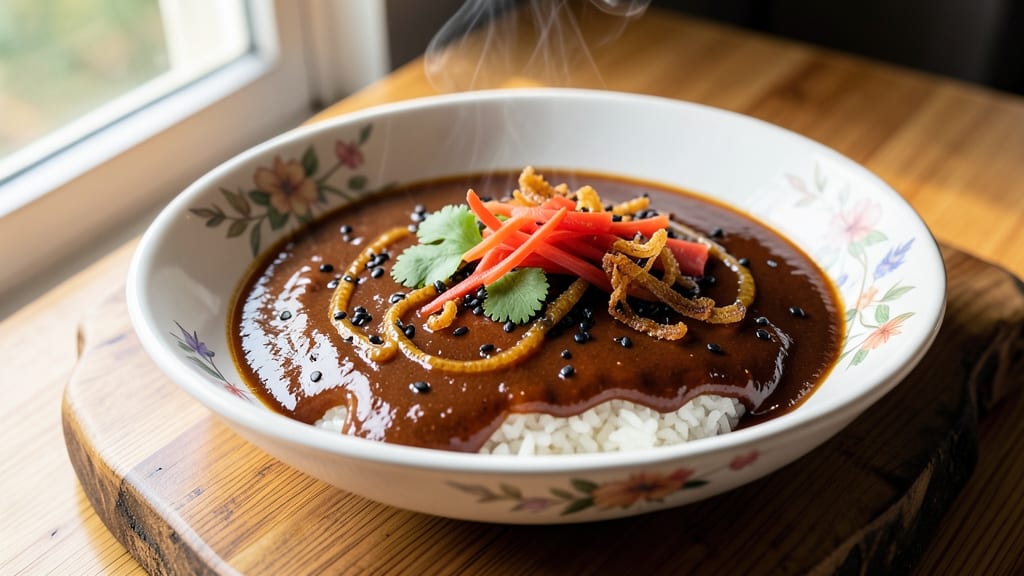
This authentic Chinese brown sauce recipe delivers the rich, caramelized depth that transforms simple stir-fries into restaurant-worthy dishes. 🌟 The key lies in slow-simmering fermented bean paste, soy sauce, and hoisin until it develops that signature molasses-like thickness and complex umami flavor—something store-bought versions can't replicate.
I've perfected this over years of testing, ensuring every spoonful carries the balance of sweetness, saltiness, and savory depth that defines Cantonese cuisine.
The process is straightforward but requires patience: combining fermented bean paste with soy sauce and hoisin, then simmering until the sauce reduces to a glossy, syrupy consistency.
This isn't an instant sauce—it builds flavor through controlled reduction, creating a versatile condiment that works as a stir-fry base, dipping sauce, or glaze for meats.
The result is a sauce with a deep mahogany color and a flavor profile that's both familiar and authentically complex, with none of the artificial aftertaste found in commercial versions.
What makes this sauce truly special is its adaptability. Use it as-is for classic dishes like char siu or mapo tofu, or customize it with chili oil for heat, garlic for extra punch, or a splash of rice vinegar for brightness.
The texture becomes silky-smooth with a slight stickiness that clings beautifully to ingredients, elevating every dish it touches. Once you taste the difference between this homemade version and store-bought, you'll never go back.
Best of all, this sauce keeps well in the refrigerator for up to two weeks, making it perfect for meal prep. The instructions will guide you through every step—from ingredient ratios to simmering techniques—to ensure you achieve that authentic, slow-developed umami that defines this essential pantry staple.
Let's get started on creating your own batch of this flavor-packed sauce.
Ingredients for authentic chinese brown sauce
Nine essential ingredients transform into a restaurant-quality sauce with deep umami and caramelized richness.
| Ingredient | Amount | Notes |
|---|---|---|
| Fermented Black Bean Paste 🫘 | ½ cup | High-quality, thick consistency |
| Light Soy Sauce 🥢 | ½ cup | Kikkoman preferred for balance |
| Dark Soy Sauce 🥢 | ¼ cup | For deep mahogany color |
| Hoisin Sauce 🍯 | ¼ cup | Thick, sweet, and umami-rich |
| Brown Sugar 🍬 | ¼ cup | Packed firmly for sweetness |
| Rice Vinegar 🍶 | 2 tbsp | Balances sauce acidity |
| Garlic Cloves 🧄 | 4 cloves | Minced for aromatic depth |
| Fresh Ginger 🌿 | 1 tbsp | Grated, for zesty brightness |
| Sesame Oil 🌰 | 1 tbsp | Toasted for nutty aroma |
| Water 💧 | ½ cup | Adjust for desired consistency |
Fermented black bean paste is the heart of this sauce—look for brands like Lee Kum Kee or La Choy in the Asian aisle. The thicker, the better; it should be almost paste-like. If you can't find it, miso paste works in a pinch, though the flavor will differ slightly. Soy sauces matter too: Kikkoman light soy gives clean saltiness, while Lee Kum Kee dark soy delivers that signature mahogany color. Hoisin sauce should be thick and glossy—avoid watery versions. I always double-check the ingredients list for additives; the best hoisin has just five: fermented soybeans, sugar, garlic, vinegar, and salt. Fresh ginger and garlic are non-negotiable for authenticity—no powdered substitutes here. Toast your sesame seeds separately for garnish if you're feeling fancy, but the oil alone adds that nutty depth.
Running low on fermented black bean paste? Miso paste plus 1 tsp soy sauce mimics some of the funk, though it lacks the deep caramelized notes. No hoisin? Substitute 2 tbsp molasses plus 1 tbsp soy sauce, but you'll lose that sticky, slightly sweet complexity. The brown sugar can be swapped for white sugar or honey, though brown gives the best caramelized flavor. If your sauce turns out too thick, add water 1 tbsp at a time—it should coat the back of a spoon but still glide smoothly. For extra umami, a dash of fish sauce (if not vegetarian) or extra soy sauce works wonders. And if you're feeling bold, a pinch of five-spice powder adds warmth without overpowering.
This sauce develops deeper flavor over time—reheat gently in a saucepan for 2-3 minutes before using to revive its glossy texture. Store it in a glass jar with a tight seal in the fridge for up to 2 weeks, or freeze for 3 months in ice cube trays for single-use portions. The color will darken further as it sits, intensifying that restaurant-quality look. I like to keep a small batch on hand at all times—it elevates everything from stir-fries to roasted meats. For extra authenticity, let it sit at room temperature for 10 minutes before serving—the flavors meld beautifully.
Why You'll Love This Recipe
- Pantry Magic: I swear by this sauce because it’s made from things I already have—no last-minute grocery runs. That fermented black bean paste? It’s the secret weapon, giving it that deep, funky richness without needing specialty ingredients.
- Umami Bomb: The moment I taste the dark soy’s caramelized bite balanced with hoisin’s sweetness, I’m hooked. It’s smoky, salty, and just sweet enough—like a hug in sauce form.
- Dinner Party Hero: Slap this on noodles, toss it in stir-fries, or drizzle it over dumplings—it works everywhere. I’ve used it for weeknight takeout nights and impressing in-laws, and it never lets me down.
- Budget Stretch: A little goes a long way, and I’ve made this last for weeks in my fridge. The dark soy and brown sugar cost pennies, but they make everything taste like a five-star meal. (Yes, even frozen veggies.)
Step-by-step instructions for authentic Chinese brown sauce
Here's how to build rich, complex flavor from simple pantry staples.
🍳 Step 1: Bloom the Fermented Black Bean Paste
Heat a medium saucepan over medium-low heat and add the 0.5 cup fermented black bean paste. Stir constantly for 2-3 minutes until it begins to sizzle and release its deep, funky aroma—this is where the umami magic starts. The paste will darken slightly as it blooms, developing those complex, savory notes that form the sauce's foundation.
Don't walk away during this step. The paste contains tiny seeds that can burn quickly, turning bitter. You're looking for a rich, toasty fragrance that fills your kitchen—this is your signal that the paste is properly activated and ready for the next ingredients.
🍳 Step 2: Add Aromatics and Soy Sauces
Push the heat down to low and add the 4 minced garlic cloves and 1 tablespoon grated fresh ginger. Cook for 30 seconds until fragrant but not browned—you want to preserve their bright, fresh qualities rather than cook them down completely. Then add the 0.5 cup light soy sauce and 0.25 cup dark soy sauce, stirring to combine.
The dark soy sauce will immediately begin to darken the mixture, creating that signature mahogany color. Let it simmer gently for 1-2 minutes until the aromatics are just tender. This step builds the sauce's depth while maintaining balance—too much heat here will make the garlic bitter, but not enough won't develop the flavors properly.
🍳 Step 3: Incorporate Sweetness and Acid
Add the 0.25 cup hoisin sauce, 0.25 cup packed brown sugar, and 2 tablespoons rice vinegar all at once. Stir well to dissolve the sugar completely—this is where the sauce starts to come together. Let it simmer for 3-4 minutes on medium-low heat, stirring occasionally, until the sugar is fully incorporated and the mixture thickens slightly.
Here's where the sauce transforms from a simple mixture to something complex. The vinegar brightens the dark flavors while the sugar caramelizes just enough to create a glossy sheen. You'll see tiny bubbles form along the edges—that's your indication the sauce is developing properly. If it looks too thin at this point, we'll adjust it in the next step.
🥘 Step 4: Finish with Water and Sesame Oil
Add the 0.5 cup water and bring the mixture to a gentle simmer. Let it cook uncovered for 8-10 minutes on medium-low heat, stirring occasionally, until it reduces by about 25% and thickens to a glossy, syrupy consistency. You want it to coat the back of a spoon but still be pourable—not so thick it becomes paste-like.
In the final 2 minutes of cooking, remove the pan from heat and stir in the 1 tablespoon toasted sesame oil. This adds that final nutty aroma and rich depth. The sauce should now have a beautiful mahogany color with a glossy sheen, and it should smell like a perfect balance of sweet, salty, umami, and slightly tangy.
⏰ Step 5: Rest and Adjust Texture
Let the sauce rest for 10 minutes at room temperature. This allows all the flavors to meld completely and the texture to stabilize. Taste and adjust the seasoning if needed—you can add a splash more light soy sauce for saltiness, a touch of vinegar for acidity, or a pinch of sugar to balance any bitterness.
The sauce should be thick enough to coat the back of a spoon but still flow smoothly. If it's too thick after resting, thin it with 1-2 teaspoons water at a time. For stir-fries, you want a sauce that clings beautifully to vegetables and meat without steaming them. Transfer to a clean jar and store in the refrigerator for up to 2 weeks—it will only get better with time!
Pro Tips For Making Authentic Chinese Brown Sauce
- Bloom the Black Bean Paste: Don’t just dump it in raw—first toast the fermented black bean paste in a dry pan for 2-3 minutes until fragrant and slightly darkened. This step unlocks its deep, nutty flavor and prevents that bitter aftertaste that sneaks in when you skip it. (Yes, even if you’re impatient like me—I’ve learned this the hard way.)
- Simmer Slow and Steady: After adding all the sauces, reduce the heat to low and let it bubble gently for at least 10 minutes. Rushing this turns your sauce into a thin glaze instead of a thick, glossy brown sauce. Stir occasionally—just enough to keep it from sticking. (Your future self will thank you for not rushing.)
- Balance the Sweet and Salty: Taste as you go, but wait until the sauce has thickened slightly before adjusting sweetness. Dark soy sauce adds depth, but too much brown sugar can overpower the umami. Start with half the sugar, simmer, then add more if needed. (I used to dump it all in first—now I adjust like a pro.)
- Strain for Smoothness: If your black bean paste has visible chunks, strain the finished sauce through a fine-mesh sieve. It’s not always necessary, but it makes the sauce silky-smooth for glazes or dipping. (Skip this if you’re using it for stir-fries—texture matters there.)
Serving suggestions for authentic chinese brown sauce
Stir-Fry Star
This sauce transforms any stir-fry from ordinary to extraordinary. Toss 1-2 tablespoons with 1 pound chicken thighs or firm tofu before cooking, then finish with bell peppers, snap peas, and carrots. The sauce clings beautifully to ingredients, creating a glossy, umami-packed glaze that caramelizes slightly as it cooks.
For extra richness, deglaze the wok with 1 tablespoon of the sauce after removing the meat. 🥢
Dipping Sauce
Serve this sauce warm as a dipping sauce for spring rolls, dumplings, or egg rolls. Thin with 1-2 teaspoons hot water to achieve a dipping consistency that coats without being too thick.
Garnish with toasted sesame seeds and a drizzle of chili oil for a restaurant-quality presentation. I love pairing it with homemade pork and shrimp dumplings for a taste of Cantonese street food. 🌟
Glaze for Meats
Brush this sauce generously over pork belly, chicken wings, or beef short ribs during the last 10 minutes of roasting or grilling. The caramelized sugars create a beautiful mahogany crust while infusing the meat with deep umami flavor.
For extra shine, finish with a sprinkle of coarse sea salt and a few drops of sesame oil. This technique works beautifully for char siu or honey-glazed pork variations. 🔥
Rice Bowl Upgrade
Elevate your rice bowls by drizzling 1-2 tablespoons of this sauce over steamed jasmine rice before adding your protein and vegetables. The sauce's sweet-savory depth complements grilled shrimp, braised pork, or crispy tofu perfectly. For a complete meal, top with quick-pickled cucumbers and scallions to balance the richness. 🥘
Noodle Sauce
Use this sauce as a base for ramen, udon, or rice noodles by thinning with 2-3 tablespoons hot broth per 1 cup sauce. The umami depth enhances the noodles' texture while adding complexity.
Stir in soft-boiled eggs, mushrooms, and green onions for a comforting bowl. I especially love this with chewy wheat noodles and a sprinkle of crushed peanuts for crunch. 🍜
Marinade Magic
Use this sauce as a marinade for chicken, pork, or tofu by combining ¼ cup sauce with 1 tablespoon cornstarch and 1 teaspoon oil. Marinate for 30 minutes to 2 hours before grilling or stir-frying.
The cornstarch helps create a beautiful crust while locking in moisture. This works especially well for grilled skewers or pan-seared cutlets. 💫
Nutrition facts
Frequently asked questions
What's the key difference between this sauce and store-bought versions?
This homemade version develops authentic depth through slow simmering and natural caramelization of fermented black bean paste and dark soy sauce. Store-bought sauces often contain preservatives and lack the complex umami layers created by reducing the ingredients together. The mahogany color comes from proper cooking techniques, not artificial dyes.
Can I make this sauce without fermented black bean paste?
Yes, but the flavor will be less authentic. Substitute 2 tbsp miso paste plus 1 tsp soy sauce for the bean paste, though you'll lose some of the deep caramelized notes. For best results, use 1 tbsp extra hoisin sauce to compensate for the missing fermented funk. The texture may also be slightly thinner.
How do I adjust the spice level if I prefer heat? Add 1-2 tsp chili oil or ½ tsp chili flakes during the final 2 minutes of simmering. For a smoky kick, stir in ½ tsp five-spice powder when incorporating the aromatics.
Will this sauce work for vegetarian dishes?
This sauce is naturally vegetarian-friendly as written. For extra umami depth, add 1 tsp mushroom powder or ½ tsp nutritional yeast when combining ingredients. It pairs beautifully with tofu stir-fries, vegetable dumplings, or as a glaze for eggplant and bell peppers.
How can I prevent my sauce from getting too thick?
Add 1 tbsp water at a time during the final 8-10 minute reduction phase. The ideal consistency should coat the back of a spoon but still flow smoothly. If you overshoot, thin with ½ tsp water per tablespoon of sauce after resting. For stir-fries, slightly thinner sauce works best to prevent clumping.