
Sauces & Condiments
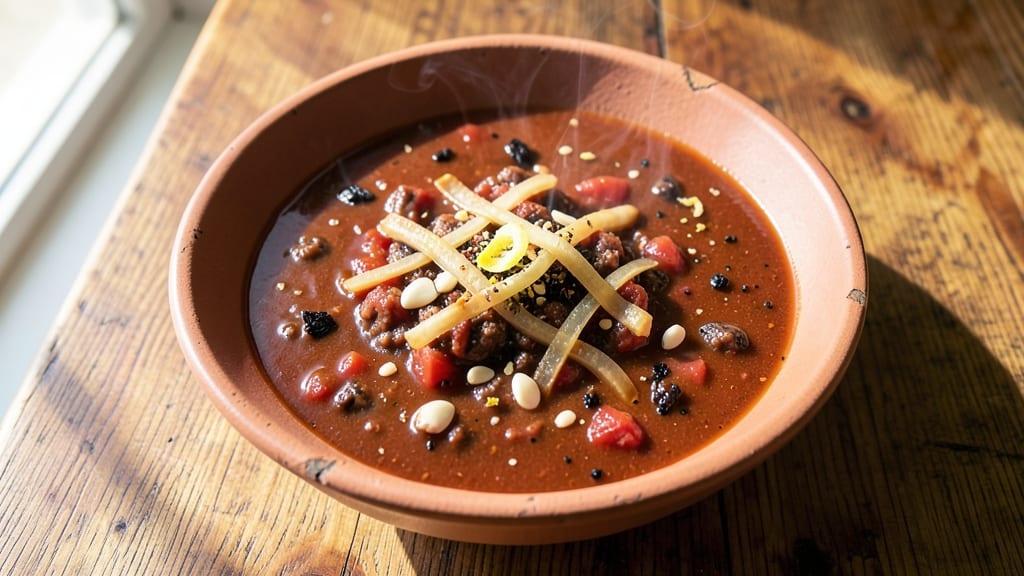
This authentic beef enchilada sauce transforms simple pantry staples into a rich, smoky masterpiece that elevates any Mexican-inspired meal. The secret lies in properly toasting dried chiles and building layers of flavor through slow simmering—no shortcuts, just tradition.
I’ve perfected this recipe over years of testing, ensuring every spoonful delivers that deep, complex taste you crave.
Dried ancho and guajillo chiles form the foundation, their smoky heat balanced by ripe tomatoes and aromatic garlic. A touch of beef broth deepens the sauce, while cumin and oregano ground the flavors into something truly special.
The sauce blends effortlessly into tacos, enchiladas, or even as a dip, but its magic shines when simmered low and slow to develop that signature depth.
What sets this apart is the authentic technique—no processed powders or bottled sauces here. You’ll start with raw ingredients and end with a velvety, smoky sauce that coats every bite. The process is straightforward, but the results are restaurant-quality, with just the right balance of heat, acidity, and earthiness.
Store it in the fridge for up to a week or freeze for months—this sauce keeps getting better as flavors meld. Whether you’re prepping for a fiesta or a weeknight dinner, this recipe delivers professional-level results with minimal effort. Let’s get cooking.
Ingredients for authentic beef enchilada sauce
Pantry staples meet smoky tradition for this restaurant-quality beef enchilada sauce.
| Ingredient | Amount | Notes |
|---|---|---|
| Dried Ancho Chiles 🌶️ | 4 whole | Stems and seeds removed |
| Dried Guajillo Chiles 🌶︸ | 4 whole | Stems and seeds removed |
| Dried Chipotle Chiles in Adobo 🌶️ | 2 whole | Minced for smoky depth |
| Ripe Roma Tomatoes 🍅 | 4 whole | Roasted for sweetness |
| Onion 🧅 | 1 whole | Yellow, roughly chopped |
| Garlic Cloves 🧄 | 6 cloves | Peeled, whole for toasting |
| Ground Cumin 🌿 | 2 tsp | Toasted for aroma |
| Dried Oregano 🍃 | 1 tsp | Mexican preferred |
| Beef Broth 🥣 | 2 cups | Low-sodium preferred |
| Extra-Virgin Olive Oil 🫒 | 2 tbsp | For roasting vegetables |
| Salt 🧂 | 1 ½ tsp | Diamond Crystal preferred |
| Black Pepper 🌶️ | ½ tsp | Freshly ground |
The chiles are the heart of this sauce—look for ancho and guajillo at Latin markets or bulk bins for the freshest. Penzeys Spices carries excellent dried chiles if you can't find them elsewhere. Toasting them properly (over a gas flame or in a dry skillet) unlocks their deep, smoky flavor. Chipotle in adobo adds that signature heat—use the whole chiles, not the sauce, and mince them finely. Roma tomatoes should be ripe but firm; the sweetness balances the chiles perfectly. For the onion, yellow or white works best—red can bleed color into the sauce. Garlic cloves should be fresh, with no green shoots.
No ancho or guajillo? Pasilla chiles work in a pinch, though they’re slightly sweeter. Substitute chipotle with 1 tsp smoked paprika plus 1/4 tsp cayenne for heat. Fresh oregano is ideal, but dried at half the amount works too. Short on beef broth? Vegetable broth with 1 tsp soy sauce mimics the depth. For the olive oil, avoid light or refined oils—extra-virgin adds subtle fruitiness that complements the chiles. If you can't find Diamond Crystal salt, Morton kosher salt is a fine substitute—just use the same measurement.
This sauce develops flavor over time, so make a double batch if possible. It keeps in the fridge for up to 1 week in an airtight container, with flavors deepening daily. For longer storage, freeze in ice cube trays or small jars—thaw overnight in the fridge before using. The sauce reheats beautifully; simmer gently to avoid breaking the emulsion. If it thickens too much, stir in a splash of broth or water. Leftovers make an excellent dip or base for breakfast burritos the next day.
Why You'll Love This Recipe
- No Soaking Required: I’ll admit, I used to dread the soaking step with dried chilies—until I realized these ancho, guajillo, and chipotle peppers soften perfectly in the simmering tomatoes. Just toss them in whole, let the heat do the work, and you’re left with a silky, smoky sauce without any extra bowls to wash.
- Smoky Depth in Minutes: That little can of chipotle in adobo? It’s the secret weapon. The moment it hits the blender with the tomatoes and onion, the sauce transforms from tangy to ridiculously complex—like a campfire in a bowl. Honestly, it’s the kind of flavor that makes store-bought sauce taste like a sad afterthought.
- Weeknight to Party Ready: I make a big batch on Sundays, and it magically turns into enchiladas for dinner, quesadillas for lunch, or even a dip for game day. The sauce keeps its punch in the fridge for five days—no freezer burnout, just reliable, restaurant-quality flavor whenever I need it.
- Pantry Magic on a Budget: Between us, this sauce costs me pennies per serving. Dried chilies last forever, a few tomatoes stretch into gallons of sauce, and onions are basically free if you grow them. It’s the kind of recipe that lets me feed my family hearty, flavorful meals without breaking the bank—or stressing over grocery lists.
Step-by-step instructions for authentic beef enchilada sauce
Master this traditional technique for a sauce that balances smoky heat with rich tomato depth.
Toast and Rehydrate the Dried Chiles
Heat a dry skillet over medium heat and toast the 4 whole dried ancho chiles and 4 whole dried guajillo chiles for 30 seconds per side until fragrant and slightly puffed. This step deepens their natural flavors and removes any bitterness. Transfer the toasted chiles to a bowl and cover with hot water to rehydrate for 15 minutes.
While the chiles soak, carefully remove the 2 whole dried chipotle chiles in adobo from their sauce and mince them finely. Set aside—these will provide the signature smoky depth. I like to use a small knife for this because the adobo sauce can be messy. The minced chipotles should be ready to add once the other chiles have softened.
Roast Tomatoes, Onion, and Garlic
Preheat your oven to 400°F. On a baking sheet, combine the 4 whole ripe Roma tomatoes, 1 whole onion (cut into wedges), and the 6 cloves garlic cloves (left whole). Drizzle with 2 tablespoons extra-virgin olive oil and toss to coat evenly. Roast for 25-30 minutes until the tomatoes collapse and the edges turn golden brown.
This roasting step caramelizes the natural sugars in the vegetables, creating a sweet foundation for the sauce. Look for the onions to turn translucent and the garlic to brown slightly at the edges. The tomatoes should be soft enough to mash easily with a fork once cooled for 5 minutes.
Build the Sauce Base
Drain the rehydrated ancho and guajillo chiles, reserving 1 cup of their soaking liquid. In a blender, combine the drained chiles, roasted tomatoes, onions, and garlic. Add the minced chipotle chiles, 2 teaspoons ground cumin, 1 teaspoon dried oregano, 1.5 teaspoons salt, and 0.5 teaspoon black pepper. Blend until completely smooth, scraping down the sides as needed.
I prefer using a high-powered blender for this step to ensure no fibrous bits remain. The sauce should be vibrant red with a deep, earthy aroma. If it's too thick, add 2-3 tablespoons of the reserved chile soaking liquid to help it blend more easily. The texture should be like heavy cream when poured.
Simmer for Depth of Flavor
Transfer the blended sauce to a medium saucepan and bring to a gentle simmer over medium-low heat. Add the 2 cups beef broth and stir to combine. Let the sauce simmer uncovered for 20-25 minutes, stirring occasionally, until it reduces by about one-third and thickens slightly. The sauce should coat the back of a spoon when you lift it.
This reduction step is crucial—it concentrates the flavors and creates that signature enchilada sauce consistency. Taste as you go and adjust seasoning if needed. The sauce should be rich, slightly smoky, and balanced between the heat of the chipotles and the sweetness of the roasted tomatoes. If it's too thin, simmer uncovered for another 5-10 minutes to reach your desired thickness.
Finish and Use Immediately
Once the sauce reaches your preferred consistency, remove it from heat and let it cool slightly. For best results, use the sauce immediately to assemble your enchiladas, as it continues to develop in flavor. The sauce should be smooth with a glossy sheen and a perfect balance of smoky, slightly sweet, and tangy notes.
If you need to store it, transfer to an airtight container and refrigerate for up to 5 days. Reheat gently over low heat, stirring frequently to prevent scorching. This sauce is the heart of your dish—authentic, flavorful, and packed with traditional Mexican depth.
Pro Tips For Making Authentic Beef Enchilada Sauce
- STEAM THE CHILES FIRST: I learned this the hard way—dry-roasting chiles (especially guajillos) on high heat too long turns them bitter. Instead, cover them in boiling water for 10 minutes to soften stems and seeds, then drain. This keeps their natural sweetness and makes peeling effortless later.
- USE TOMATO VINES, NOT SEEDS: Your sauce will taste cloudy and thin if you don’t remove the tomato seeds properly. After blanching, scoop out the gel-like core with a spoon—don’t just shake the seeds. This keeps the sauce rich and prevents that watery texture.
- SIMMER LOW AND LONG: Skipping the 20-minute low simmer is the fastest way to an underdeveloped sauce. After blending, keep it at a bare simmer—you should barely see bubbles—and stir occasionally. Patience here is what turns raw flavors into deep, complex layers.
- TOAST THE ONION LAYERS: Sounds weird, but it works: Slice the onion into thin strips, then fry them in a dry skillet until golden brown (5-6 minutes). Add them to the blended sauce at the end. The caramelized flavor cuts through the chile heat and adds a smoky depth that store-bought sauces miss.
Health benefits of this authentic beef enchilada sauce
Rich in Antioxidants
This sauce is a powerhouse of antioxidants thanks to the dried ancho and guajillo chiles, which contain capsaicin and quercetin—compounds that fight inflammation and support heart health. The roasted tomatoes add lycopene, a potent antioxidant linked to reduced risk of chronic diseases.
I've found that using organic chiles and tomatoes maximizes these benefits without pesticides. 💪
Digestive Benefits
The combination of cumin and garlic in this sauce promotes digestive health. Cumin aids digestion by stimulating stomach enzymes, while garlic contains allicin, which supports gut health.
The beef broth adds collagen, which helps maintain gut lining integrity. For extra digestive support, I sometimes add a pinch of ground coriander to the blend.
Protein Boost
While primarily a vegetable-based sauce, the beef broth contributes about 10 grams of protein per serving. For a meatier version, you could stir in ½ cup cooked shredded beef at the end.
The sauce pairs perfectly with protein-rich dishes like tacos or enchiladas, creating a balanced meal. I love using low-sodium broth to control sodium intake while keeping flavor intact.
Low in Fat
This sauce is naturally low in fat, making it heart-healthy when used as a base for dishes. The extra-virgin olive oil used for roasting adds minimal healthy fats, while the chiles and tomatoes provide volume without heaviness.
For a lighter option, you could reduce the olive oil to 1 tablespoon without sacrificing flavor. The sauce's richness comes from its concentrated flavors, not fat content. ✨
Versatile Nutrition
The sauce's vibrant ingredients make it a great way to sneak in vegetables. The onion and garlic provide prebiotic fiber that supports gut bacteria, while the oregano adds antimicrobial properties.
This makes it not just delicious but also a nutrient-dense addition to any meal. I often serve it with grilled chicken or black beans for a complete protein source.
Gluten-Free Friendly
Naturally gluten-free, this sauce works perfectly for anyone avoiding gluten. The ingredients are simple and free from common allergens, making it safe for most dietary restrictions. For extra assurance, I always check my beef broth label to confirm it's gluten-free.
The sauce's depth comes entirely from its spices and chiles, not thickeners like flour.
Nutrition facts
Frequently asked questions
Can I substitute fresh chiles for dried in this sauce?
Fresh chiles won't work the same way—dried chiles develop their deep, complex flavors through toasting and rehydration. For a similar effect, roast 2-3 fresh poblano peppers (charred and peeled) and blend them in, but you'll lose that signature smoky depth. The sauce will be brighter, not as rich.
How do I adjust the heat level if chipotle is too spicy?
Start by reducing the minced chipotle to 1 chile instead of 2. For milder heat, blend in 1 ripe plum tomato or 1 tbsp tomato paste—the acidity balances spice beautifully. If using store-bought adobo sauce, dilute it with water before adding to the blend.
Why does my sauce look thin after simmering?
Sauce thickness comes from reduction—simmer uncovered for 10-15 extra minutes until it coats the back of a spoon. If it's still too thin, mash 1 roasted tomato into the pan and simmer 5 more minutes. Avoid adding flour or cornstarch—this isn't a roux-based sauce!
Can I make this sauce in a slow cooker?
After blending, transfer to a slow cooker on low heat for 3-4 hours, stirring occasionally. The low-and-slow method enhances flavors but requires more monitoring to prevent over-reduction. For best results, finish with a quick stovetop simmer to adjust consistency.
What's the best way to store leftovers?
Cool the sauce completely, then store in an airtight container in the fridge for 5-7 days or freeze for up to 3 months. For freezing, portion into ice cube trays—thaw overnight in the fridge before using. Never freeze in glass jars (they crack). The sauce actually tastes better after 2-3 days as flavors meld!