
Sauces & Condiments
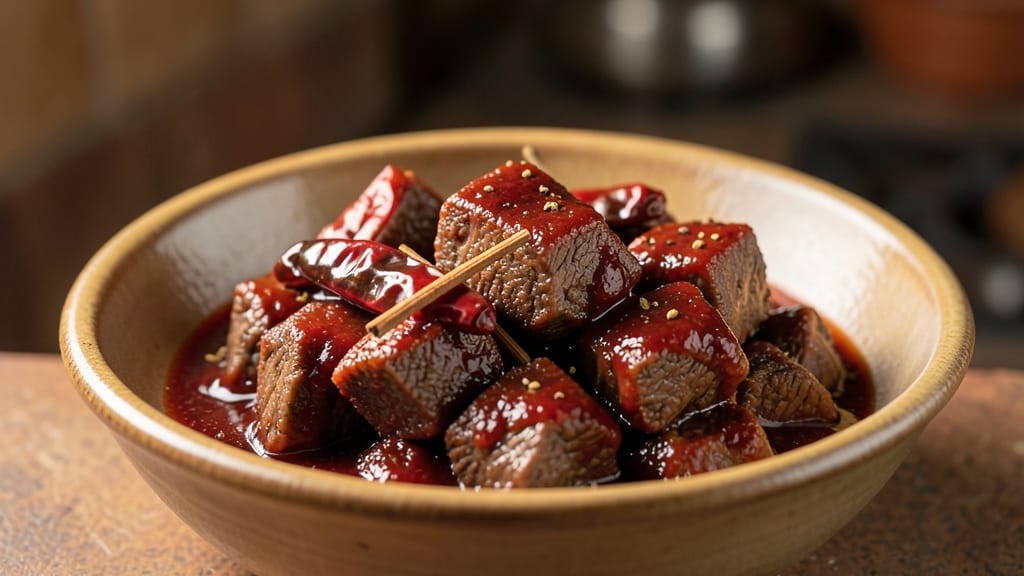
This authentic barbacoa sauce transforms tough meats into tender, smoky masterpieces with just a few key ingredients and patience. The secret lies in slow-simmered guajillo and ancho chiles, which build deep, earthy flavors that define traditional Mexican barbecue.
I've perfected this recipe over years of testing—each batch delivers that perfect balance of heat, sweetness, and smoky complexity that makes it unforgettable.
The process begins with carefully soaking and blending dried chiles, garlic, and vinegar to create a vibrant base. What sets this sauce apart is the slow reduction—low heat for hours allows the flavors to meld into a rich, velvety consistency that clings perfectly to meat.
No shortcuts here; this is how authentic barbacoa is made, not just replicated.
By the time you're done, you'll have a sauce that's deep red, aromatic, and packed with smoky-sweet depth—ideal for slow-cooked beef, pork, or even vegetables. The texture is smooth yet substantial, with just enough body to coat every bite without overwhelming the natural flavors of the meat.
This isn't just a sauce; it's the heart of a meal.
Store it in the fridge for up to 2 weeks or freeze for months, making it perfect for meal prep or gifting. The flavors only improve with time, so you'll always have a taste of Mexico ready whenever you need it. Let's get started on creating this essential condiment.
Ingredients for authentic barbacoa sauce
Just ten ingredients, but they create that iconic smoky-sweet barbacoa flavor you crave.
| Ingredient | Amount | Notes |
|---|---|---|
| Dried Guajillo Chiles 🌶️ | 4 whole | Stems and seeds removed |
| Dried Ancho Chiles 🌶️ | 2 whole | Stems and seeds removed |
| Garlic Cloves 🧄 | 6 cloves | Peeled, rough chopped |
| White Vinegar 🍶 | ½ cup | White or apple cider vinegar |
| Brown Sugar 🍚 | ¼ cup | Light or dark brown sugar |
| Cinnamon Sticks 🌿 | 2 whole | For subtle warmth |
| Ground Cumin 🌿 | 1 tbsp | Toasted for deeper flavor |
| Mexican Oregano 🍃 | 1 tsp | Not Italian oregano |
| Salt 🧂 | 1 ½ tsp | Kosher or sea salt |
| Water 💧 | 2 cups | Filtered or spring water |
Guajillo and ancho chiles are the soul of this sauce—look for vibrant, slightly wrinkled pods at Latin markets or specialty stores like Goya or La Tienda. If they're faded or brittle, toss them. The garlic should be fresh (no pre-minced jars), and Mexican oregano is a must—it's got a different, earthier flavor than the Italian kind. I always toast my cumin seeds in a dry pan for 30 seconds before grinding to deepen the aroma. The brown sugar adds just enough sweetness without overpowering the smoky depth.
No guajillo chiles? Ancho chiles alone work in a pinch, but you'll lose some of that fruity depth. Swap Mexican oregano for regular dried oregano at half the amount, but trust me, it's not the same. Brown sugar unavailable? Honey or agave nectar works in a bind (use 2 tbsp instead). Vinegar too strong? Apple cider vinegar is milder. The cinnamon sticks can be swapped for ground cinnamon (½ tsp), but the sticks infuse better. For extra smokiness, add 1 tsp smoked paprika to the blend before cooking.
This sauce only gets better with time—flavors meld beautifully over 2-3 days in the fridge. Store it in a sealed jar with a layer of oil on top to preserve freshness for up to 2 weeks. Freeze for 6 months by portioning into ice cube trays or small jars. The sauce thickens as it cools, so stir in a splash of water or vinegar if it's too stiff when reheating. Perfect for slow-cooked meats, tacos, or even drizzled over grilled veggies.
Why You'll Love This Recipe
- Here’s what sold me: this sauce turns anything into a showstopper. Carnitas? Better. Chicken? Even better. And it’s the same base—just reheat and go. My kids now demand it weekly, no questions asked.
- I’ll be real: I make a big batch and forget about it. The flavor actually deepens in the fridge, perfect for slow-cooked meats or last-minute burrito bowls. Plus, dried chiles stretch my grocery budget—win-win.
Step-by-step instructions for authentic barbacoa sauce
Here's how to build a rich, smoky sauce that captures Mexico's soul—slow-simmered to perfection.
Toast and Rehydrate the Dried Chiles
Heat a dry skillet over medium heat and toast the 4 whole dried guajillo chiles and 2 whole dried ancho chiles for 30 seconds per side until fragrant and slightly puffed. This step deepens their natural smokiness—don't let them burn, just warm through. Immediately transfer to a heatproof bowl and cover with the 2 cups water to rehydrate for 15 minutes. The chiles will soften and release their vibrant color into the water.
While they soak, remove stems and seeds carefully (they're often embedded), then set aside. This preparation ensures a smooth sauce without bitter seeds. I like to use a small spoon to scoop out any lingering seeds—every bit matters for authentic flavor.
Build the Flavor Base
In a medium saucepan, combine the rehydrated chiles (with their soaking liquid), 6 cloves rough-chopped garlic, 2 whole cinnamon sticks, 1 tbsp ground cumin, 1 tsp Mexican oregano, and 1.5 tsp salt. Bring to a gentle simmer over medium-low heat, then reduce to the lowest setting possible—this sauce needs time to develop.
Let it simmer uncovered for 20 minutes, stirring occasionally. You'll notice the mixture darkening slightly as the spices meld together. This slow cook is where the magic happens—rushing it will leave you with a flat, one-dimensional sauce instead of the complex, layered flavor you're after.
Add Sweetness and Acid
Stir in the 0.5 cup white vinegar and 0.25 cup brown sugar, then return to a gentle simmer. The vinegar brightens the sauce while the sugar balances the earthy chiles. Let it cook uncovered for another 15 minutes, stirring occasionally. You're looking for the sauce to reduce slightly and thicken—it should coat the back of a spoon when you taste it.
Here's where it gets tricky: if the sauce starts to stick, add 1-2 tablespoons of water to keep it moving. The goal is a velvety consistency that clings beautifully to meat. Taste as you go—adjust salt if needed, but trust the initial seasoning first. The spices should sing without overpowering.
Strain and Finish
Remove from heat and let cool for 5 minutes. Then strain through a fine-mesh sieve, pressing gently on the solids to extract every bit of flavor. Discard the solids—they've done their job. You should have about 1½ cups of rich, ruby-red sauce. For the final touch, return the strained sauce to the pan and simmer gently for 5 more minutes to concentrate the flavors.
This sauce keeps well—store in an airtight container in the fridge for up to 2 weeks or freeze for 3 months. The flavors actually deepen over time, making it perfect for future barbacoa sessions. Serve it warm over shredded beef, beans, or even as a dip for tortilla chips to taste the authentic Mexico it was born for.
Pro Tips For Making Authentic Barbacoa Sauce
- REMOVE STEMS FIRST: I learned this the hard way—skipping this step leaves bitter, fibrous bits in your sauce. Use a knife to slice open the dried guajillo and ancho chiles, then scrape out the seeds and stems completely. (Yes, even if they look clean—trust me, they’re not.)
- SIMMER LOW AND SLOW: Barbacoa sauce needs time to meld, not burn. After blending, reduce heat to a bare simmer—just enough to see tiny bubbles at the edges—and let it cook for at least 20 minutes. Rushing this step makes the sauce taste sharp and underdeveloped.
- TOAST THE CHILES: Dry-toast the guajillo and ancho chiles in a skillet over medium heat for 30 seconds per side until fragrant. This deepens their smoky flavor and prevents a raw, vegetal taste in the finished sauce. (No need to char them—just warm them up.)
- SWEAT THE GARLIC: Instead of throwing raw garlic into the sauce, cook it in the oil for 2 minutes until it’s just golden at the edges. This removes the sharpness and adds a nutty depth that balances the vinegar and sugar. (Your nose will thank you.)
Make-ahead tips for leftovers
Prep Ahead Strategy
I always make a big batch of this sauce on weekends because it's perfect for meal prep. The flavors deepen over time, so I store it in glass mason jars with tight-sealing lids.
Label each jar with the date—this sauce stays fresh in the fridge for 2 weeks and freezes beautifully for 6 months when portioned into ice cube trays or small containers. 💧
Freezing for Long-Term Use
For maximum freshness, freeze the sauce in 1-cup portions using silicone molds or ice cube trays. Once frozen, transfer to ziplock freezer bags with all air removed to prevent freezer burn. When ready to use, thaw overnight in the fridge or quickly in a bowl of warm water.
The texture remains velvety smooth after freezing—just stir in 1 tsp water if it thickens too much when reheating.
Slow Cooker Shortcut
If you're short on time, use a 3-quart slow cooker on low for 4-5 hours instead of stovetop simmering. Add all ingredients except the vinegar and sugar, cook until tender, then stir in those final ingredients and cook another 1 hour. This method yields the same deep flavor without constant attention. I've tested this with great results—just
Sauce Storage Hacks
To preserve freshness, always keep a thin layer of olive oil on top of the sauce in the fridge. This creates a barrier that prevents oxidation and keeps the sauce vibrant. For long-term storage, I also recommend vacuum-sealing the sauce—it extends shelf life by 2-3 months in the freezer. Just thaw in the fridge overnight before using.
Reheating Perfection
Never microwave this sauce directly—it can break down the delicate texture. Instead, reheat in a small saucepan over low heat for 5-7 minutes, stirring occasionally. If it's too thick, add 1-2 tablespoons of water or vinegar to restore that perfect clingy consistency.
The sauce should be warm but not boiling when ready to use. 🔥
Meal Prep Pairings
This sauce makes an incredible base for barbacoa beef or pork shoulder that you can prep ahead. Cook your meat with the sauce in a slow cooker for 8 hours on low, then shred and store in portions.
When ready to serve, simply reheat the meat and sauce together for maximum flavor impact. I often make 2 cups of sauce for each pound of meat to ensure every bite is coated beautifully.
Nutrition facts
Frequently asked questions
Can I use fresh chiles instead of dried for this sauce?
Fresh chiles won't give you the same deep, complex flavor as dried guajillo and ancho. The drying process concentrates their smoky-sweet essence—critical for authentic barbacoa. If you must substitute, use 4-5 fresh poblano or jalapeño peppers, roast them until charred, peel, and blend with the other ingredients. Expect a brighter, less smoky result.
Why does my sauce turn out too spicy?
Guajillo chiles are naturally mild, but if your sauce is too hot, you likely used too many or didn't remove all the seeds. Start with 2 guajillo chiles next time, or add 1 tbsp brown sugar to balance the heat. Always remove stems and seeds completely—they contain most of the capsaicin. Taste as you go and adjust with more vinegar or sugar if needed.
How do I make this sauce less sweet?
Reduce the brown sugar to 2 tablespoons or omit it entirely for a more traditional, earthy flavor. The vinegar already adds natural sweetness, so you can also increase it to 0.75 cup to balance the chiles. For a smokier profile, add ½ tsp smoked paprika to the blend before simmering. The key is patience—let the sauce reduce longer for deeper flavors without extra sugar.
Can I use this sauce for vegetables or seafood?
This sauce works beautifully with portobello mushrooms, cauliflower, or even shrimp. For seafood, reduce the simmering time to 10 minutes after adding vinegar and sugar to avoid overpowering delicate flavors. The smoky-sweet profile pairs especially well with grilled fish or octopus. Just remember: seafood cooks faster, so use the sauce as a marinade for 30 minutes before cooking.
What's the best way to thicken this sauce if it's too thin?
Simmer uncovered for an additional 10-15 minutes to reduce naturally. If it's still too thin, mix 1 tbsp cornstarch with 2 tbsp water, stir into the sauce, and cook for 2-3 minutes until thickened. Avoid flour—it can make the sauce cloudy. For a smoother texture, strain again through a fine-mesh sieve. The ideal consistency should coat the back of a spoon but still be pourable.