
Sauces & Condiments
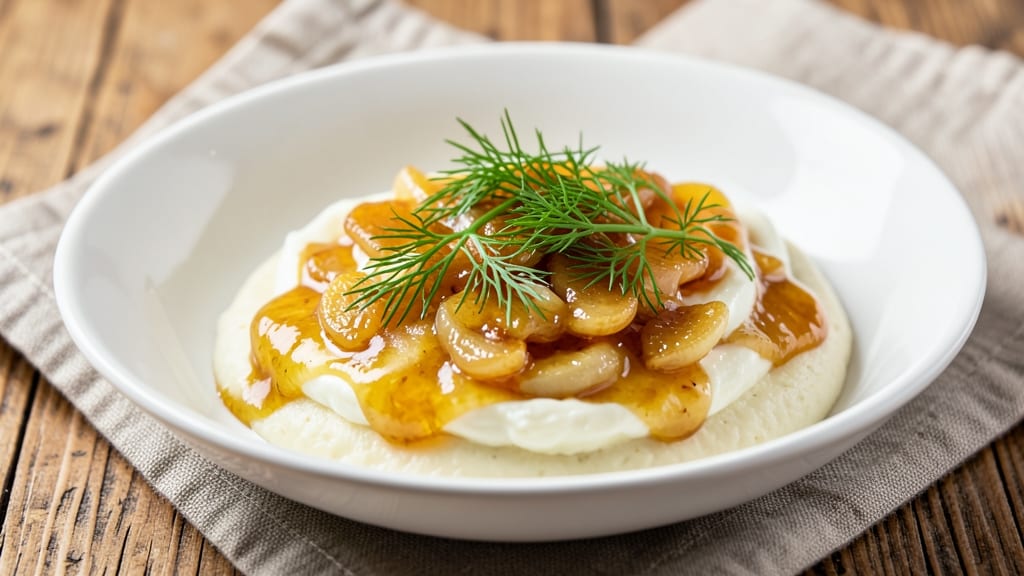
This Aurore sauce recipe transforms simple ingredients into a velvety, celery-inspired masterpiece that elevates any dish. 🌟 The secret lies in a perfect balance of butter, cream, and fresh dill—creating a rich, herby sauce with just the right tang.
Unlike store-bought versions, this homemade version delivers depth and freshness that stand out at the table.
The sauce begins with a classic French technique: blooming aromatics in butter before adding wine to deglaze. This step unlocks layers of flavor that transform basic ingredients into something extraordinary.
The addition of cream and fresh dill creates a luxurious texture that coats proteins beautifully, making it ideal for poultry, fish, or even vegetables.
What makes this sauce truly special is its versatility—thin enough to drizzle over delicate fish but thick enough to cling to roasted chicken. The celery root adds an earthy sweetness that rounds out the bright, herby notes of dill.
Once you taste it, you’ll understand why this sauce has been a staple in professional kitchens for decades.
Ready in just 30 minutes, this recipe yields enough sauce for multiple meals, and it stores beautifully in the refrigerator for up to 5 days.
Whether you’re serving it alongside roasted chicken, grilled fish, or steamed vegetables, this Aurore sauce will become your go-to for adding restaurant-quality flavor at home.
Ingredients for aurore sauce
Velvety butter, aromatic shallots, and earthy celery root form the foundation of this restaurant-worthy Aurore sauce.
| Ingredient | Amount | Notes |
|---|---|---|
| Unsalted Butter 🧈 | ½ cup | Cold, cut into small cubes |
| Shallots 🧅 | 2 whole | Finely minced, about 2 tbsp |
| Celery Root 🥕 | ½ lb | Peeled, finely diced (about 1 cup) |
| Dry White Wine 🍷 | ½ cup | Bold variety like Sauvignon Blanc |
| Heavy Cream 🥛 | 1 cup | Full-fat for optimal texture |
| Fresh Dill 🌿 | ⅓ cup | Finely chopped, stems removed |
| Chicken Stock 🍲 | ½ cup | Homemade preferred, low-sodium |
| Lemon Juice 🍋 | 1 tbsp | Freshly squeezed, for brightness |
| Diamond Crystal Kosher Salt 🧂 | ½ tsp | Adjust to taste, don't over-salt |
| Freshly Ground Black Pepper 🌶️ | ¼ tsp | Light hand, freshly cracked |
The butter is non-negotiable—use European-style unsalted like Plugrá or Kerrygold for maximum flavor development. Shallots should be finely minced (almost paste-like) to bloom properly in the butter. Celery root is the secret star: organic celery root from Trader Joe's or local farmers markets delivers the best sweetness. For the wine, dry whites like Sauvignon Blanc cut through the richness without overpowering. Fresh dill is essential—Russian or Greek varieties have the most intense flavor, but any fresh dill works in a pinch.
No white wine? Substitute with dry vermouth or extra chicken stock, but reduce the amount by 2 tbsp to maintain balance. Heavy cream can be swapped for half-and-half or coconut cream for a lighter version, though texture will differ. Fresh dill unavailable? Dried dill at one-third the amount works, but flavor will be muted. Celery root too expensive? Celery leaves or heart finely chopped can add subtle celery notes. For a richer sauce, add 1 tbsp of crème fraîche at the end. If you prefer a tangier finish, increase lemon juice to 1.5 tbsp.
This sauce thickens as it cools, so strain through a fine-mesh sieve before storing for silky texture. Keeps 5 days refrigerated in an airtight container with plastic wrap pressed directly on the surface to prevent skin formation. Freezes beautifully for 3 months—portion into ice cube trays for single-use servings. For best results, reheat gently on low heat, adding a splash of cream or stock if it thickens too much. The sauce improves overnight as flavors meld.
Why You'll Love This Recipe
- No Chopping Nightmare: I swear by this sauce because the celery root and shallots? You can buy them pre-diced or even use frozen—no knife skills required. The wine deglazes while you stir, so cleanup is just a wipe of a spoon.
- Rich Without Effort: That heavy cream and butter combo makes it velvety, but the white wine cuts through the richness like a breath of fresh air. Honestly, it’s the kind of sauce that makes you want to eat it straight from the pan—no shame.
- Weeknight to Dinner Party: Slap this on roasted chicken, drizzle it over mashed potatoes, or toss it with pasta—it’s my secret weapon for when I’m too tired to think. Even my picky uncle asked for seconds at Thanksgiving.
- Leftovers That Don’t Suck: Unlike some sauces that turn gloppy, this one reheats like a dream—just a splash of cream to loosen it up. I make a double batch every time because it’s cheaper than takeout and way better.
Step-by-step instructions for aurore sauce
Here's how to craft this velvety, celery-root-infused masterpiece with professional precision.
🍳 Step 1: Sauté the Celery Root and Shallots
Heat a medium saucepan over medium heat and add the 0.5 cup unsalted butter cut into small cubes. Let it melt completely, then add the 0.5 lb finely diced celery root and 2 whole finely minced shallots. Cook for 8-10 minutes, stirring occasionally, until the celery root softens and becomes translucent.
This slow cooking process is crucial—it develops the sauce's signature depth. You'll know it's ready when the celery root releases its natural sweetness and the mixture takes on a golden hue. Push the vegetables to the side of the pan and reduce heat to low for the next steps.
🍳 Step 2: Deglaze with Wine and Stock
Pour in the 0.5 cup dry white wine and scrape the bottom of the pan vigorously with a wooden spoon to release all the browned bits. Let the wine simmer for 3-4 minutes until it reduces by half and the alcohol aroma dissipates completely.
Add the 0.5 cup chicken stock and bring to a gentle simmer. The sauce should now have a rich, aromatic base with the essence of celery root and shallots fully developed. Keep the heat at medium-low to prevent boiling, which could break the delicate emulsification we're building.
🥘 Step 3: Build the Creamy Base
Gradually whisk in the 1 cup heavy cream while continuing to simmer gently. The sauce will begin to thicken as the cream incorporates. Cook for another 5-6 minutes until the mixture reduces slightly and coats the back of a spoon smoothly.
Here's the thing—you want the sauce to be thick enough to coat but still silky, not heavy. If it thickens too much, whisk in 1-2 tablespoons of water to achieve the perfect velvety consistency. The sauce should be glossy with a delicate sheen, indicating proper emulsification.
👨🍳 Step 4: Finish with Aromatics and Seasoning
Remove the pan from heat and stir in the 0.33 cup finely chopped fresh dill, 1 tablespoon lemon juice, 0.5 teaspoon Diamond Crystal kosher salt, and 0.25 teaspoon freshly ground black pepper. The lemon juice brightens the sauce while the dill adds its signature herbal note.
Let the sauce rest for 5 minutes off the heat. This resting period allows all the flavors to meld completely. Taste and adjust seasoning if needed—you might need a touch more salt or lemon to balance the richness of the cream.
⏰ Step 5: Strain and Serve
For a completely smooth texture, strain the sauce through a fine-mesh sieve into a clean saucepan. Return to low heat and keep warm until ready to serve. The strained version is ideal for elegant presentations, while the unstrained version offers more rustic texture.
This aurore sauce should be served immediately over fish, poultry, or vegetables. Its creamy yet light texture comes from the perfect balance of celery root sweetness, herbal dill, and bright lemon. The sauce should coat the back of a spoon with a velvety finish, not a thick paste—this is the hallmark of a properly made aurore sauce.
Pro Tips For Making Aurore Sauce
- Sweat the Shallots: Cut them paper-thin and cook them slow in butter until translucent—not golden, just soft and glossy. I used to rush this, and the sauce always tasted raw; take the 5 extra minutes, or the wine will just mask the bitterness instead of marrying with it.
- Dice Celery Root Small: Smaller pieces cook faster and blend smoother—aim for ¼-inch cubes max. Big chunks turn to mush in the cream and leave a weird texture. (Yes, even if you’re impatient like me, resist the urge to eyeball it.)
- Deglaze Hot, Not Cold: Pour the wine into the pan right after removing the shallots—it’ll sizzle and lift all the browned bits. If you wait, you’re scraping the bottom with a spoon, and that’s a sad, flavorless mess.
- Temper the Cream: Warm the cream separately to body temperature before adding it to the wine-butter mix. Cold cream shocks the sauce and makes it split like a bad soufflé. (Your future self will notice the difference.)
Troubleshooting great aurore sauce
Sauce Too Thin?
If your aurore sauce ends up too thin after adding cream, don’t panic—simmer it uncovered for 2-3 extra minutes on medium-low heat. The moisture will evaporate naturally, thickening the sauce without breaking its silky texture.
For an instant fix, whisk in 1 tablespoon of cold butter (cut into small cubes) while stirring constantly until fully melted. This adds body while keeping the sauce smooth and glossy. 💡
Sauce Too Thick?
Over-thickened aurore sauce happens when the cream reduces too much or the heat gets too high. To fix it, whisk in 1-2 tablespoons of warm chicken stock or heavy cream while stirring gently.
For a smoother texture, strain the sauce through a fine-mesh sieve to remove any lumps. If the sauce separates, whisk vigorously over low heat until it re-emulsifies—this usually takes 30-60 seconds.
Flat or Bland Flavor?
If your sauce lacks depth, the issue is likely underdeveloped aromatics. Start by blooming the shallots and celery root in butter for 10-12 minutes until they’re deeply golden and fragrant. Deglaze with white wine and reduce it by half to concentrate flavors.
For extra brightness, add ½ teaspoon more lemon juice or a pinch of freshly cracked black pepper. A splash of dry vermouth (1 tbsp) can also add complexity. 🌿
Lumpy or Grainy Texture?
Lumps usually appear when cream is added too quickly or the sauce isn’t stirred constantly. To fix it, place the saucepan over low heat and whisk vigorously for 1-2 minutes until smooth. For stubborn lumps, strain the sauce through a fine-mesh sieve into a clean saucepan.
If you prefer a rustic texture, blend the sauce briefly with an immersion blender for a velvety finish without straining. Always use cold butter when incorporating to prevent curdling.
Sauce Separates After Straining?
Separation often happens when sauce is strained too hot or reheated too aggressively. To prevent it, strain the sauce off-heat into a cold saucepan, then gently reheat over low heat while whisking constantly.
If it separates anyway, whisk in 1 tablespoon of cold butter or 1 teaspoon of cornstarch slurry (mix ½ tsp cornstarch with 1 tsp cold water) and simmer until smooth. The key is low and slow—never bring the sauce to a boil. ⚡
Wine or Stock Tastes Harsh?
If the wine or stock flavor dominates, it means the sauce wasn’t reduced enough. Always reduce the wine by half (about 3-4 minutes of simmering) and the stock until slightly thickened before adding cream.
For a smoother finish, use homemade chicken stock (lower sodium) and a dry white wine like Sauvignon Blanc, which has crisp acidity that balances the richness. If needed, add ½ teaspoon of sugar to mellow harsh notes. 🍷
Nutrition facts
Frequently asked questions
What makes Aurore sauce different from other French cream sauces?
The celery root is the defining feature! Unlike classic béchamel or hollandaise, Aurore sauce incorporates finely diced celery root for a subtle sweetness that balances the herby dill and bright lemon. The wine deglazing adds depth without overpowering, creating a lighter yet richer profile than traditional cream sauces.
Can I substitute celery root with regular celery?
Yes, but the flavor will differ. Use ½ cup finely chopped celery leaves and heart instead of celery root—this adds a milder celery note without the earthy sweetness. For best results, increase cooking time by 2-3 minutes to soften the celery properly. The texture will be slightly less velvety but still delicious.
How should I adjust the consistency for different dishes?
For delicate fish like sole or flounder, keep the sauce thin and glossy—simmer uncovered for 2-3 extra minutes to reduce. For roasted chicken or vegetables, aim for a medium coat (like heavy cream). For pasta or dumplings, thicken with 1 teaspoon cornstarch slurry (mix ½ tsp cornstarch with 1 tsp cold water) and simmer until smooth.
What's the best way to reheat Aurore sauce?
Always reheat over low heat—never boil. Pour sauce into a saucepan and warm gently while whisking constantly. If it thickens too much, whisk in 1 tablespoon of warm cream or stock until silky. For leftovers, reheat only what you need to preserve freshness. The sauce reheats best when stored in the fridge for 1-2 days maximum.
Can I make Aurore sauce ahead of time?
Yes! This sauce actually improves overnight. Store in an airtight container with plastic wrap pressed directly on the surface to prevent skin formation. Refrigerate for up to 5 days or freeze for 3 months. For best results, reheat gently and adjust seasoning with a pinch of salt or extra lemon juice before serving.