
Sauces & Condiments
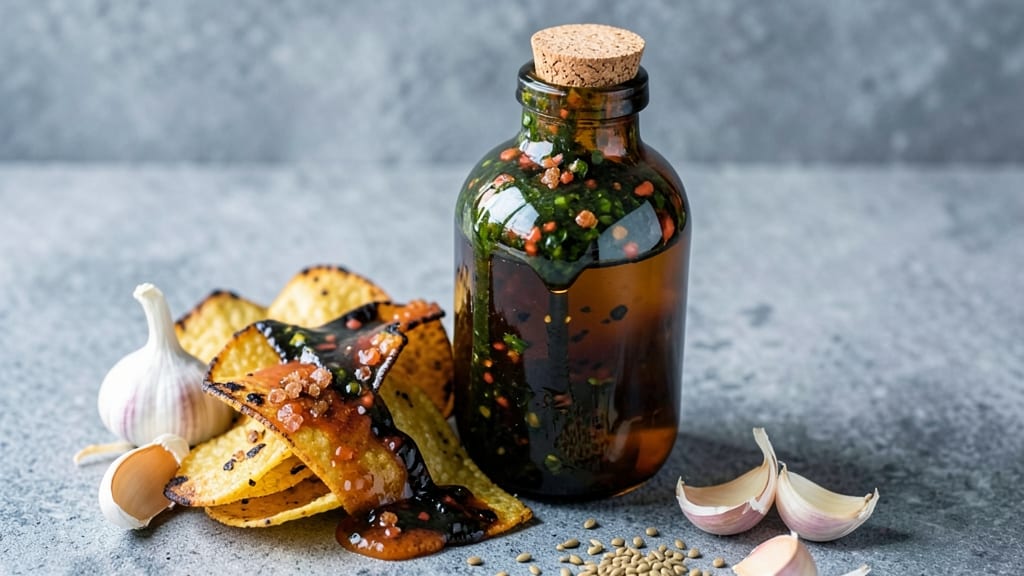
This ATX hot sauce recipe captures Austin’s bold spirit with smoky chipotle, fiery peppers, and a signature celery salt kick that’ll transform every bite.
The secret lies in fermenting fresh jalapeños and habaneros for depth, then blending them with apple cider vinegar and a touch of brown sugar to balance the heat. Every drizzle delivers that signature Texas tang—sweet, smoky, and undeniably addictive.
The process is straightforward but requires patience: ferment the peppers for 3-5 days to develop complexity, then strain and blend with vinegar, garlic, and spices for a smooth yet intense sauce.
Adjust the heat level by controlling pepper ratios—more habaneros for extra fire, or stick with jalapeños for a milder kick. The celery salt finish is non-negotiable; it’s what makes this sauce uniquely ATX.
What you’ll end up with is a versatile hot sauce that elevates tacos, grilled meats, and even deviled eggs with its smoky-sweet profile. Store it in the fridge for up to 3 months, and don’t be surprised if it disappears faster than you can say "keep it Austin."
The flavor only deepens over time, making it perfect for gifting or batch cooking.
Serve it as a condiment, a marinade, or a bold finishing touch—this sauce is the kind of game-changer that turns ordinary meals into something unforgettable. Let’s make it.
Ingredients for atx hot sauce
Nine ingredients, all packed with Texas heat and smoky depth—just wait until you taste it.
| Ingredient | Amount | Notes |
|---|---|---|
| Fresh Jalapeño Peppers 🌶️ | 1 lb | Seeds removed, sliced thin |
| Fresh Habanero Peppers 🌶️ | 4 whole | Worn gloves recommended |
| Apple Cider Vinegar 🍏 | 1 ½ cups | Raw, unfiltered preferred |
| Brown Sugar 🍚 | ¼ cup | Light or dark variety |
| Chipotle Peppers in Adobo 🌶️ | 3 whole | Stems removed, chopped |
| Garlic Cloves 🧄 | 6 cloves | Peeled, roughly chopped |
| Celery Salt 🧂 | 1 tbsp | Lawry's preferred |
| Ground Black Pepper 🌶️ | ½ tsp | Freshly ground preferred |
| Cayenne Pepper 🔥 | ½ tsp | Adjust for heat preference |
| Kosher Salt 🧂 | 1 tsp | Diamond Crystal preferred |
The peppers are where the magic happens. Habaneros bring the fire, but don’t skip the jalapeños—they add that sweet, smoky base. Grab fresh habaneros from a Latin market if you can, but the grocery store ones work too. Chipotles in adobo are a must; Herdez or Goya brands are my go-to. For fermenting, use glass jars with lids—no plastic. The vinegar? Raw, unfiltered apple cider vinegar has more flavor than the white stuff. If you’re worried about heat, start with 3 habaneros and add more later.
No habaneros? Extra jalapeños and cayenne will get you close, but you’ll lose that fruity depth. Fresh garlic is ideal, but powdered garlic at half the amount works in a pinch. Celery salt is non-negotiable—Lawry’s is the gold standard, but any brand with real celery powder will do. For extra smokiness, add a pinch of smoked paprika. The brown sugar balances the heat, so don’t skip it—light brown sugar dissolves better, but dark adds molasses notes. If your sauce turns out too thin, simmer it down. Too thick? Thin with a splash of vinegar.
Ferment the peppers for 3-5 days in the fridge—longer means more funk, but 5 days max to avoid sourness. Strain through a fine-mesh sieve, then blend until smooth. Store in a sterilized glass jar in the fridge for up to 3 months. The flavor only gets better with time, so make extra. Gift it in small bottles—it disappears fast. If you’re feeling adventurous, age it for 6-12 months for deeper complexity, but start with a small batch first.
Why You'll Love This Recipe
- No Blender Needed: I just toss everything into a saucepan—jalapeños, habaneros, vinegar, and those smoky chipotles—and let it simmer. No fancy equipment, no stress, just pure heat building right in your kitchen.
- Sweet Heat Balance: That brown sugar isn’t just for sweetness—it rounds out the habanero’s punch while the chipotles add deep, smoky layers. Honestly, it’s the kind of sauce that makes you want to dip everything.
- Game for Any Meal: Drizzle it on tacos, toss it with eggs, or use it as a marinade—this sauce disappears fast. I’ve even put it in my coffee (yes, really) when I need a kick.
- Lasts for Weeks: One batch stretches across multiple meals, and the flavor only gets better as it sits. Between us, I’ve had a jar last three months, and it’s still the star of my pantry.
Step-by-step instructions for smoky chipotle hot sauce
Here's how to make this Austin-style hot sauce with deep smoky heat and perfect balance.
Prep and Sterilize All Equipment
Start by thoroughly washing all your peppers under cool running water to remove any dirt or debris. I like to use rubber gloves when handling the habaneros—they pack some serious heat! Cut the stems off the chipotle peppers in adobo and chop them into small pieces, about ¼-inch thick. For the jalapeños, remove seeds and slice them thinly—this ensures even heat distribution in your sauce.
While you prep the peppers, sterilize your jars and lids by running them through hot, soapy water, then rinsing with boiling water. This prevents any unwanted bacteria from spoiling your hard work. I use wide-mouth pint jars for this recipe—they make filling and sealing easier. Keep everything ready so you can work efficiently once the sauce starts cooking.
Cook the Peppers and Aromatics
In a large, heavy-bottomed pot, combine the sliced jalapeños, whole habanero peppers, chopped chipotle peppers, and 6 cloves of peeled garlic. Add the 1.5 cups of apple cider vinegar and bring everything to a boil over medium-high heat. Once boiling, reduce the heat to medium-low and let it simmer uncovered for 15 minutes—this allows the vinegar to draw out the natural oils and flavors from the peppers.
After 15 minutes, you'll notice the peppers have softened and the mixture has reduced slightly. This is when you add the 0.25 cup of brown sugar, 1 tablespoon of celery salt, 0.5 teaspoon of ground black pepper, 0.5 teaspoon of cayenne pepper, and 1 teaspoon of kosher salt. Stir everything together and let it simmer for another 10 minutes, until the mixture thickens slightly and the flavors meld together beautifully.
Blend and Strain for Smoothness
Once the peppers and aromatics have cooked down, remove the pot from heat and let it cool slightly for 5 minutes. This is where things get fun—transfer the mixture to a high-powered blender or food processor. I use my immersion blender for this because it makes cleanup a breeze, but a countertop blender works just as well. Blend until completely smooth, scraping down the sides as needed to ensure everything is evenly incorporated.
After blending, strain the mixture through a fine-mesh sieve or cheesecloth into a clean bowl. This step is crucial—it removes any remaining seeds or skin that could make your hot sauce grainy. I press down gently on the solids with a wooden spoon to extract every last drop of liquid. The strained sauce should be a deep, vibrant red color with a rich, smoky aroma that'll make your mouth water.
Bottle and Store Properly
Ladle the strained hot sauce into your sterilized jars, leaving about ½-inch of headspace at the top. This space allows for the natural expansion that occurs during the canning process. Wipe the rims of the jars with a clean, damp cloth to ensure a good seal, then place the lids on and screw the bands down fingertip-tight.
Process the jars in a boiling water bath for 15 minutes to ensure your hot sauce is shelf-stable. I use a dedicated canning rack in my large stockpot to keep the jars submerged and evenly heated. Once the time is up, remove the jars and let them cool completely on a towel-lined counter. The seals should pop when pressed—if they don't, your sauce might not keep properly, so start over with fresh jars.
Rest and Enjoy Your Creation
Let your hot sauce rest for at least 24 hours before tasting—this allows the flavors to fully develop and mellow out slightly. I like to store mine in the fridge for up to 6 months, though the flavor continues to improve over time. The sauce should have a perfect balance of smoky chipotle heat, bright vinegar tang, and just enough sweetness from the brown sugar to round out the flavors.
Use your ATX hot sauce to spice up tacos, drizzle over grilled meats, or mix into mayo for a fiery dip. Start with a small amount—this stuff packs a punch! If you find it too hot, you can always dilute it with a bit more vinegar or water. The key to great hot sauce is patience and balance, and this recipe delivers both in spades.
Pro Tips For Making Atx Hot Sauce
- REMOVE SEEDS FROM HABANEROS: I learned this the hard way—leaving seeds in habaneros turns your sauce into a mouth-on-fire regret. Cut them open, scrape out every membrane and seed, then rinse under cold water. The heat’s still there, but the flavor stays balanced where it belongs.
- SIMMER LOW AND SLOW: This isn’t a race. After adding vinegar and sugar, keep the heat at a bare simmer—think tiny bubbles, not rolling boil. I used to rush it, and the sauce ended up sharp and one-dimensional. Let it work for 20-30 minutes, and the flavors will meld like a slow dance.
- CHAR THE JALAPEÑOS FIRST: Toss whole jalapeños in a dry skillet over medium-high heat until blackened in spots. The smoky depth they add is non-negotiable—skip this, and your sauce will taste like store-bought vinegar with peppers. Do this step first, then chop them up.
- STRAIN THE ADOBO SAUCE: Chipotle peppers in adobo come with a salty, slightly bitter sauce. Pour it through a fine-mesh strainer before adding to your pot—it removes debris and cuts down on unnecessary salt. (Yes, even if the jar says “ready to use.”)
Creative variations of this atx hot sauce
ATX-Inspired Fusion
Blend this hot sauce with ½ cup beer (like Shiner Bock) for a smoky, malty twist that pairs perfectly with BBQ ribs. The beer’s caramel notes complement the chipotle and brown sugar, creating a sauce that’s ideal for glazing brisket or drizzling over tacos.
For a spicy margarita, muddle 2 tbsp sauce with lime juice and tequila—it adds a bold kick without overpowering the drink. 🍺
Sweet Heat Variations
Add 1 tsp honey or agave to the simmering sauce for a sweeter profile that balances the habanero’s heat. This works especially well for drizzling over grilled pineapple or mixing into sweet potato fries.
For a dessert twist, drizzle lightly over chocolate-dipped strawberries—trust me, the contrast is mind-blowing. 🍓
Smoky Chipotle Boost
For extra smokiness, add 1 tsp smoked paprika or ½ tsp liquid smoke during the final 10-minute simmer. This deepens the chipotle’s earthy notes, making it perfect for smoked meats or blackened fish.
If you love Texas-style chili, stir 1 tbsp of this sauce into your pot for an instant flavor upgrade. 🔥
Mild ATX Twist
Reduce the habaneros to 2 (or swap them for jalapeños) and add 1 tsp honey to soften the heat. This milder version is great for dipping fries, spicing up mayo, or tossing with pasta.
It’s still packed with smoky chipotle flavor but with a gentler kick—ideal for kids or heat-sensitive palates. 🌶️
Fermented Funk Option
For a funkier, tangier sauce, ferment the peppers in apple cider vinegar for 7-10 days before blending. This adds a probiotic richness that’s popular in modern ATX hot sauces.
Strain and blend as usual, then age for 2 weeks in the fridge for deeper complexity. Perfect for fermented food lovers who crave umami depth. 💫
Gift-Worthy Bottles
Package your sauce in small amber glass bottles (like Ball Mason jars) for a rustic, giftable look. Label them with chalkboard tags or wax seals for an Austin-inspired touch.
I’ve seen these sell for $10-$15 at local markets—great for holiday gifts or farmers’ markets. Add a spoon or mini recipe card for extra appeal. 🎁
Nutrition facts
Frequently asked questions
Why does this hot sauce recipe use apple cider vinegar instead of white vinegar?
Apple cider vinegar adds a fruity depth and subtle sweetness that balances the smoky chipotle and fiery peppers. The raw, unfiltered version contains trace minerals that enhance fermentation and create a more complex flavor profile. White vinegar would make the sauce sharper and less nuanced.
Can I adjust the heat level without changing the peppers?
Yes! Reduce the cayenne pepper to ¼ tsp for milder heat, or add ½ tsp smoked paprika for smokiness without extra spice. For a sweeter balance, increase the brown sugar to ⅓ cup—this softens the habanero’s intensity while keeping the smoky depth.
How long should I ferment the peppers, and what happens if I skip it?
Ferment the peppers for 3-5 days in the fridge to develop funky, umami-rich flavors. Skipping fermentation results in a sharper, less complex sauce—think of it like the difference between fresh and aged cheese. For a quicker version, simmer the peppers 10 extra minutes to mimic some fermentation effects.
What’s the best way to store and preserve this hot sauce?
Store in a sterilized glass jar in the fridge for up to 6 months. For longer shelf life, process sealed jars in a boiling water bath for 15 minutes—this makes it shelf-stable for 1 year. Avoid metal spoons (they react with acid) and always use clean utensils to prevent contamination.
Can I make this sauce without fresh habaneros?
Swap habaneros for 2 extra jalapeños + ½ tsp cayenne, or use 1 dried habanero pepper (soaked in hot water for 10 minutes first). For a milder kick, replace habaneros with 1-2 ghost peppers (wear gloves!) and reduce other spices by half. The celery salt remains key for that ATX signature.