
Sauces & Condiments
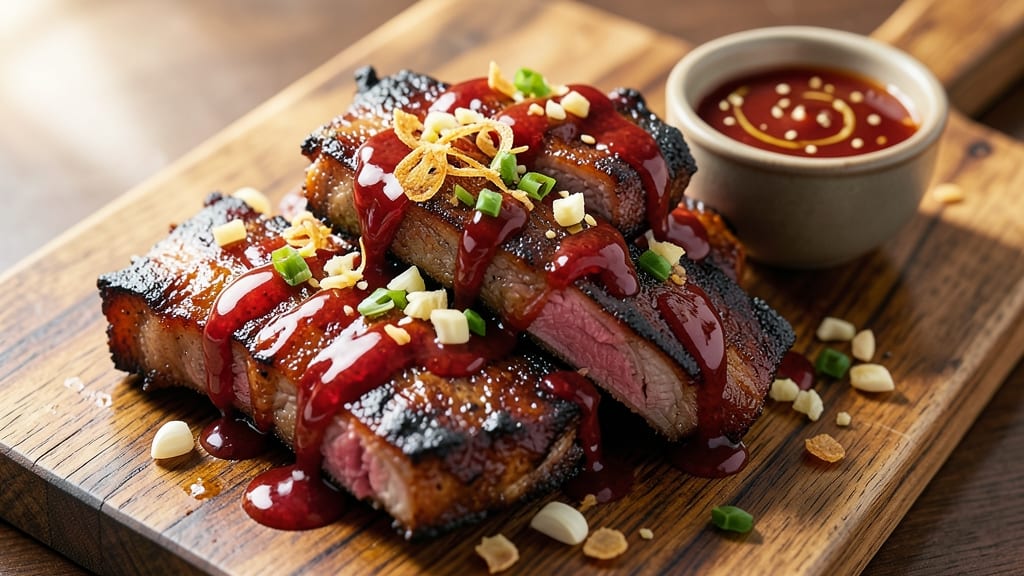
This Asian BBQ sauce recipe for ribs transforms smoky, fall-off-the-bone meat into a masterpiece with just a few simmered ingredients. The secret? A balance of sweet honey, tangy vinegar, and umami-rich soy that creates a glaze so addictive, your guests will ask for seconds. I developed this sauce after years of experimenting with Asian-inspired rubs—it's the perfect marriage of tradition and technique.
The foundation starts with a simple simmer of soy sauce, hoisin, honey, and rice vinegar, which builds layers of flavor while reducing to a thick, glossy consistency. Fresh ginger and garlic add aromatic depth, while a touch of chili brings subtle heat that lingers.
What makes this sauce special is how it caramelizes on the grill, creating those coveted sticky, charred edges that ribs crave.
By the time you're done, you'll have a sauce that's rich enough to stand alone but balanced enough to complement the natural sweetness of slow-cooked ribs. The vinegar adds a hidden depth that cuts through the richness, while the honey ensures every bite is tender and caramelized.
This isn't just a sauce—it's the finishing touch that turns good ribs into unforgettable ones.
Store leftovers in the fridge for up to two weeks, or freeze for longer shelf life. The flavors only deepen over time, making this the ultimate make-ahead sauce for your next BBQ session. Let's get cooking!
Ingredients for asian bbq sauce recipe for ribs
Nine simple ingredients create this addictive sauce that transforms ribs into sticky, caramelized perfection.
| Ingredient | Amount | Notes |
|---|---|---|
| Soy Sauce 🍶 | ½ cup | Use light soy for balance |
| Hoisin Sauce 🍶 | ⅓ cup | Adds sweet, savory depth |
| Honey 🍯 | ⅓ cup | Wildflower for floral notes |
| Rice Vinegar 🍶 | ¼ cup | White vinegar works too |
| Fresh Ginger 🌿 | 2 tbsp | Finely grated, aromatic |
| Garlic Cloves 🧄 | 4 cloves | Minced for even distribution |
| Red Chili Flakes 🌶️ | 1 tbsp | Adjust for heat preference |
| Sesame Oil 🫒 | 1 tbsp | Toasted for nutty aroma |
| Brown Sugar 🍚 | 2 tbsp | Dark brown for caramelization |
| Ground Black Pepper 🌶️ | ½ tsp | Freshly cracked for bite |
The soy sauce and hoisin form the sauce's backbone—don't skimp on quality here. Kikkoman soy sauce and Lee Kum Kee hoisin are my go-tos, but any good brand works. Honey should be wildflower or clover for that floral depth, not that overly processed grocery store stuff. Rice vinegar is key for that tangy balance—Mushroom Town or Koyo brands add subtle umami. Fresh ginger and garlic are non-negotiable for aroma, so grab the freshest you can find. If you're short on time, jarred minced garlic works in a pinch, but fresh is always better.
No hoisin? Mix soy sauce with a touch of molasses and a pinch of cinnamon for a close substitute. Running low on sesame oil? Toast sesame seeds and grind them for a nutty alternative. Prefer less heat? Swap chili flakes for a pinch of cayenne or skip entirely. The brown sugar can be swapped for maple syrup if you're avoiding refined sugar, though it'll have a slightly different caramelization. For a smokier profile, add 1/2 teaspoon smoked paprika right before serving.
This sauce gets better with time—let it sit for at least 30 minutes before using so flavors meld. Store leftovers in a sealed jar in the fridge for up to 2 weeks, or freeze for 6 months. I like to make a big batch and keep it on hand for spontaneous grill sessions. The sauce thickens as it cools, so thin with a splash of water or vinegar if needed. Trust me, the second batch always tastes even better than the first.
Why You'll Love This Recipe
- Pantry Magic: I swear, I’ve made this sauce with whatever’s in my cabinet—no fancy shopping required. That jar of hoisin you’ve had since last Christmas? Perfect. A splash of rice vinegar for brightness, a thumb of ginger for kick, and suddenly, your ribs taste like they came from a dim-sum cart.
- Sweet-Savory Balance: The honey and soy sauce team up for a glaze that’s sticky, caramelized, and just salty enough to make you lick the bowl. Honestly, the ginger’s zing cuts through the sweetness so well, it’s like someone tuned the flavors just for you.
- Weeknight & BBQ Star: Slather it on ribs for a Sunday cookout or toss it in a stir-fry when you’re too tired to plan. Between us, I’ve even drizzled it over grilled chicken thighs when the kids were begging for something “different”—they didn’t even notice. Works for casual or company, no stress.
- Leftovers That Lie: This sauce keeps for weeks in the fridge, and honestly, the second batch always tastes better. I’ll make a double batch for ribs, then use the extra on meatballs or even as a dip for spring rolls. Budget-friendly? More like budget hack.
Step-by-step instructions for Asian BBQ sauce for ribs
Here's how to blend bold flavors into a glossy glaze that caramelizes beautifully on ribs.
Combine Wet Ingredients in a Saucepan
In a medium saucepan, pour in the 0.5 cup soy sauce, 0.33 cup hoisin sauce, and 0.33 cup honey. Add the 0.25 cup rice vinegar and 1 tablespoon sesame oil. Stir gently to mix everything together—you want these liquids to blend evenly before heating.
Place the saucepan over medium-low heat and let it warm through for 3-4 minutes. You'll notice the honey starts to soften slightly, and the aromas of soy and hoisin will fill your kitchen. This initial step is about integrating the base flavors before adding the aromatic ingredients that need to cook.
Add Aromatics and Reduce
While the sauce warms, peel and finely grate the 2 tablespoons fresh ginger using a microplane or fine grater. Mince the 4 cloves garlic into a paste using a knife or garlic press. Add both to the saucepan and stir continuously for 2 minutes until fragrant.
Next, sprinkle in the 1 tablespoon red chili flakes and 2 tablespoons brown sugar, stirring constantly. The sugar will begin to dissolve, creating a smoother texture. Let the mixture simmer gently for 8-10 minutes, stirring occasionally, until it thickens slightly and reduces by about one-third. You're looking for a syrupy consistency—thick enough to coat the back of a spoon but still pourable.
Season and Finish the Sauce
Remove the saucepan from heat and let it cool for 5 minutes. This resting period prevents the sauce from continuing to thicken as you stir in the final ingredient. Add the 0.5 teaspoon ground black pepper and give it one final stir.
Taste the sauce and adjust the balance if needed—add a splash more rice vinegar for tang, a drizzle of honey for sweetness, or a pinch more chili flakes for heat. The sauce should be complex, with layers of sweet, savory, and slightly spicy flavors. For best results, let it cool completely before using on ribs to allow all the flavors to meld fully.
Store and Use
Transfer the sauce to a clean glass jar or airtight container. It will keep in the refrigerator for up to 2 weeks, or you can freeze it for 3 months. When ready to use, reheat gently in a saucepan over low heat, stirring occasionally, until warm and glossy.
For ribs, brush the sauce on generously during the last 30 minutes of cooking. The high heat will caramelize the sugars, creating a beautiful glossy glaze. The vinegar depth adds complexity that balances the sweetness, while the ginger and garlic infuse every bite with aromatic warmth.
Pro Tips For Making Asian Bbq Sauce Recipe For Ribs
- Simmer Low and Slow: I learned this the hard way—boiling the sauce reduces the honey too fast, turning it cloying instead of glossy. Keep the heat at a gentle simmer (just bubbles occasionally) and stir often so the ginger doesn’t burn and the flavors meld properly.
- Grate Ginger Fine: Thin slivers or chunks of ginger will settle at the bottom and turn bitter. Use a microplane or the smallest holes on a box grater—this way, it blends smoothly and infuses the sauce evenly without leaving texture surprises.
- Balance the Sweet Early: Taste as you go, especially when adding honey. If it’s too sweet after the first taste, add a splash of rice vinegar right away—it’s easier to fix than trying to cut sweetness later. (Yes, even if you’re impatient like me.)
- Use Dark Soy Sauce: Light soy sauce makes the sauce look pale and watery. Dark soy adds depth and a richer color—just 1-2 teaspoons is enough to tie all the flavors together without overpowering the hoisin’s natural sweetness. Trust me, it makes a real difference.
Storing and reheating your leftovers
Fridge Storage Tips
Store your Asian BBQ sauce in a clean glass jar with an airtight lid—glass preserves flavors better than plastic. I like using Le Parfait 16-ounce jars because they’re sturdy and stackable.
Keep it in the fridge for up to 2 weeks, but give it a stir before using since the ingredients settle. The sauce will thicken slightly when cold, so add 1-2 teaspoons of water or rice vinegar to restore pourability if needed. 🌡️
Freezer-Friendly Methods
For longer storage, portion the sauce into silicone ice cube trays—each cube is perfect for one rib application. Pop them into a freezer-safe bag and flatten to save space. This sauce freezes beautifully for 3 months, though I’ve had batches last 6 months without quality loss.
Thaw overnight in the fridge before reheating gently over low heat to avoid burning the sugars. 🧊
Reheating for Ribs
Always reheat your sauce slowly to prevent scorching. Pour it into a small saucepan and warm over medium-low heat for 3-5 minutes, stirring constantly. For extra shine, add 1 teaspoon of water to help the glaze spread evenly.
I like to brush it on ribs 30 minutes before the end of cooking—this gives the sugars time to caramelize beautifully under the heat. 🔥
Reviving Stale Sauce
If your sauce has thickened too much in storage, don’t toss it! Thin with 1 teaspoon of rice vinegar or water and simmer for 2-3 minutes to restore balance. For extra depth, add a pinch of freshly grated ginger or a splash of sesame oil while reheating.
The vinegar also helps cut through any richness that might have developed over time. 💡
Sauce for Leftovers
This sauce makes 2-3 cups—plenty for multiple rib sessions. I always double the batch and freeze half. When reheating leftovers, add 1 tablespoon of water per cup of sauce to prevent sticking.
For ribs that were already glazed, brush on a fresh layer during the last 15 minutes of cooking to refresh the flavor. The second application adds a gorgeous caramelized crust. 🍖
Garnish Before Serving
Before serving, garnish with toasted sesame seeds or thinly sliced scallions for texture. A drizzle of chili oil adds heat, while lime wedges brighten the plate.
I also like sprinkling crushed peanuts for crunch—it’s a nod to my Southeast Asian roots. These finishing touches elevate the sauce from good to showstopping. ✨
Nutrition facts
Frequently asked questions
Can I use this sauce on other meats besides ribs?
This sauce works beautifully on chicken thighs, pork shoulder, or even tofu for a meaty alternative. The balance of sweet and tangy flavors caramelizes well on any protein with a good surface area. For chicken, apply during the last 20 minutes of cooking to prevent burning.
How do I adjust the heat level?
Start by reducing the red chili flakes to ½ tablespoon for mild heat, or omit them entirely for a completely sweet glaze. For extra spice, add ½ teaspoon of cayenne pepper or a dash of Sriracha when reheating. Always taste as you go!
What's the best way to store leftover sauce?
Transfer to an airtight glass jar and refrigerate for up to 2 weeks. For longer storage, freeze in silicone ice cube trays (perfect for single rib applications) or a freezer bag for 3-6 months. Thaw overnight in the fridge before using. The sauce thickens when cold—add 1 tsp water or vinegar to restore pourability.
Can I make this sauce without hoisin?
Yes! Mix ¼ cup soy sauce with 1 tbsp molasses and ½ tsp cinnamon as a substitute. For extra depth, add 1 tsp fish sauce (if using with meat) or 1 tsp miso paste (for vegetarian versions). The sauce will have a slightly different profile but still work beautifully on ribs.
Why did my sauce turn out too thin?
This usually happens if you didn't reduce it long enough. Simmer uncovered for an extra 5-10 minutes until it reaches a syrupy consistency. If it's already too thin, remove from heat and let it cool completely—it will thicken as it sits. For immediate use, mix 1 tsp cornstarch with 1 tbsp water, stir into the sauce, and simmer for 2 minutes.