
Sauces & Condiments
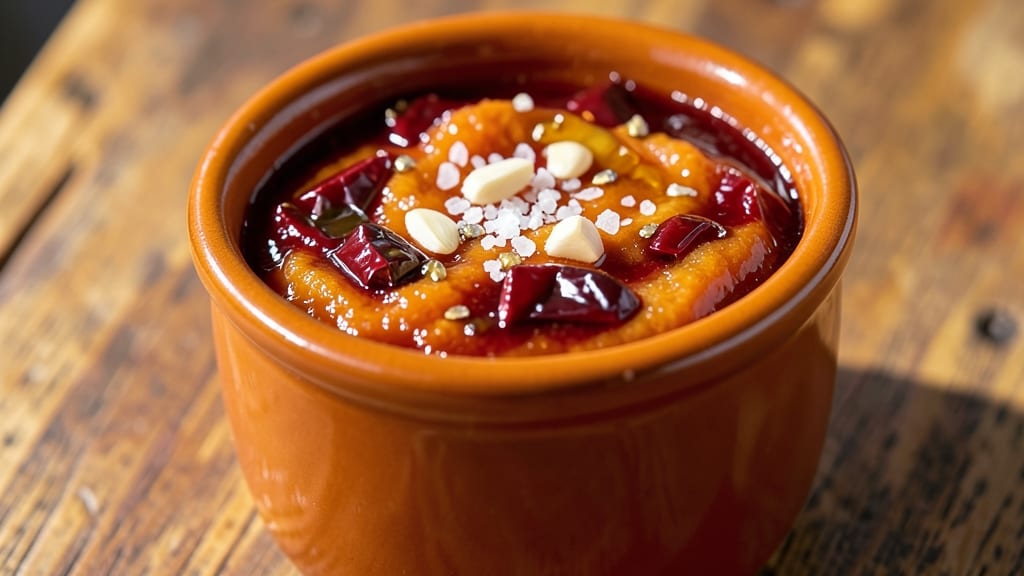
This Aruba papaya hot sauce recipe transforms the island’s signature fruit into a vibrant, balanced condiment where tropical sweetness meets fiery heat. The secret lies in blending ripe papaya with traditional Aruban vinegar and scotch bonnet peppers, creating a sauce that’s both complex and approachable.
What makes this recipe special is how it preserves the papaya’s natural sweetness while letting the vinegar and chili develop depth over time.
The process is straightforward but requires patience—fermenting the mixture for at least 3 days allows flavors to meld, while sterilizing the jars ensures your sauce stays fresh for months. You’ll end up with a sauce that’s bright, tangy, and just spicy enough to elevate everything from grilled fish to cocktails.
The vinegar’s acidity cuts through the papaya’s richness, creating a perfect balance that’s uniquely Aruban.
This hot sauce is incredibly versatile—drizzle it over ceviche, mix it into marinades, or use it as a bold cocktail garnish. The fermentation process also makes it shelf-stable, so you can enjoy the flavors of Aruba long after your trip.
Whether you’re a spice enthusiast or a tropical fruit lover, this recipe delivers a condiment that’s as impressive as it is delicious.
Ready to make it? The ingredients are simple—just papaya, vinegar, peppers, and a pinch of salt—but the result is anything but ordinary. Let’s get started on creating a sauce that captures the essence of Aruba in every drop.
Ingredients for aruba papaya hot sauce
Eight simple ingredients blend Aruba’s tropical flavors with fiery heat for a sauce that’s bright and balanced.
| Ingredient | Amount | Notes |
|---|---|---|
| Ripe Papayas 🍈 | 2 whole | Firm but yielding when ripe |
| Scotch Bonnet Peppers 🌶️ | 4 whole | Fresh, stems removed |
| Aruban Vinegar 🍶 | 1 cup | Traditional or white vinegar |
| Granulated Sugar 🍚 | ¼ cup | White or brown preferred |
| Sea Salt 🧂 | 1 tsp | Fine grain preferred |
| Garlic Cloves 🧄 | 3 cloves | Fresh, peeled |
| Extra-Virgin Olive Oil 🫒 | ¼ cup | High quality, fruity |
| Lime Juice 🍋 | 2 tbsp | Freshly squeezed |
The papaya is the star—pick ones that yield slightly to gentle pressure but don’t feel mushy. Latin markets or specialty grocers often carry ripe ones, but if you can’t find them, Honeydew melons in a pinch work surprisingly well. Scotch bonnet peppers are the heat carriers, so if you can’t find them, habanero or red jalapeño (seeds removed) will do. For the vinegar, Aruban vinegar is ideal, but any white vinegar will work—just add an extra pinch of salt to compensate. The garlic and lime juice are non-negotiable for that authentic island tang.
No ripe papaya? Mango or pineapple can stretch the recipe, but reduce the sugar to 2 tbsp. Missing scotch bonnet? Dried cayenne at half the amount adds heat without moisture. The sugar isn’t just for sweetness—it helps preserve the sauce during fermentation. If you’re sensitive to acidity, reduce the vinegar to 3/4 cup and add an extra 1 tbsp of lime juice. For a smokier profile, toast the garlic in olive oil for 2 minutes before blending—game-changer. The olive oil adds richness, so don’t skip it unless you’re making a low-fat version.
Ferment the sauce in sterilized jars for at least 3 days—5-7 days for deeper flavor. Store sealed in the fridge for up to 3 months, or process for canning to extend shelf life. The sauce thickens over time, so add a splash of vinegar or water if needed. Freeze in ice cube trays for single-serving portions—perfect for cocktails or quick drizzles. Label your jars with the date; the flavor peaks after 2 weeks.
Why You'll Love This Recipe
- Sweet Heat in Minutes: I swear, this sauce comes together faster than you can say "Scotch bonnet." Just blend the papaya, vinegar, and peppers—no peeling, no fancy techniques. The sugar caramelizes while it simmers, and boom, you’ve got a vibrant red sauce ready to go.
- Tropical Fire Balance: That first bite of sweet papaya hits, then whoosh—the Scotch bonnet kicks in. It’s not just heat; it’s a bright, fruity punch that lingers. Honestly, I’ve never tasted a hot sauce where the sweetness and spice play so well together.
- Party in a Bottle: This stuff elevates everything—grilled shrimp, tacos, even scrambled eggs. I keep a jar in the fridge for when friends drop by unexpectedly. It’s the kind of sauce that makes people ask, "What’s in this?" and then beg for the recipe.
- Cheap, Lasts Forever: A single batch costs pennies and fills my tiny fridge for weeks. The vinegar and sugar preserve it, so no waste. Plus, the papayas are often on sale—meaning I’m always stocked up without breaking the bank.
Step-by-step instructions for Aruba papaya hot sauce
Here's how to blend tropical sweetness with fiery heat for a sauce that's as vibrant as Aruba's shores.
🍳 Step 1: Prepare the Papaya and Peppers
Cut the 2 whole ripe papayas in half lengthwise, then scoop out the seeds and fibrous center with a spoon. You'll want to remove all the soft, stringy parts—just the clean, juicy flesh. Peel the papaya by scoring the skin with a knife, then gently pulling it off in strips. Chop the papaya into ½-inch chunks and place them in a medium saucepan.
For the Scotch bonnet peppers, remove the stems and slice them in half lengthwise. Carefully scoop out the seeds and membranes—they contain most of the heat and bitterness. Chop the pepper flesh into ¼-inch pieces and add them to the saucepan with the papaya. Real talk: these peppers pack serious heat, so wear gloves if you're sensitive to spice.
🔥 Step 2: Cook the Base Mixture
Add the 1 cup Aruban vinegar and 0.25 cup granulated sugar to the saucepan with the papaya and peppers. Stir everything together and bring the mixture to a gentle boil over medium heat. Once boiling, reduce the heat to low and let it simmer uncovered for 10-12 minutes, stirring occasionally. You're looking for the papaya to soften completely and the mixture to reduce slightly.
This simmering process is crucial—it breaks down the papaya's fibers and extracts the natural sweetness while allowing the vinegar to mellow slightly. You'll know it's ready when the sauce thickens just a bit and the papaya pieces are fork-tender. If it gets too thick too soon, add 1-2 tablespoons of water to maintain the right consistency.
👨🍳 Step 3: Add Aromatics and Season
While the mixture simmers, mince the 3 garlic cloves into tiny pieces—you want them almost paste-like. Add them to the saucepan along with the 1 tsp sea salt. Stir well to combine, then let the mixture cook for another 3-4 minutes until the garlic is fragrant and the salt dissolves completely. The garlic should infuse the sauce with its pungent aroma without becoming bitter.
Now it's time to add the 0.25 cup extra-virgin olive oil. Pour it in slowly while stirring constantly—this helps emulsify the sauce and creates a silky texture. The oil should coat the back of a spoon, indicating the sauce has reached the perfect consistency. If it's too thin, simmer for another 2-3 minutes to thicken it up.
⏰ Step 4: Blend and Finish
Remove the saucepan from heat and let the mixture cool for 5 minutes. Then, carefully transfer everything to a blender or food processor. Add the 2 tbsp freshly squeezed lime juice and blend until completely smooth. If you prefer some texture, leave it slightly chunky—but for a silky sauce, blend until no pieces remain. Taste and adjust the seasoning if needed, adding more salt or sugar to balance the flavors.
Here's where it gets fun—let the sauce cool completely before tasting. The flavors will develop and mellow as it sits. If you want to strain out any remaining papaya fibers for extra smoothness, transfer the sauce through a fine-mesh sieve into a clean jar. Otherwise, the natural texture adds character. Store in the refrigerator for up to 2 weeks or process in a water bath for shelf-stable hot sauce.
Pro Tips For Making Aruba Papaya Hot Sauce
- PEEL BEFORE PULPING: Papaya skins stay stubbornly attached when you blend—save yourself 10 minutes of scraping by peeling the fruit first. Use a sharp knife to slice off the skin, then scoop out the flesh in one piece. (Yes, even if it looks messy—it’s faster than you think.)
- COOK PEPPERS LOW AND SLOW: Scotch bonnets burn faster than you’d believe. Simmer them in the vinegar-sugar mix on low heat for 15–20 minutes, stirring occasionally, until they’re soft and the liquid reduces by half. Rushing this step means a hot sauce that’s bitter or unevenly spicy.
- SALT THE VINEGAR FIRST: Toss the sea salt into the vinegar before adding the papaya mixture—it dissolves completely and seasons every drop. I used to add it at the end, and the sauce always tasted like salt clumps hiding in the back of the jar.
- STRAIN IF YOU WANT SMOOTH: Skip the straining for texture, but if you prefer a silky sauce, press the blended mix through a fine-mesh sieve after cooking. No strainer? Cheesecloth works—just squeeze like you’re wringing out a wet towel. (Your blender will thank you later.)
Regional styles of these flavors
Aruban Beachside Style
This version of the sauce channels Aruba’s coastal vibes by adding 1 tbsp grated fresh ginger and ½ cup coconut milk to the base mixture during simmering. The ginger brings a zesty brightness that mirrors the island’s tropical breezes, while coconut milk adds a velvety texture.
Serve this version with grilled lobster tails or drizzle over ceviche for a true beach-to-table experience. 🌊
Sweet Heat Fusion
For a sweeter, more balanced heat, swap the granulated sugar for ½ cup honey and reduce the vinegar to ¾ cup. The honey enhances the papaya’s natural sweetness while the reduced vinegar keeps the sauce from being too tart.
This variation pairs beautifully with spicy jerk chicken or pork chops, where the sweetness tames the Scotch bonnet’s intensity. 🍯
Smoky Island Twist
Infuse the sauce with smoky depth by adding 1 tsp smoked paprika and ½ tsp liquid smoke to the simmering mixture. For extra authenticity, char the garlic cloves in a dry skillet before mincing them—this adds a caramelized, smoky aroma.
This version works wonderfully with smoked meats or as a marinade for grilled shrimp skewers. 🔥
Cocktail-Ready Version
Create a cocktail-friendly hot sauce by blending in 1 tbsp fresh mint leaves and 1 tbsp agave syrup during the final blending step. This lighter, brighter version is perfect for garnishing rum punch or mojitos.
The mint adds a refreshing contrast to the heat, while the agave balances the acidity. Store this version in the fridge for up to 10 days to preserve freshness. 🍹
Spicy Papaya Jam
Reduce the vinegar to ½ cup and increase the sugar to ⅓ cup for a jam-like consistency. This thicker version can be spread on toast or used as a glaze for grilled pineapple.
The sweetness dominates here, making it ideal for breakfast or dessert applications. The Scotch bonnet peppers add subtle heat without overpowering the sweetness. 🍯
Fermented Heat
For a deeper, funkier flavor, ferment the sauce for 7-10 days before blending. After simmering the base mixture, let it cool completely, then transfer to a sterilized mason jar, leaving 1 inch of headspace.
Seal and store at room temperature for fermentation. Taste after 7 days—the flavors will be more complex, with a tangy depth. This version is best for adventurous eaters who love fermented hot sauces. 🍶
Nutrition facts
Frequently asked questions
Why does the recipe call for Aruban vinegar instead of regular vinegar?
Aruban vinegar adds a subtle, island-inspired depth that regular vinegar can't match. Its unique fermentation process creates a more complex flavor profile with hints of tropical fruit and a smoother acidity. If you can't find it, white vinegar works in a pinch, but you'll need to add an extra ¼ tsp of salt to compensate for the difference in acidity. The vinegar's acidity is key to balancing the papaya's sweetness and preserving the sauce.
Can I adjust the heat level in this hot sauce?
For milder heat, remove the seeds and membranes from the Scotch bonnet peppers and use only the flesh. For extra spice, keep the seeds and add an additional 1-2 chopped peppers. You can also reduce the pepper quantity by half if you prefer a tamer sauce. Remember, the heat builds during fermentation, so taste after 3 days and adjust if needed.
How long should I ferment the sauce, and why?
Ferment for at least 3 days to let flavors meld, but 5-7 days yields the deepest, most complex taste. The fermentation process breaks down the papaya's fibers, develops the vinegar's acidity, and creates a more balanced flavor. If you're short on time, you can skip fermentation but store the sauce in the fridge for up to 2 weeks—though it won't have the same depth of flavor. Pro tip: The longer you ferment, the more the Scotch bonnet's heat mellows.
What if my papaya isn't ripe enough?
Unripe papaya will make your sauce taste bland and grainy. Look for papayas that yield slightly to gentle pressure but aren't mushy. If you can't find ripe ones, place them in a paper bag with a banana or apple for 1-2 days to speed up ripening. As a last resort, use mango or pineapple (reduce sugar to 2 tbsp)—they'll add sweetness but won't replicate papaya's unique texture. The sauce will still be delicious, just with a different fruit profile!
Can I make this hot sauce without a blender?
Yes! If you don't have a blender, simmer the sauce longer (15-20 minutes) until the papaya breaks down completely. Then, press the mixture through a fine-mesh sieve to remove any remaining chunks. For texture, leave some papaya pieces in—just mash them with a fork first. The result will be slightly chunkier but still vibrant. This method works especially well for the Spicy Papaya Jam variation.