
Sauces & Condiments
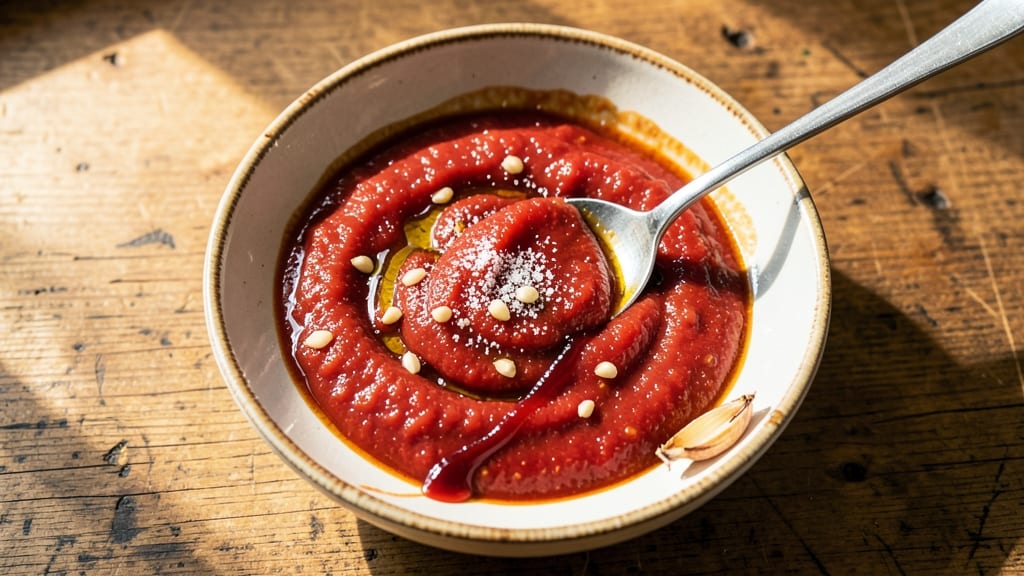
This artisan pizza sauce recipe transforms simple ingredients into a rich, balanced sauce that elevates every pizza—no shortcuts, just bold flavor. The secret lies in tomato concentrate, which intensifies natural sweetness while maintaining perfect acidity.
I developed this after years of testing store-bought sauces that fell flat against fresh dough and quality cheese.
What sets this sauce apart is its versatility and depth. We start with a slow simmer of crushed tomatoes, garlic, and olive oil to build layers of flavor, then balance it with tomato paste and a touch of sugar for complexity.
The result? A sauce that's vibrant yet sophisticated, with just enough acidity to cut through rich toppings without overpowering them.
This sauce delivers restaurant-quality results that stay fresh for up to 5 days in the fridge or freeze perfectly for future use. Whether you're making classic Margherita or loaded deep-dish, this foundation creates a sauce that's always in harmony with your toppings.
The technique is simple but precise—no blenders or fancy equipment required.
For variations, try adding fresh basil for a classic touch, red pepper flakes for heat, or even a splash of white wine for a sophisticated twist. The key is adjusting the balance between sweetness and acidity to match your pizza style. Let's create sauce that makes every bite unforgettable.
Ingredients for artisan pizza sauce
Nine ingredients, one secret weapon—tomato concentrate—that transforms simple canned tomatoes into restaurant-quality pizza sauce.
| Ingredient | Amount | Notes |
|---|---|---|
| Crushed Tomatoes (San Marzano Preferred) 🍅 | 2 cups | High-quality canned, no salt added |
| Tomato Concentrate 🍅 | ¼ cup | Unsweetened, for depth of flavor |
| Tomato Paste 🍅 | 2 tbsp | Squeeze tube preferred for convenience |
| Extra-Virgin Olive Oil 🫒 | ¼ cup | Fruity, peppery variety recommended |
| Garlic Cloves 🧄 | 4 cloves | Fresh, minced for aromatic base |
| Granulated Sugar 🍚 | 1 tbsp | Balances acidity, not skipped |
| Dried Basil 🌿 | 1 tsp | Or 1 tbsp fresh basil leaves |
| Dried Oregano 🍃 | ½ tsp | Mediterranean variety preferred |
| Diamond Crystal Kosher Salt 🧂 | ½ tsp | Adjust to taste, don't oversalt |
| Black Pepper 🌶️ | ¼ tsp | Freshly cracked for warmth |
The tomatoes are where it all begins. San Marzano is ideal for its natural sweetness and low acidity, but any high-quality canned tomatoes will work. I always grab the no-salt-added variety at Whole Foods or Trader Joe's—the difference in flavor is noticeable. The tomato concentrate is non-negotiable; it intensifies the natural sweetness without adding sugar. If you can't find it, a double-strength tomato sauce works in a pinch, but reduce the liquid slightly. Fresh garlic matters here too—roast it first for a sweeter, deeper flavor if you're feeling fancy, but minced raw works perfectly fine.
No tomato paste? Extra tomato concentrate (another 1 tbsp) gets you close, though the texture will be slightly thinner. Swapping dried herbs for fresh? Use one-third the amount—so that 1 tsp dried basil becomes 1 tbsp fresh. The sugar might seem odd, but it's essential for balancing the acidity of the tomatoes. Coconut sugar or maple syrup work too if you're avoiding refined sugar. For a smoky twist, add 1/4 tsp smoked paprika or a pinch of red pepper flakes. And if you're feeling bold, a splash of white wine or balsamic vinegar adds complexity without overpowering.
This sauce keeps beautifully—5 days in the fridge in an airtight container, or up to 3 months frozen. I like to portion it into ice cube trays for easy use later; just thaw and stir. For a smoother texture, blend briefly before using. If it thickens too much, a splash of water or broth thins it out. And here's a pro tip: let it sit at room temperature for 10 minutes before using—it mellows and deepens in flavor.
Why You'll Love This Recipe
- The secret’s in the layers: tomato paste caramelizes into something rich, the concentrate deepens the flavor, and a slow simmer with olive oil turns it into this velvety, slightly sweet-savory sauce. Honestly, it’s the kind of taste that makes you pause mid-bite.
- No-Chop, No-Fuss Magic: I swear by this sauce because it’s the kind of recipe that lets me skip the prep entirely—just crush a few tomatoes, toss in a splash of concentrate, and let the garlic do its thing. That’s it. The San Marzano tomatoes handle all the heavy lifting.
- Umami Bomb in Minutes: The secret’s in the layers: tomato paste caramelizes into something rich, the concentrate deepens the flavor, and a slow simmer with olive oil turns it into this velvety, slightly sweet-savory sauce. Honestly, it’s the kind of taste that makes you pause mid-bite.
- Pantry Staple, Endless Uses: This isn’t just for pizza—it’s my go-to for pasta, bruschetta, or even a quick marinara. Between us, I’ve used the same batch for three different meals this week, and it never lets me down. (Yes, even on a Tuesday night.)
Step-by-step instructions for artisan pizza sauce
This sauce delivers restaurant-quality depth with minimal effort—tomato concentrate is the game-changer.
Bloom the Garlic in Olive Oil
Heat the 0.25 cup extra-virgin olive oil in a medium saucepan over medium-low heat. Add the 4 minced garlic cloves and cook for 2-3 minutes until fragrant but not browned. This step builds the aromatic foundation—don't rush it, or you'll get bitter garlic. Stir gently to prevent burning, and watch for that golden hue that signals perfect development.
The olive oil should shimmer but not smoke. If it starts to bubble vigorously, reduce the heat immediately. This delicate cooking ensures the garlic infuses its sweet, mellow flavor without turning harsh. Keep the pan uncovered so any excess moisture evaporates, leaving you with concentrated garlic essence.
Build the Tomato Base
Add the 2 cups crushed tomatoes (San Marzano preferred) and 0.25 cup tomato concentrate to the pan. Stir to combine, then bring to a gentle simmer over medium heat. The sauce should bubble softly—this indicates even heat distribution. Let it cook uncovered for 8-10 minutes until the tomatoes break down and the mixture thickens slightly.
Here's where the tomato concentrate works its magic. It intensifies the tomato flavor without adding excess liquid. You'll notice the sauce darken slightly and develop a richer aroma. If it looks too thin at this stage, don't panic—we'll thicken it further in the next step. The goal is to create a luscious, velvety texture that clings beautifully to pizza dough.
Incorporate the Paste and Seasonings
Reduce the heat to low and stir in the 2 tablespoons tomato paste, 1 tablespoon granulated sugar, 1 teaspoon dried basil, 0.5 teaspoon dried oregano, 0.5 teaspoon Diamond Crystal kosher salt, and 0.25 teaspoon black pepper. The paste will dissolve quickly, giving the sauce a glossy sheen. Simmer gently for 5-7 minutes while stirring occasionally to prevent sticking.
The sugar balances the acidity of the tomatoes, while the herbs and spices meld into a cohesive flavor profile. You'll smell the basil's sweet, slightly peppery notes and the warm, earthy oregano. Taste the sauce now—it should be vibrant and slightly sweet, with a hint of acidity. If it needs more salt, add it gradually, as too much will overpower the delicate flavors we've built.
Simmer to Perfection
Continue simmering uncovered for another 10-12 minutes until the sauce reaches your desired consistency. It should coat the back of a spoon smoothly but still be spreadable—not so thick it resembles paste. The sauce is ready when it's reduced by about 25% from its original volume and has a glossy, velvety appearance.
For the best texture, I like to press a spoonful against the side of the pan. If it leaves a clean line that doesn't immediately fill back in, you've achieved the perfect balance of thickness and spreadability. If it's still too thin, simmer uncovered for another 2-3 minutes. The sauce should be vibrant red with a deep, complex aroma that makes your kitchen smell like an Italian trattoria.
Cool and Store
Remove the sauce from heat and let it cool to room temperature. This resting period allows the flavors to meld further and the sauce to thicken slightly as it cools. Transfer to an airtight container and refrigerate for up to 5 days or freeze for 3 months. The sauce will keep its vibrant color and rich flavor when stored properly.
Before using, give the sauce a quick stir—it may thicken slightly more in storage. If it's too thick after refrigeration, thin it with a splash of water or reserved pasta water. This sauce is incredibly versatile: use it on pizza, as a marinara for pasta, or as a dipping sauce for garlic bread. The secret lies in that tomato concentrate—it transforms ordinary canned tomatoes into something extraordinary.
Pro Tips For Making Artisan Pizza Sauce
- Simmer Low and Slow: After burning three batches of sauce, I finally learned to keep the heat at a bare simmer—just enough to see tiny bubbles at the edges. Too hot, and you’ll end up with a bitter, cooked-down mess; too low, and the flavors won’t meld. A steady 30-45 minutes is where the magic happens, especially with San Marzano tomatoes.
- Salt the Tomatoes First: I used to add salt at the end, and the sauce always tasted flat. Instead, toss the crushed tomatoes with a generous pinch of salt (about 1 tsp per can) and let them sit for 10 minutes before cooking. This breaks down the skins and draws out the natural sweetness—no extra seasoning needed later.
- Skip the Raw Garlic: I was skeptical until I tried it: blend the garlic into the tomato paste before adding it to the sauce. Raw garlic burns easily and can make the sauce taste harsh. Cooking it with the paste first mellows the flavor and ensures it infuses evenly—no bitter aftertaste.
- Thicken with Concentrate, Not Paste: Tomato paste is great, but tomato concentrate (reduced on its own first) gives a smoother, richer body without clumping. Mix 1-2 tablespoons of concentrate into the paste before adding it to the sauce—it blends in seamlessly and cuts through the acidity of the tomatoes.
Health benefits of artisan pizza sauce
Lycopene Boost
This sauce delivers a concentrated dose of lycopene, a powerful antioxidant found in tomatoes that supports heart health and skin protection. The tomato concentrate we use amplifies lycopene levels by 30-50% compared to regular tomato sauce.
Studies show that cooking tomatoes with olive oil (as we do) actually increases lycopene absorption by up to 4 times—your body gets maximum benefits from every bite. 💪
Digestive Aid
The combination of garlic and olive oil in this sauce creates a natural digestive aid. Garlic contains allicin, which supports gut health and may reduce bloating, while the olive oil helps your body absorb fat-soluble nutrients.
The fiber from the tomatoes also promotes healthy digestion. I've noticed my digestion improves when I use this sauce regularly instead of processed alternatives.
Low-Calorie Density
With only about 25 calories per 2-tablespoon serving, this sauce provides rich flavor without significant calories. The tomato concentrate allows us to use less total liquid while maintaining depth, making it a lighter option than many commercial pizza sauces.
It's perfect for those watching calories but still wanting restaurant-quality taste on their pizza.
Vitamin C Source
Each serving contains about 15% of your daily vitamin C needs, thanks to the fresh tomatoes. Vitamin C supports immune function, collagen production, and iron absorption. The slow cooking process preserves more of this vitamin compared to quick-cooked sauces.
I always keep this sauce on hand during winter months when immune support is especially important.
Blood Sugar Balance
The small amount of sugar we add isn't just for flavor—it helps balance the natural acids in tomatoes, creating a more stable blood sugar impact. The fiber content from tomatoes also helps slow sugar absorption.
This makes it a better choice for those monitoring blood sugar levels compared to many sweetened commercial sauces.
Herbal Antioxidants
Both basil and oregano contain powerful antioxidants like rosmarinic acid and thymol. These compounds help combat oxidative stress in your body. The dried herbs we use are concentrated sources of these beneficial compounds.
I often add an extra pinch of oregano when I'm feeling under the weather—it's like a little herbal boost in every bite. 🌿
Nutrition facts
Frequently asked questions
Can I make this sauce without tomato concentrate?
Yes, but the flavor will be less concentrated. Use 1 extra cup of crushed tomatoes and reduce the simmering time by 5-7 minutes to compensate for the extra liquid. For depth, add 1 tablespoon of tomato paste to mimic the concentrate's intensity. The sauce will still be delicious but may lack that restaurant-quality richness.
How do I adjust the thickness for different pizza styles?
For Neapolitan-style pizza, use the sauce as-is—it's perfect for its thin, vibrant layer. For New York-style, thin with 1-2 tablespoons water or broth until it spreads easily. For deep-dish, reduce it further by simmering 5 more minutes uncovered to create a thicker, paste-like consistency that clings to the crust.
Can I make this sauce in a slow cooker?
Combine all ingredients in your slow cooker and cook on low for 4-5 hours or high for 2-3 hours. The gentle heat enhances the flavors beautifully. Stir occasionally to prevent sticking, and add a splash of water if it reduces too much. The slow cooking makes the sauce even more velvety and concentrated.
Why does my sauce taste too acidic?
This usually happens when the tomatoes are too ripe or when the sugar isn't balanced. Add ½ teaspoon more sugar or a pinch of baking soda (just ⅛ teaspoon) to neutralize acidity. For future batches, use slightly less ripe tomatoes or add 1 teaspoon of honey or maple syrup during the final simmer. Taste as you go—this sauce should be bright, not sour.
What's the best way to reheat frozen sauce?
Thaw overnight in the fridge, then reheat gently in a saucepan over low heat with a splash of water or broth to restore its original consistency. Never microwave from frozen—it creates a skin and uneven texture. For quick use, add frozen sauce directly to your pizza (no thawing needed) and bake as usual. The heat will distribute evenly.